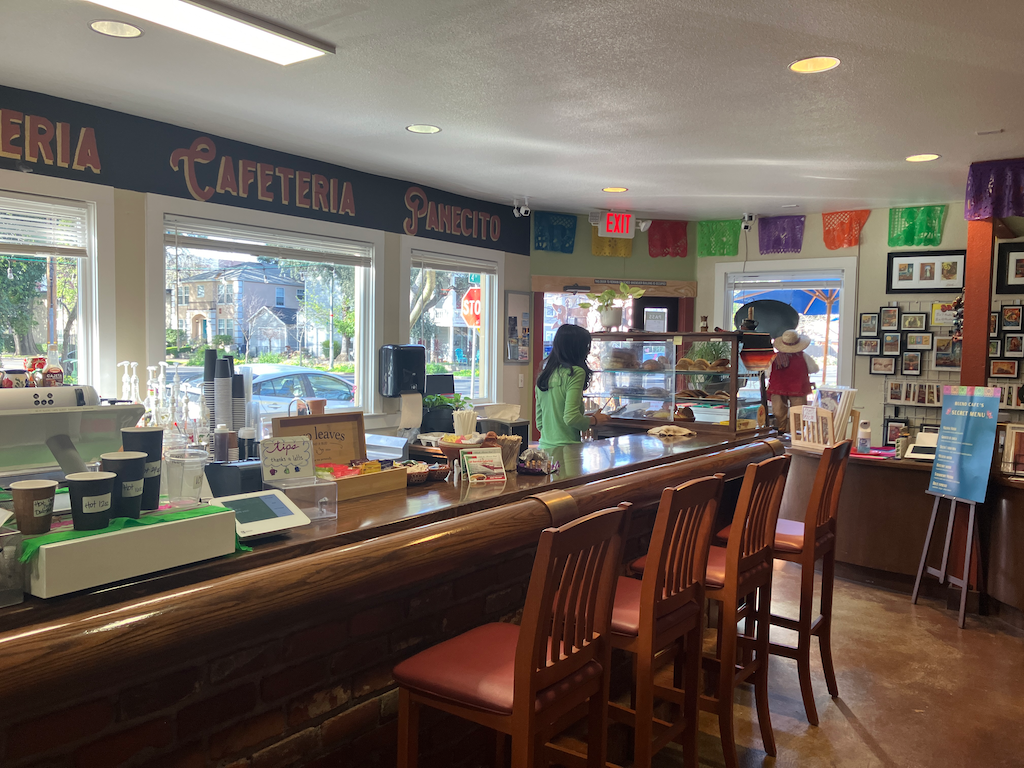
coffee shops (tea) on the grid: update 2026-01

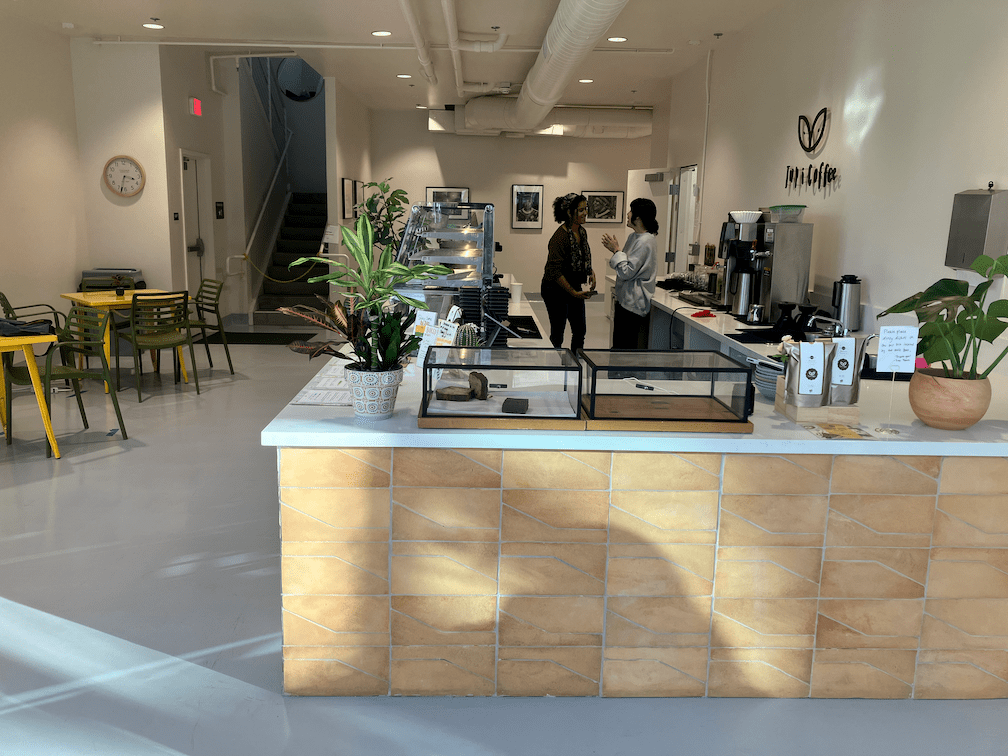
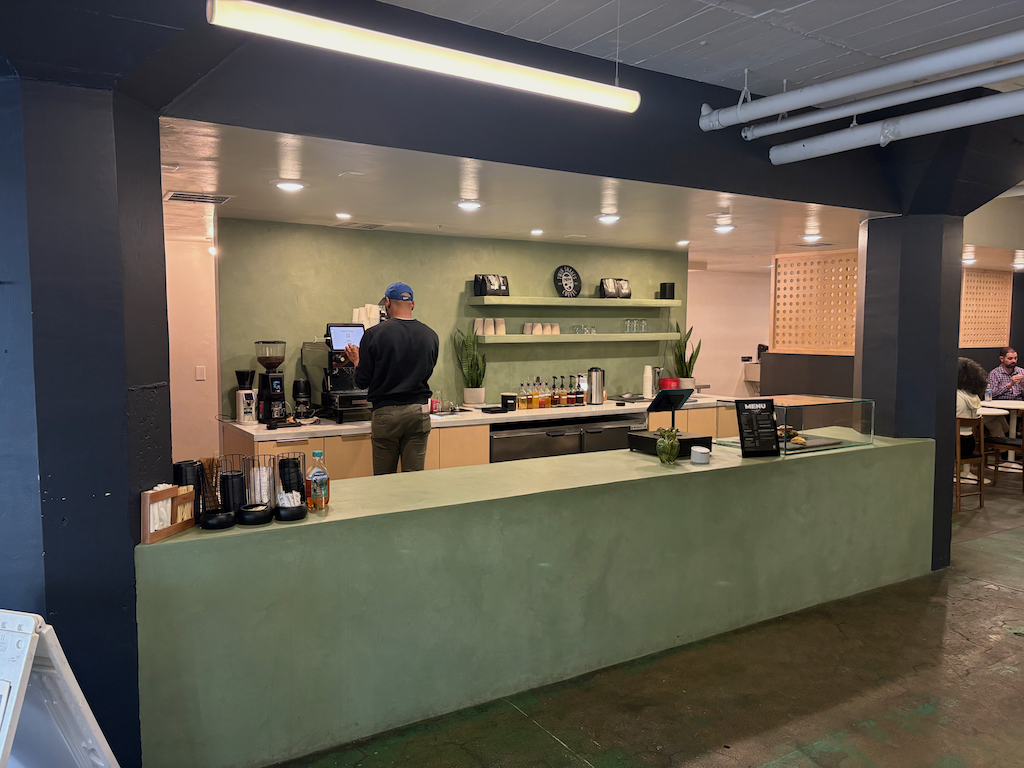
I first posted on coffee shops on the grid in April 2023, with an update in December 2024. Time for another update, as there are a number of new coffee shops, and a few have gone. The coffee shops marked with a plus (+) are new since the last update.
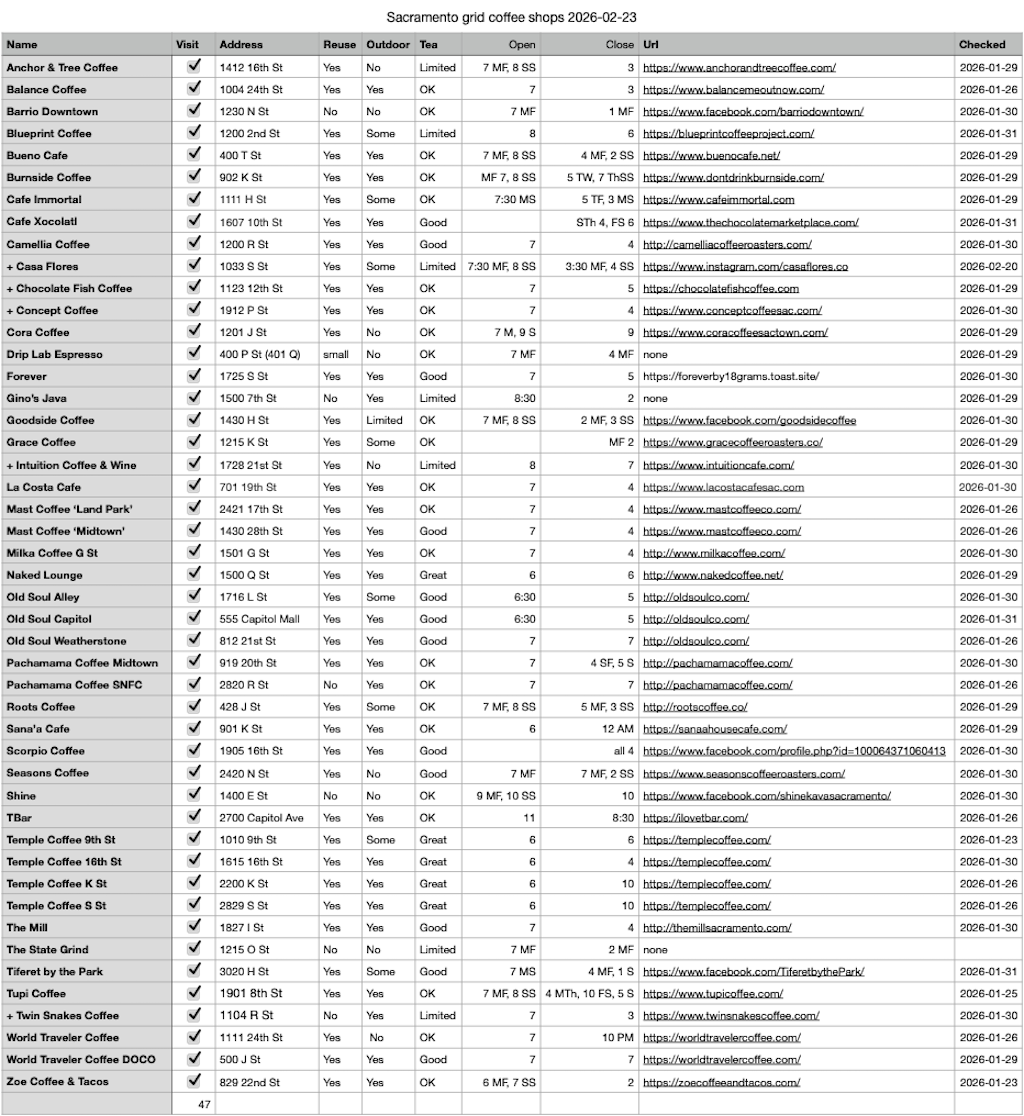
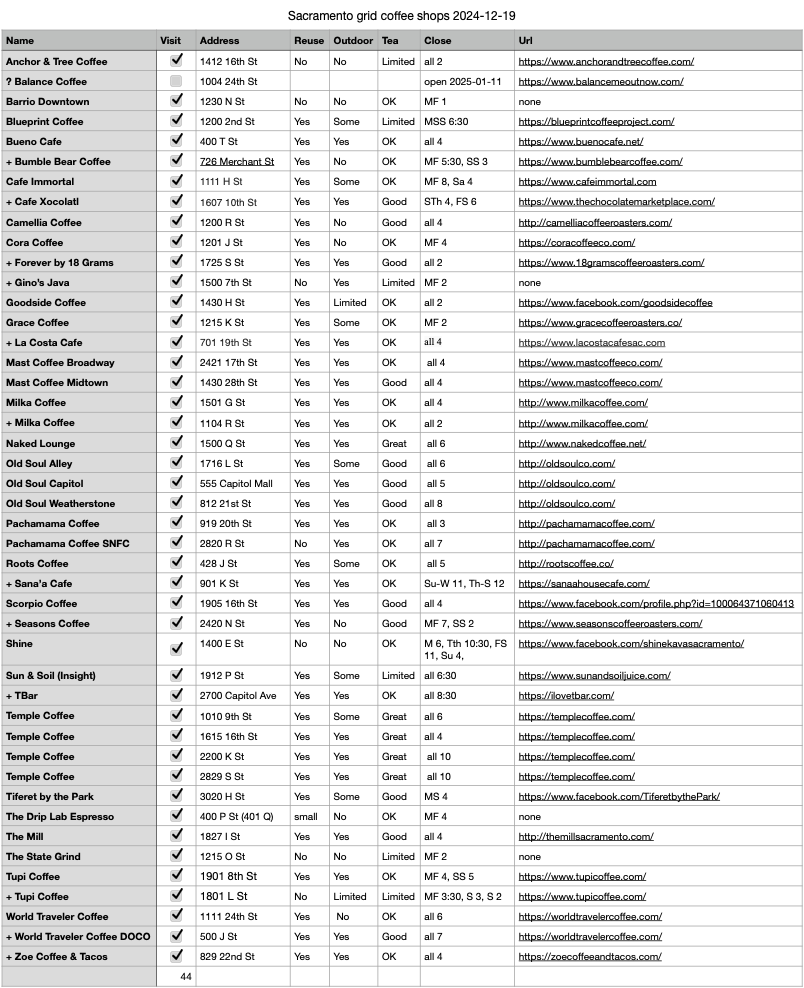
table of grid coffee, 2026-01, not clickable

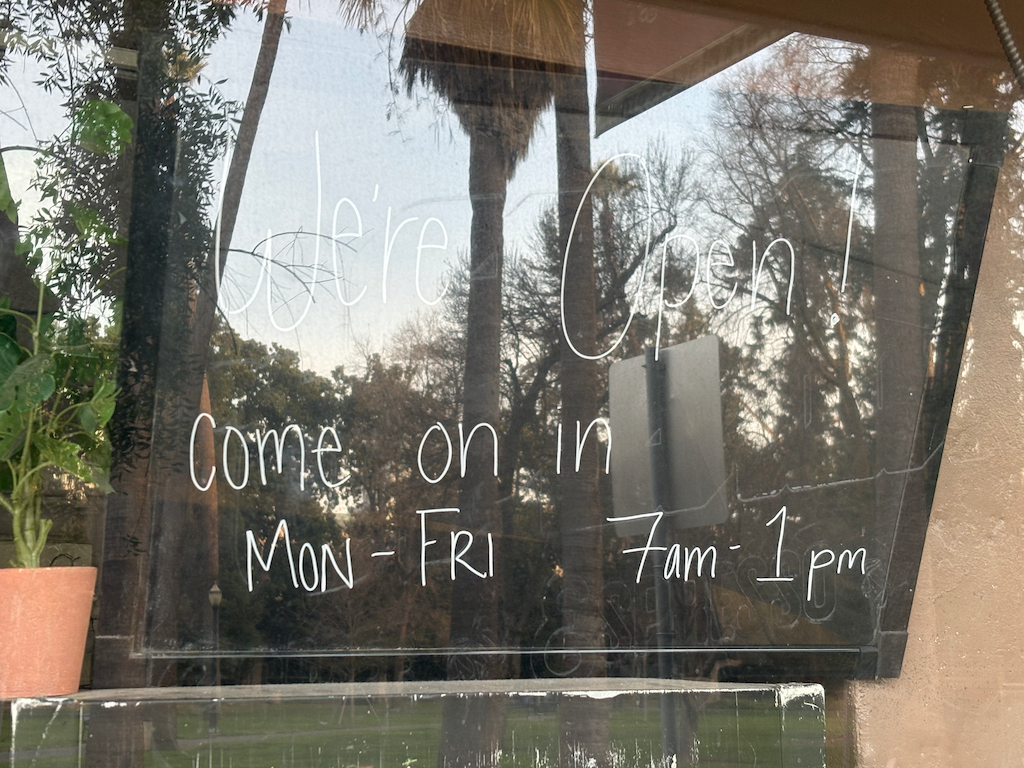
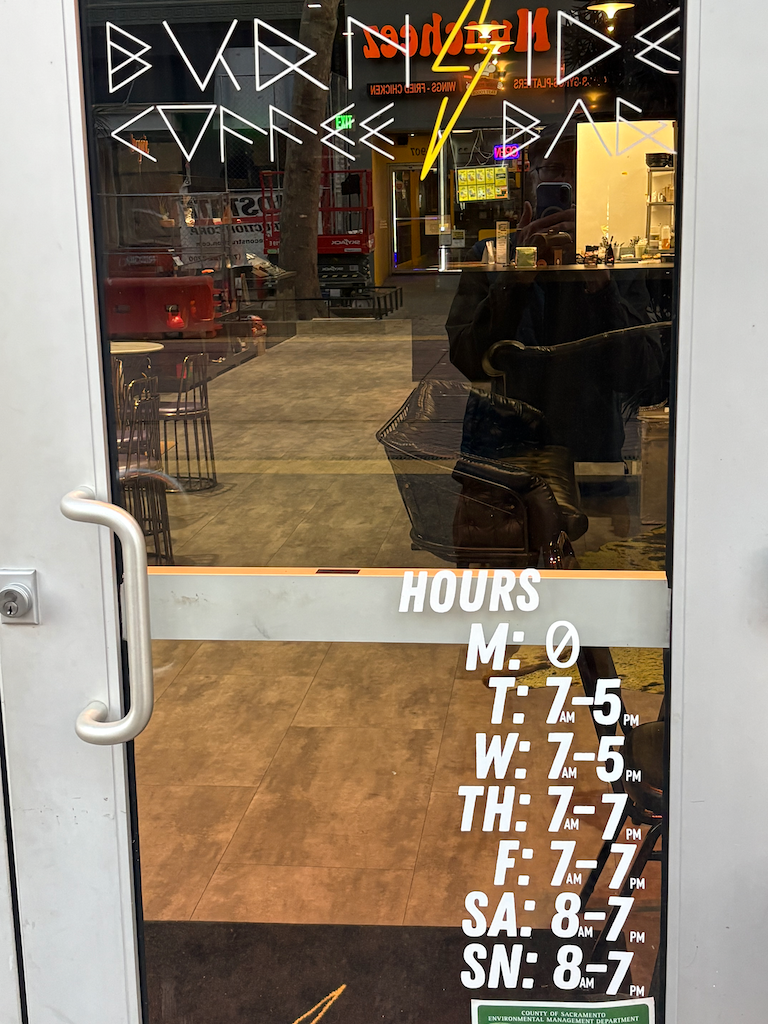
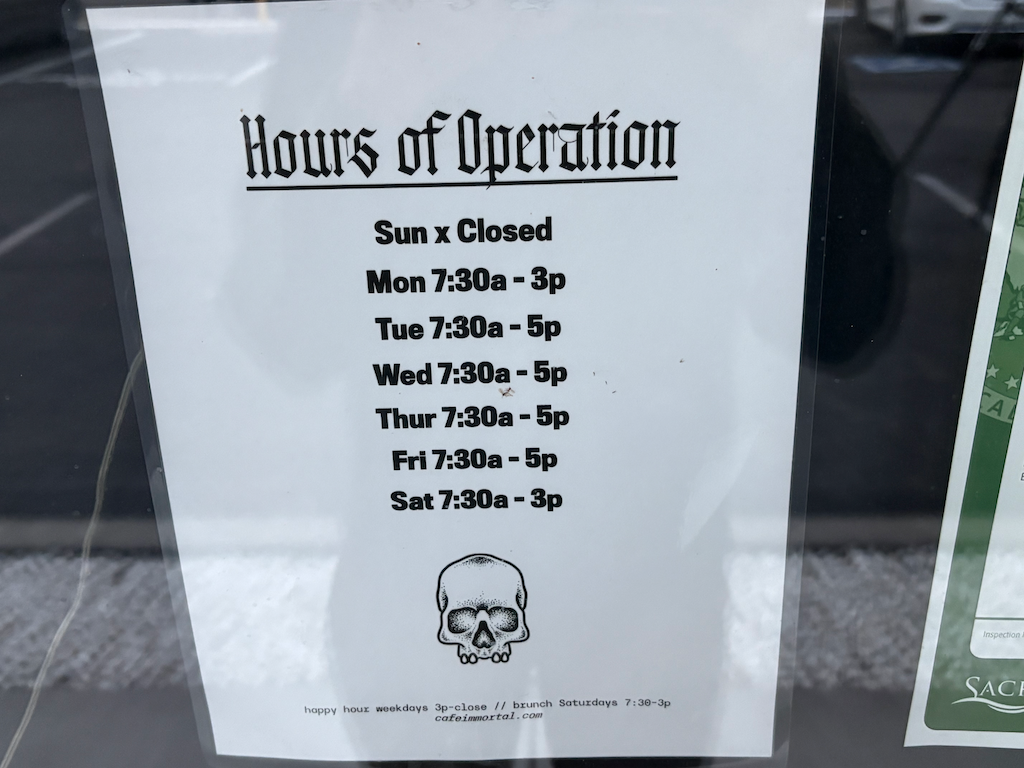
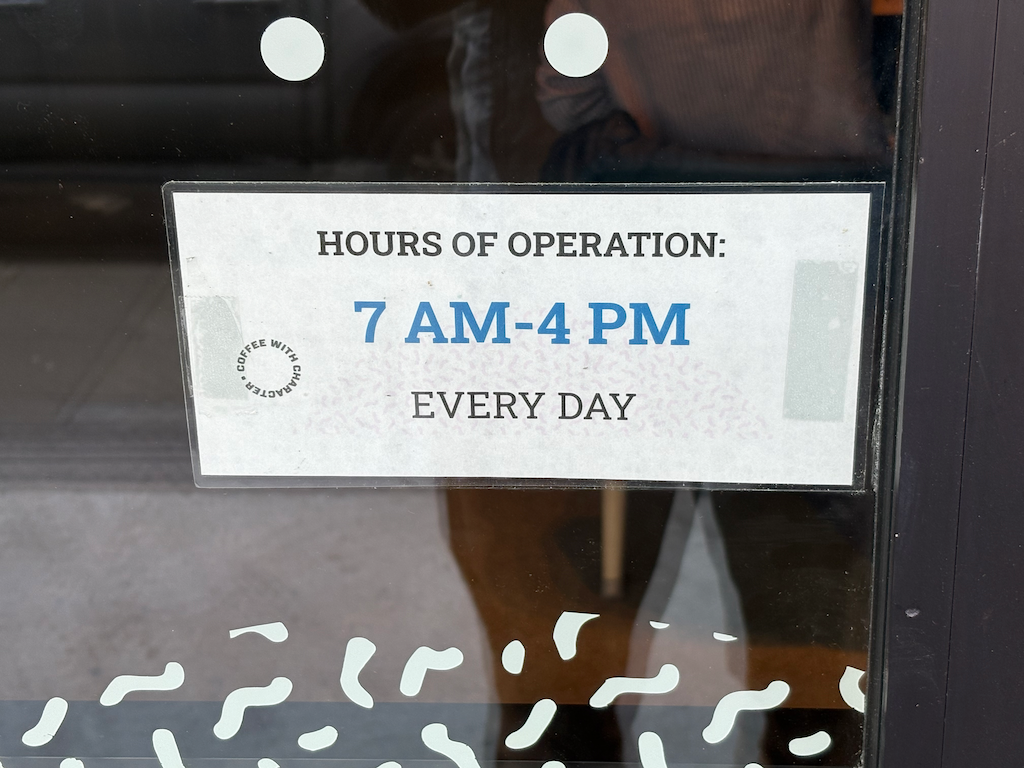
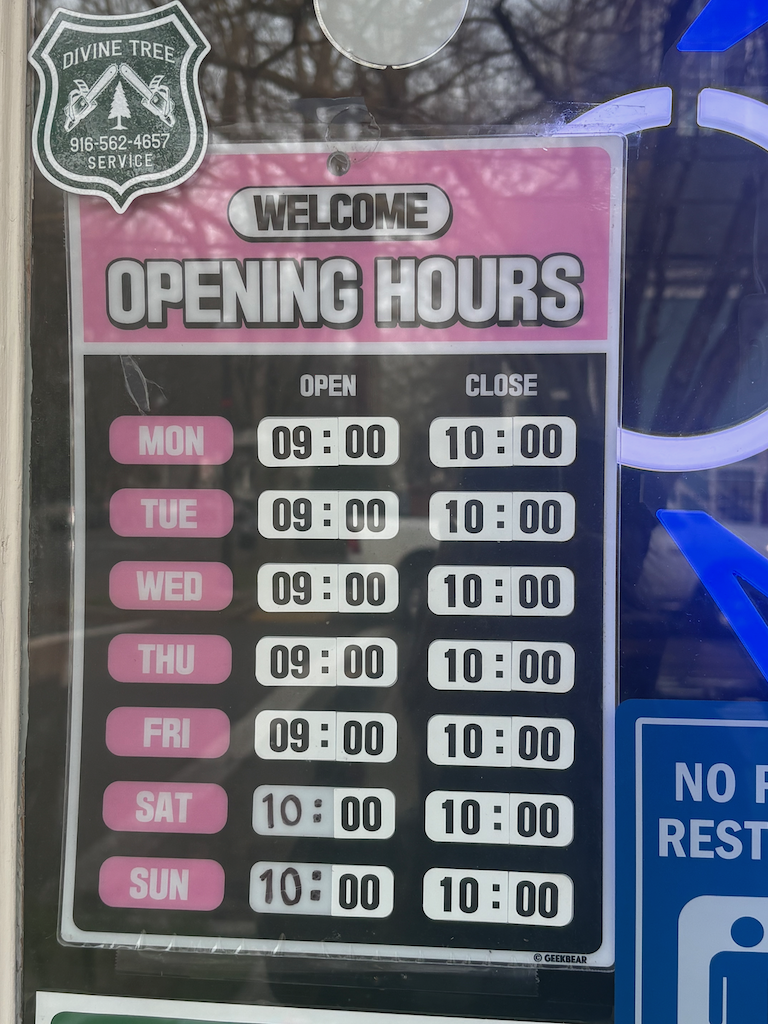
Though the links in the png above look clickable, they are not. You must use the xlsx or pdf versions for links. The columns are what interested me. Reuse means they offer reusable cups for tea and coffee service, outdoor means they offer outdoor seating, and tea indicates my take on the number and variety of teas offered. I have refined hours with open and close. It should be noted that some coffee shops do not post their hours, either on the websites or on the door, and hours often change, so take these hours with a grain of salt. The ‘checked’ column means that the business was checked for existence, but the details were not necessarily checked.

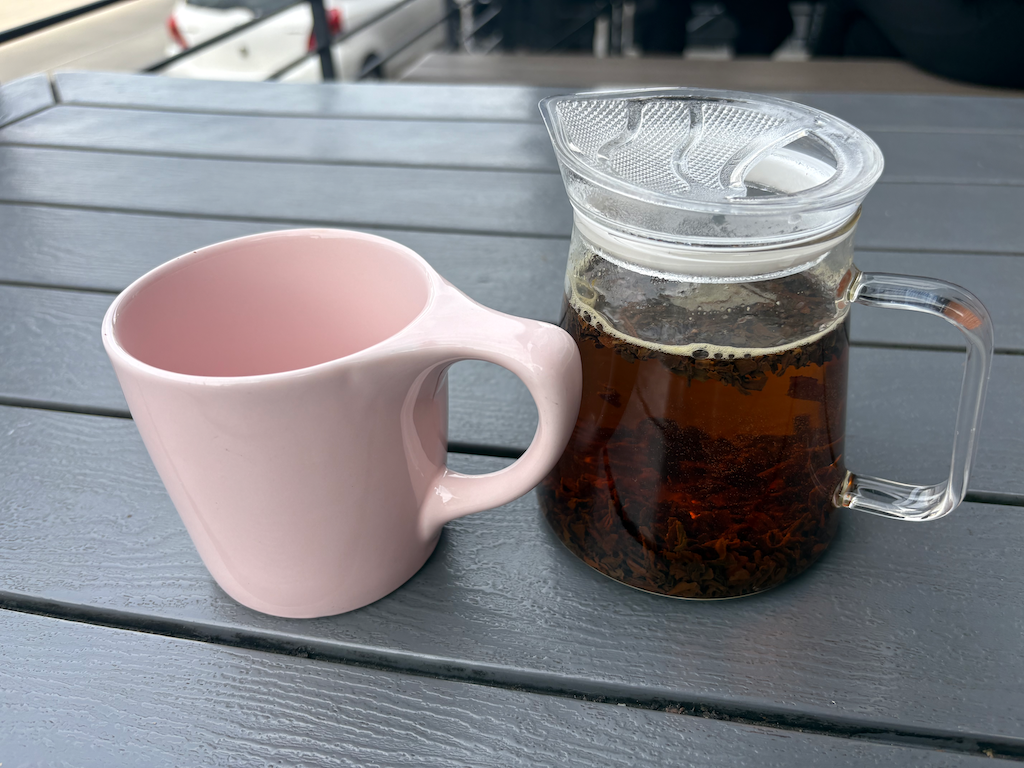
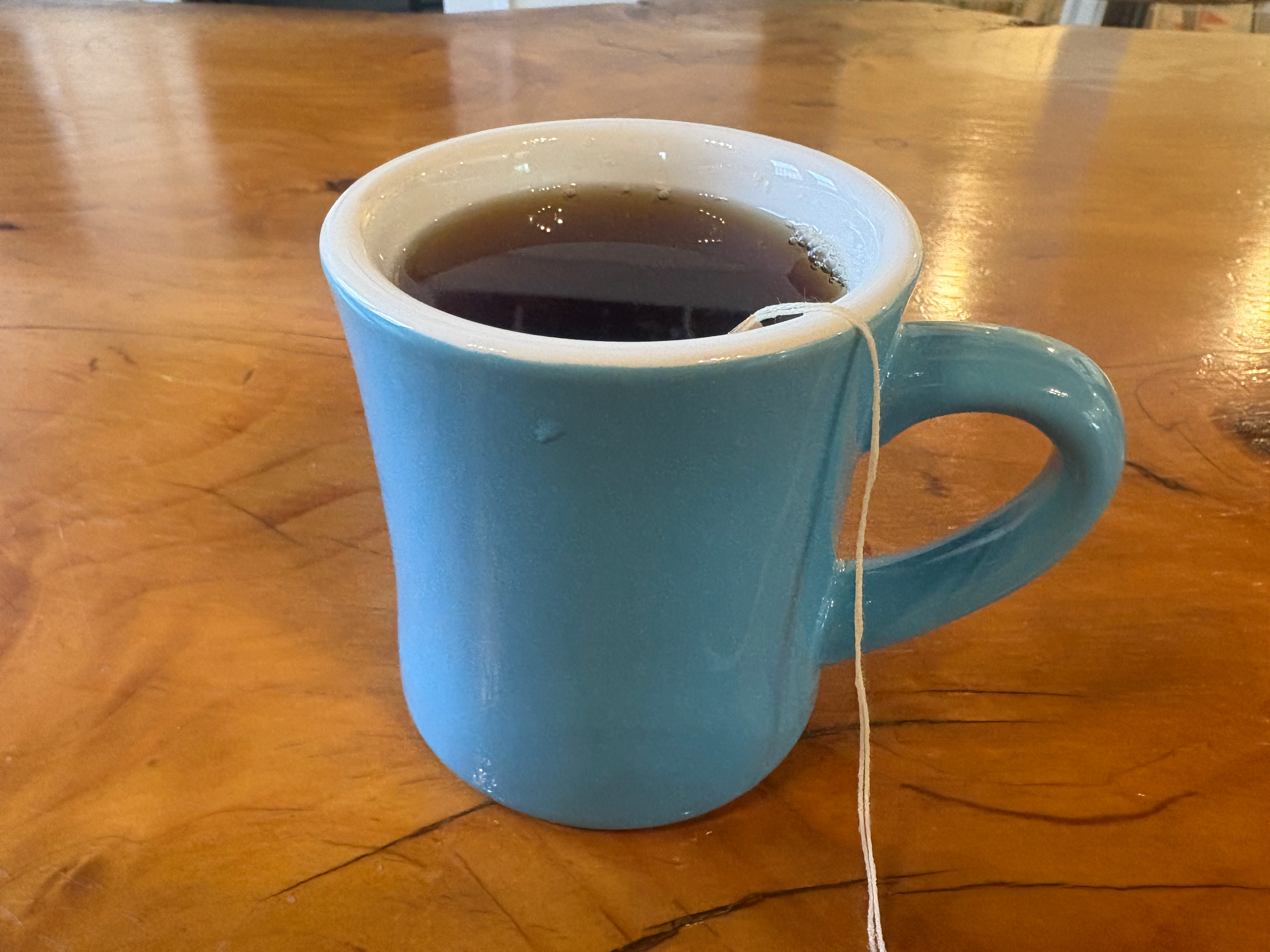
Disclaimer up front: I don’t drink and don’t even like coffee, but I do drink and love tea, and the majority of coffee shops offer tea as well, but most other businesses do not. So I can tell you absolutely nothing about the variety or quality of coffee at any of these shops.

I have long believed that the frequency of locally-owned coffee shops is a key indicator of livability and walkability. Though I’ve not done the calculations, I think this measure would be just as effective a ‘walk score’ as the WalkScore offered by Redfin, which uses a complicated and proprietary algorithm to determine walkability, measured as distance to amenities. Note that WalkScore does not assess the walking environment such as presence or condition of sidewalks, and safety of crossing streets.

I live in the Sacramento central city, the area bounded by the Sacramento River to the west, Broadway to the south, Alhambra Avenue to the east, and the railroad tracks to the north. I have focused my coffee shop visits on this area. Though there are certainly coffee shops throughout the urbanized county, the number of locally-owned coffee shops drops off rapidly outside the central city. In much of the suburbs, there are only chain coffee shops such as Starbucks and Peets. I do not list national chain coffee shops such as Starbucks, Peets, and Philz.

My new preferred coffee shops are Zoe Coffee and Tacos (yes, an unusual name, but their tacos and samosas are good), mostly for the friendliness of the manager and baristas, and Tupi Cafe, which is on my morning walks to Southside Park.

If you have a place to suggest, or updated information, please comment. There is a fuzzy line between places which are mostly coffee shops, and places that are mostly cafes, but also have coffee and tea. In fact Google Maps and Apple Maps makes this fuzzier by allowing businesses to show an icon on the map that reflects what was searched for, not the primary classification of business. I assume they pay for this.

If you also like to drink tea at home, as I do, I recommend Tea Cozy, 1021 R Street, next to Fox and Goose, with a very large and diverse offering of bulk and packaged teas. And in Davis, Mishka’s Cafe, 610 2nd Street, offers a selection of brewed tea unparalleled in the region, so far as I know.

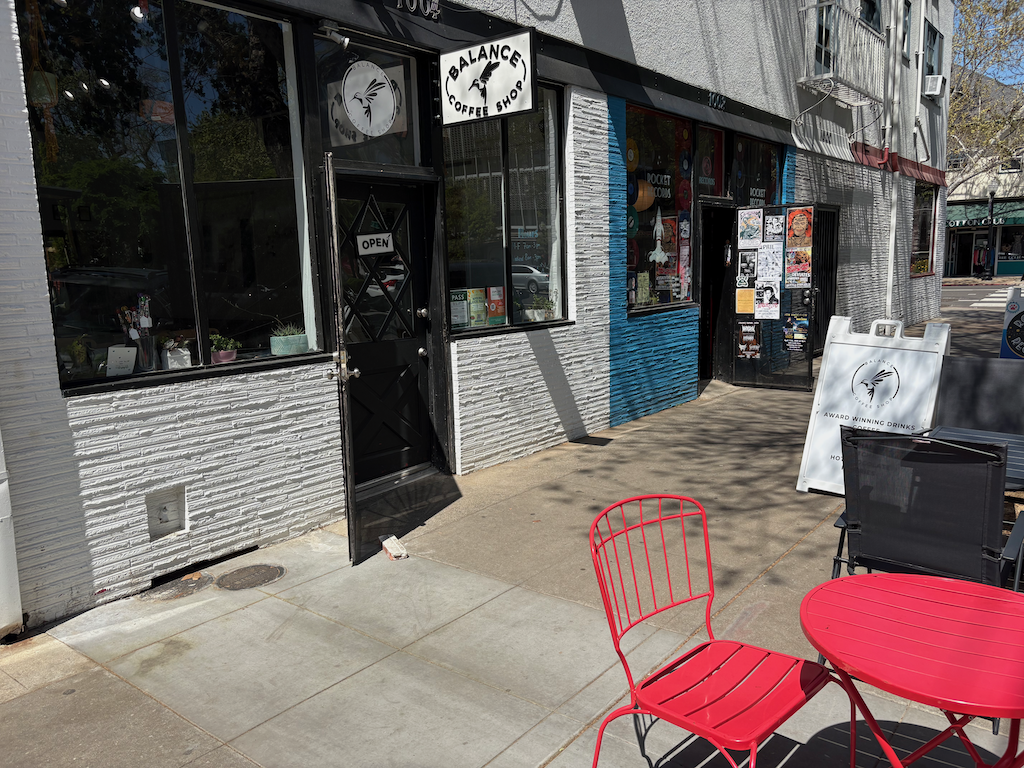
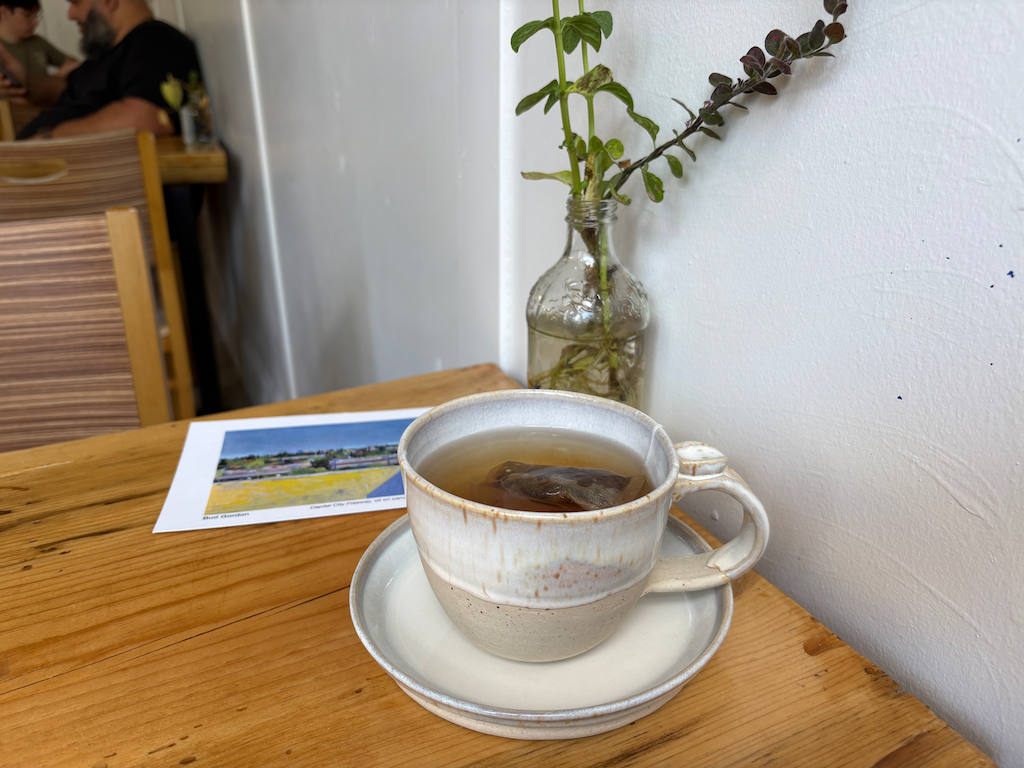
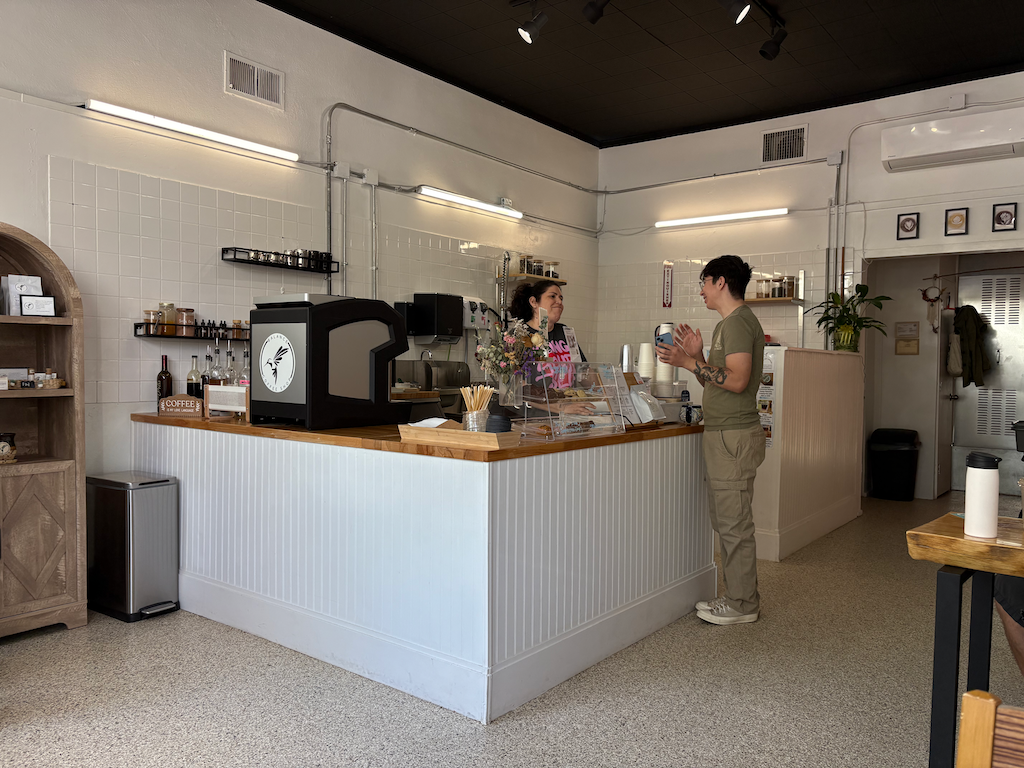
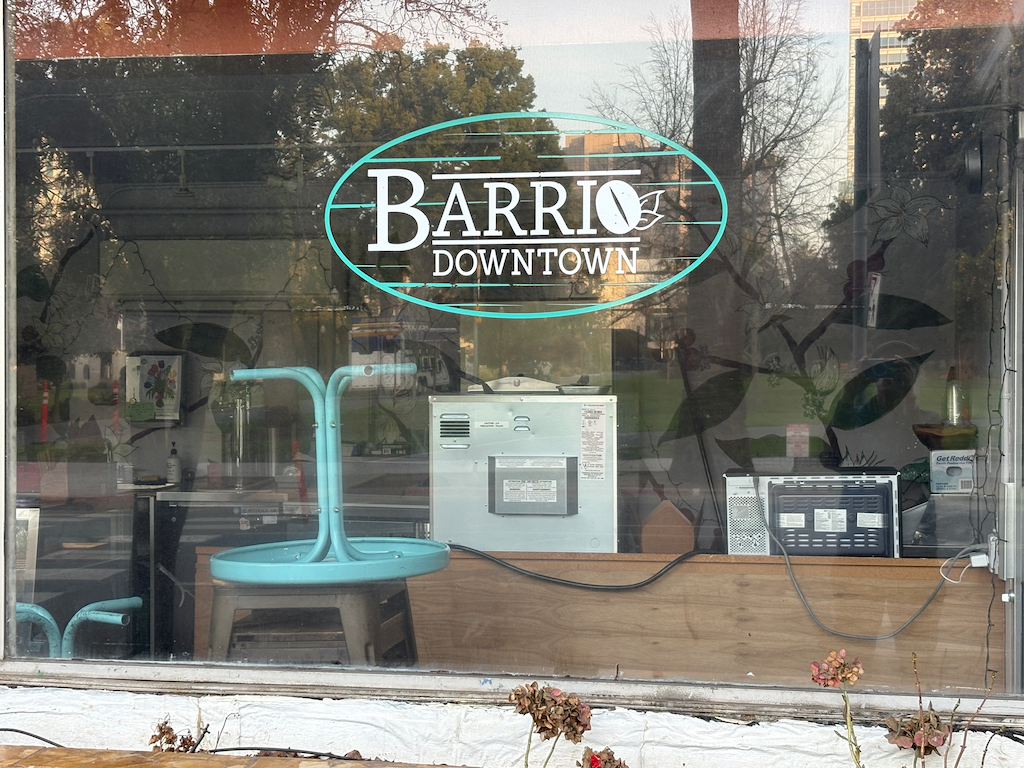
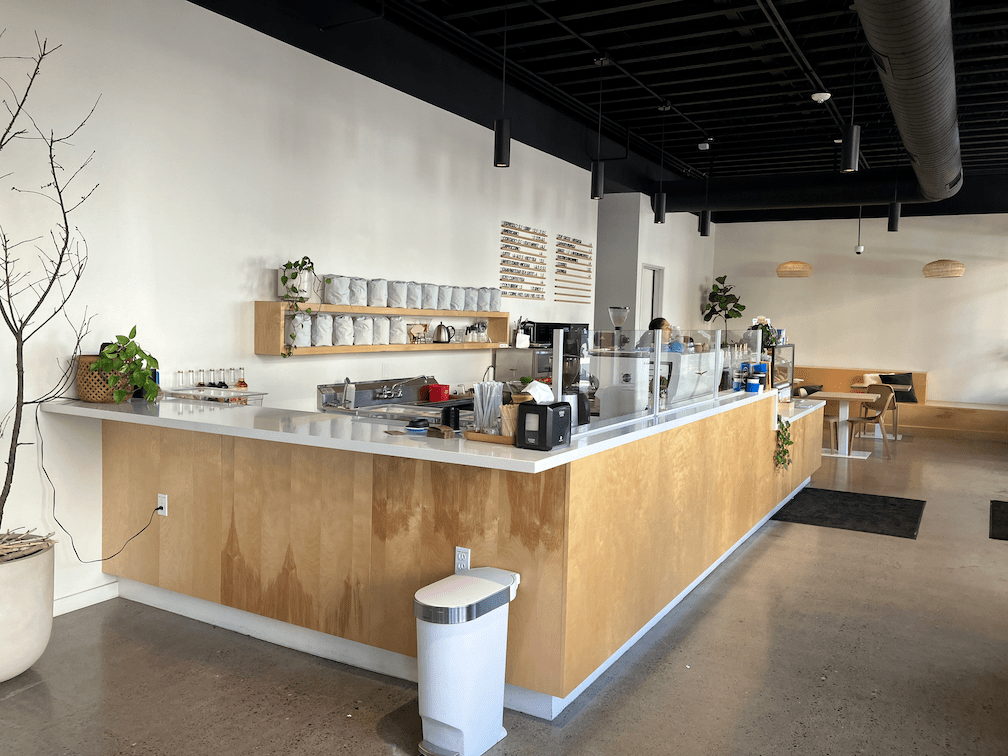
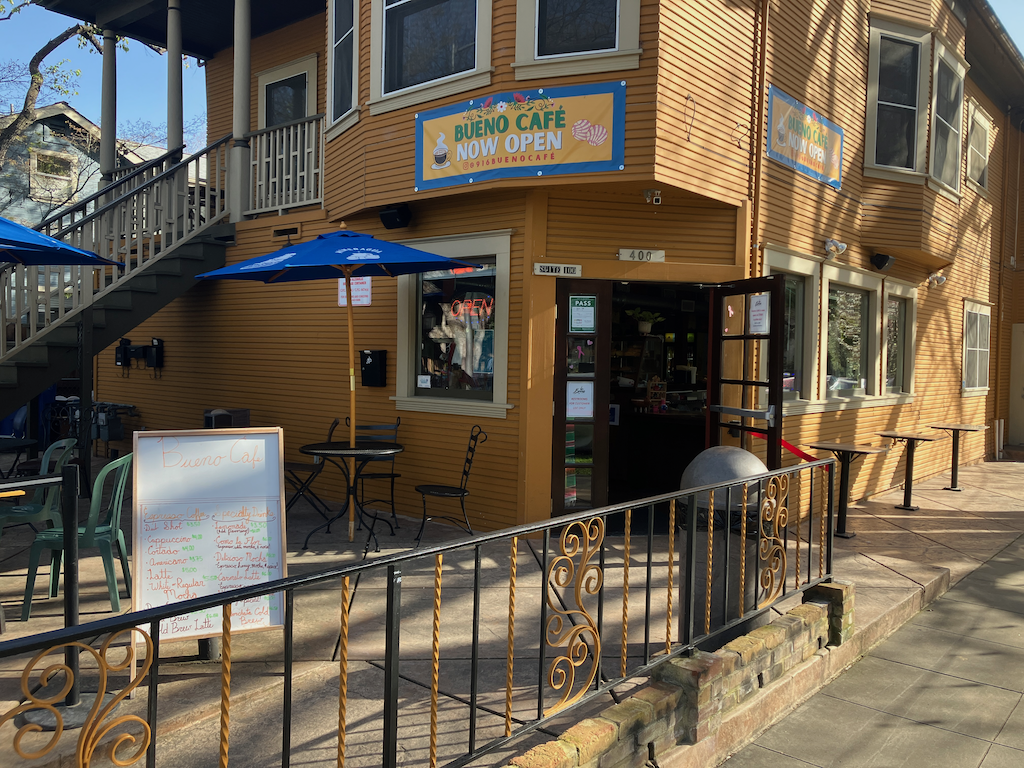
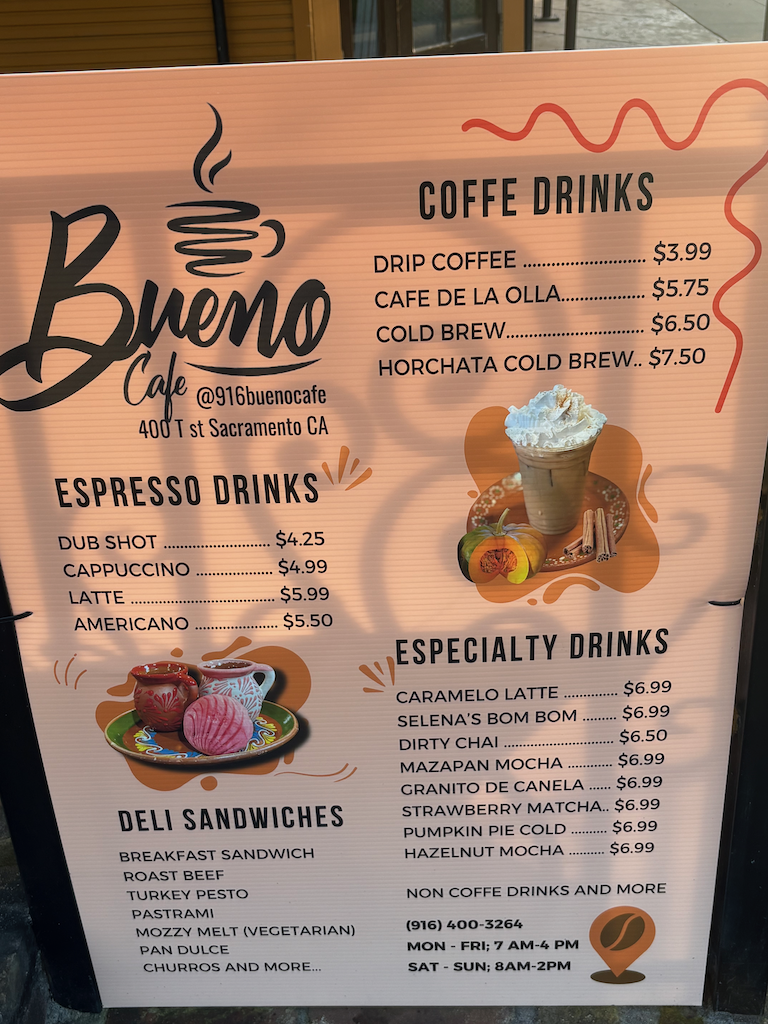
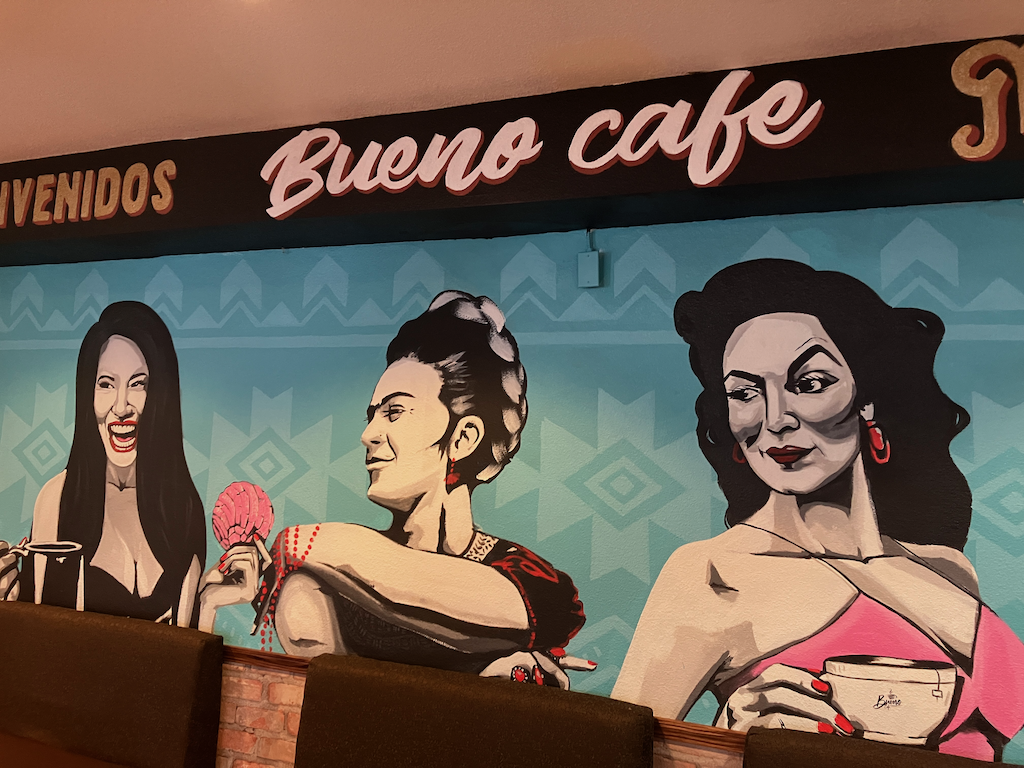
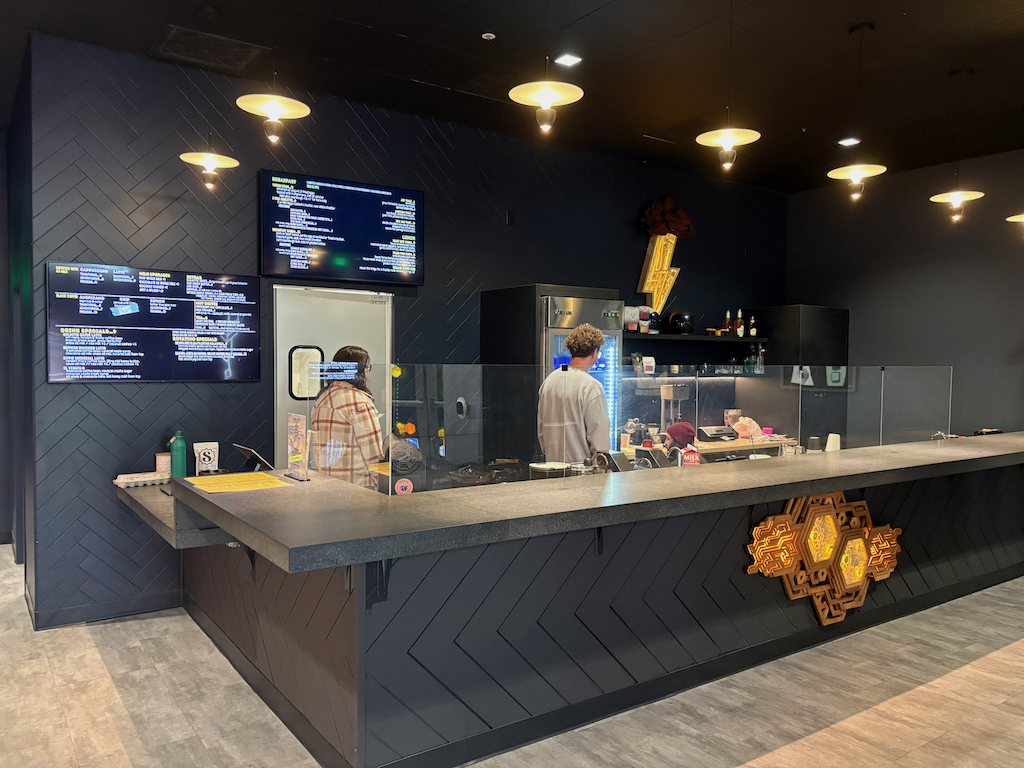
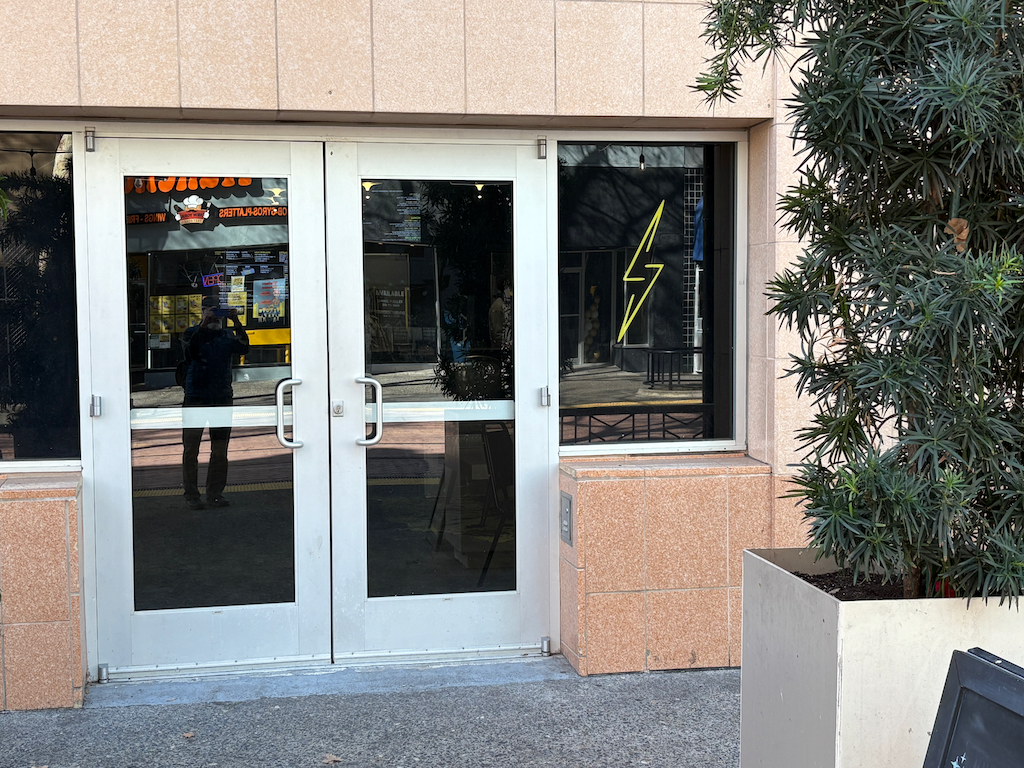
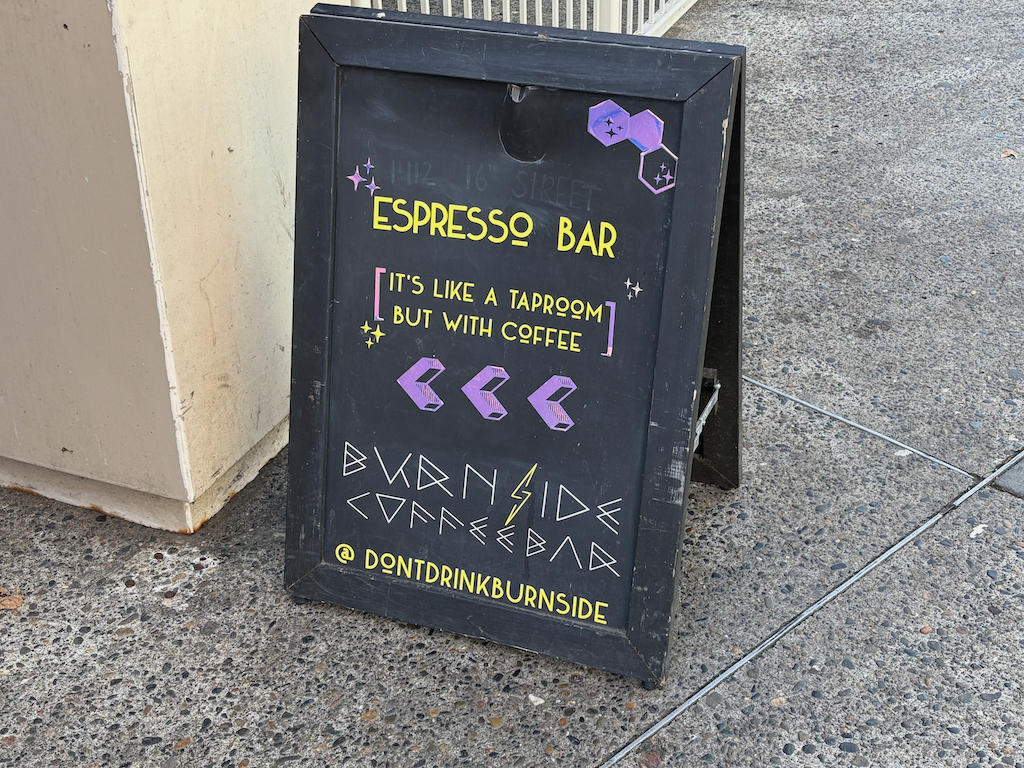
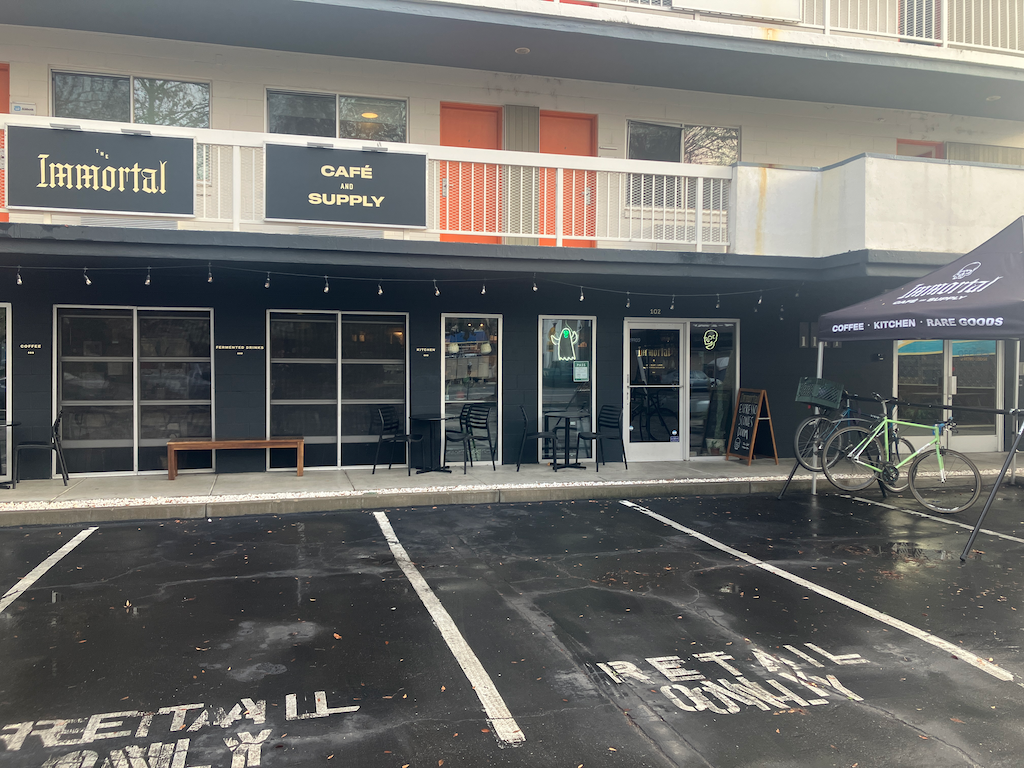
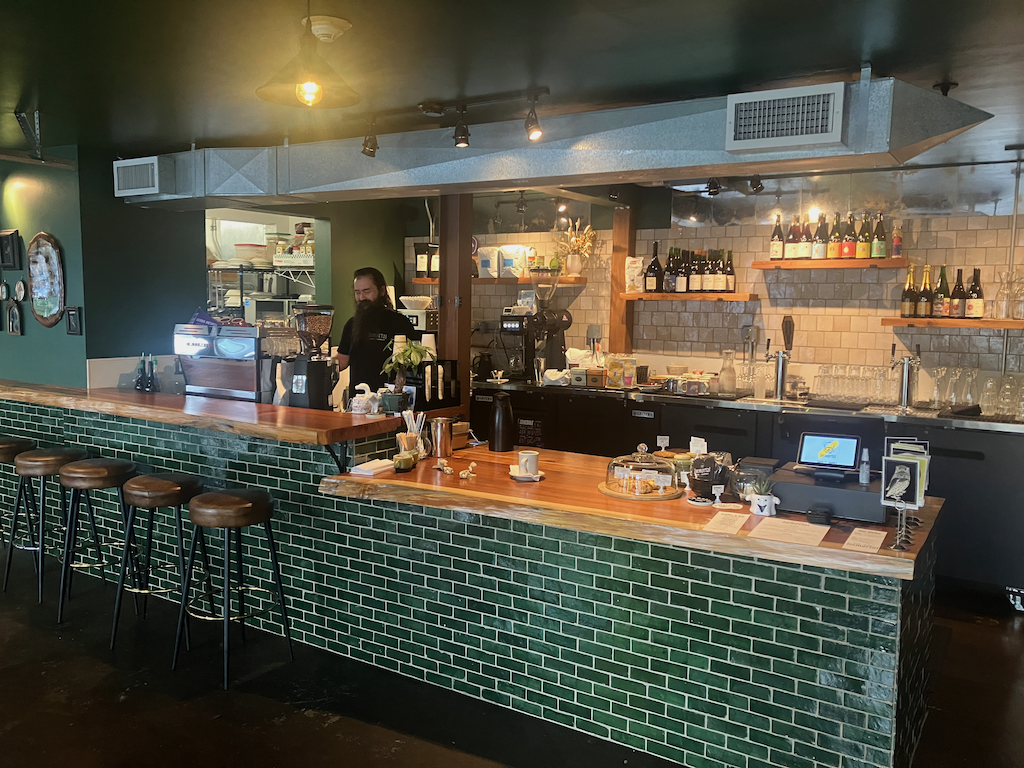
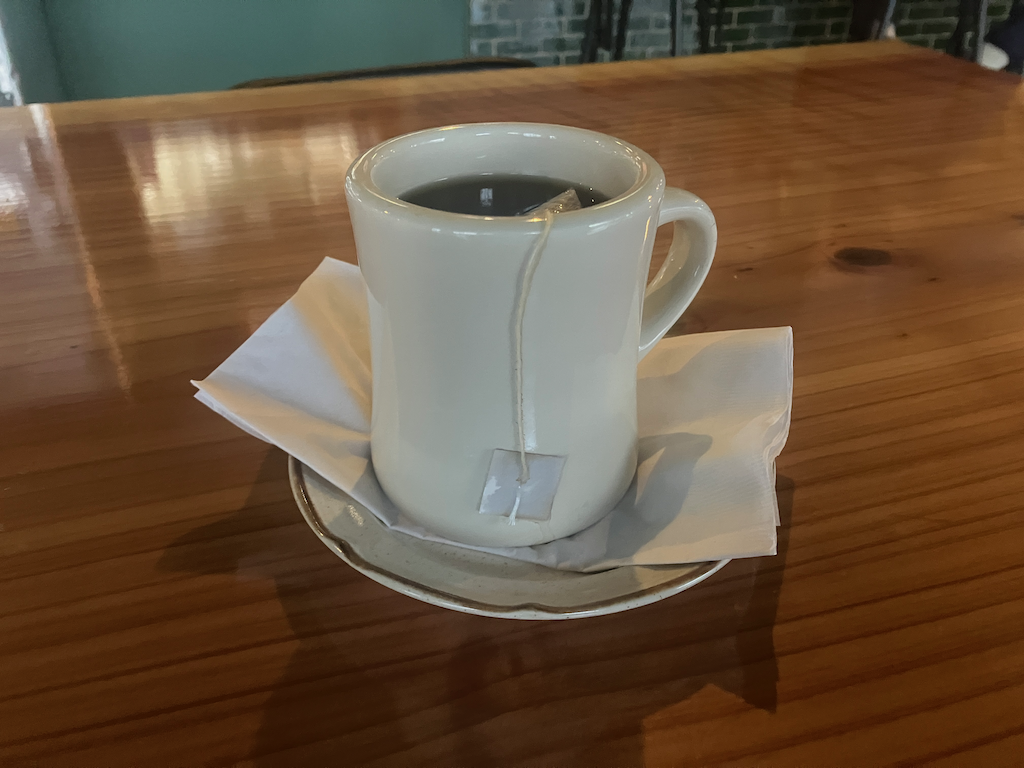
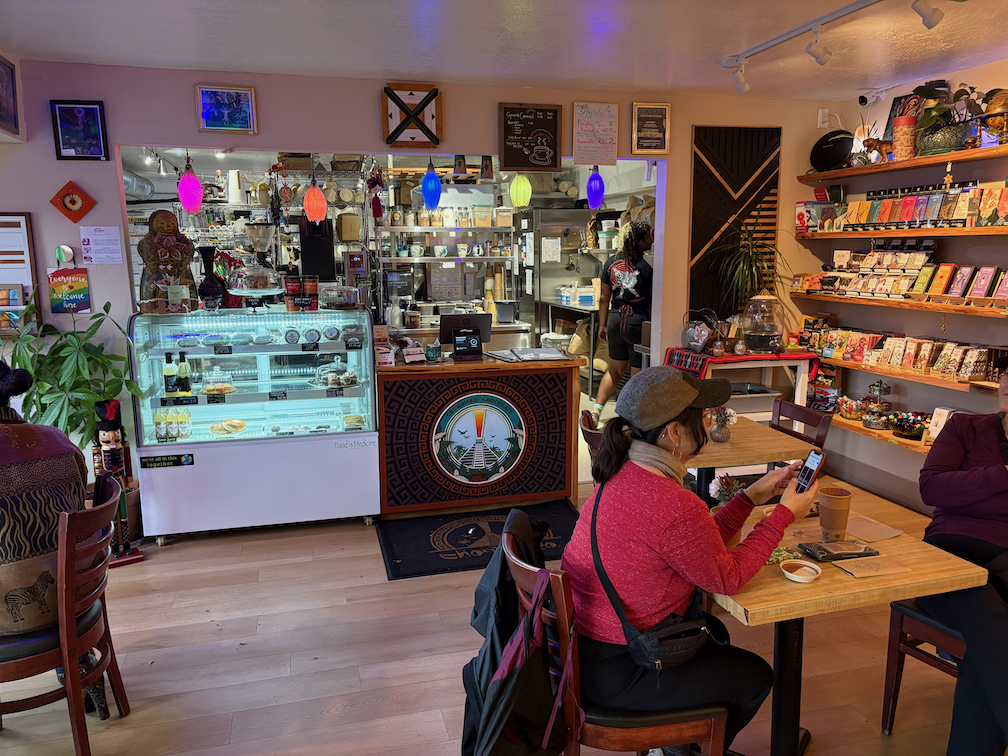
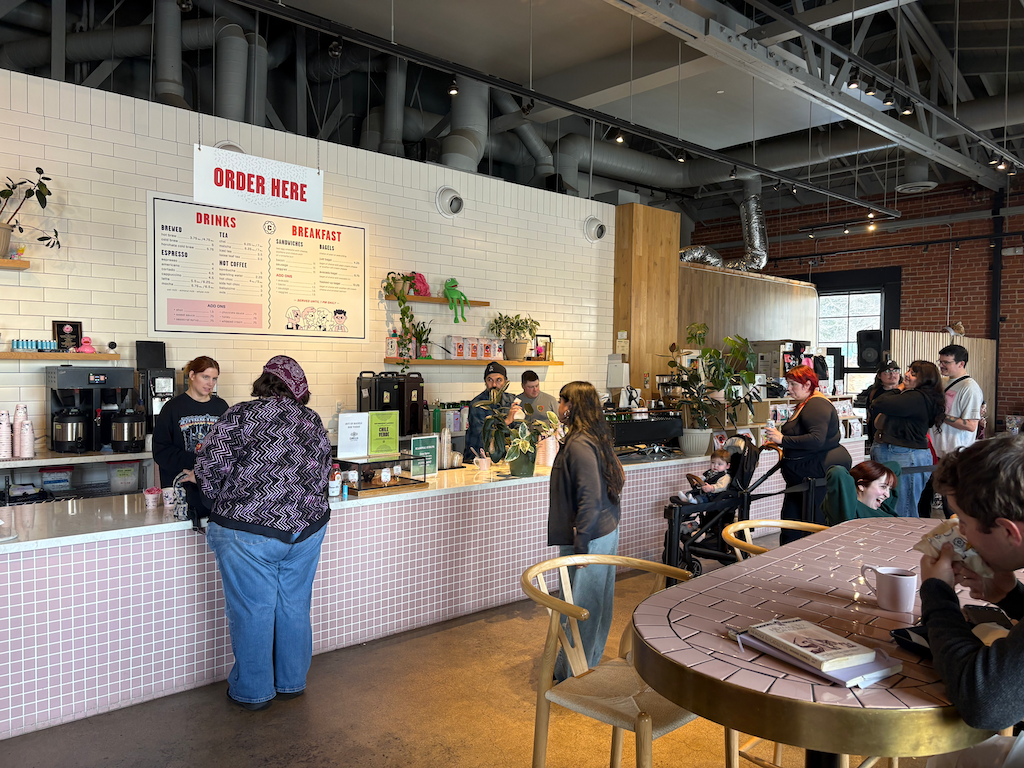
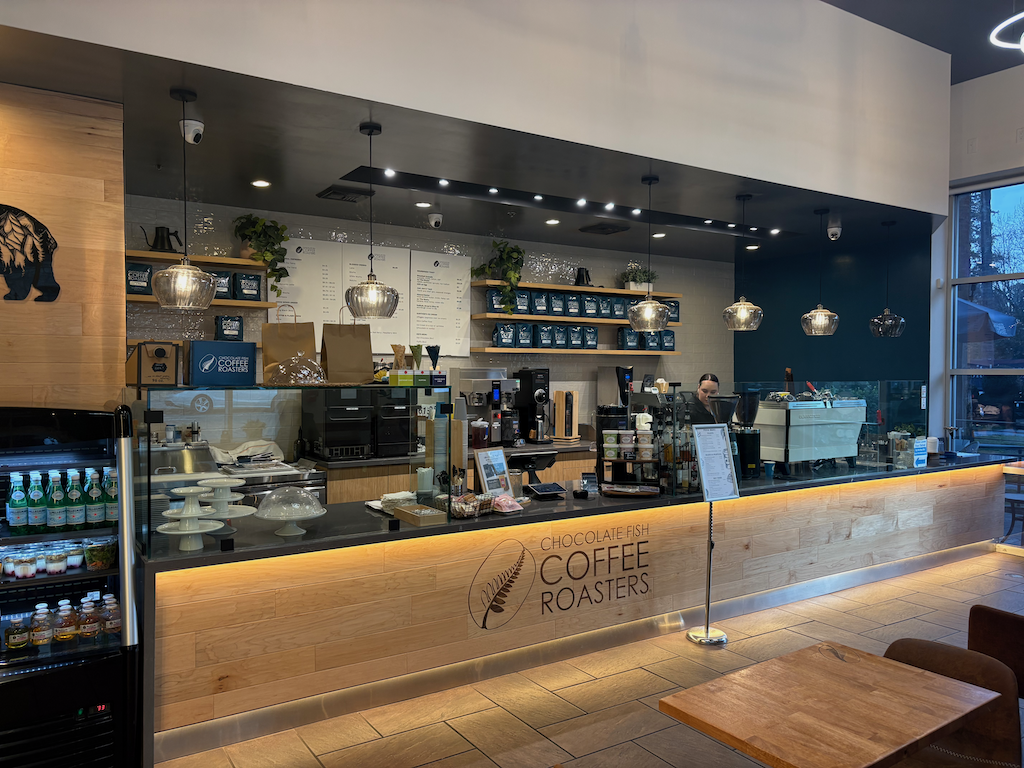
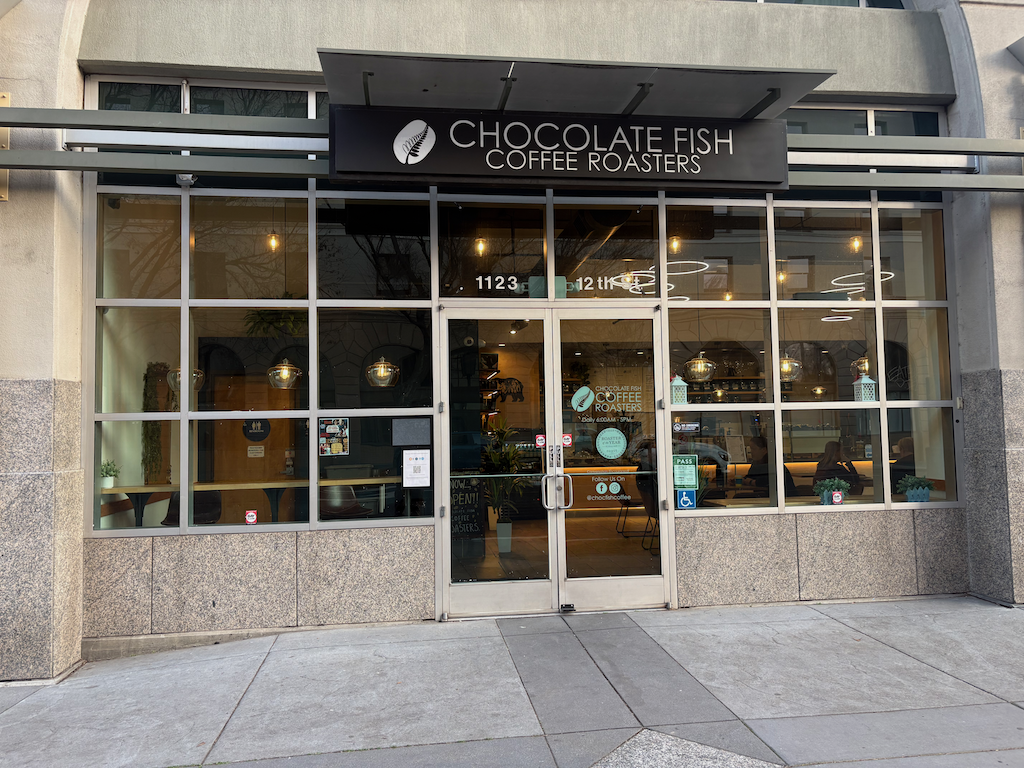
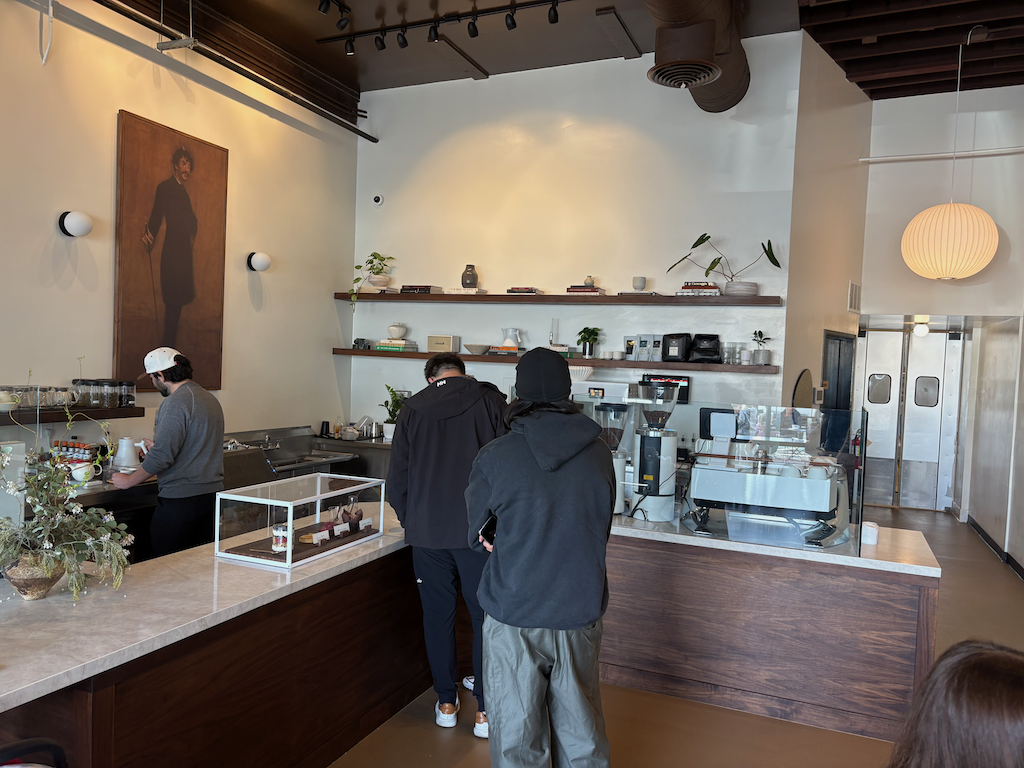
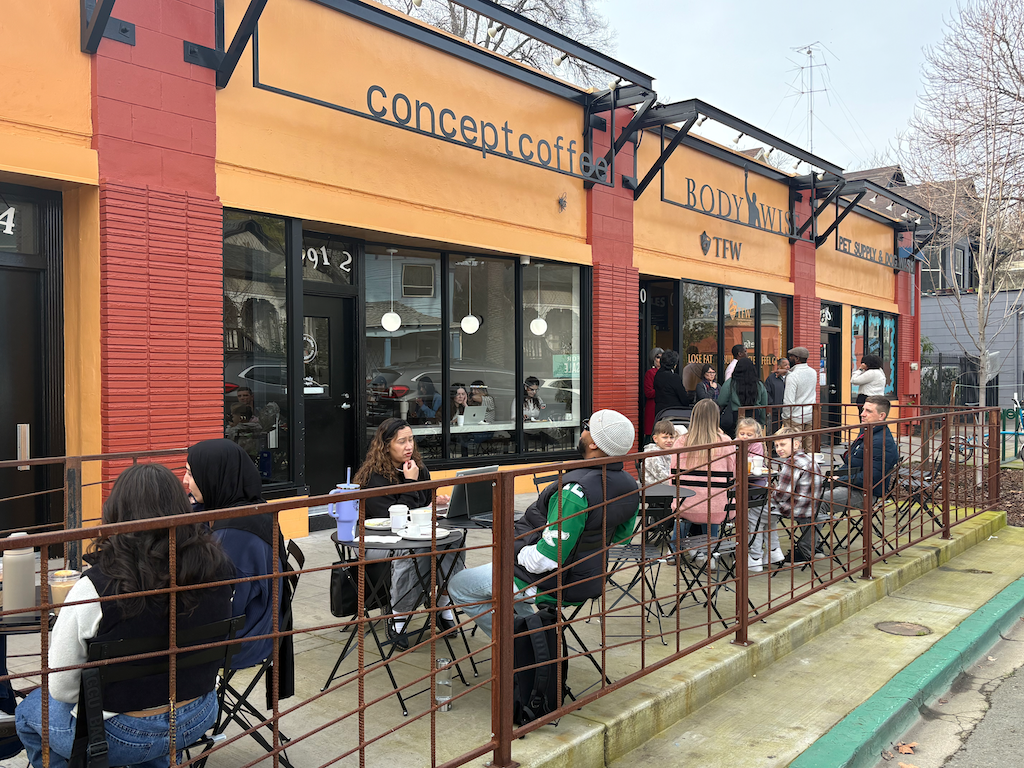
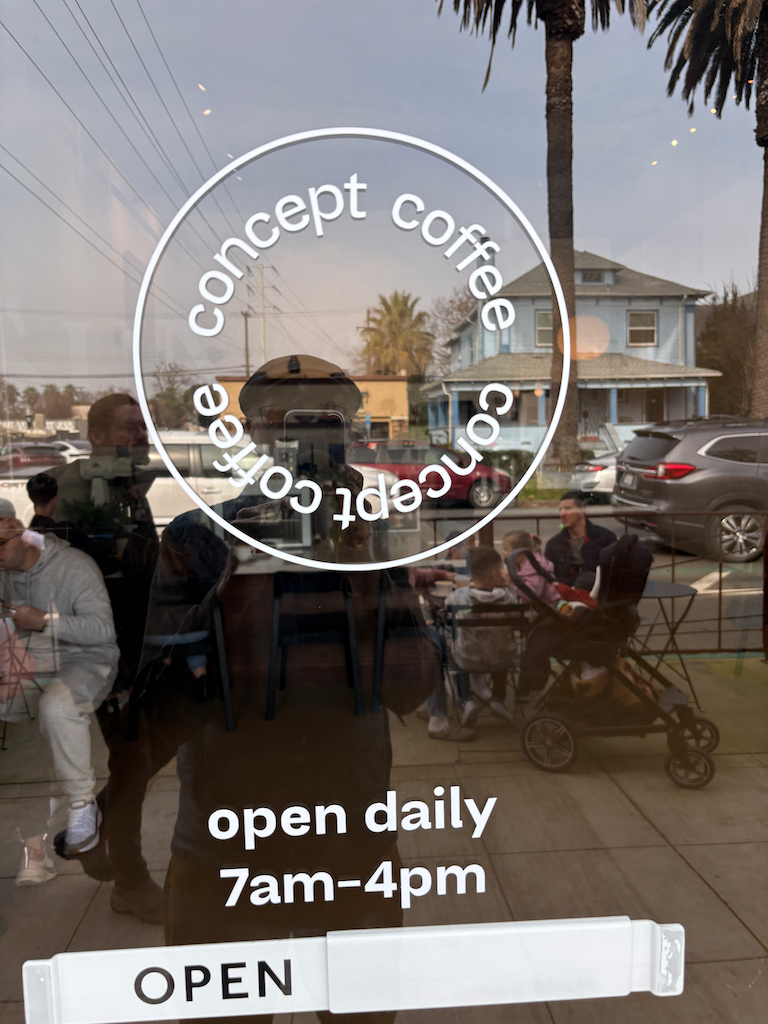
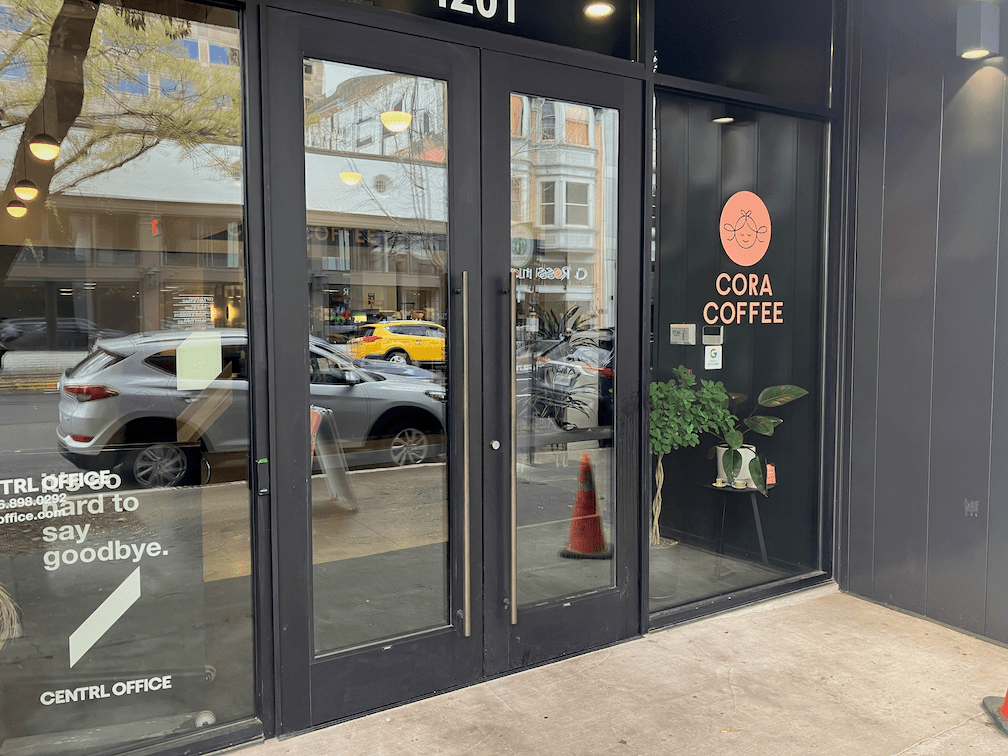
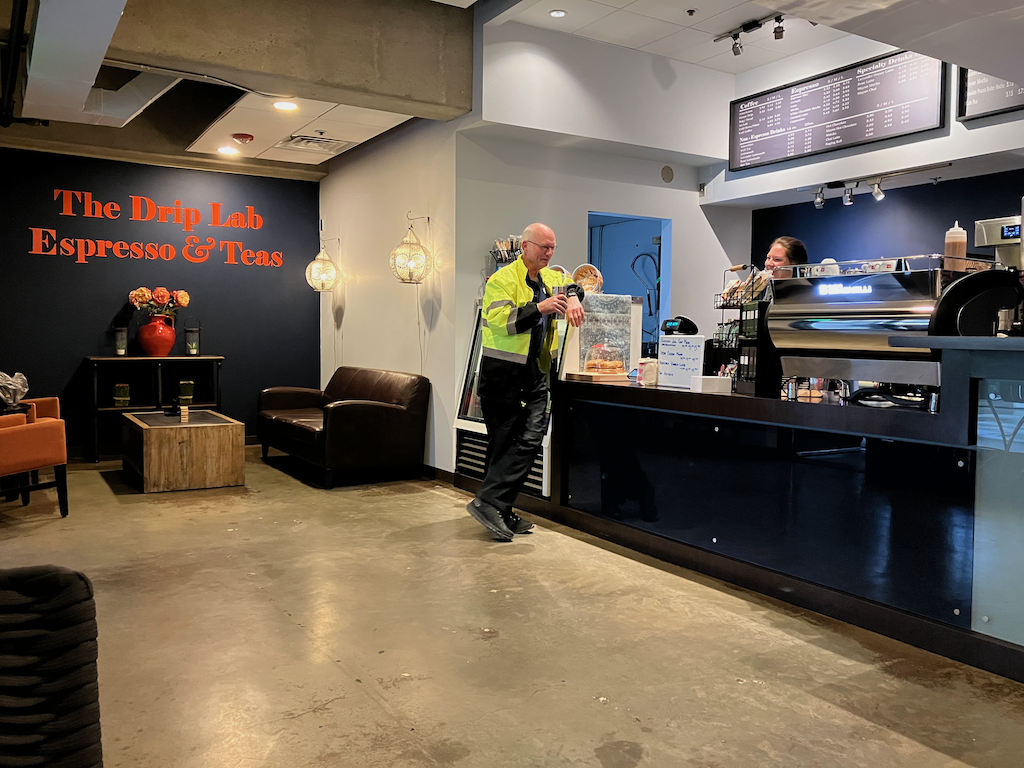
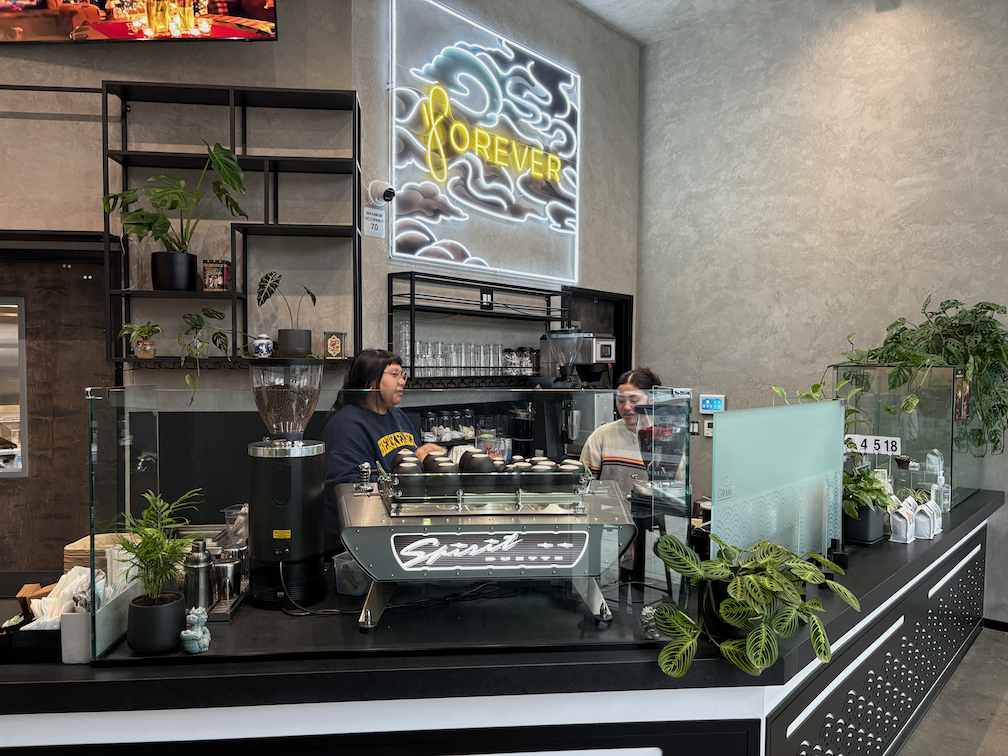
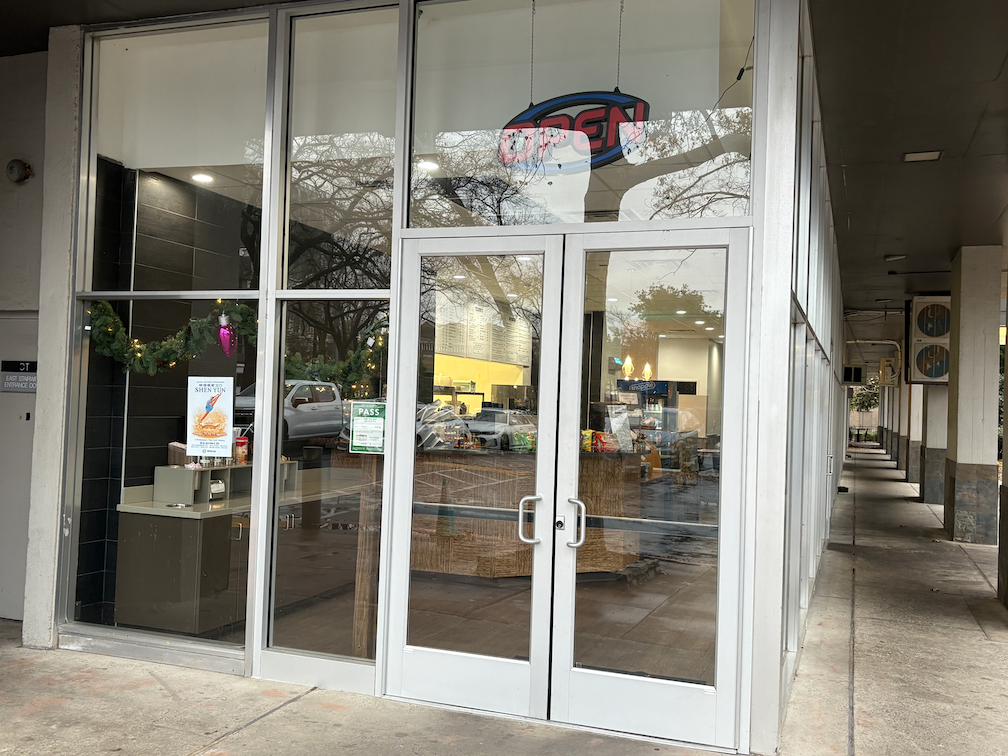
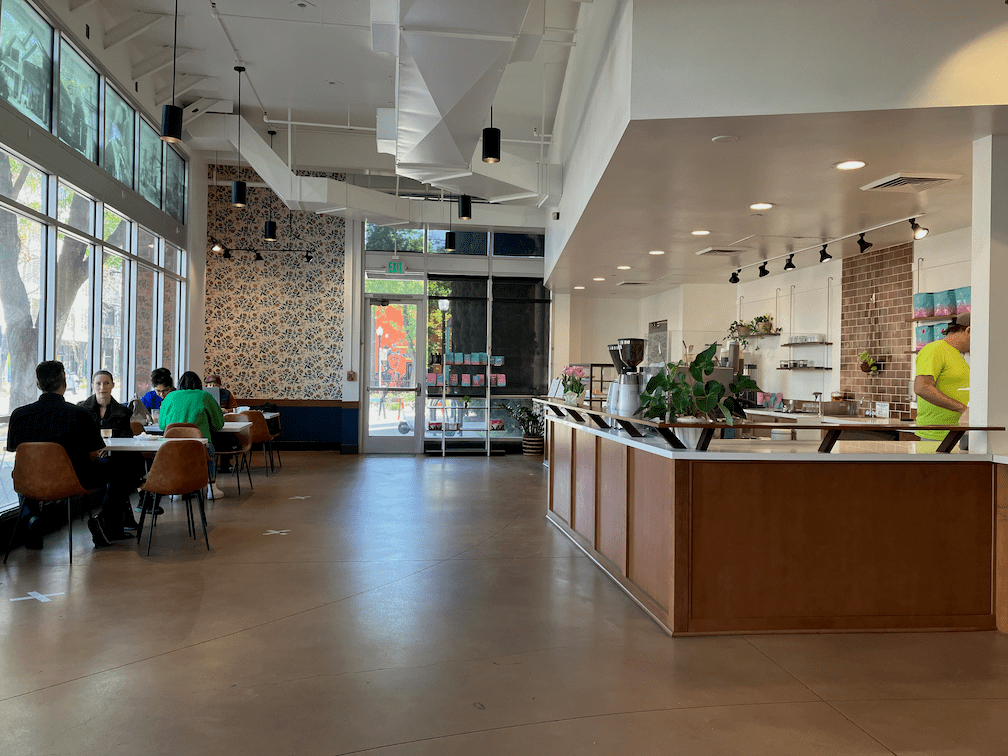
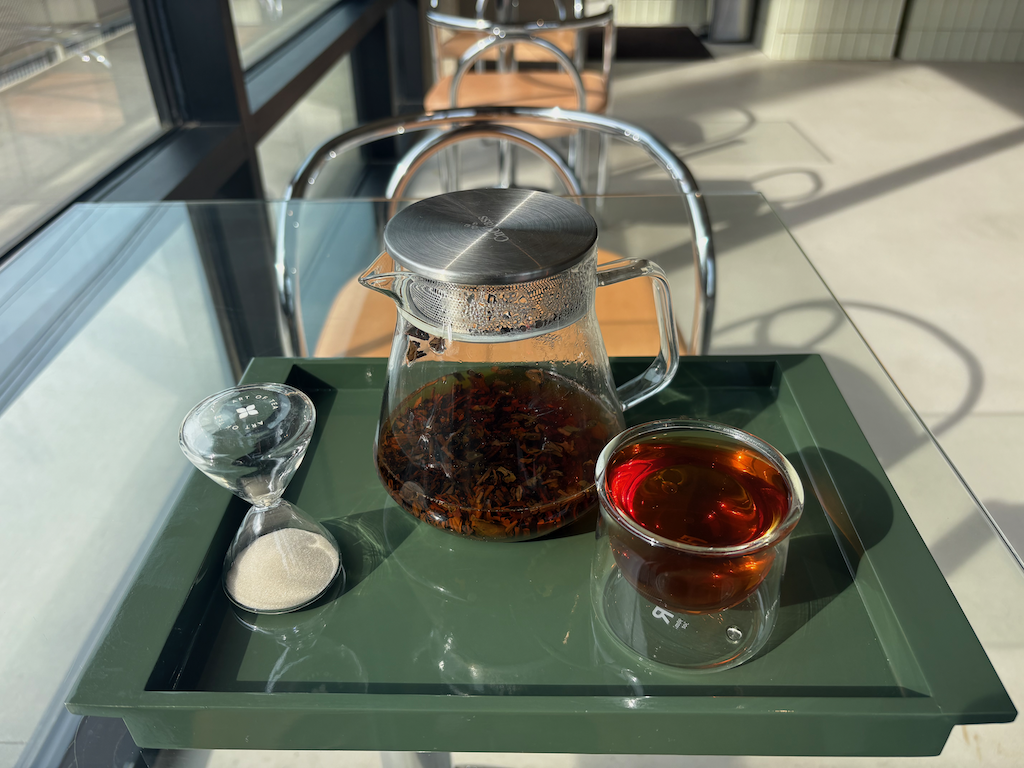
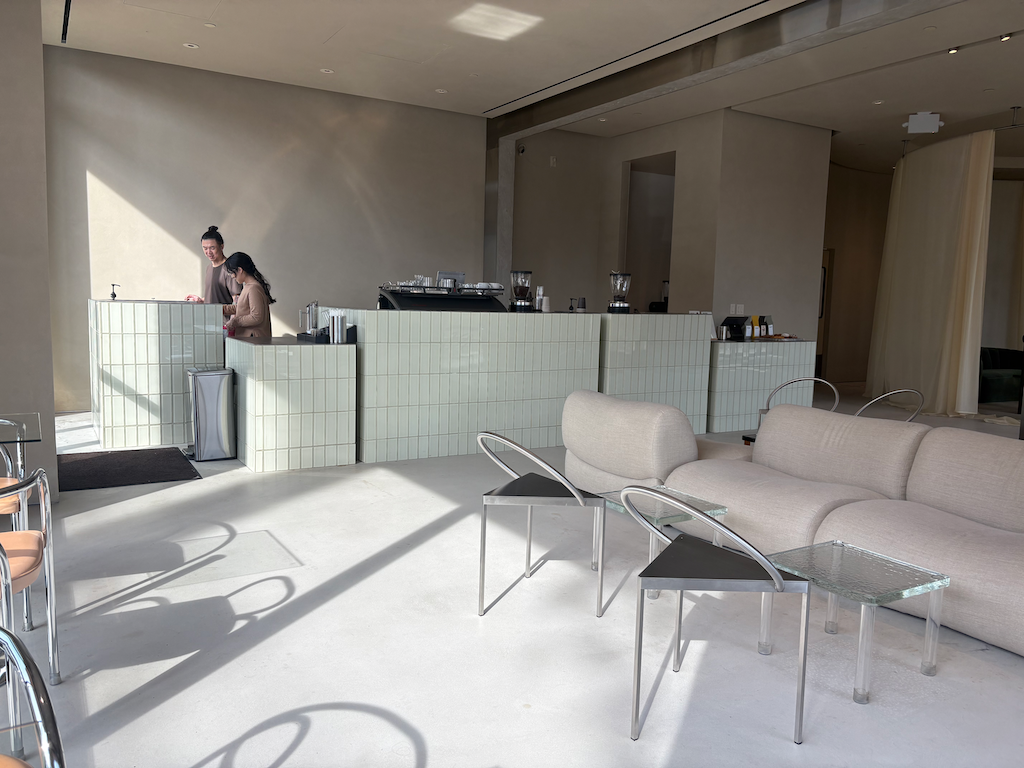
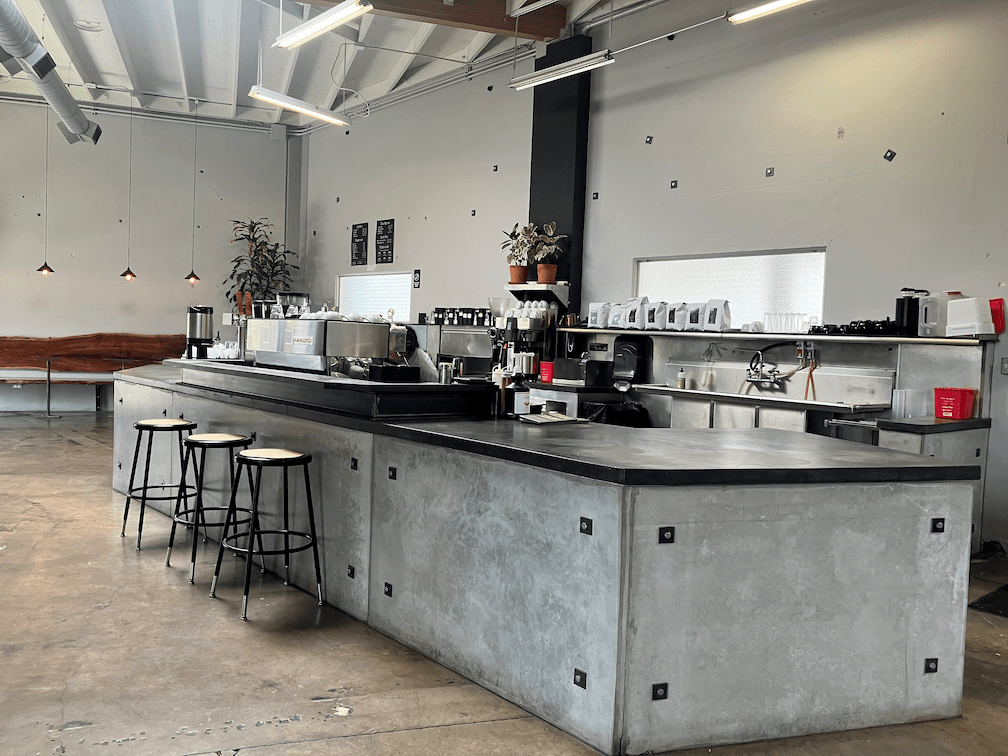
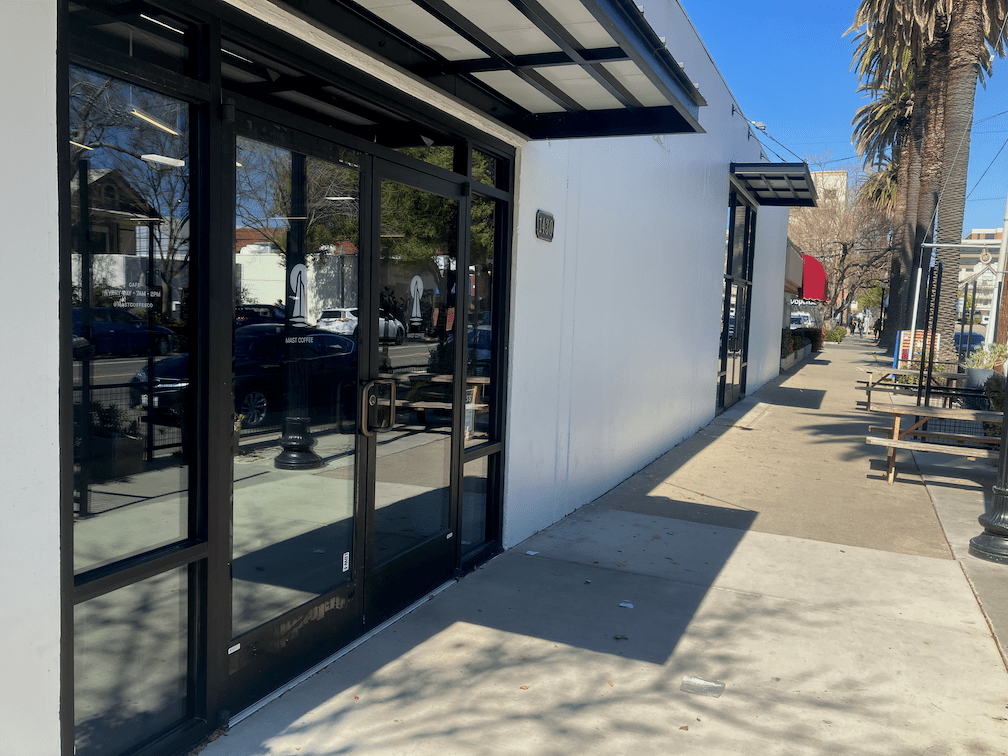
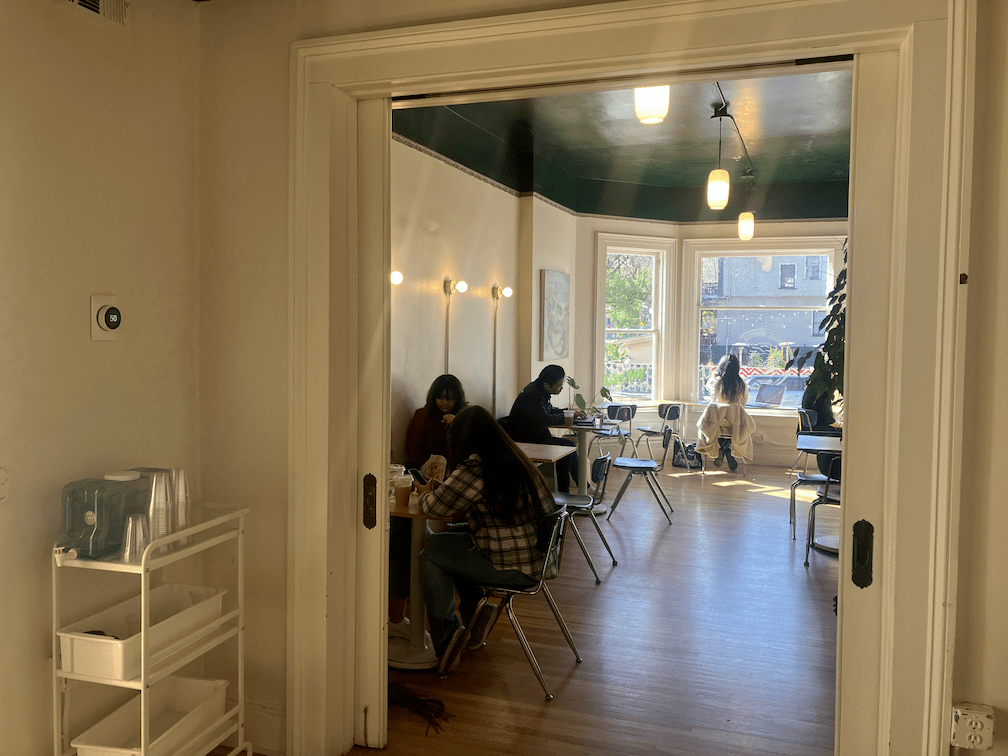
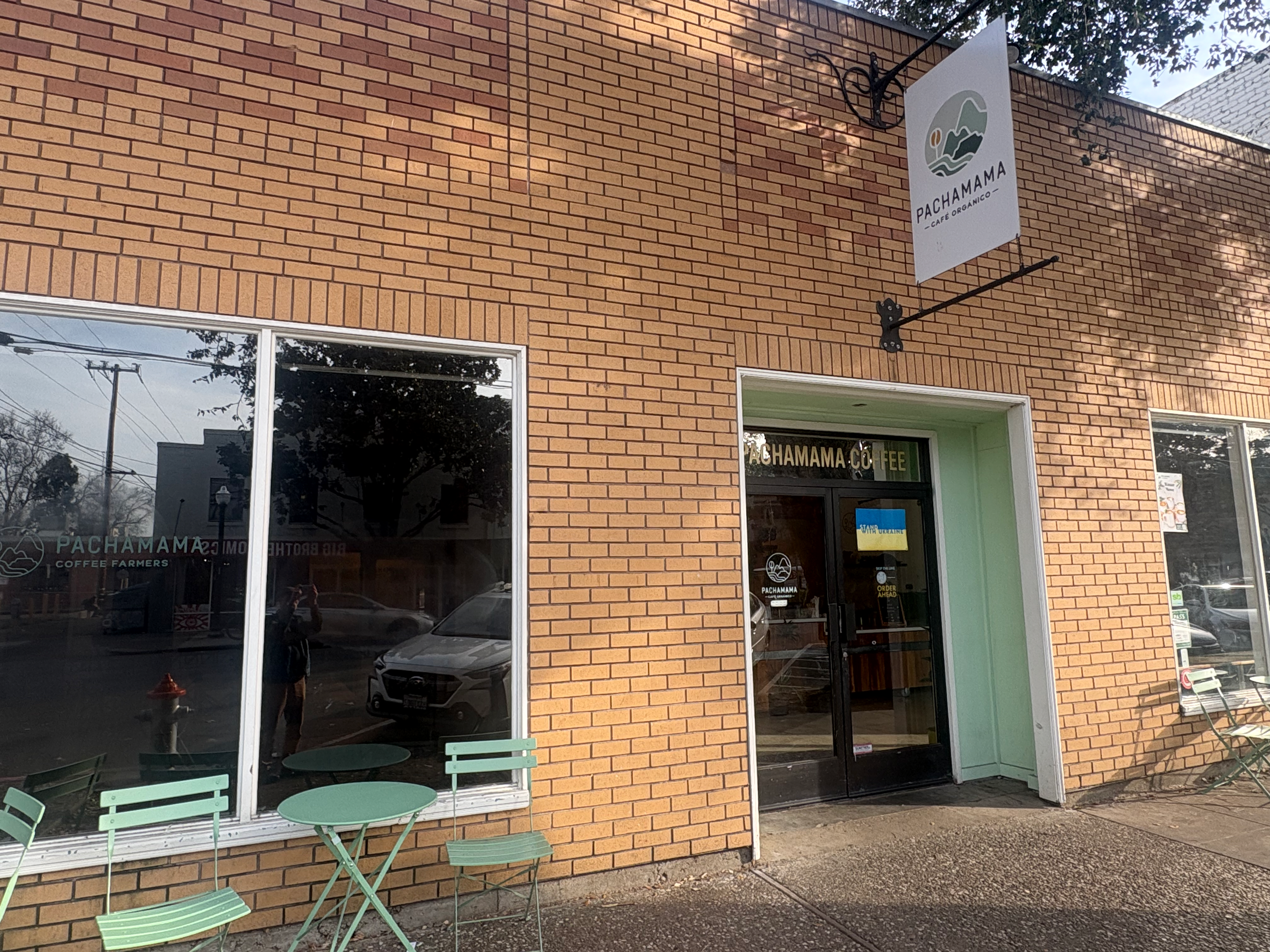
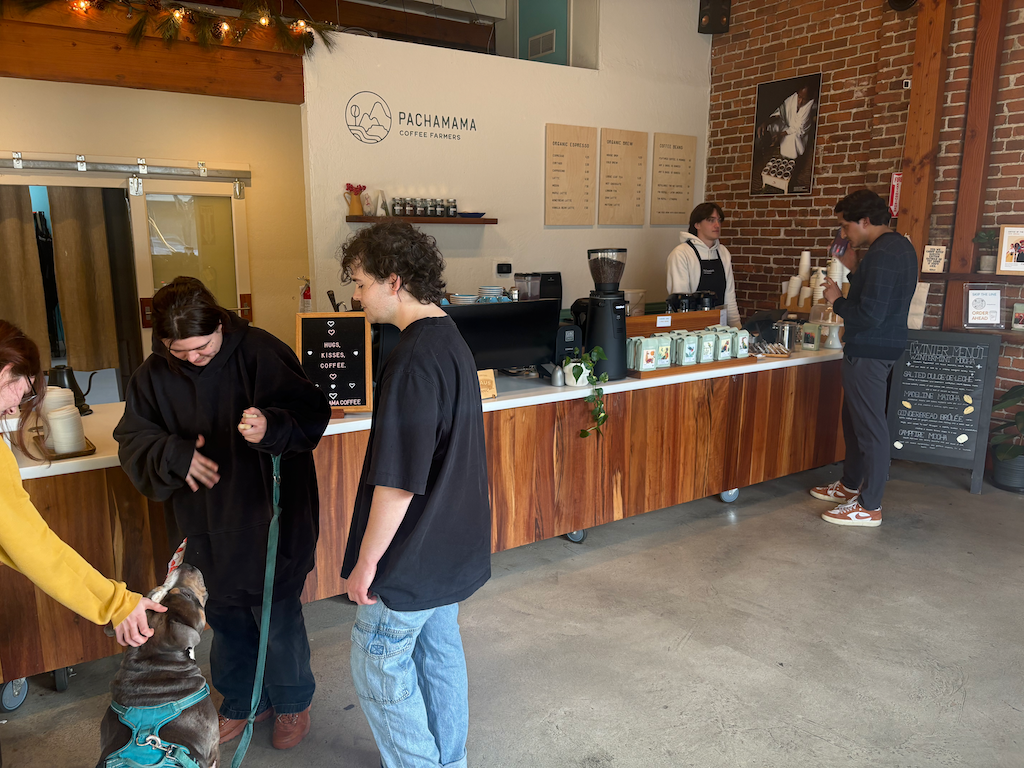
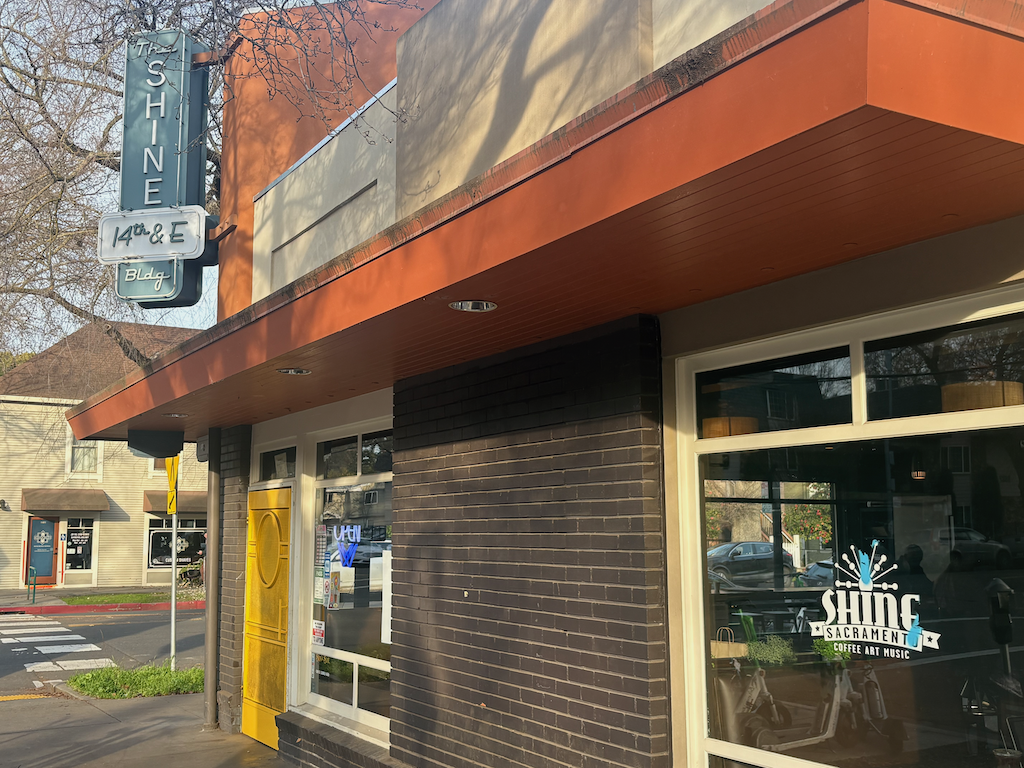
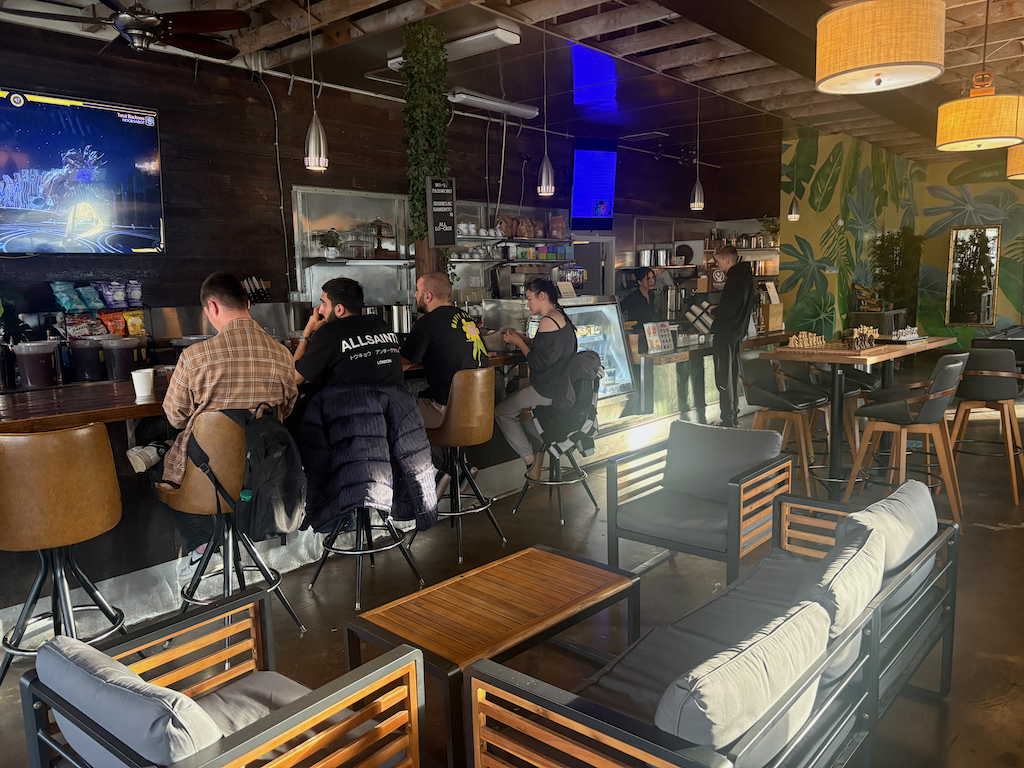
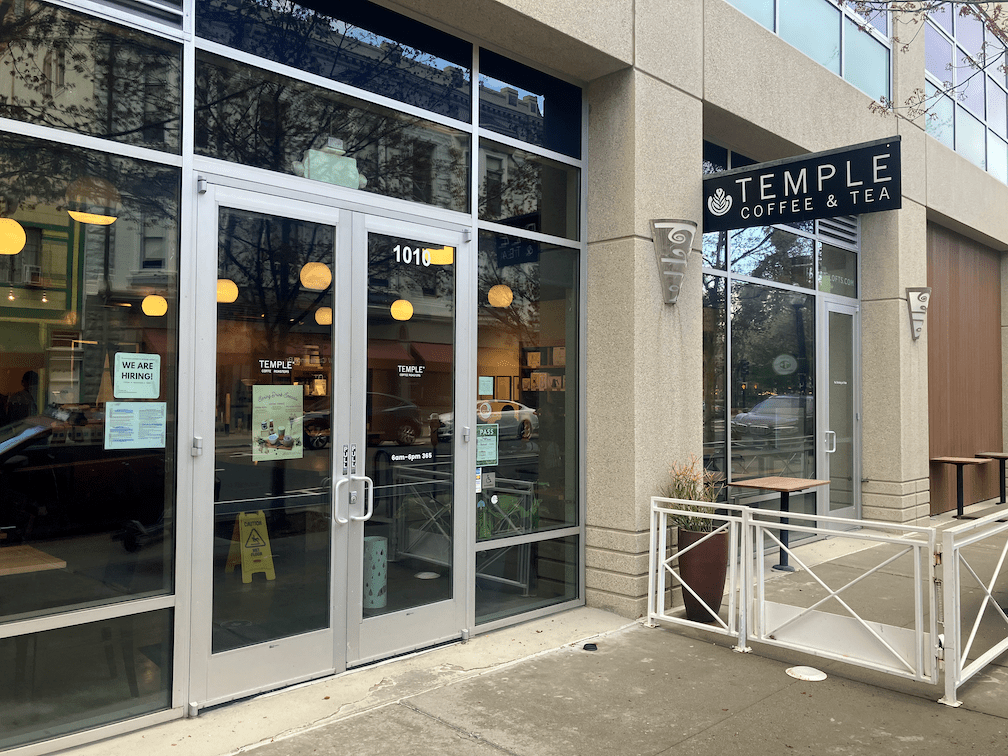
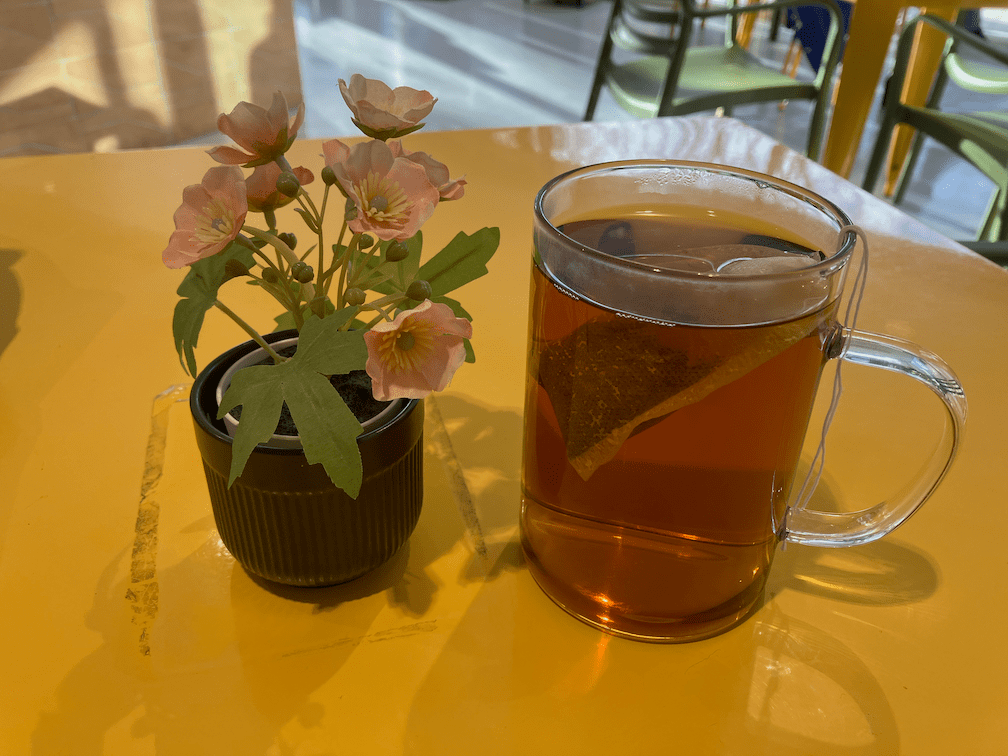
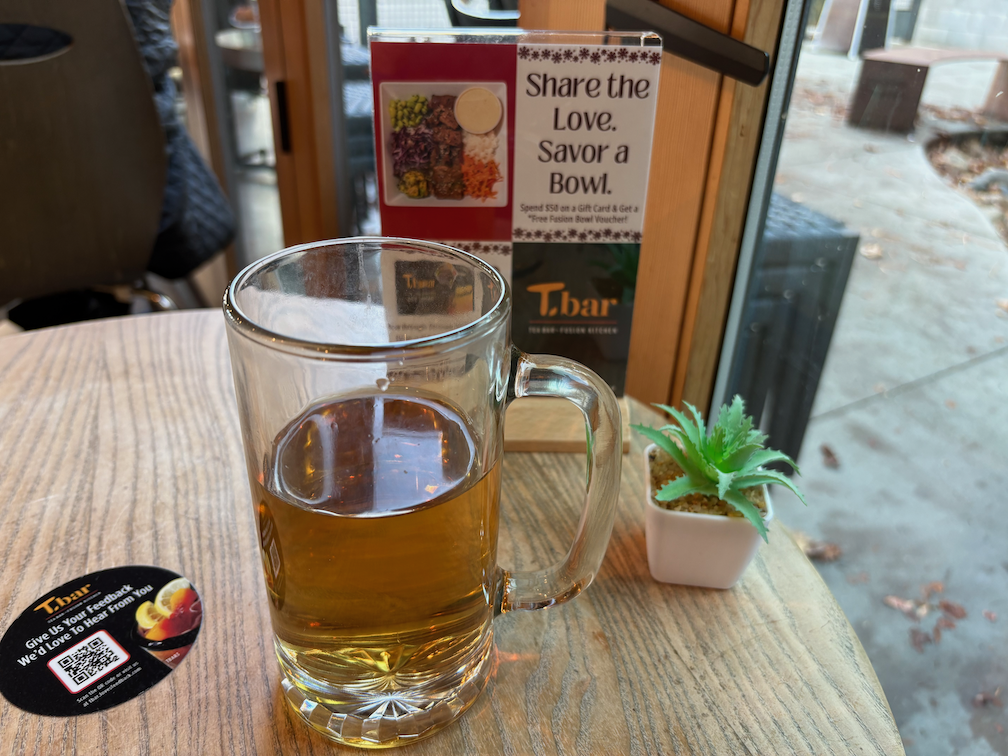
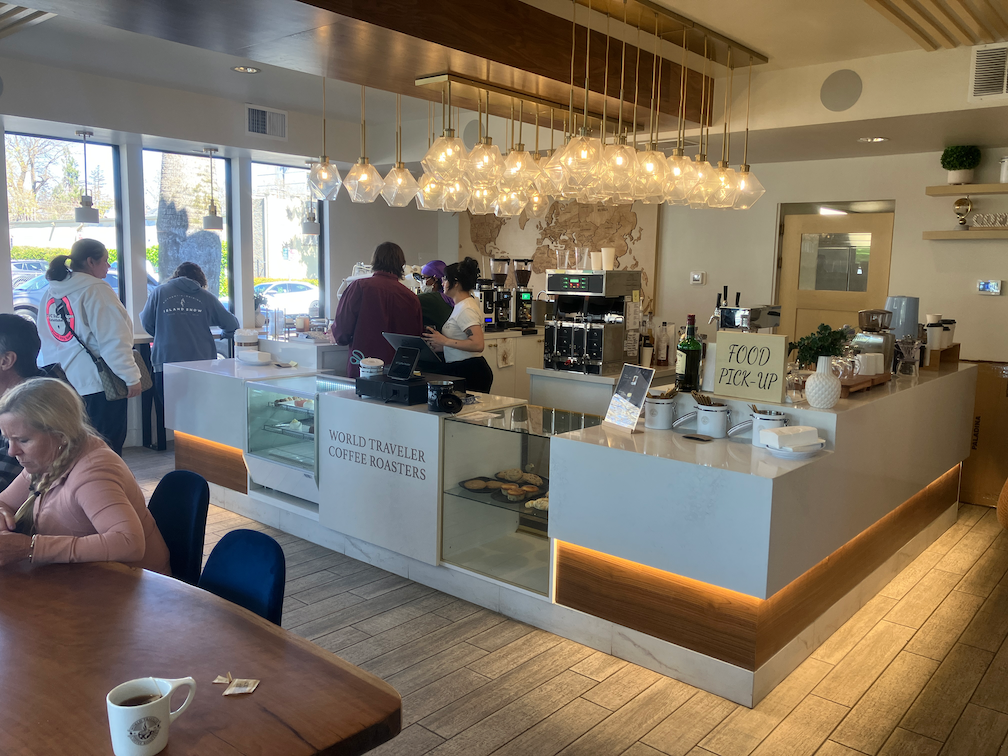
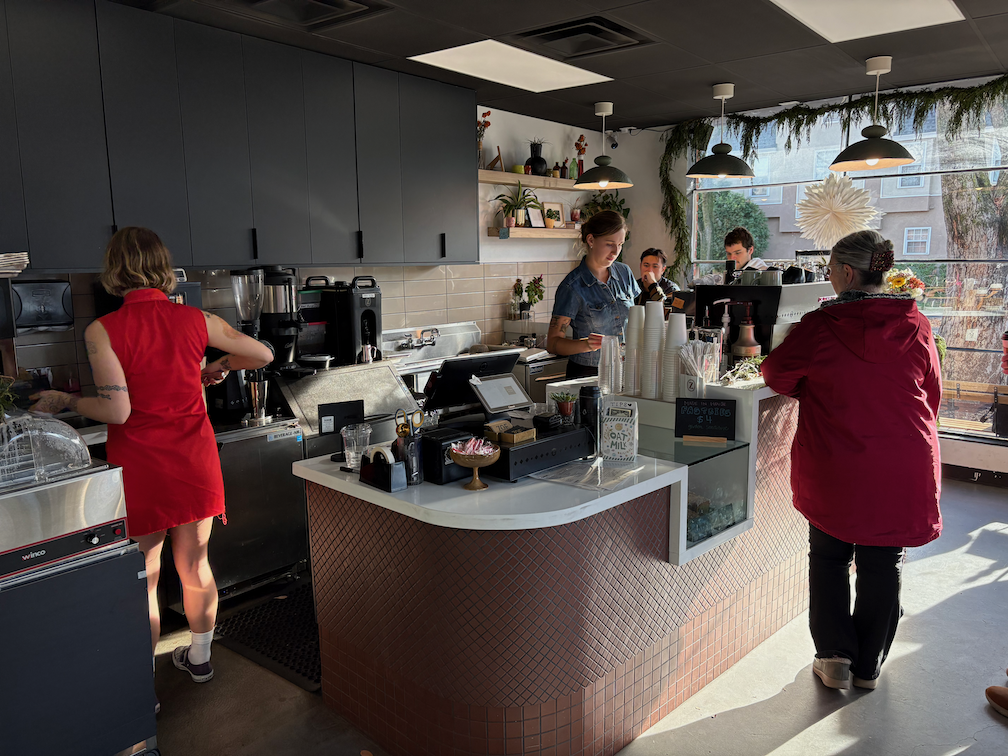
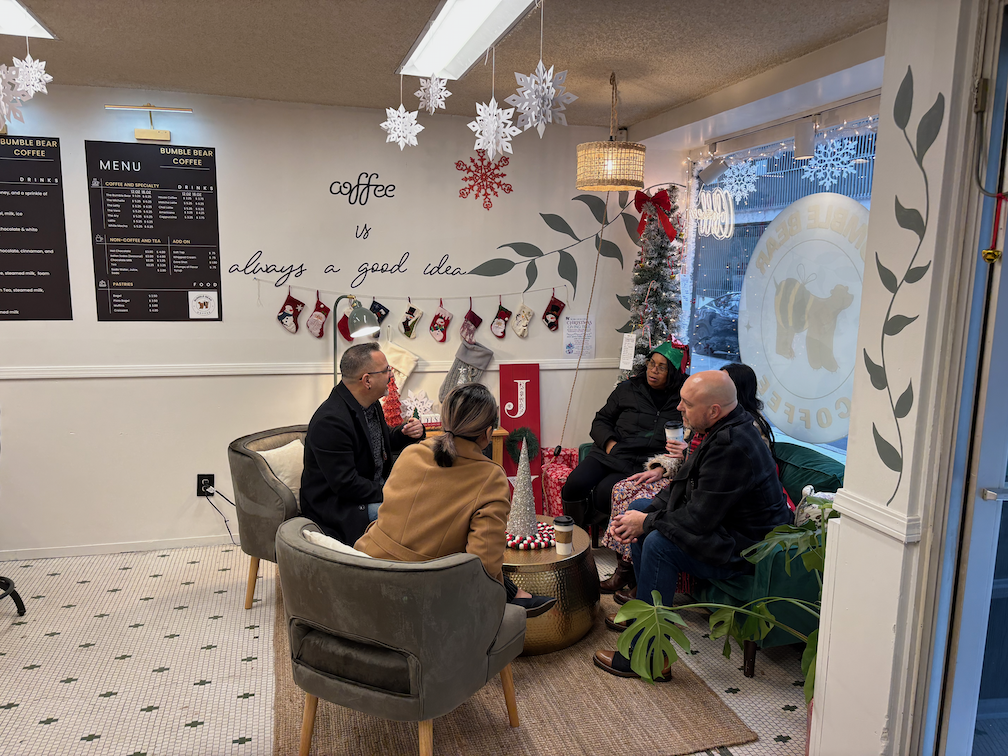
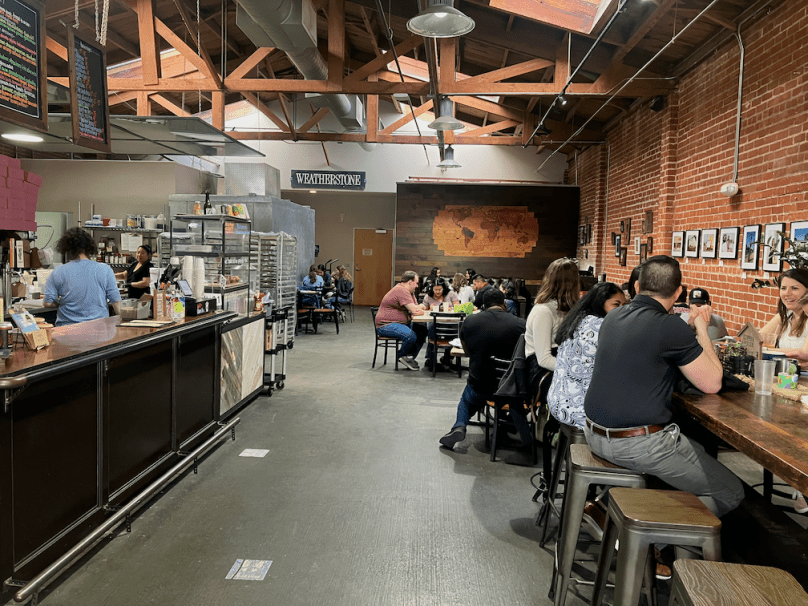
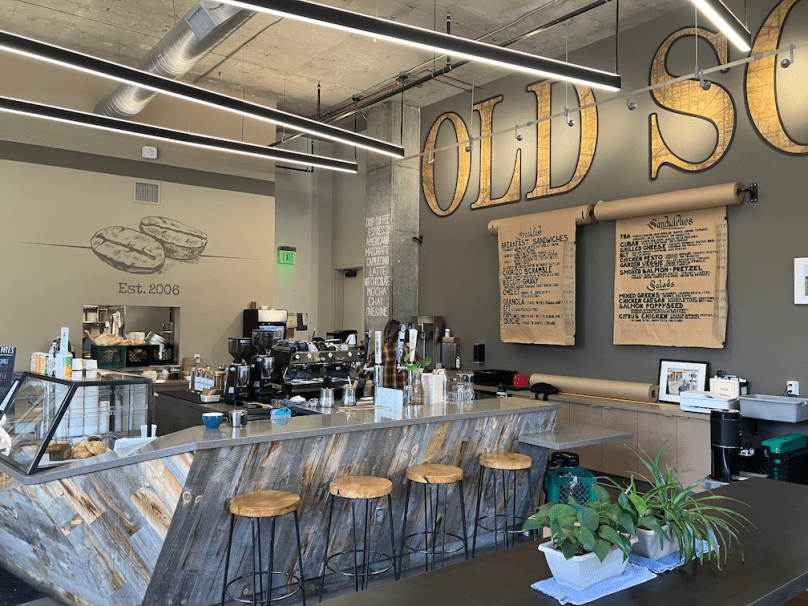
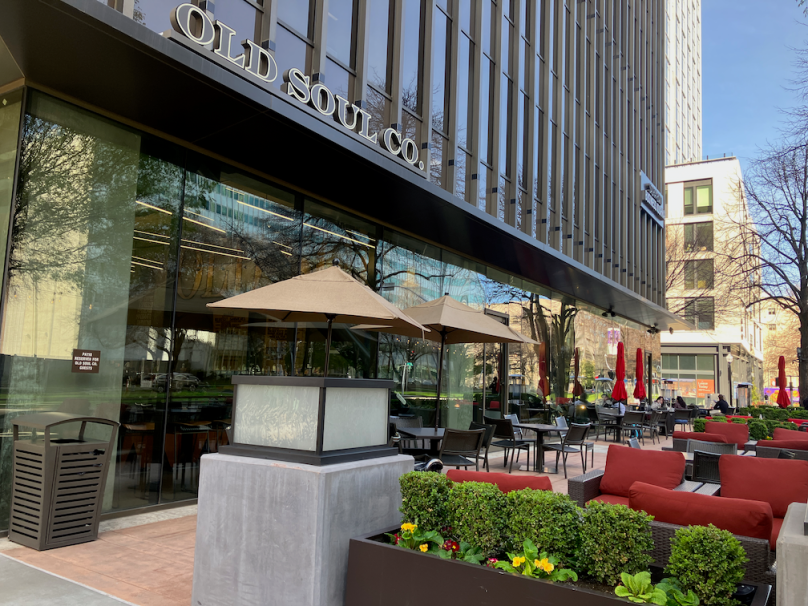
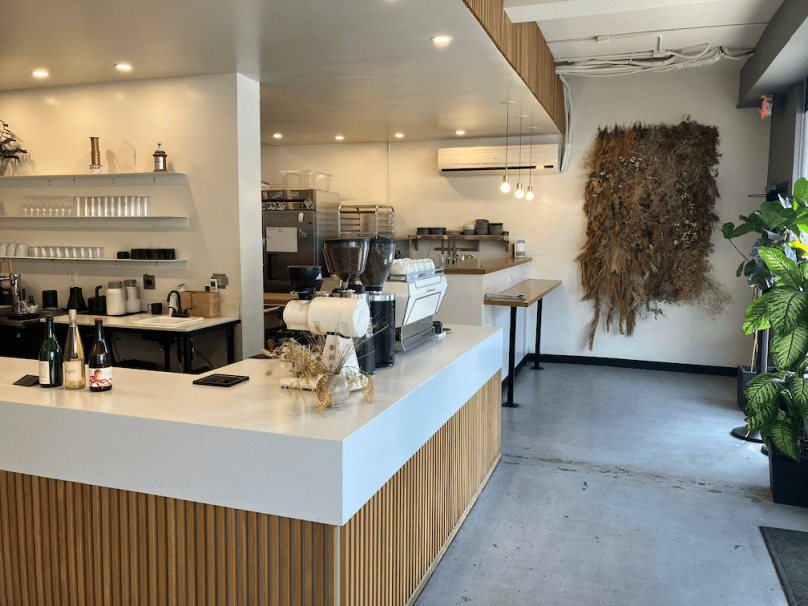
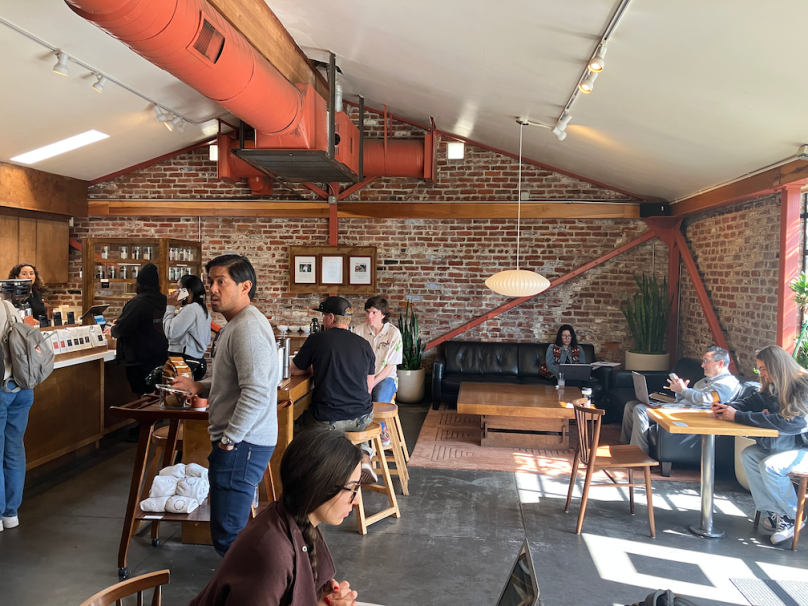
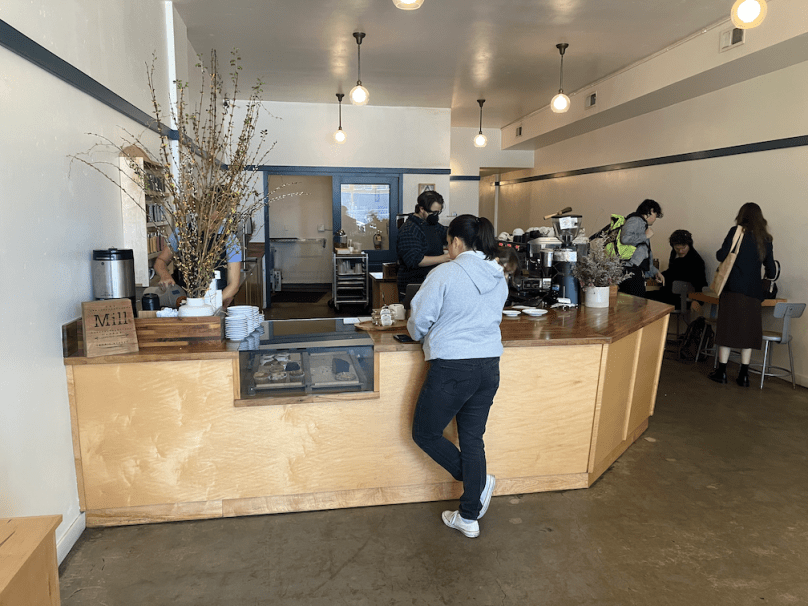
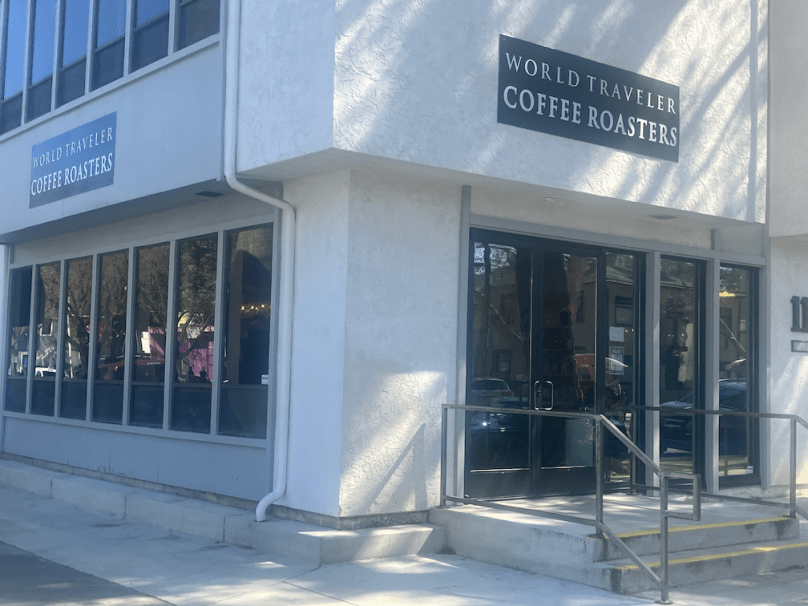
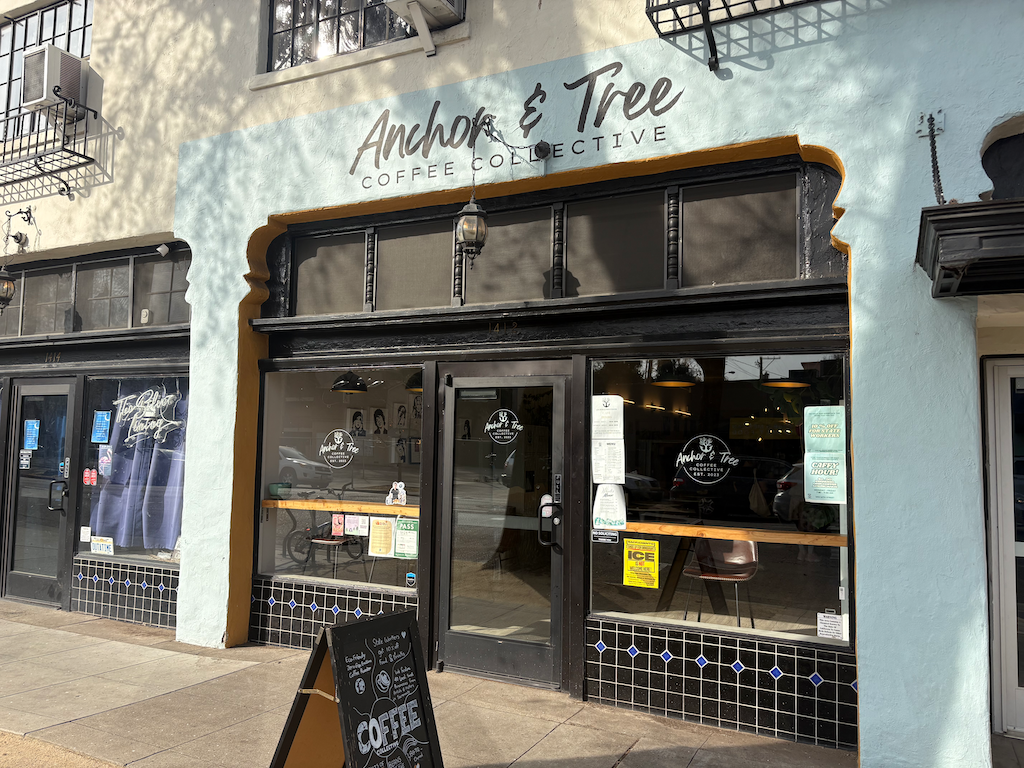
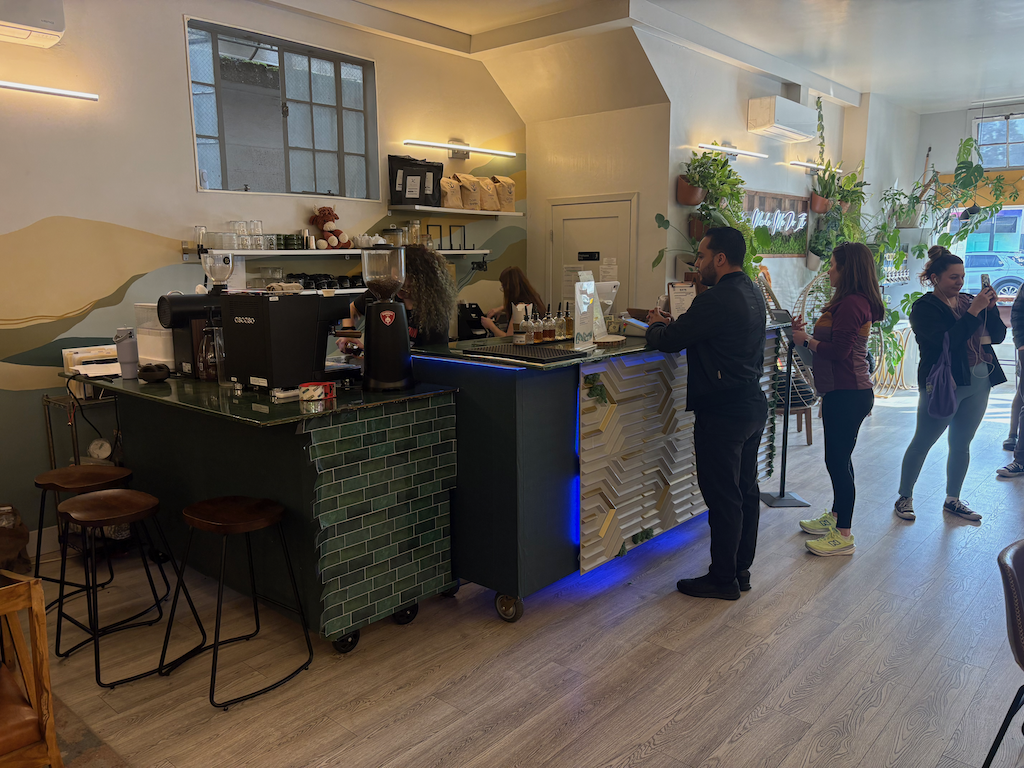
I changed from a slide show to a gallery for coffee shop photos, so that they could be captioned. Captioning is partially complete, and there will be additional photos to come, so check back. The photos are alphabetical by business name, more of less. For photos of business hours, take these with a grain of salt. They were accurate at the time of the photo, but may not be currently.
coffee shops (tea) on the grid: update 2024-12

I first posted on coffee shops on the grid in April 2023, and have made minor updates since then. Time for a more significant update, as there are a number of new coffee shops, and a few have gone. I visited each new coffee shop, and re-visited about half of the older ones. 44 is my current count. The text below is largely the same as the original post, with some minor updates.

table of grid coffee, 2024-12, not clickable

Though the links in the png above look clickable, they are not. You must use the xlsx or pdf versions for links. The columns are what interested me. Reuse means they offer reusable cups for tea and coffee service, outdoor means they offer outdoor seating, and tea indicates my take on the number and variety of teas offered. Hours are to the best of my knowledge, but will vary and change.

Disclaimer up front: I don’t drink and don’t even like coffee, but I do drink and love tea, and the majority of coffee shops offer tea as well, but most other businesses do not. So I can tell you absolutely nothing about the variety or quality of coffee at any of these shops.

I have long believed that the frequency of locally-owned coffee shops is a key indicator of livability and walkability. Though I’ve not done the calculations, I think this measure would be just as effective a ‘walk score’ as the WalkScore offered by Redfin, which uses a complicated and proprietary algorithm to determine walkability, measured as distance to amenities. Note that WalkScore does not assess the walking environment such as presence or condition of sidewalks, and safety of crossing streets.

I live in the Sacramento central city, the area bounded by the Sacramento River to the west, Broadway to the south, Alhambra Avenue to the east, and the railroad tracks to the north. I have focused my coffee shop visits on this area. Though there are certainly coffee shops throughout the urbanized county, the number of locally-owned coffee shops drops off rapidly outside the central city. In much of the suburbs, there are only chain coffee shops such as Starbucks and Peets.

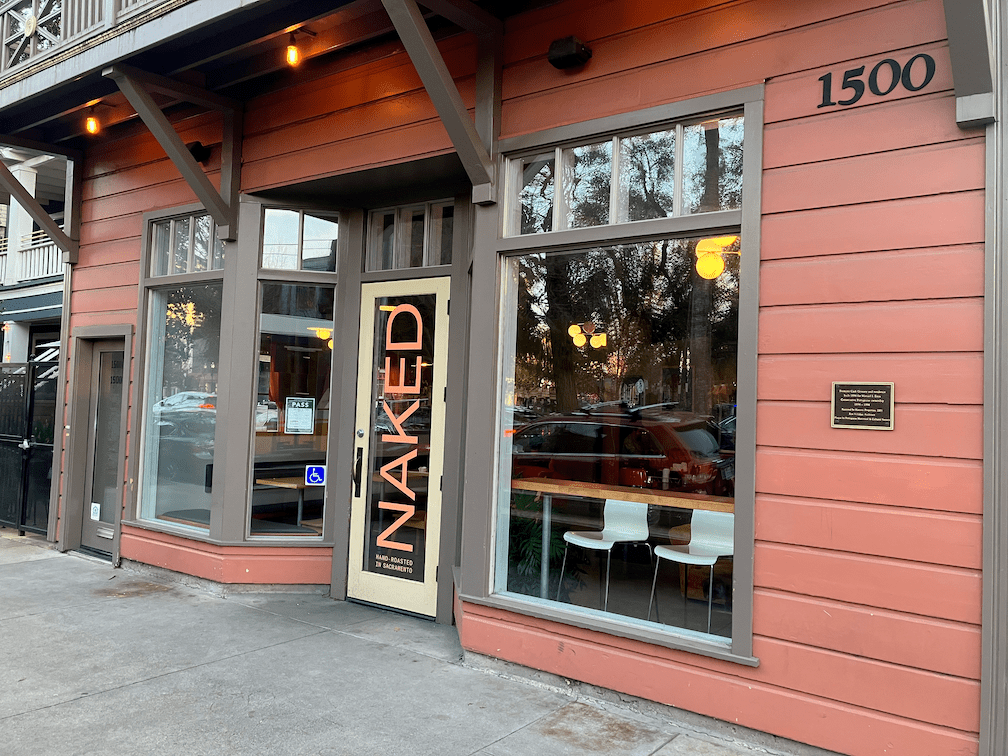
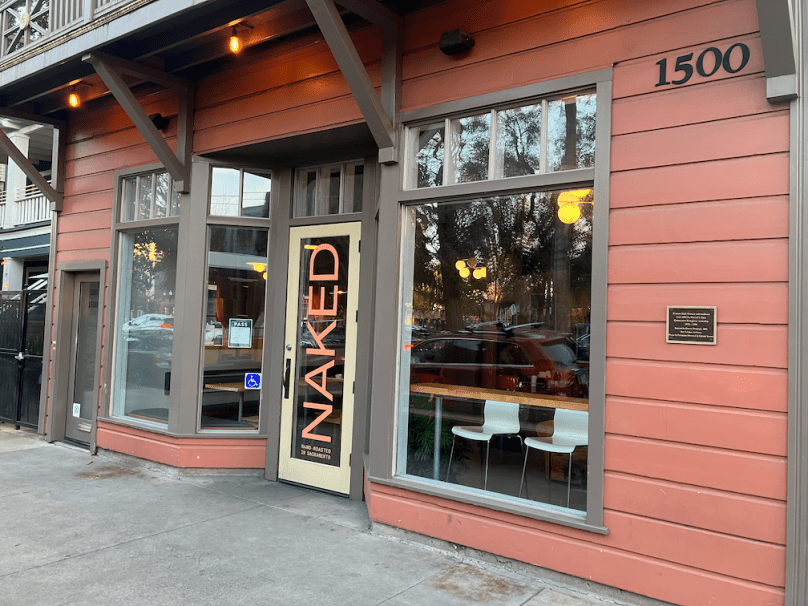
My preferred locally-owned coffee shop is Naked Lounge, on the southeast corner of Q Street and 15th Street, across from Fremont Park. I go there for tea, and for socialization. For those who remember ‘the old days’ when people socialized more and spent less time on their computers, yes, I miss those days. Some days I write in my journal, some days I read, some days I talk to people. I decided to no longer take my laptop to coffee shops, so that I could focus on the above.

If you also like to drink tea at home, as I do, I recommend Tea Cozy, 1021 R Street, next to Fox and Goose, with a very large and diverse offering of bulk and packaged teas. And in Davis, Mishka’s Cafe, 610 2nd Street, offers a selection of brewed tea unparalleled in the region, so far as I know.

I changed from a slide show to a gallery for coffee shop photos, so that they could be captioned, though that work is only partially done.

coffee shops (tea) on the grid

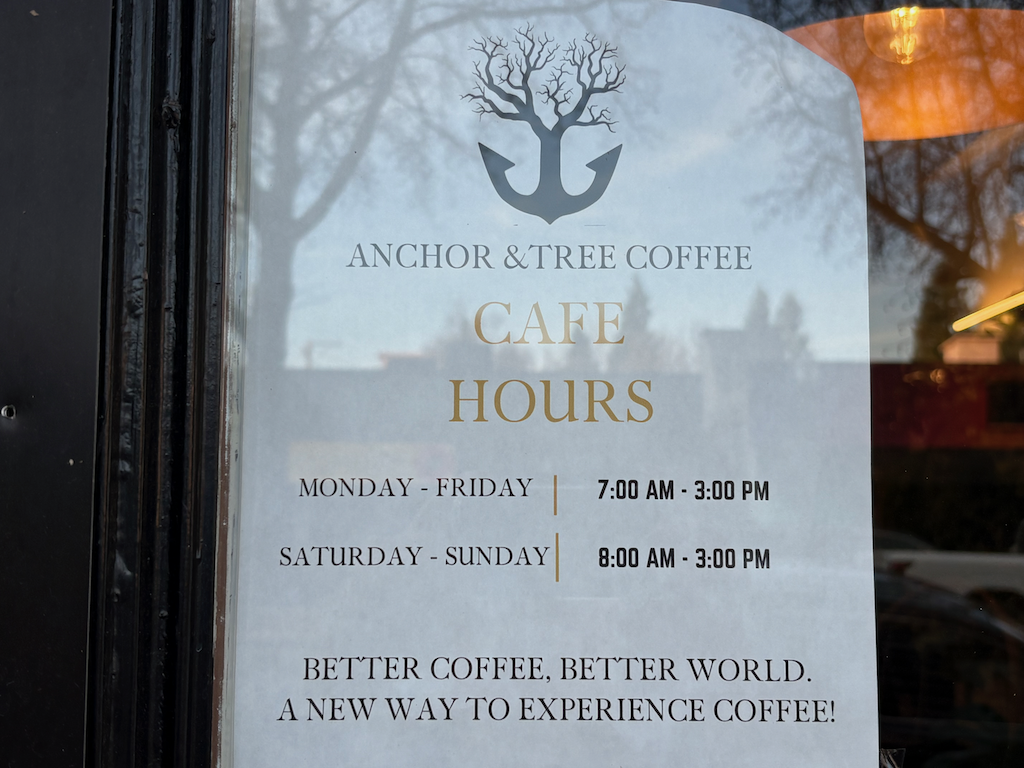
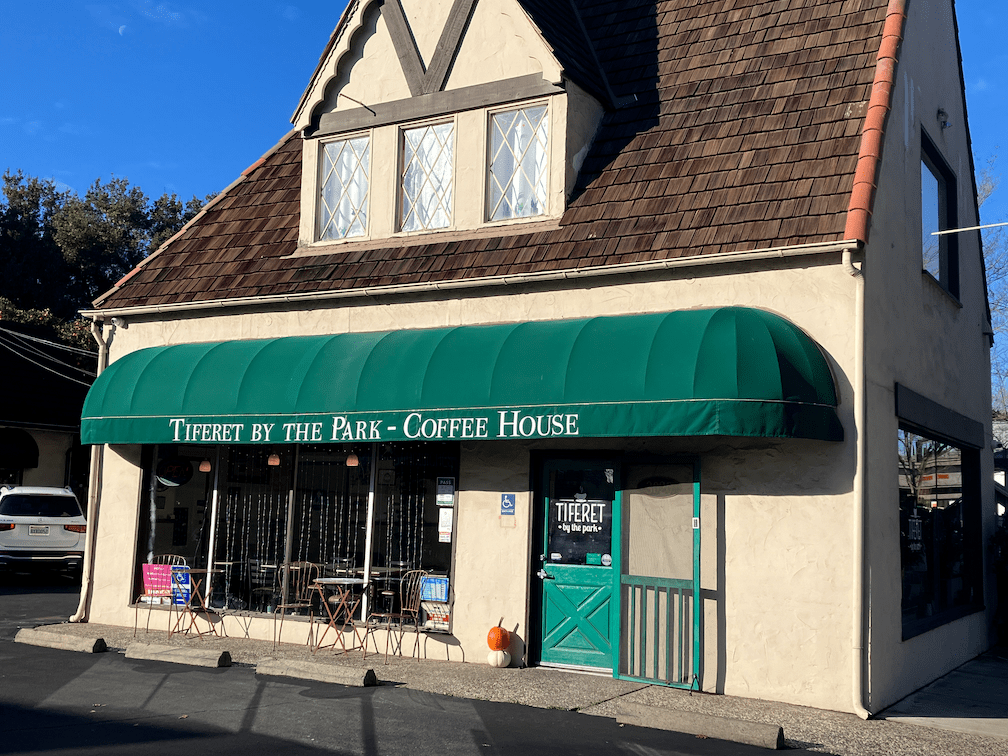
2024-01-07 update since the original post: Anchor and Tree Coffee (16th St) has soft opened, Flow State Coffee has closed, Milka Coffee has a second location on R St, Pressed is probably closing and has shorter hours, Tupi Coffee has moved to 8th St, and I missed Tiferet on the Park Coffee on H St in my original post. The spreadsheet and slide show have been updated and will be further. Note that the spreadsheet image seems to offer clickable links, but does not; you must use one of the other formats.

Disclaimer up front: I don’t drink and don’t even like coffee, but I do drink and love tea, and the majority of coffee shops offer tea as well, but most other businesses do not. So I can tell you absolutely nothing about the variety or quality of coffee at any of these shops.

I have long believed that the frequency of locally-owned coffee shops is a key indicator of livability and walkability. Though I’ve not done the calculations, I think this measure would be just as effective a ‘walk score’ as the WalkScore offered by Redfin, which uses a complicated and proprietary algorithm to determine walkability, measured as distance to amenities. Note that WalkScore does not assess the walking environment such as presence or condition of sidewalks, and safety of crossing streets.

I live in the Sacramento central city, the area bounded by the Sacramento River to the west, Broadway to the south, Alhambra Avenue to the east, and the railroad tracks to the north. I have focused my coffee shop visits on this area. Though there are certainly coffee shops throughout the urbanized county, the number of locally-owned coffee shops drops off rapidly outside the central city. In much of the suburbs, there are only chain coffee shops such as Starbucks and Peets.

My preferred locally-owned coffee shop is Naked Lounge, on the southeast corner of Q Street and 15th Street, across from Fremont Park. I go there for tea, and for socialization. For those who remember ‘the old days’ when people socialized more and spent less time on their computers, yes, I miss those days. Some days I write in my journal, some days I read, some days I talk to people, and yes, some days I too work on my computer.

If you also like to drink tea at home, as I do, I recommend Tea Cozy, 1021 R Street, next to Fox and Goose, with a very large and diverse offering of bulk and packaged teas. And in Davis, Mishka’s Cafe, 610 2nd Street, offers a selection of tea unparalleled in the region, so far as I know.

Below is the table I compiled, along with pdf, Numbers, and xlsx versions. The columns are what interested me, and the ratings are entirely my own, not based on any scale. Reuse means they offer reusable cups for tea and coffee service, outdoor means they offer outdoor seating, and tea indicates my take on the number and variety of teas offered.

grid coffee spreadsheet static image

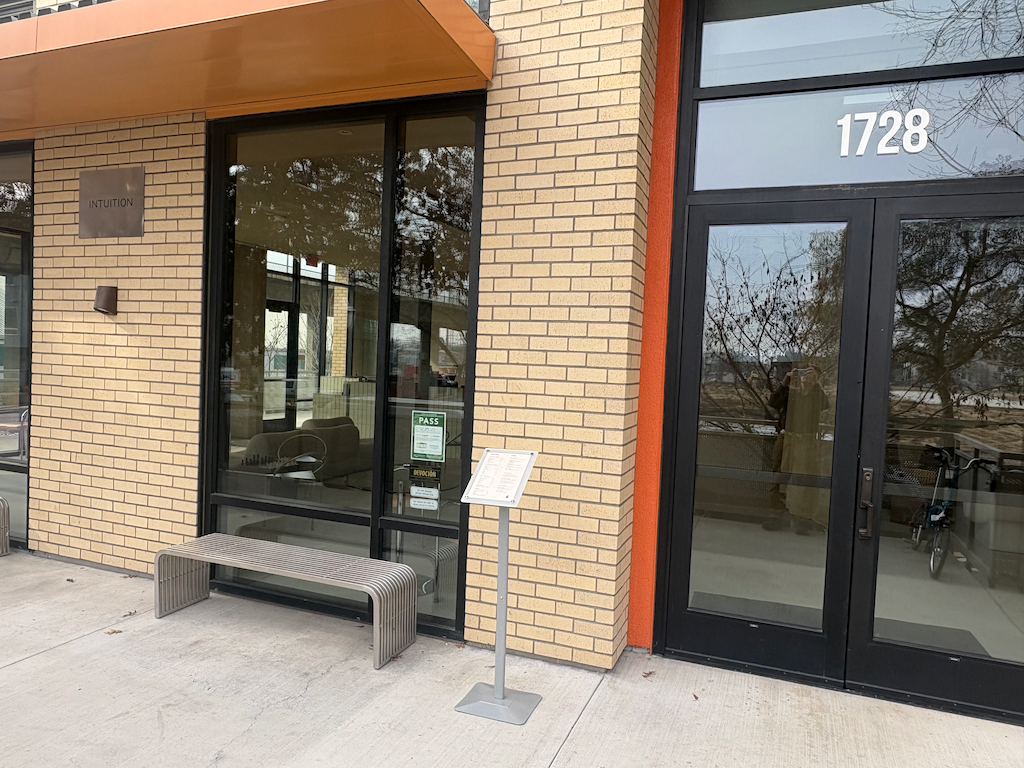
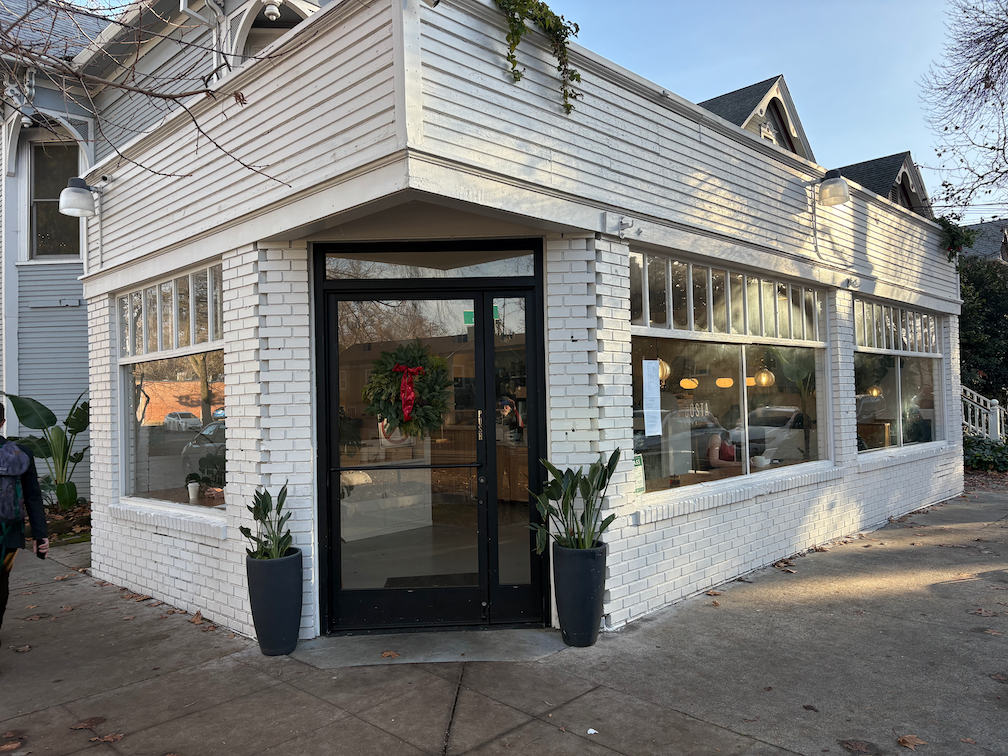
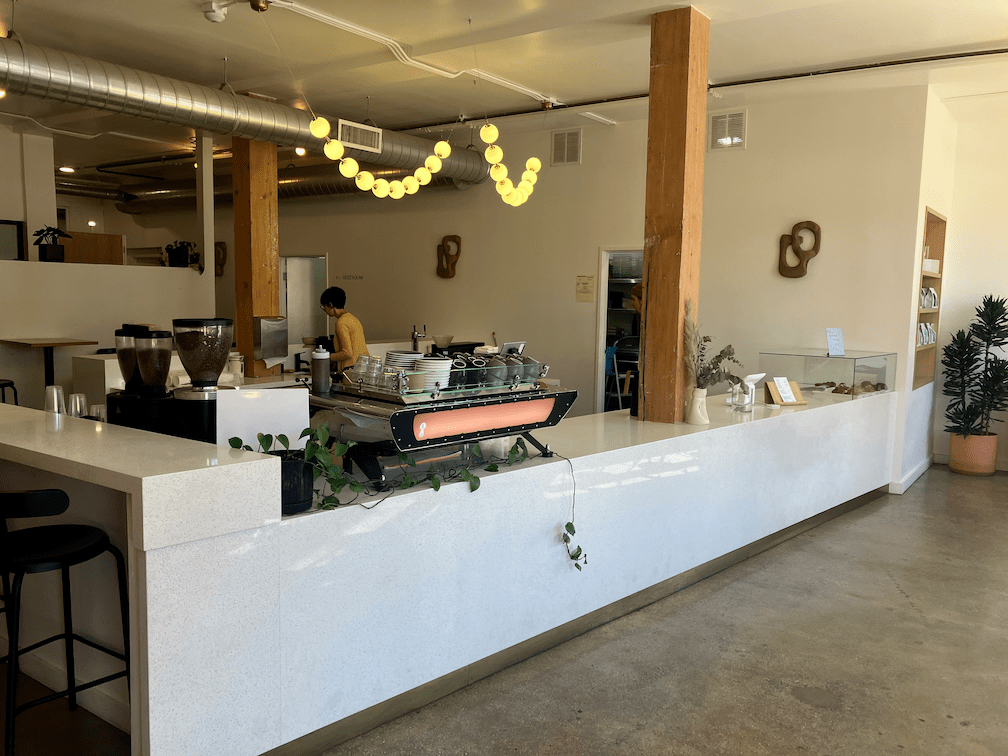
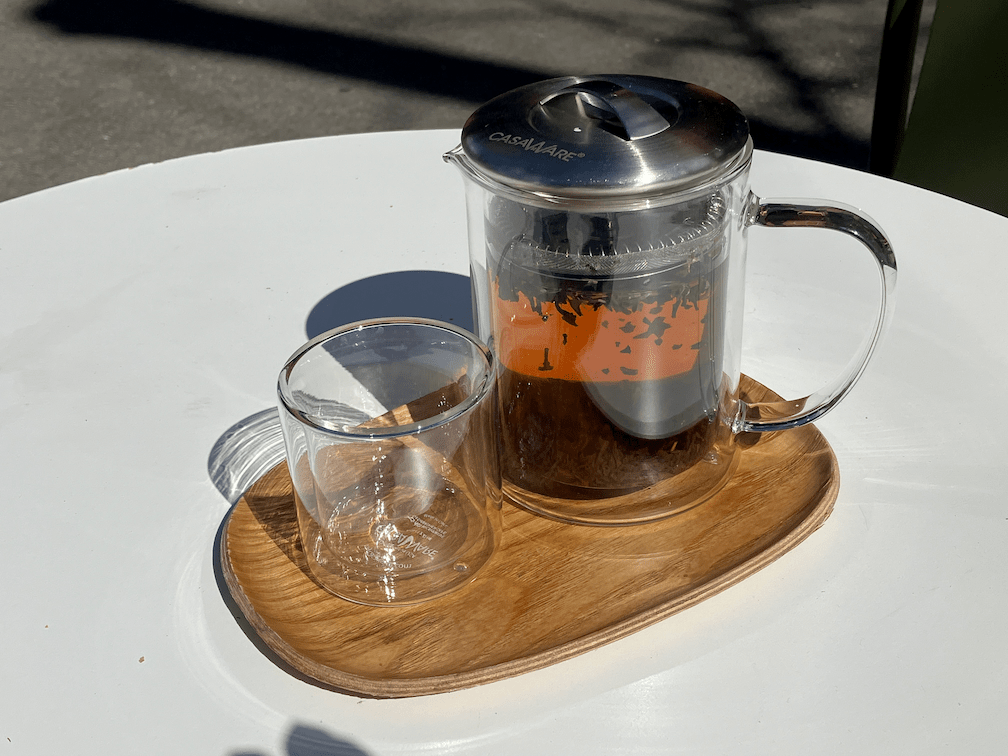
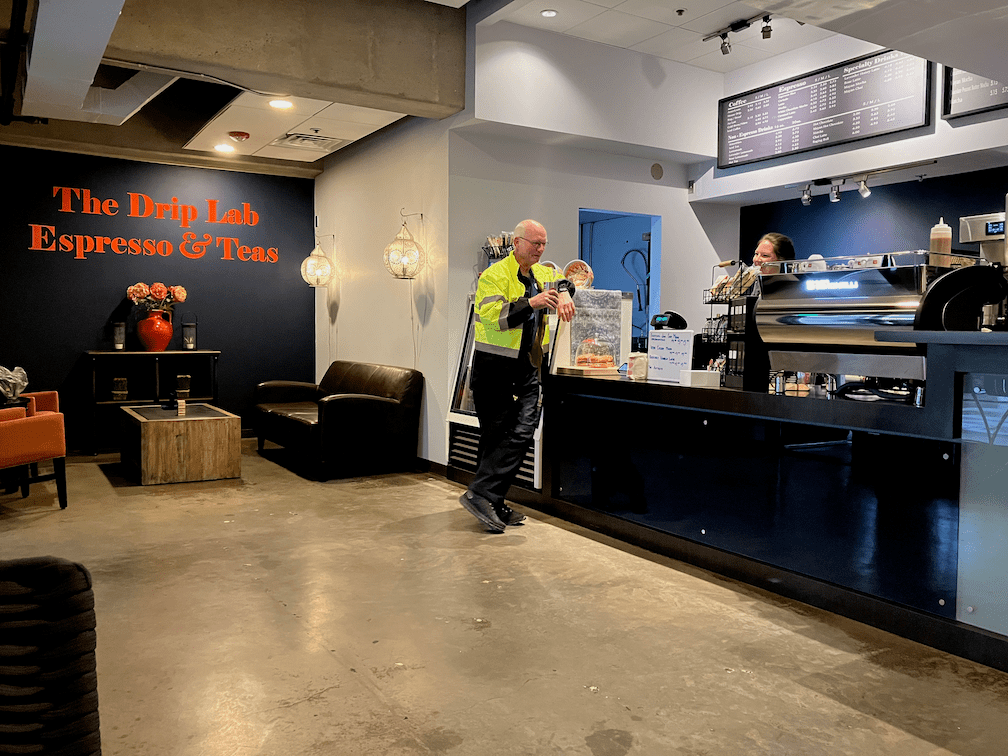
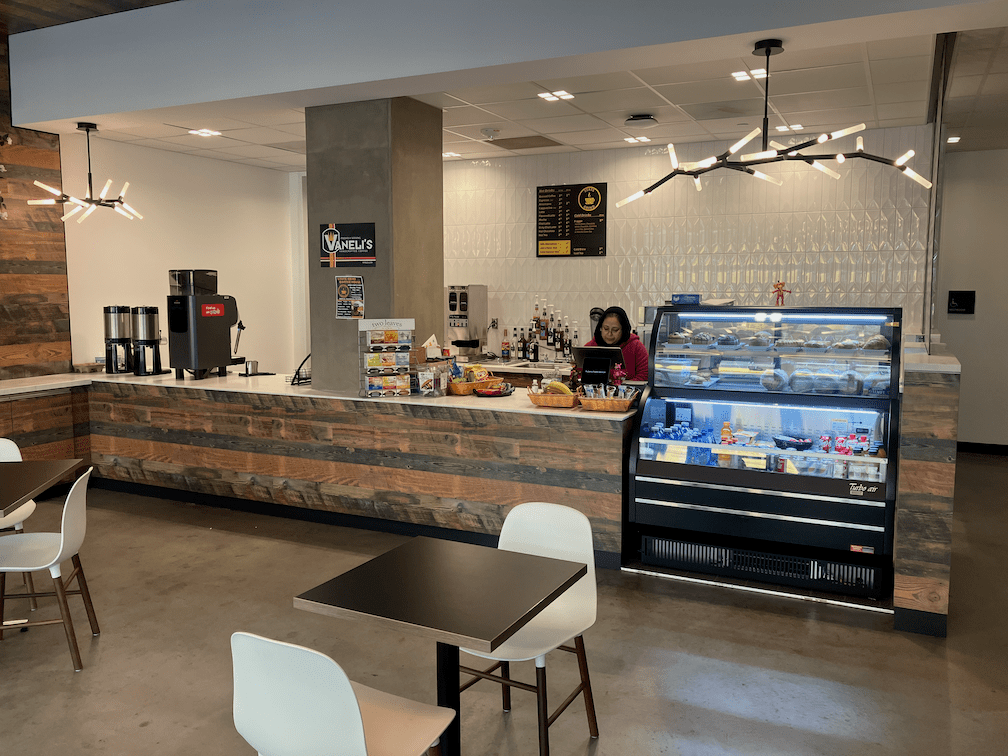
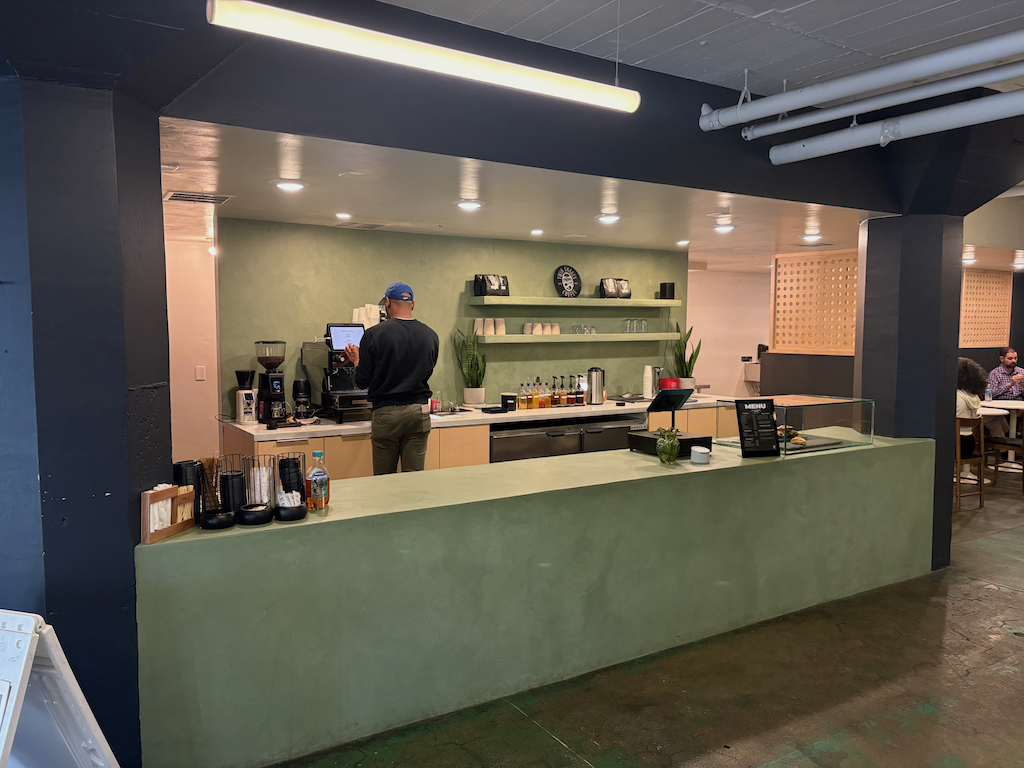
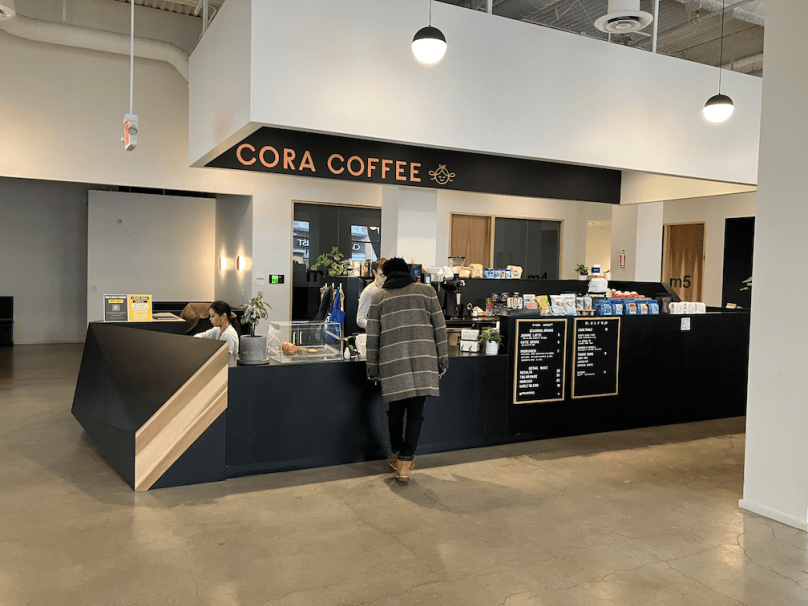
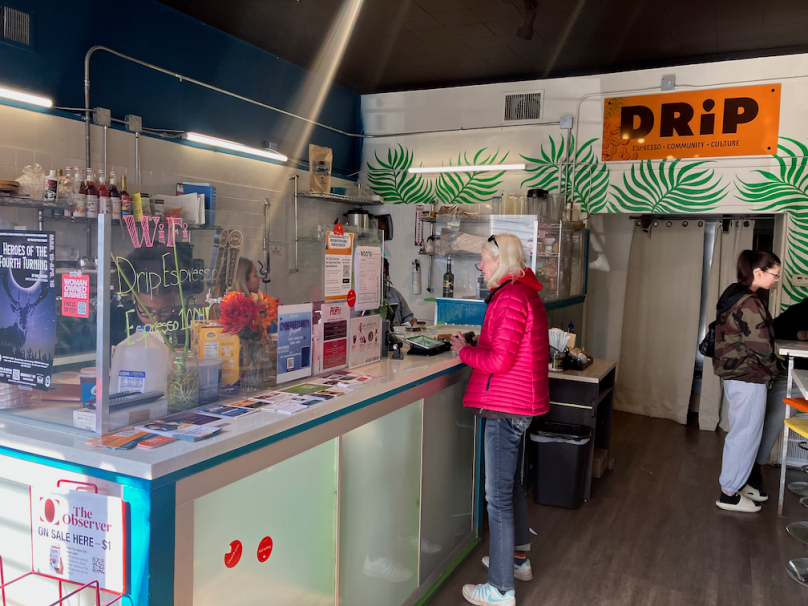
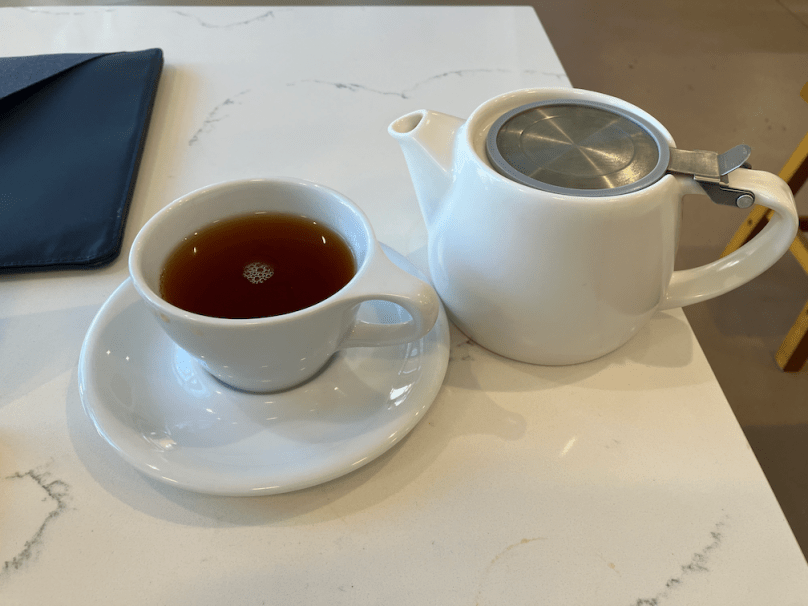
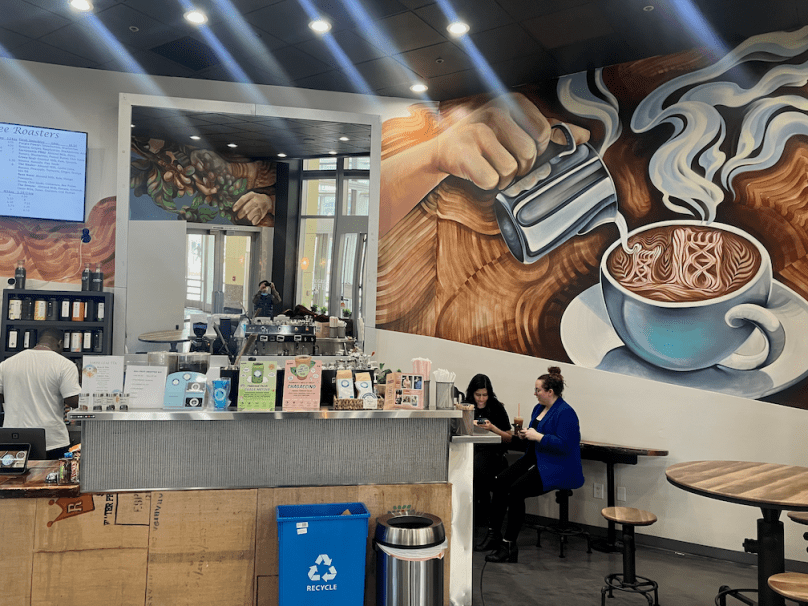
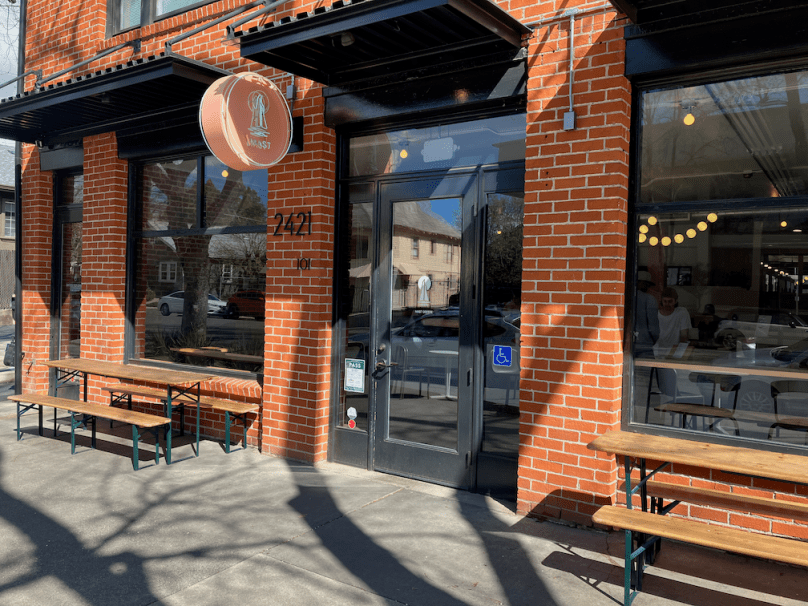
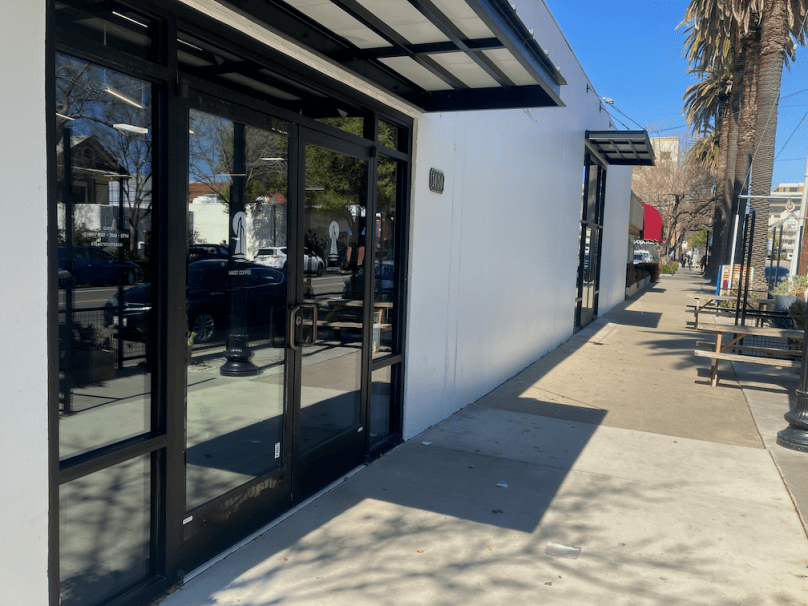
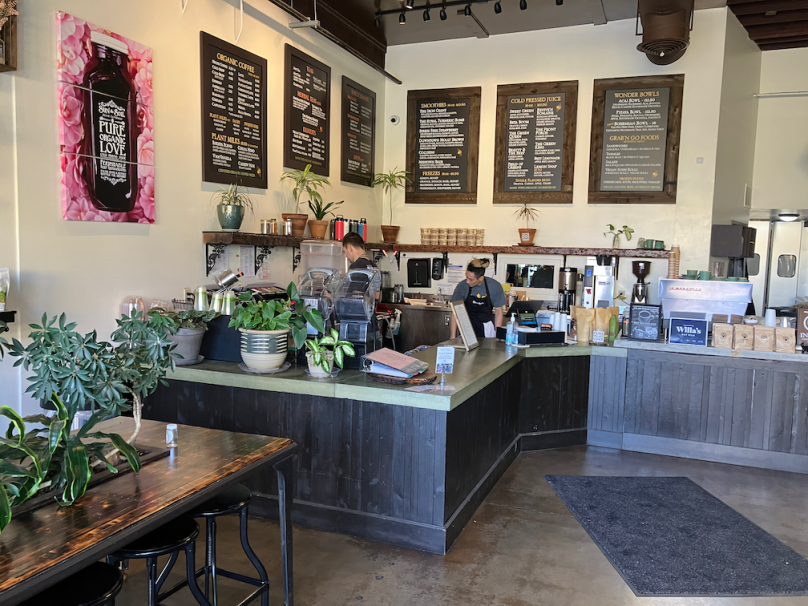
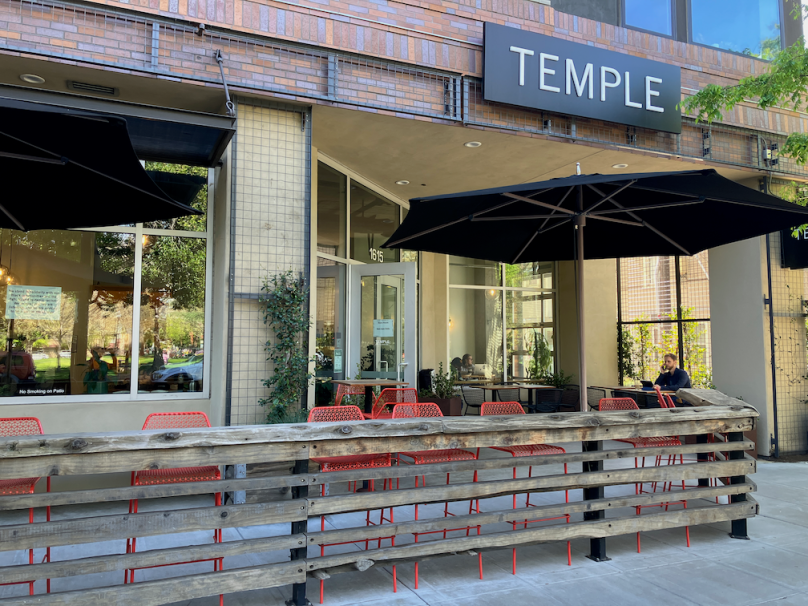
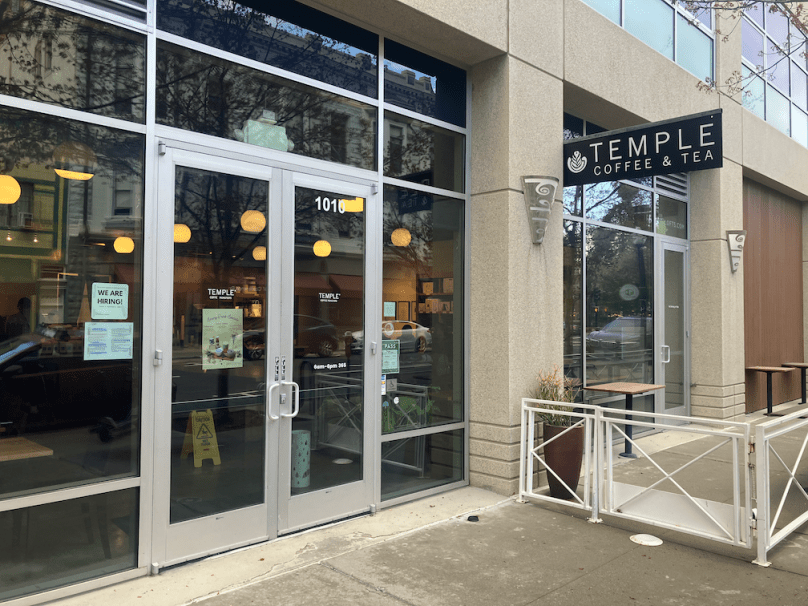
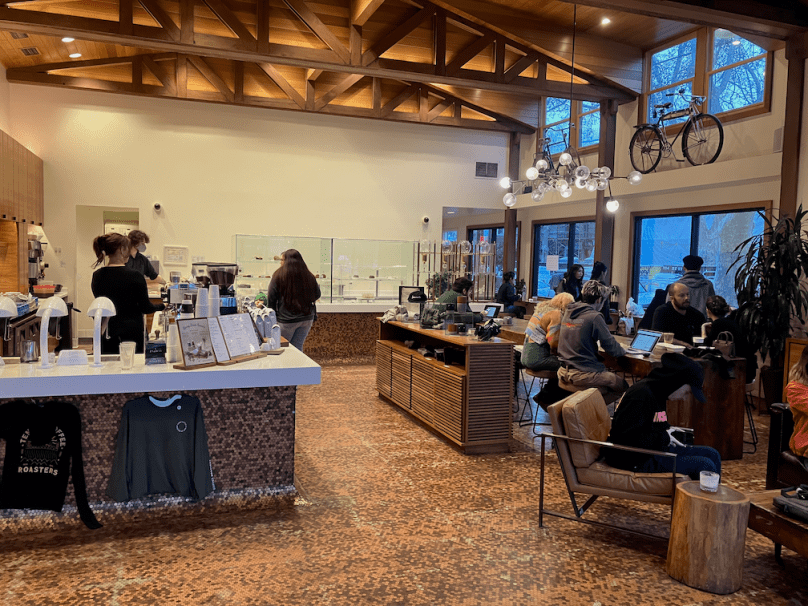
I visited each coffee shop location on the grid. I attempted to take a photo of each, outside and inside. I also started taking photos of the tea service, but didn’t start at the beginning so only a few are in the slideshow.

Grids are Good

This post was inspired by one on Strong Towns: Grids are Good. I’ve written about grids before (re-gridding Sacramento, trenching and decking Interstate 5, Sacramento Riverfront Reconnection, Phase 1) but it is a topic worth repeating.

The Sacramento central city is a complete grid, and so are some areas to the east and south of the central city, but the grid is broken by Hwy 50 to the south and Business 80 (Capitol City Freeway) to the east. The further from the central city one gets, the less likely there is to be a grid. Often major arterials still are on a grid, but not always, even some of them are broken. All of the freeways limit crossings. Local streets that used to go through do not. In general, the lower the income of the neighborhood, the fewer streets are carried through by underpasses or overpasses. This was an intentional design by Caltrans, intended to break up lower income neighborhoods and to isolate them from higher income neighborhoods. The principles of redlining were not just about home loans.

In a region with two major rivers, the American and Sacramento, the grid will of course be limited. However, I will point out that the Sacramento region has three bridges across the Sacramento and nine bridges across the American. Portland, a city of similar population but a bit less sprawling, has 12 bridges over just one river, the Willamette.

I worked for several years in the City of Citrus Heights. The saying was ‘it doesn’t go through’. Very few streets are through streets, and there is really nothing resembling a grid at all. This is not an accident, it was an intentional design decision by the county and developers to create street system that didn’t connect, because it was thought to provide a feeling of ruralness, of a peaceful suburb. Of course to get anywhere, everyone has to drive everywhere, so every street has too much traffic, and the major roads are congested much of the time. Ironically, the one remaining historically rural/agricultural part of the county, Orangevale, has a better street grid that any other suburb in the county.

Railroads also break up the grid. In many cases, though, the railroad alignments predate most of the development.

The lack of a grid is why our transportation system does not work well, why our transit system does not work well. Though there are opportunities here and there to reconnect or create a grid, the lack of a grid is something we will have to live with, forever, or at least until the ungridded suburbs die of their own weight (meaning not enough tax income to sustain them).

This is a superficial analysis. I would like like to get more specific about locations where the roadways network was intentionally broken or designed to be broken, and where the grid could be healed.

excess car capacity!

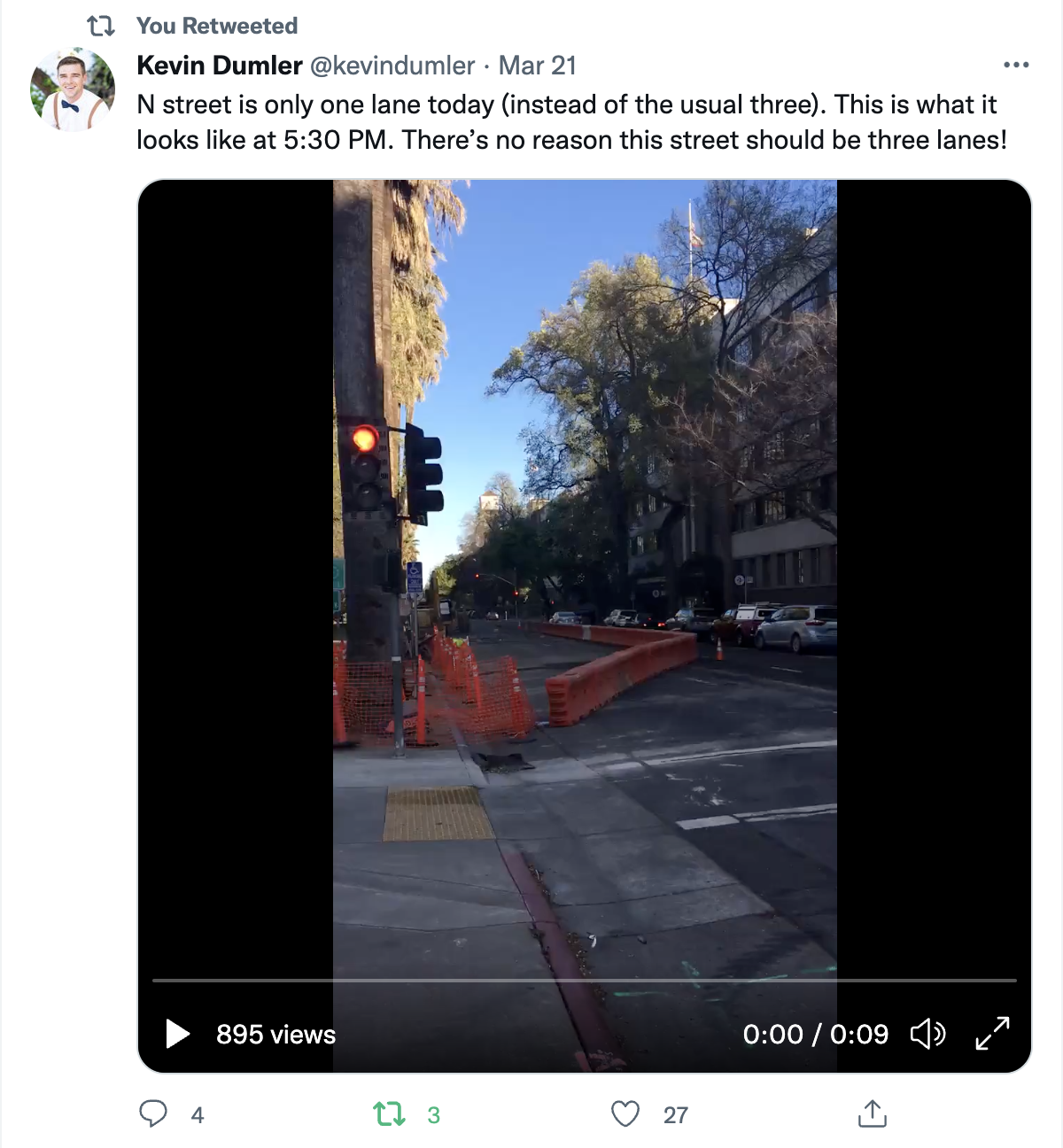
Kevin Dumler posted this to Twitter, and it caused me to pay more attention to all the utility and construction projects going on in the central city that have reduced general purpose travel lanes (car lanes). What follows are some photos of other locations.

10th St past P St, lane reduction two to one
I St past 10th St, lane reduction three to two
J St past 10th St, lane reduction three to two, also parking and bike lane closure
N St past 10th St, lane reduction from three to one (same location as Kevin tweeted)
L St past 12th St, lane reduction from three to one

It is only in this last example, on J Street between 12th and 10th, where there was some congestion. However, no vehicles were being stuck at signals, nor failing to make it through the signal at 11th Street, so this is very minor congestion.

The point, well made by Kevin, is that we have excess capacity for motor vehicles on many of our roadways, particularly three lane roadways, that could better be used for other things, like bike facilities, wider sidewalks, planter strips or wider planter strips. Or even narrowing the street for housing!

preserving access during construction

Sacramento central city is booming with construction, which I consider to be a wonderful thing. Mixed use buildings, single lot apartments and  homes, state office buildings. But the construction is having a serious impact on walkability, and often bikeability. (Note: this post is not about road construction or about temporary closures, which also need to be addressed, but not today.)

Two examples, both of state developments, but with principles applicable to private developments, will illustrate the issues. For the new California Natural Resources Agency building between O and P, and 8th and 7th, the sidewalk, parking and one travel lane on the south side (P St) were removed from service. These are not being used in any way for the project. Perhaps they will be eventually, but in the meanwhile, presumably for the entire life of the construction project, they are just sitting empty and unused. For the new O Street office building at O and 12th, the sidewalk and parking were removed from the east side of 12th between the N-O alley and the O-P alley. The section to the north, where the building is being constructed, needs closure, as the underground level is being dug and the sidewalk will be replaced. But on the section to the south, which is being used for storing construction materials, do not need to be closed. There is plenty of space on this former parking lot.

12th Street construction closure

For some of the private construction going on, of which there are many examples, some closures are no doubt necessary. But the closures seem to be occurring from the very first day of construction to the very last day of construction, even though it is needed for only part of the time.

Construction companies are doing this because they can, out of convenience or laziness. And the city is allowing them to. Each construction project requires a traffic control plan, and the permit specifies allowable areas and time frames.

When I questioned the closure on the southern section of 12th Street, Matt from Construction Services in Public Works argued that since parking was removed, it was only fair that the sidewalk access be removed. His thinking was that fairness required making everyone lose something, and that the loss of parking was equivalent to the loss of sidewalk access.

This of course is a ridiculous argument. Parking is in no way equivalent to access. And priority must be given on all roadways to the most vulnerable users, which are in order of importance, pedestrians, bicyclists, and motor vehicle drivers.

At the recent Sacramento Active Transportation Commission meeting, Jennifer said that she though there might be guidance on access restrictions, but wasn’t sure, and would look into it.

In the meanwhile, let me propose:

  1. For any roadway with more than one lane in a direction, space will be taken from a general purpose travel lane:
    • If a sidewalk or informal walking path is present, pedestrian access will be preserved by the creation of a temporary sidewalk protected by delineators or barriers.
    • If a bike lane or separated bikeway is present, access will be preserved by the creation of a temporary bike lane protected by delineators or barriers.
  2. For any roadway with a single lane in a direction, space will be taken by closing the general purpose lane in one direction, with appropriate detours for motor vehicles:
    • If a sidewalk or informal walking path is present, pedestrian access will be preserved by the creation of a temporary sidewalk protected by delineators or barriers.
    • If a bike lane or separated bikeway is present, access will be preserved by the creation of a temporary bike lane protected by delineators or barriers.

JUMP success!

Back in June, I suggested that the JUMP system was failing (Two weeks in – failure?). The major issues were that low battery bikes were not being picked up for recharging for several days, there were nowhere close to the 300 promised bikes, and the GPS units did not seem to be reporting correct information or communicating with the network.

We are now at 600 bikes (I think), the bikes are being picked up for charging much more quickly, the drop zones seem to be working for accumulating the bikes that needs to be charged, the GPS units and network are having many fewer problems, and most importantly, there are enough bikes out in the Sacramento central city that there is a bike available within two blocks or so. So, I’m declaring success for the central city. The number of bikes has reached a critical mass necessary for a successful system, and it is working GREAT. I have only occasionally used the bikes in West Sacramento and Davis, so can’t offer a perspective on those two cities.

Just like transit, which can be judged in part by whether a train or bus is coming soon, a bike share system can be judged by whether there is a bike easily available. There are still a few times of day, and a few locations within the central city where it may be hard to find a bike, but most of the time, they are there waiting for you.

East Sacramento, Land Park, and Oak Park are not doing as well, particularly Oak Park. There is not a sufficient density of bikes in these areas that there will be one available close by. In fact, it can be a quarter mile or more between bikes.

Another criteria for judging bike share systems is whether they are reducing motor vehicle trips. In the central city, it seems to be doing so. My impression is that there is a noticeable reduction in motor vehicle traffic, particularly in the evening. Evenings, the bikes are being used largely by young people moving between various restaurants, music venues and bars. It seems like a lot of during-the-evening travel is by bike, but I notice that many people are going home via ride hailing (Lyft and Uber), because it is late, or they are drunk, or they live outside the JUMP system boundary. I have heard from rail hail drivers that evening business is down, and from riders that the drivers are complaining about it. All of this is anecdotal, and no one has made data available yet. I’m not sure that the city would even know if there has been a shift in travel mode. But to the degree that anecdotal evidence is true, this is a good sign. More active transportation trips, fewer motor vehicle trips, is exactly what is needed.

The bikes are also being used for commute trips, and at-work errands. These bikes may only get used for the to-work and to-home trips plus maybe one more trip during the day. On evenings and weekends, each bike in the central city seems to be getting many uses a day. When I park a bike in a popular part of the central city, it is often gone within five minutes. On the other hand, some of the outlying bikes in the suburban neighborhoods are not getting much use, sitting there for several days in a few cases before someone grabs them, or they are picked up by JUMP.

Central city car-free workers

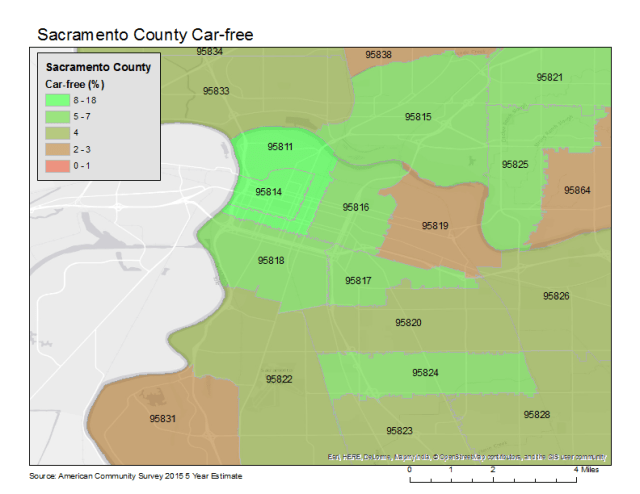
And here is the last of the three census-related maps, before I move on to other topics. This one shows the percentage of workers who are car-free (zero motor vehicles owned). Again, the 95814 zip code nails it, at 18.4%, and 95811 is close behind at 14.5%. Yes, I’m one of them.

The near suburbs also show moderate car-free percentages, probably in this case due to low income as much as choice. College (Los Rios and Sac State) students, if they are working, probably also contribute in the near suburbs. Not surprisingly, the distant suburbs have almost no one car-free. Those people are locked into the driving life by the place they have chosen to live.

It is important to remember these percentages are of workers, people who are working somewhere. They do not include people too young to work, people who have retired, or just people not working. If those people are included, the car-free rates would be much, much higher. These people are just as entitled to transportation expenditures as car drivers, but our transportation systems is set up to give them crumbs rather than a fair share.

On the other hand, there large numbers of people in the distant suburbs who have three or more cars per worker. Not per family, but per worker. The 95615 zip code (Courtland) tops the list with 54% having three or more cars, but other zip codes are close behind. Yow!

Again, the Sacramento County map (car-free) is available.

Sacramento-central-car-free


Central city commute times

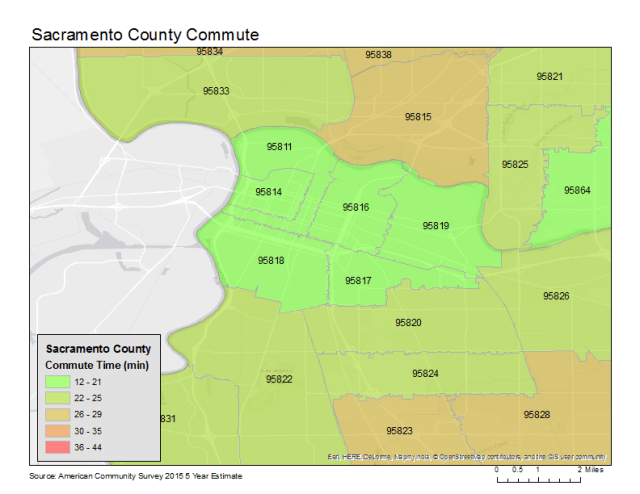
Here is the second map generated from American Community Survey data, this one showing average commute times by zip code. Nothing surprising here, the central city still compares well with other areas of the county, but there are some interesting patterns in the Sacramento County map (commute time), such as the northeast county in which I’m guessing people are commuting to Roseville rather than downtown, and therefore have reasonable commute times.

Sacramento-central-commute-time

If I were looking at commute times for surrounding counties, I suspect the average commute times would be significantly longer, since many people are commuting into employment centers such as downtown, Roseville, and Folsom. I have to admit that my own commute is long, 30 minutes to 90 minutes depending on where I’m working in the eastern suburbs. But I’d much rather be on a bike for 90 minutes than in a car for 20 minutes. I use transit at times, but for most trips it is either the same or longer to my work destination, so I use it mostly on horrible weather days and when I need to get work done on the way there or the way home.

Since this map doesn’t require much explanation, I’ll say more about census data. The American Community Survey has some very complex questions, such as whether you departed for work between 6:00AM and 6:30AM, but it can’t seem to find the bandwidth for some simple but very useful questions such as “Is your commute multi-modal? What percentage?” A person can only answer in one category: car/truck/van, bicycling, walking, transit, or other. If a trip is 51% transit and 49% bicycling, it shows up as an entirely transit trip. If a person drives 15 minutes to a parking garage and then walks 10 minutes to work, it shows up as an entirely driving trip. A number of people have suggested that this single mode constraint over-emphasizes the mode share for driving and therefore underemphasizes walking, bicycling and transit.

I will be looking at the National Household Travel Survey, last completed in 2009, to see how it compares to the American Community Survey. There is also a California Household Travel Survey, which looked at things is a much more detailed manner, but did not provide anywhere near the coverage of a census, sampling only typical parts of the state in detail.

How do central city people get to work?

Many central city residents have claimed recently that they can’t get to work if there isn’t parking both at their residence and at their work. I was curious just how central city folks do get to work, so I delved into census data (more about that below the graphic).

Turns out a lot of central city residents don’t drive to work. In 95814 (where I live) and 95811, about 56% use privately owned vehicles (POV = car/truck/van), but the other 44% walk, bicycle, use transit, or work from home. That is remarkable! When you think about how much attention and money we devote to those who drive, it eye-opening. Other areas near the central city have high active and transit use, but it falls off rapidly in most of the suburbs (but not all). The map below zeroes in on the central city. The Sacramento County Privately Owned Vehicles (POV) Commute is also available.

Sacramento-central-commute


So, where does this information come from? The American Community Survey, 2014 version, which has estimated data covering a five year period. The report from which I extracted the data is S0801, Commuting Characteristics by Sex. The field mapped above is HC01_EST_VC03, which is “Total; Estimate; MEANS OF TRANSPORTATION TO WORK – Car, truck, or van.” I think the symbology (colors) I used represent what I’m trying communicate – green is good, red is bad.

It took quite some time to find the fields I was looking for, and the search tool does not make it easy (http://factfinder.census.gov/). Then it took some time to figure out how to extract the data fields I wanted and dispose of those I did not. And then it took a LOT of time to figure out how to get ArcGIS ArcMap to match the zip coded commuting data with the county’s zip code map. Turns out that Excel does not properly label the data type of a field, so either the zip code was a number, which didn’t match the text in the zip code layer, or the rest of the data was text, which could not be symbolized properly. I had to use Apple Numbers to create an export format that retained the correct field type. But now that I know how to do this, I’ll have some more maps to share soon.