The Sacramento City Council will meet Tuesday, May 13, 2025 (today!) at 5:00 PM. There are two items that might be of interest to transportation advocates.
Item 02 on the consent calendar is ‘Approve Criteria and Guidance to Accommodate Active Transportation in Work Zones Policy’. There is a staff report, and the policy itself. Though items on the consent calendar are not expected to be controversial, and will only be discussed by council if a council members pulls it from consent calendar, this is nevertheless worth supporting. This policy has been delayed for years. It is not perfect, but it is an immense improvement over existing policy and practice.
SacMoves Coalition hosts an event calendar at https://sacmoves.org/events/, which is maintained by STAR (Sacramento Transit Advocates and Riders) and Getting Around Sacramento. ‘This week’ postings are irregular.
Sac Council, 5:00 PM: agenda, item 9 consent Neighborhood Connections Draft Final Plan, staff report, plan (the agenda link was in error, and has been corrected)
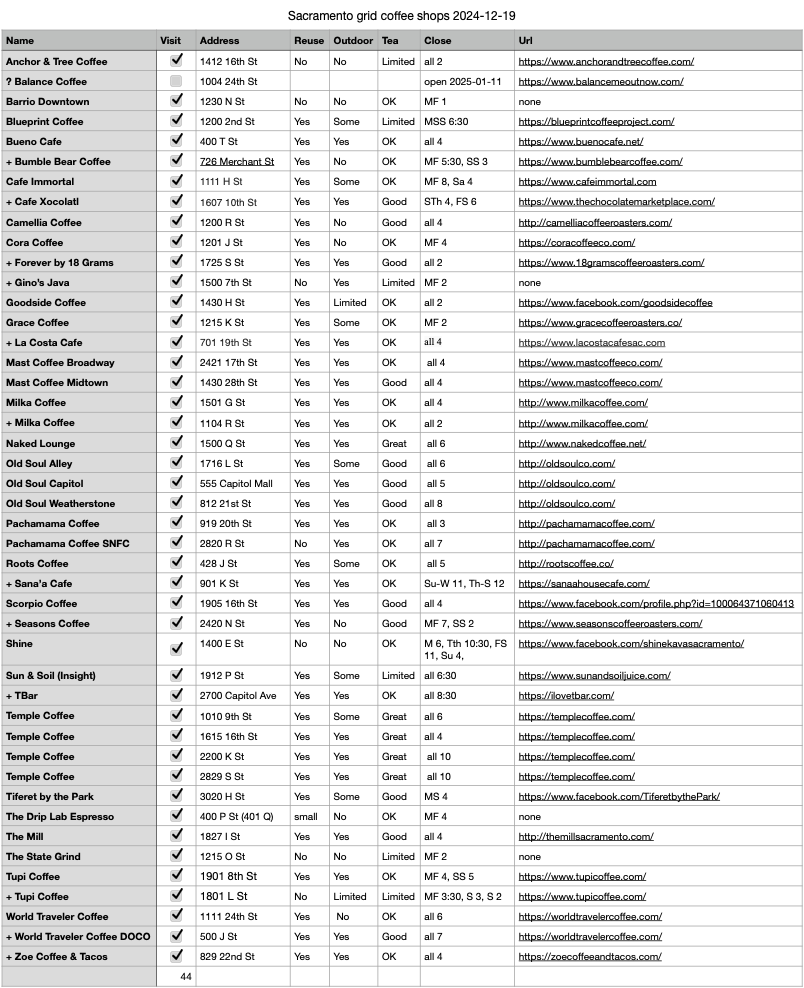
I first posted on coffee shops on the grid in April 2023, and have made minor updates since then. Time for a more significant update, as there are a number of new coffee shops, and a few have gone. I visited each new coffee shop, and re-visited about half of the older ones. 44 is my current count. The text below is largely the same as the original post, with some minor updates.
table of grid coffee, 2024-12, not clickable
Though the links in the png above look clickable, they are not. You must use the xlsx or pdf versions for links. The columns are what interested me. Reuse means they offer reusable cups for tea and coffee service, outdoor means they offer outdoor seating, and tea indicates my take on the number and variety of teas offered. Hours are to the best of my knowledge, but will vary and change.
Disclaimer up front: I don’t drink and don’t even like coffee, but I do drink and love tea, and the majority of coffee shops offer tea as well, but most other businesses do not. So I can tell you absolutely nothing about the variety or quality of coffee at any of these shops.
I have long believed that the frequency of locally-owned coffee shops is a key indicator of livability and walkability. Though I’ve not done the calculations, I think this measure would be just as effective a ‘walk score’ as the WalkScore offered by Redfin, which uses a complicated and proprietary algorithm to determine walkability, measured as distance to amenities. Note that WalkScore does not assess the walking environment such as presence or condition of sidewalks, and safety of crossing streets.
I live in the Sacramento central city, the area bounded by the Sacramento River to the west, Broadway to the south, Alhambra Avenue to the east, and the railroad tracks to the north. I have focused my coffee shop visits on this area. Though there are certainly coffee shops throughout the urbanized county, the number of locally-owned coffee shops drops off rapidly outside the central city. In much of the suburbs, there are only chain coffee shops such as Starbucks and Peets.
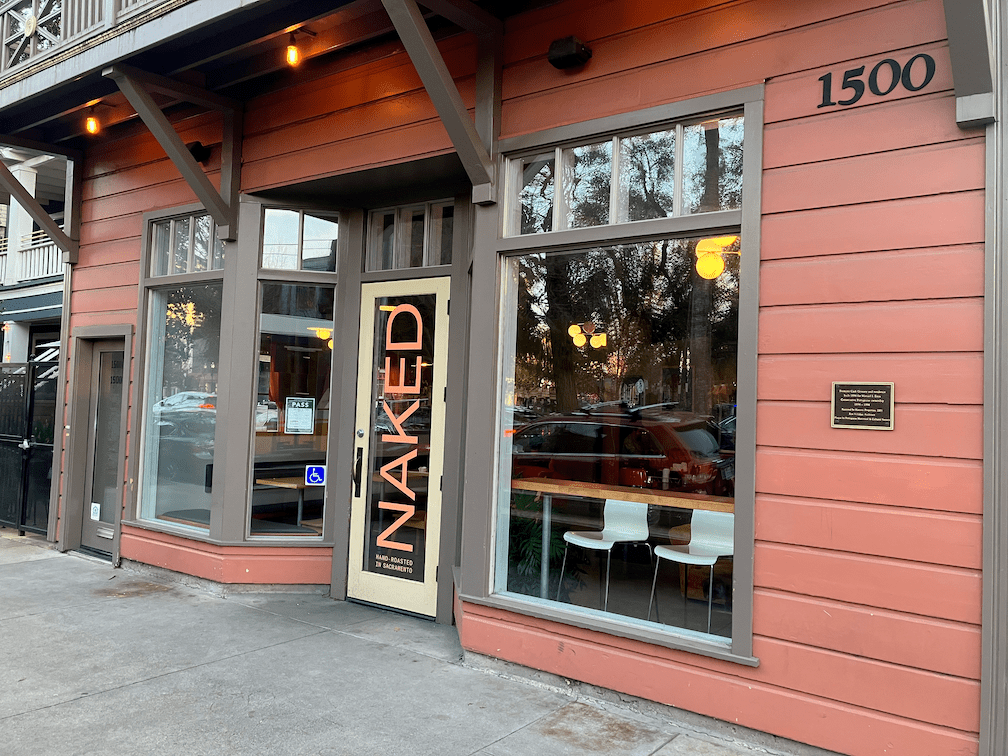
My preferred locally-owned coffee shop is Naked Lounge, on the southeast corner of Q Street and 15th Street, across from Fremont Park. I go there for tea, and for socialization. For those who remember ‘the old days’ when people socialized more and spent less time on their computers, yes, I miss those days. Some days I write in my journal, some days I read, some days I talk to people. I decided to no longer take my laptop to coffee shops, so that I could focus on the above.
If you also like to drink tea at home, as I do, I recommend Tea Cozy, 1021 R Street, next to Fox and Goose, with a very large and diverse offering of bulk and packaged teas. And in Davis, Mishka’s Cafe, 610 2nd Street, offers a selection of brewed tea unparalleled in the region, so far as I know.
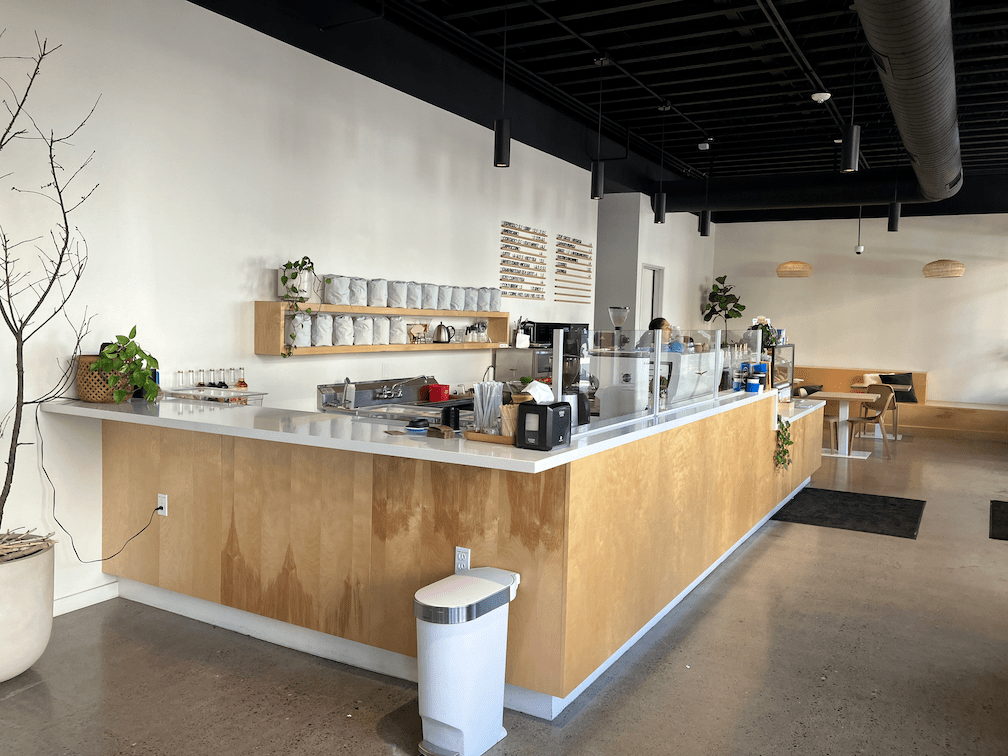
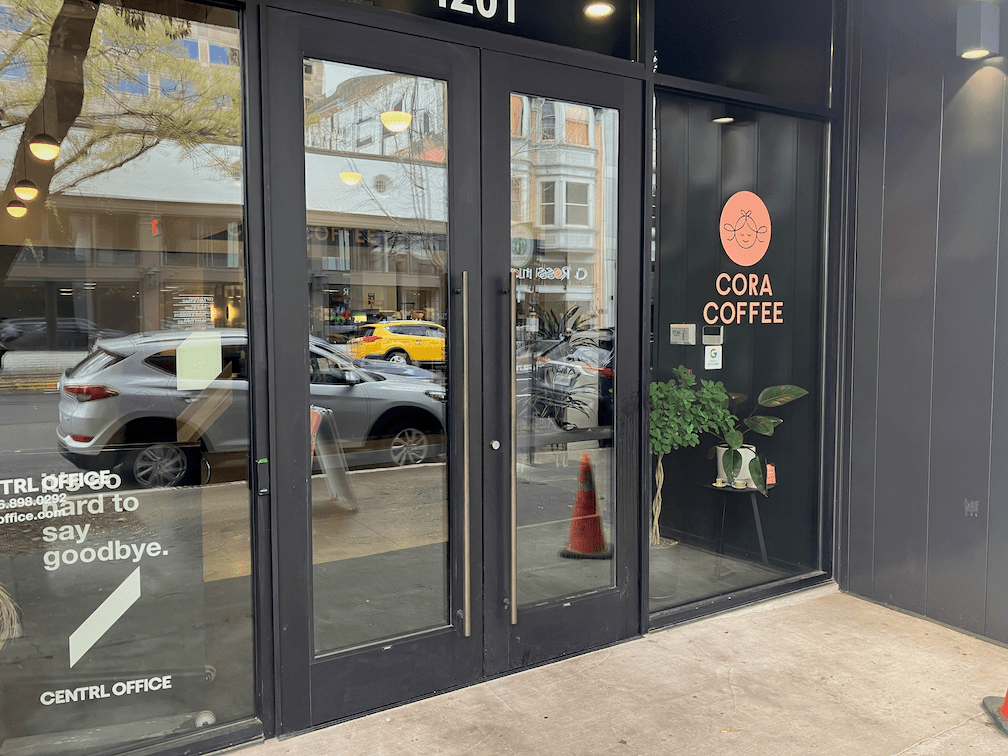
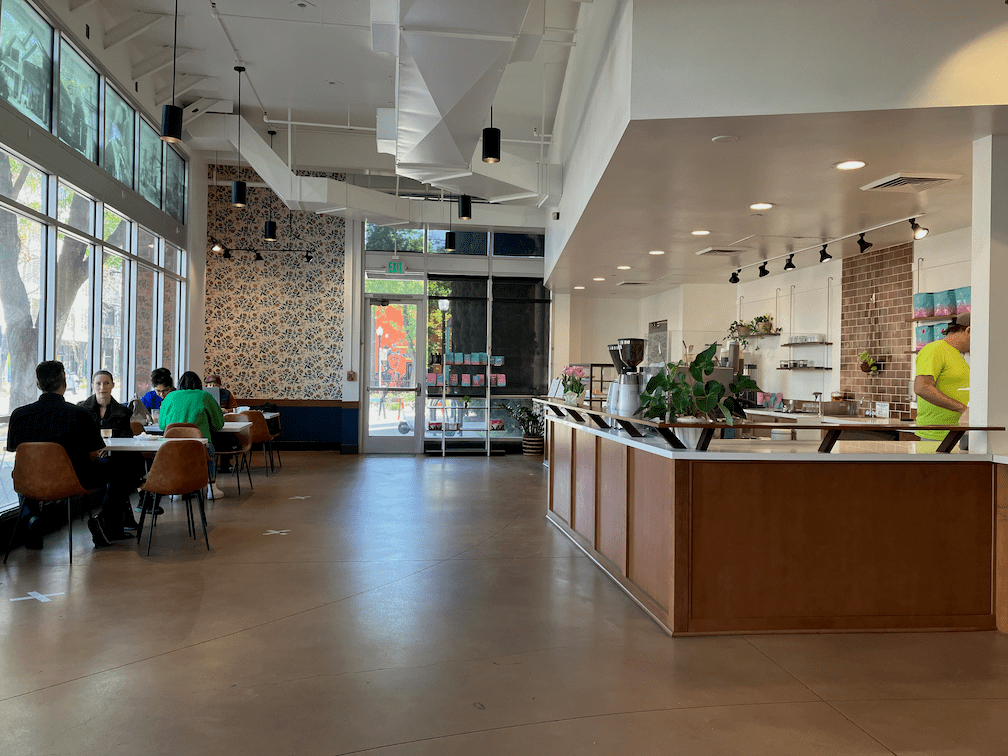
I changed from a slide show to a gallery for coffee shop photos, so that they could be captioned, though that work is only partially done.
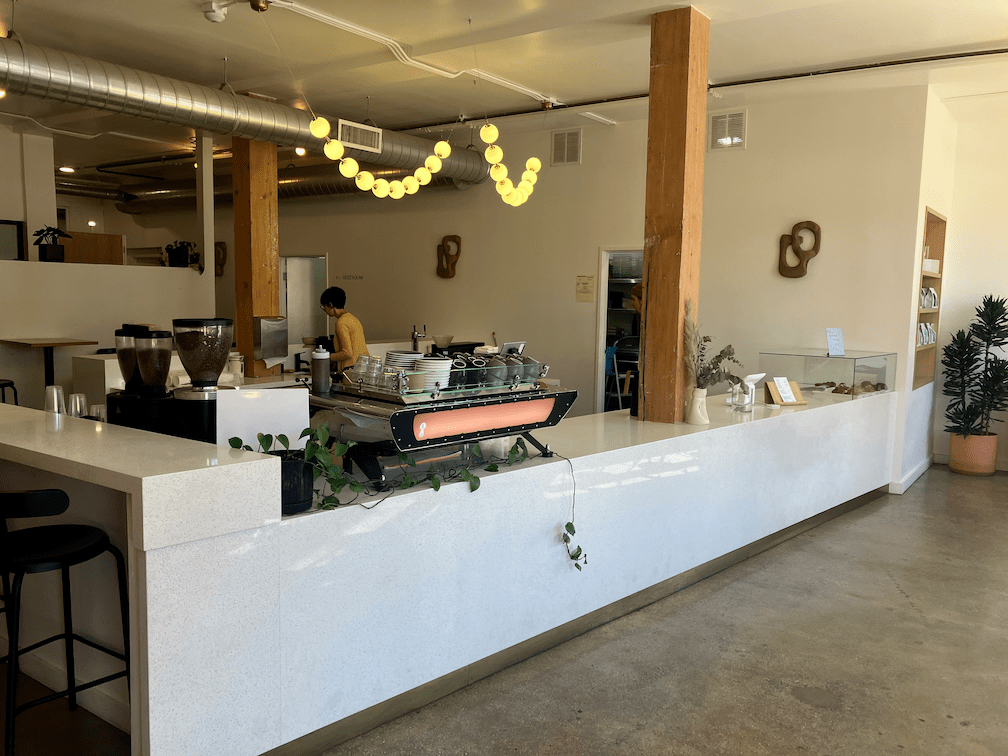
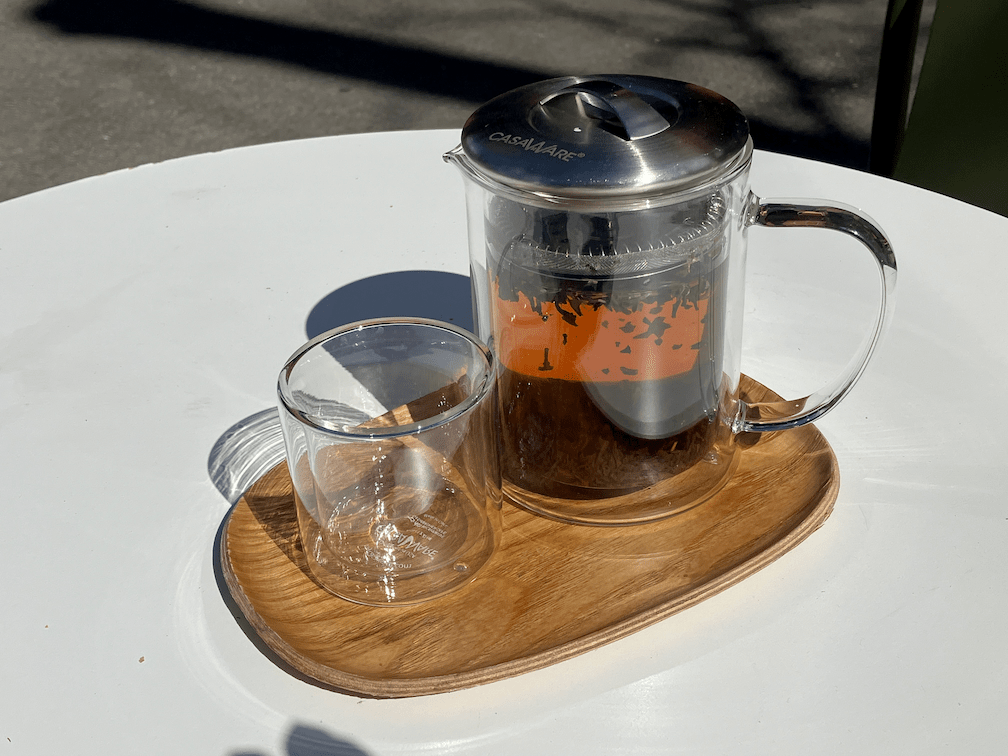
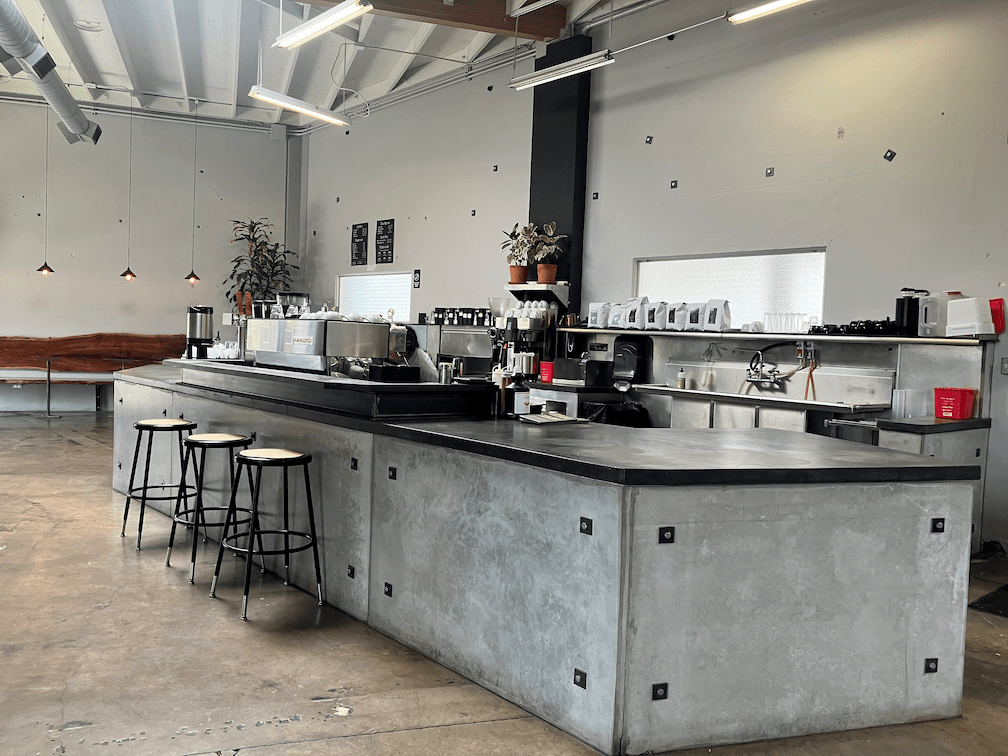
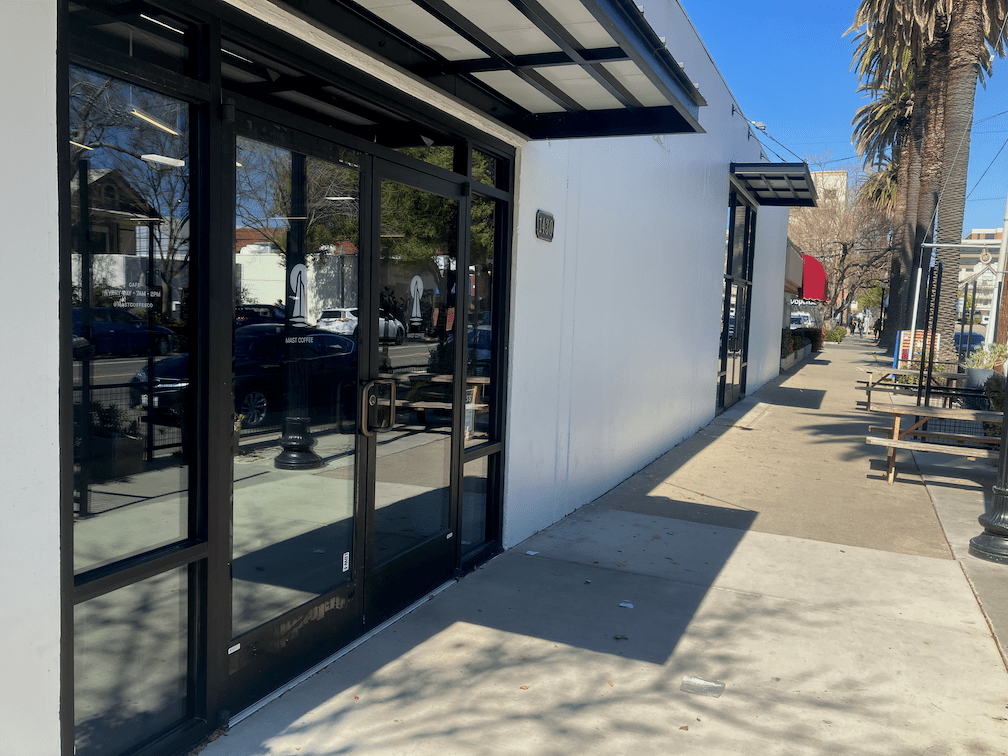
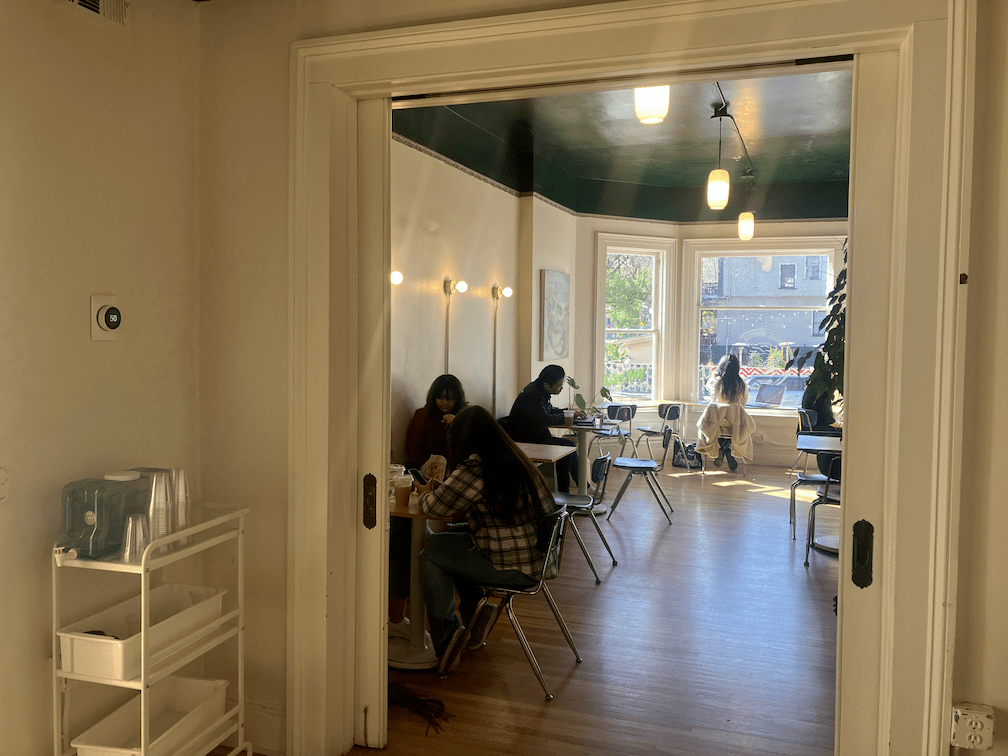
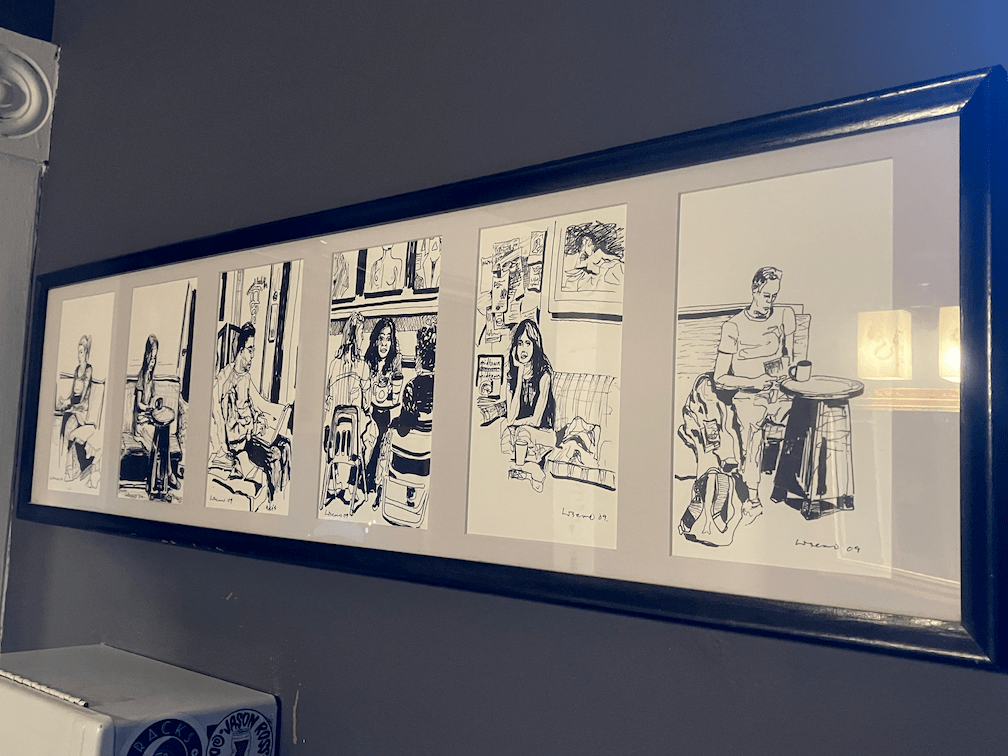
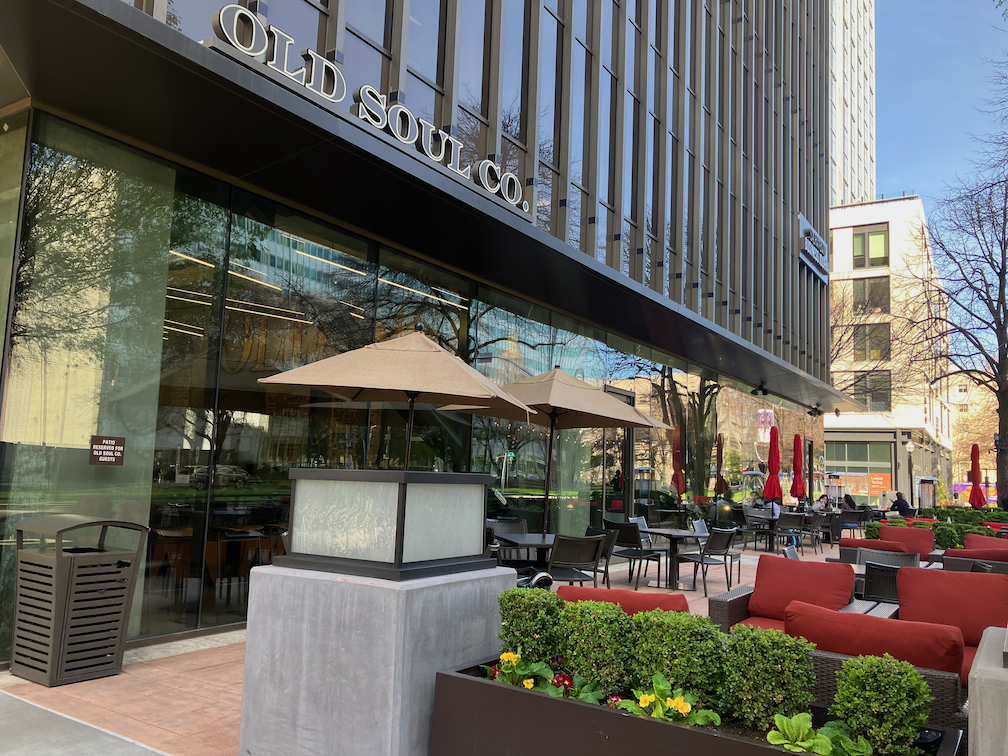
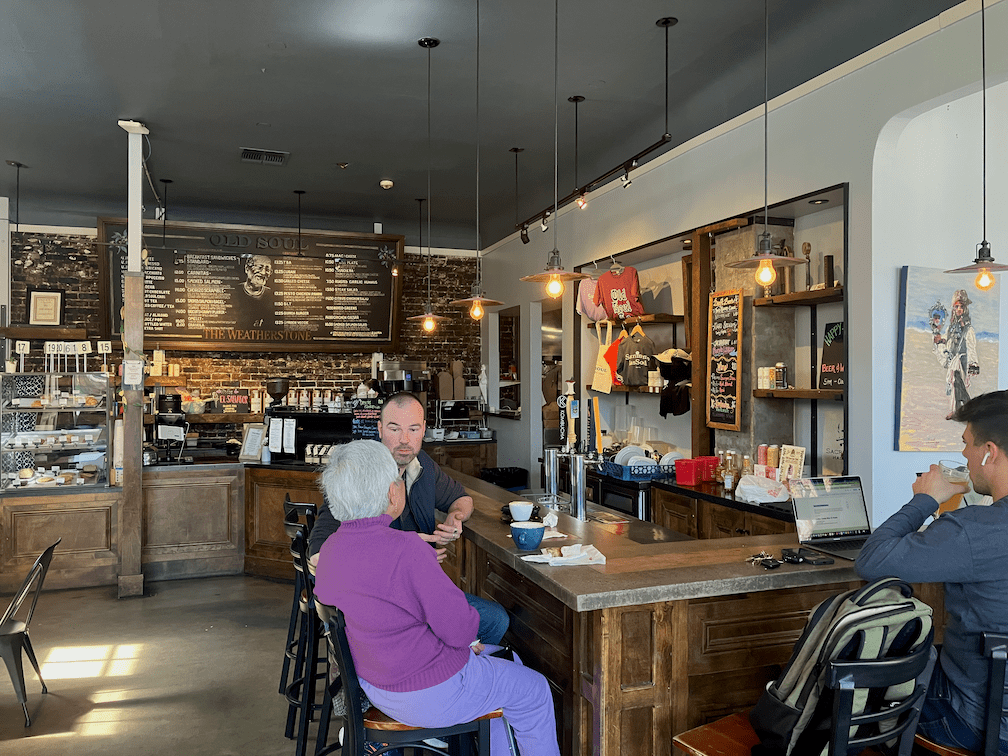
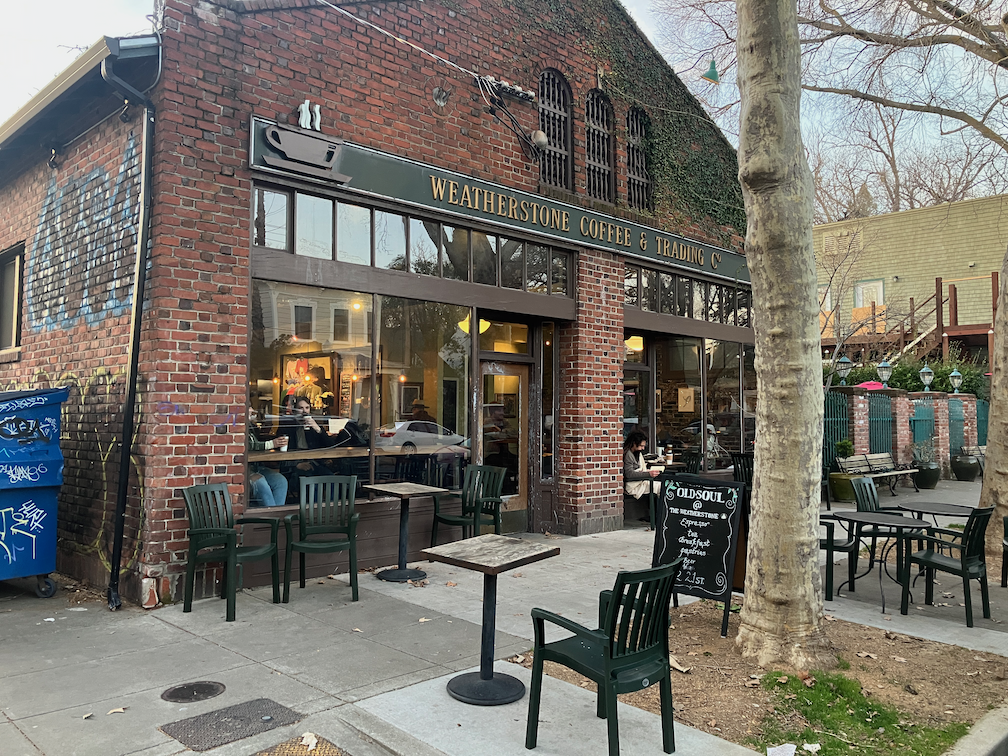
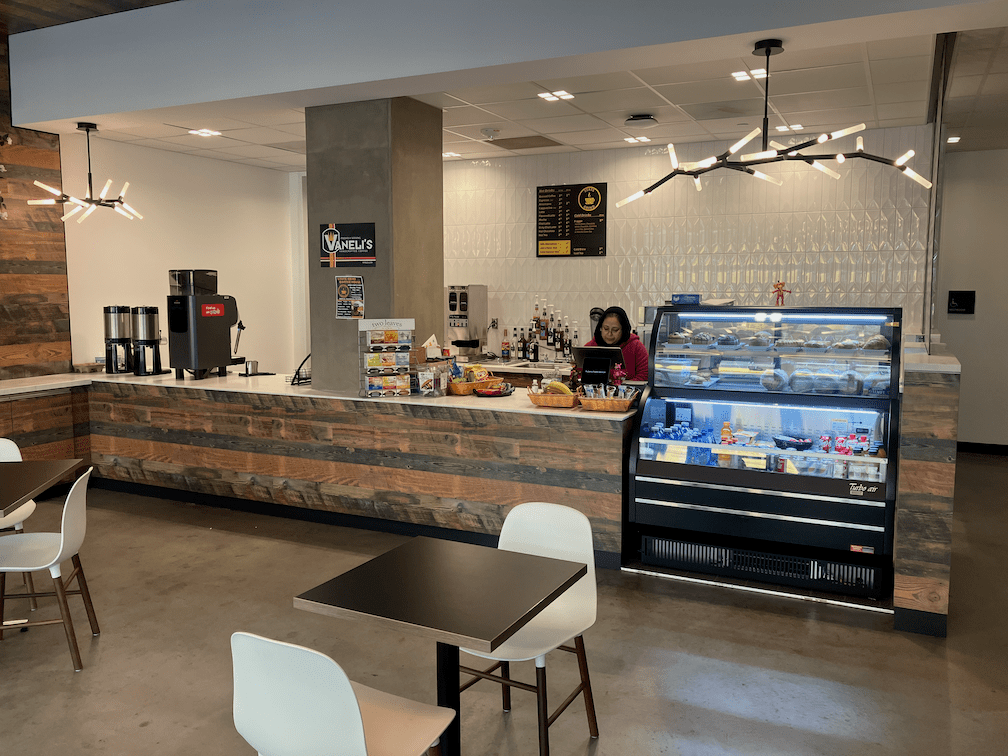
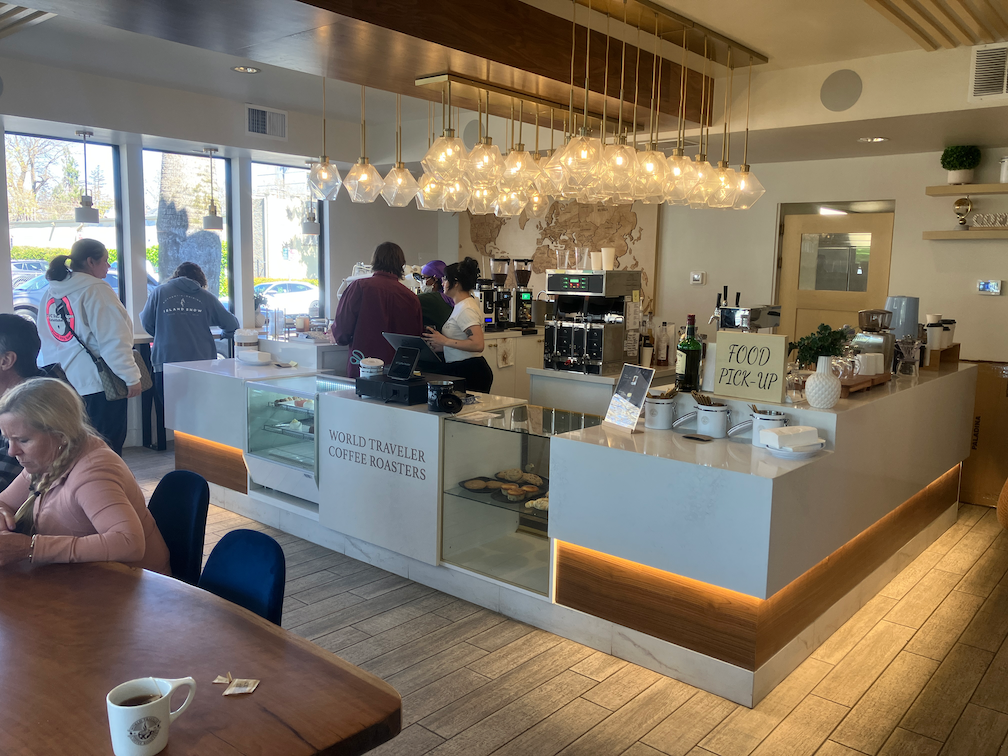
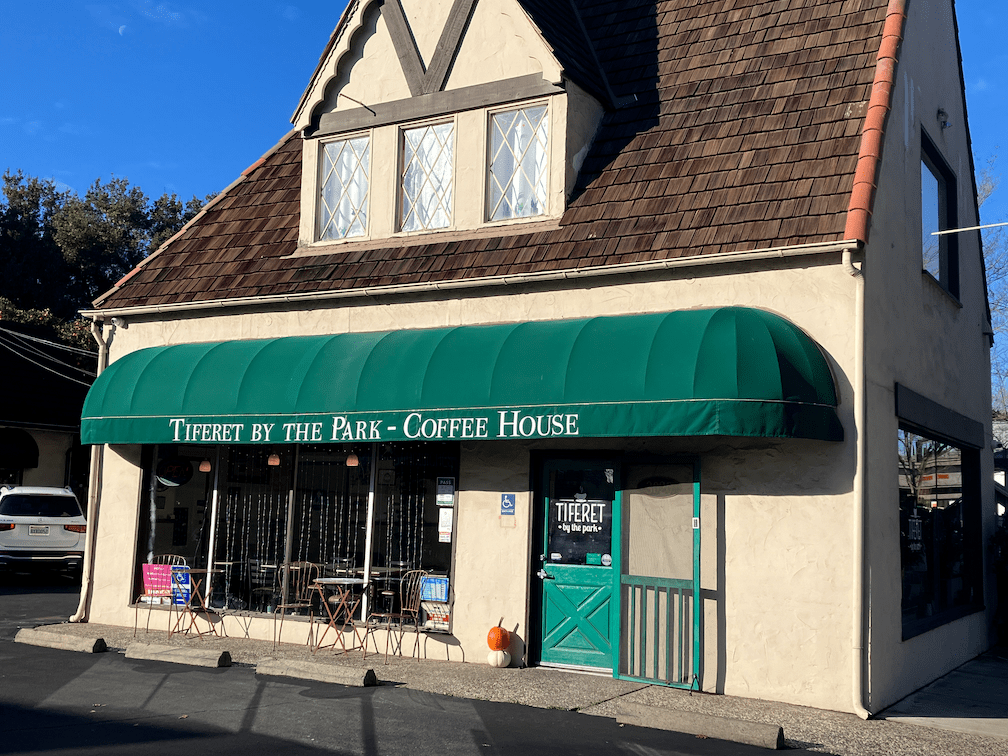
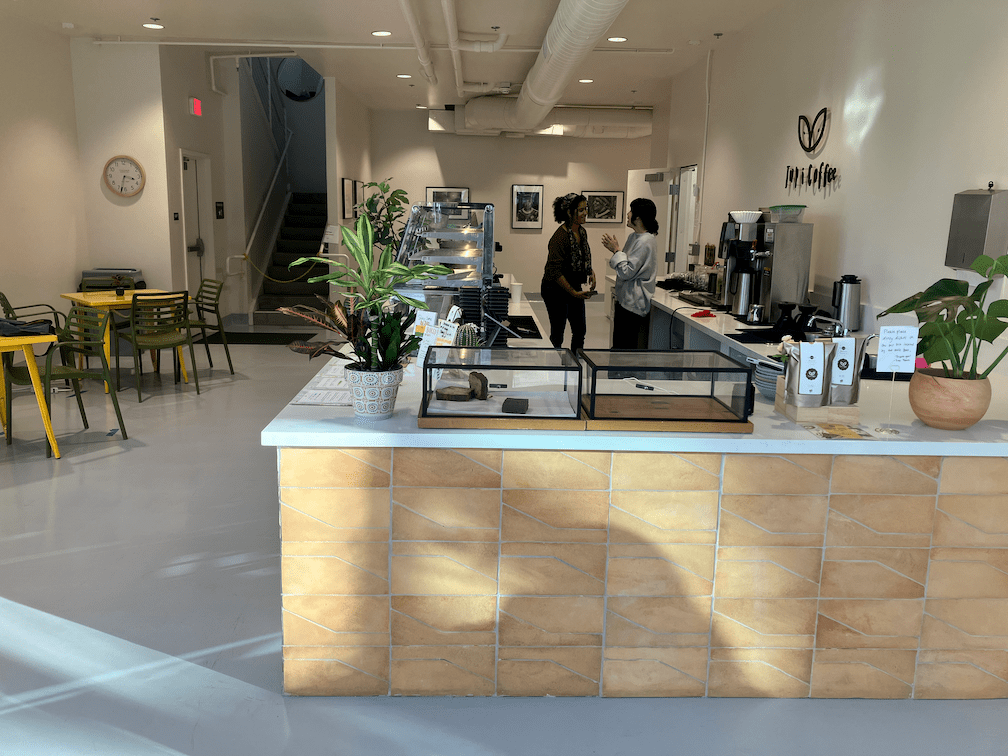
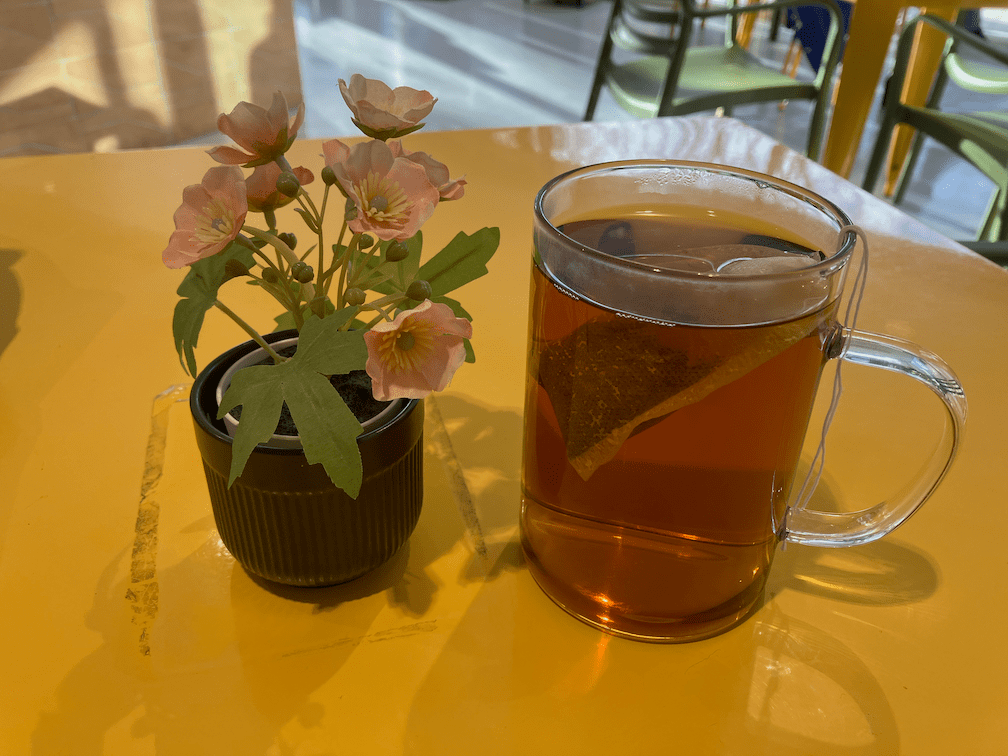
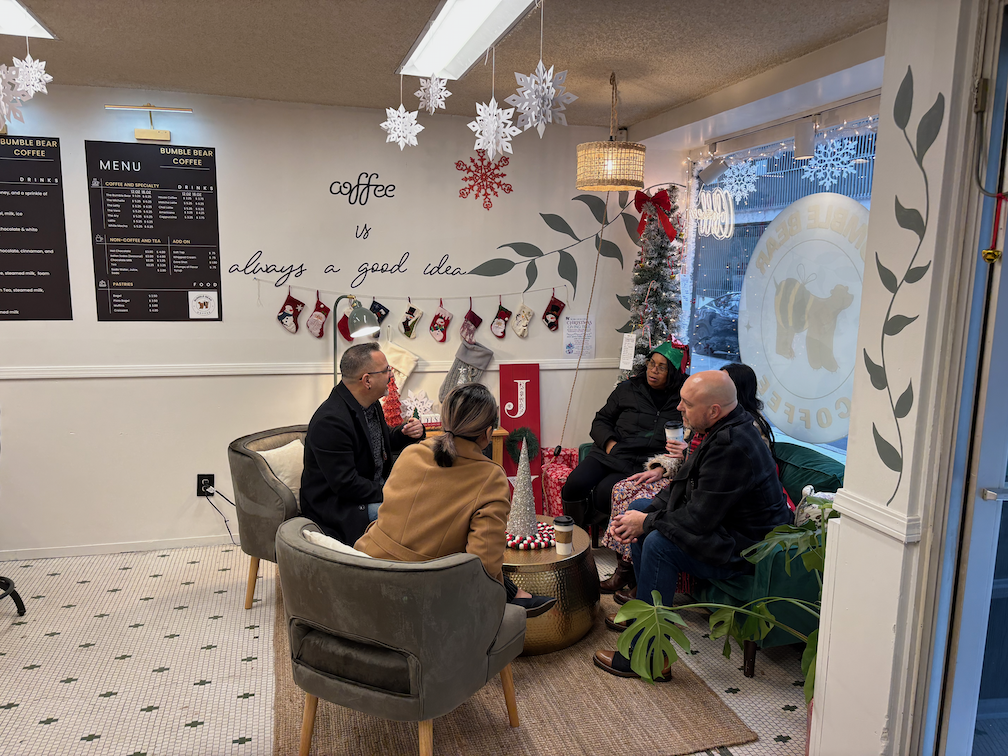
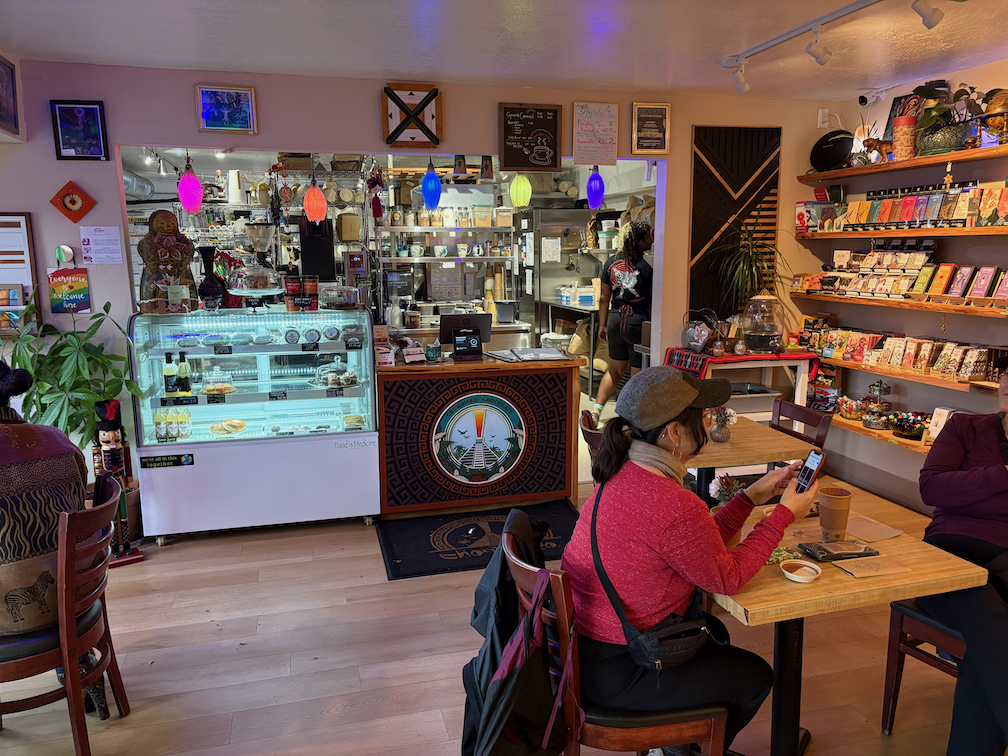
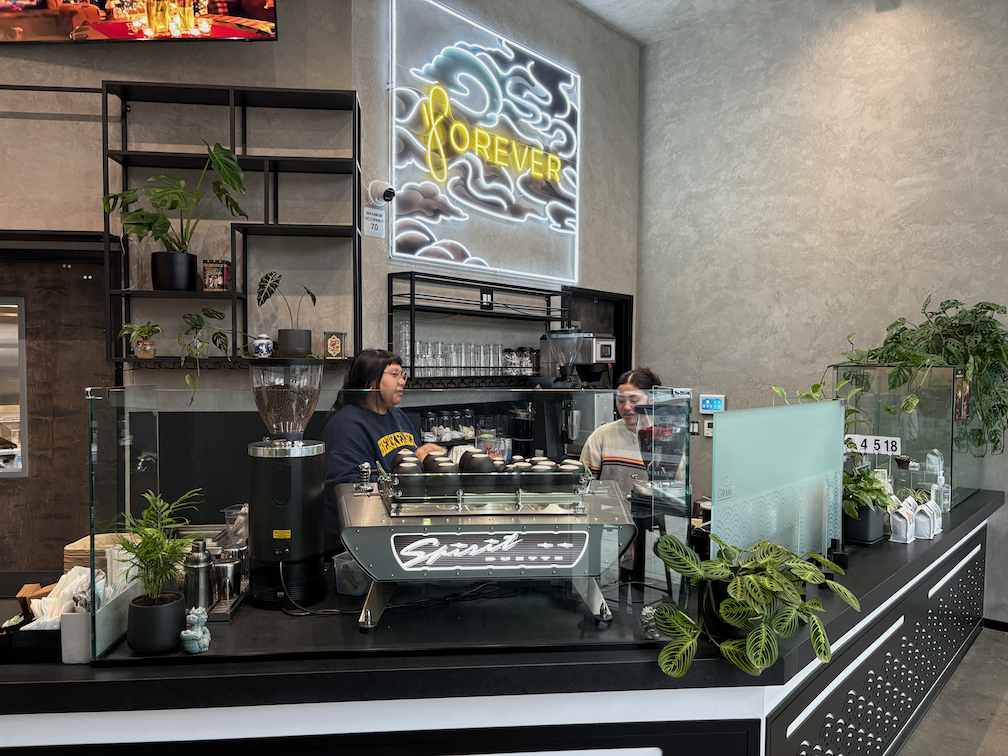
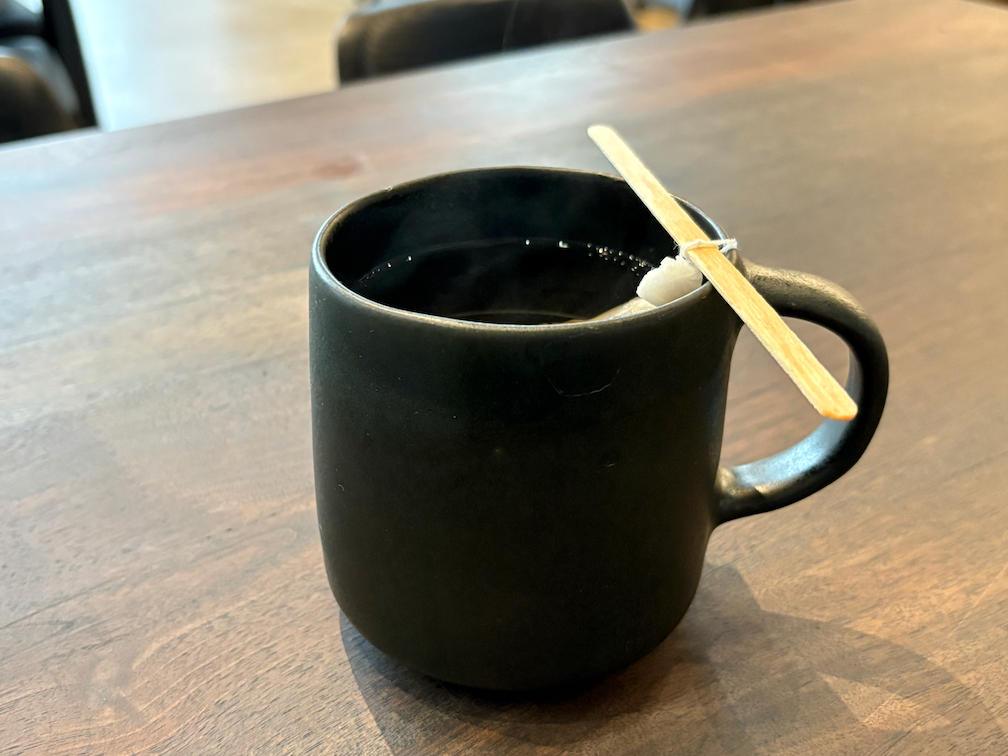
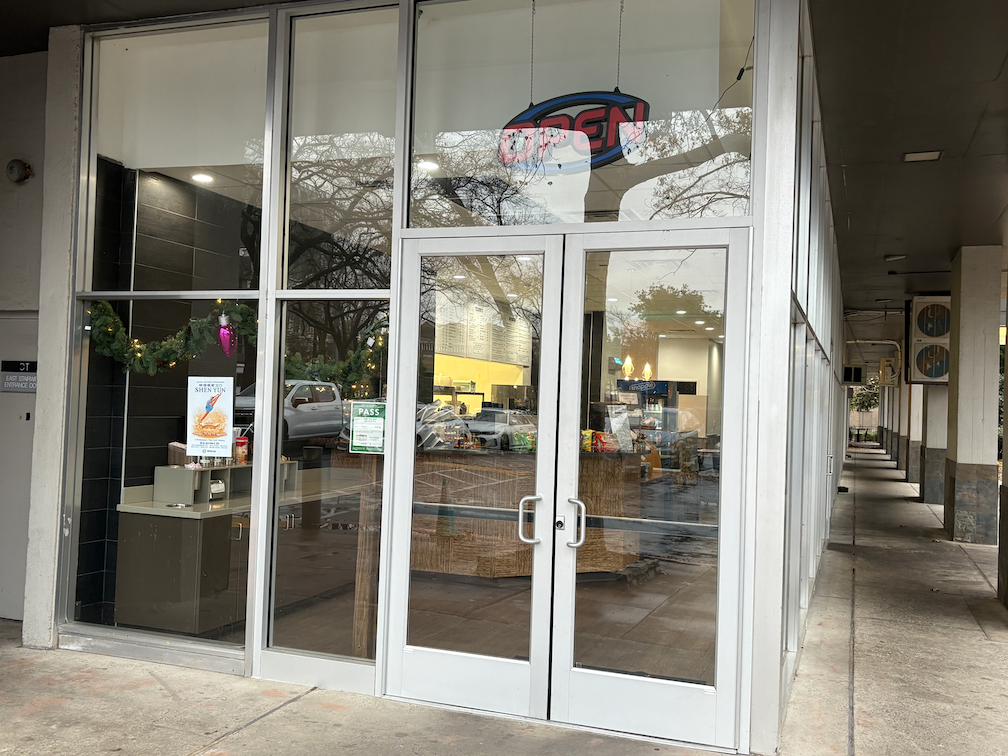
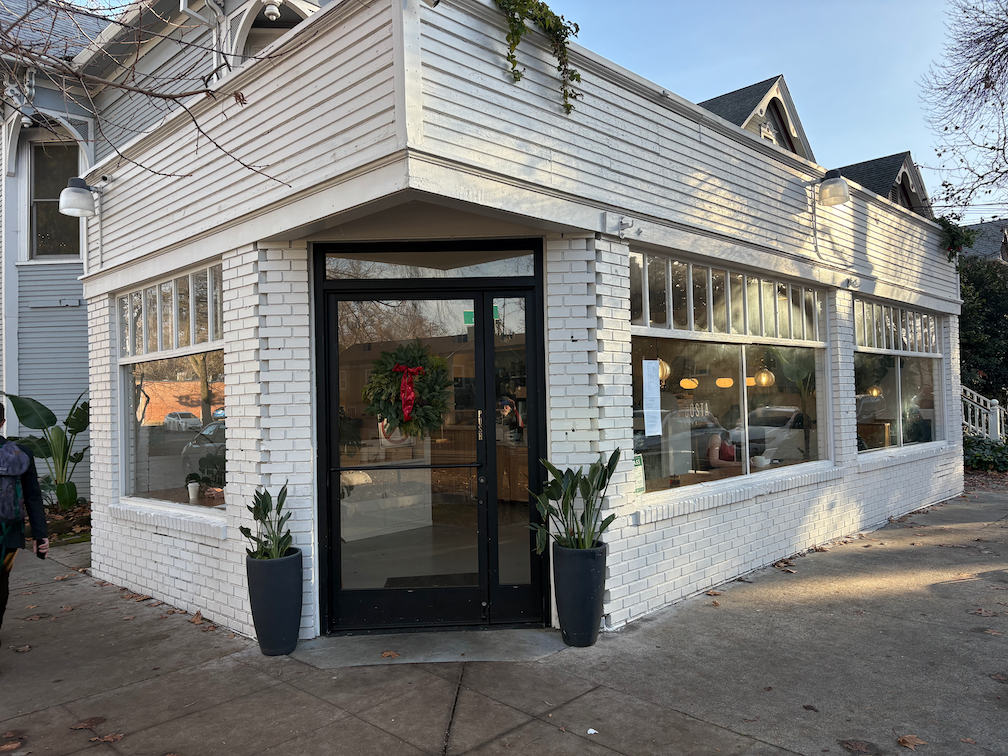
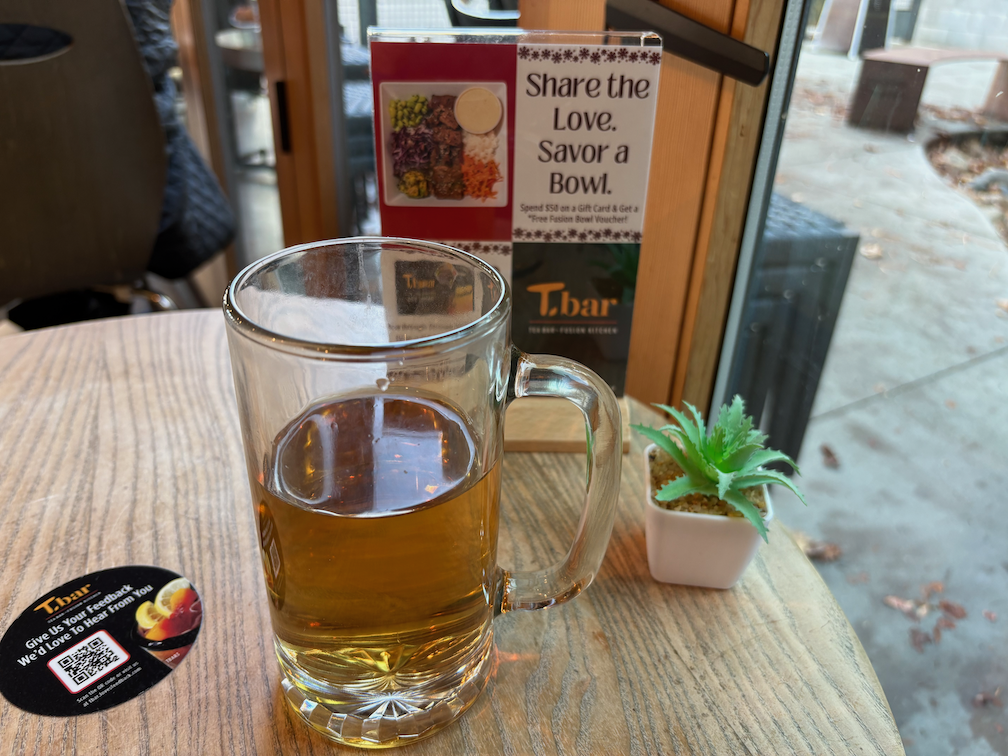
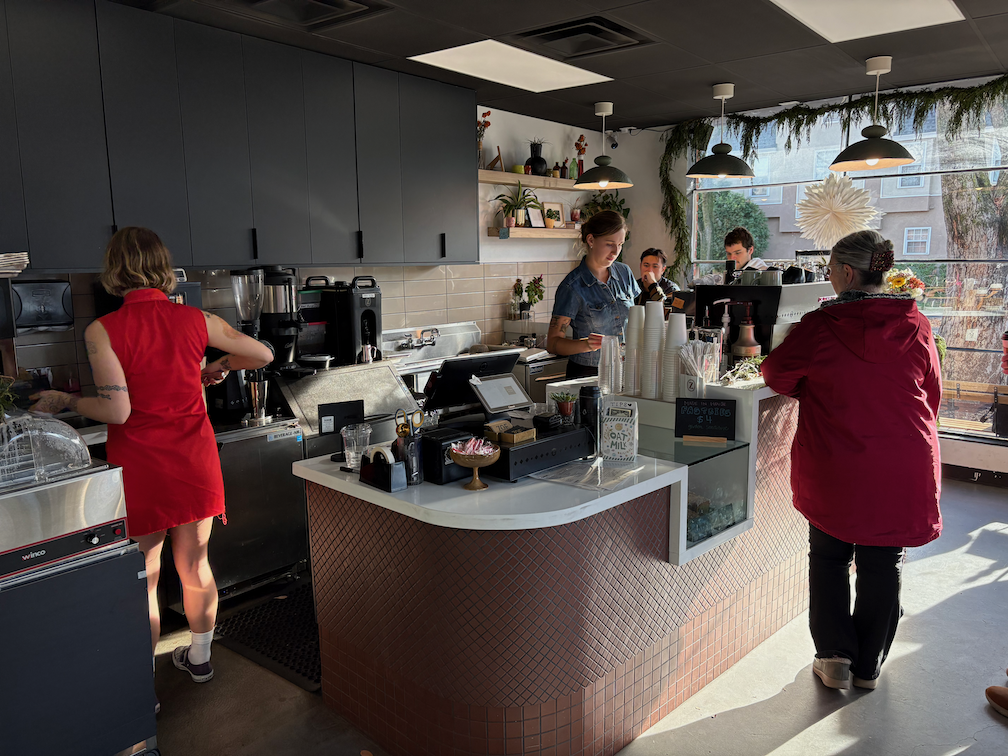
Blueprint Coffee counterBlueprint Coffee outsideCora Coffee counterCora Coffee outsideGoodside Coffee counterGoodside Coffee serviceGrace Coffee insideGrace Coffee outsideMast Coffee 17th St counterMast Coffee 17th St outsideMast Coffee 17th St serviceMast Coffee 28th St counterMast Coffee 28th St outsideMilka Coffee G St insideMilka Coffee G St outsideNaked Lounge artworkNaked Lounge insideNaked Lounge outsideNaked Lounge plaqueOld Soul in the Alley insideOld Soul in the Alley outsideOld Soul Capitol Mall insideOld Soul Capitol Mall insideOld Soul Weatherstone insideOld Soul Weatherstone outsideOld Soul Weatherstone serviceScorpio Coffee counterScorpio Coffee outsideScorpio Coffee serviceScorpio Coffee outside seatingCafe Xocolatl serviceZoe Coffee & Tacos counterZoe Coffee & Tacos outsideZoe Coffee & Tacos service
This SacBee article from December 11, 2024, highlights a Twin Rivers Unified School District project to add workforce housing for beginning teachers and other school district employees. Though it is less of a problem in the Sacramento region than in many cities, teachers and other employees on the lower end of the income scale can often not afford to live near their school because rents are too high.
With shrinking student populations in most, though certainly not all, of the school districts in the Sacramento region, there are empty or underutilized school district property that could be used for housing. While I worked for San Juan Unified, I encouraged the district to explore this option, as the district has many school sites that are unused, or only partially used for special programs. In fact the district office has a vast parking lot that used to be a bus yard and now grows weeds.
The city has confirmed that crosswalk daylighting, as required by AB 413 (2023, Lee), will not be a part of the Parking Strategies project. The city has also confirmed that it will not be a part of the Streets for All Active Transportation Plan, though that plan will recognize that where there is space created by daylighting, it may be used for bicycle and scooter parking.
So where will crosswalk daylighting be addressed? So far as can be determined, the city does not intend to address it at all. A search of the city website for ‘AB 413’ or ‘daylighting’ produces nothing. City staff seems to be suggesting that it will be addressed somewhere else, not part of the current projects, though that somewhere else has not been mentioned.
It is going to take public pressure to convince the city to take action on crosswalk daylighting.
San Francisco has been proactive in implementing the state law, with warning notices now being given, and enforcement starting January 1. Parking is far more contentious in San Francisco than Sacramento, so it is surprising that Sacramento is stalled while San Francisco is moving forward.
I have long looked askance at the emphasis on electric vehicles (EVs) for solving our climate change challenge and other issues. As has been said, they are necessary but insufficient. Reducing vehicle miles traveled (VMT) is as important, or more important. Now comes a report, highlighted in the Streetsblog USA article EVs — What Are They Good For? that indicates just how insufficient they are. (The Effects of ‘Buy American’: Electric Vehicles and the Inflation Reduction Act)
If EVs were competing in the marketplace, they would be gradually replacing fossil fueled vehicles (also called ICE – internal combustion engines), but in an effort to accelerate adoption, the federal government and California are subsidizing the conversion to the tune of billions of dollars. Is this a good investment, compared to other investments that would reduce greenhouse gas emissions (GHG) and increase roadway safety? I doubt it. EVs will kill and severely injure more people than ICE vehicles. EVs will generate more tire and brake pollution. Most importantly, EVs support the faux environmentalist attitude that I can keep on driving my private vehicle while ignoring the damage to the livability and financial stability of cities, and the mis-allocation of transportation investments towards motor vehicles and away from walking, bicycling and transit.
For those who might miss the cultural reference of the Streetsblog headline, it is from the Motown ‘War‘ – “War, what is it good for, absolutely nothing”.
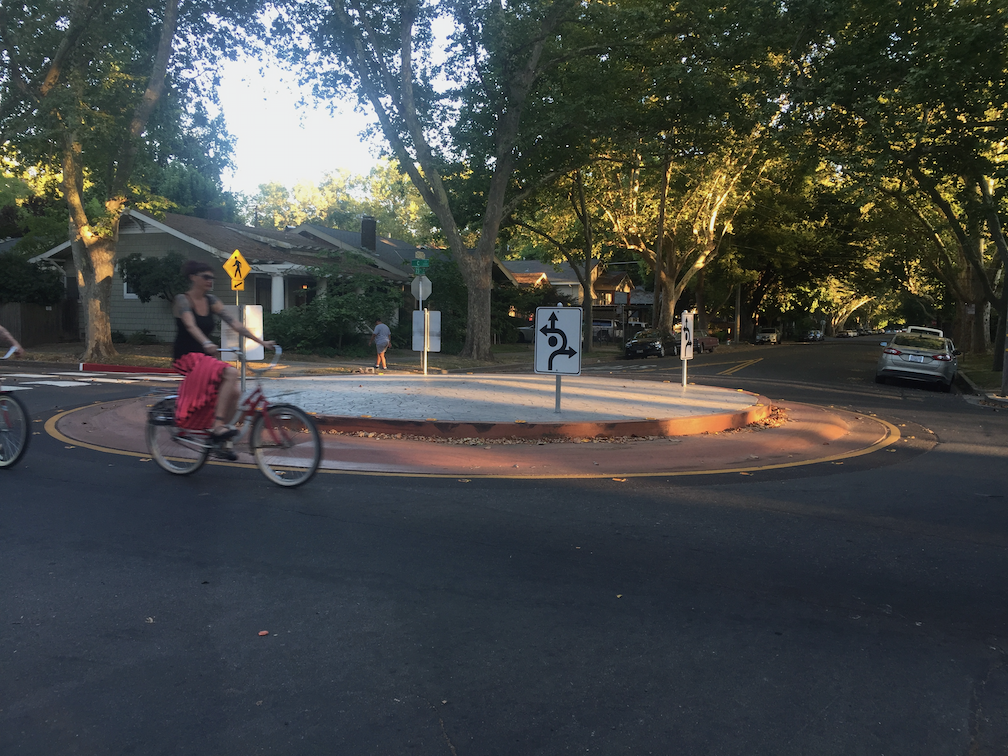
For National Roundabouts Week, here are sample of some traffic circles. True roundabouts have significant horizontal deflection to slow motor vehicles, and do not have any traffic control devices such as stop signs. I do not consider multi-lane roundabout-like structures to be roundabouts, but unfortunately have not come up with a term to distinguish them.
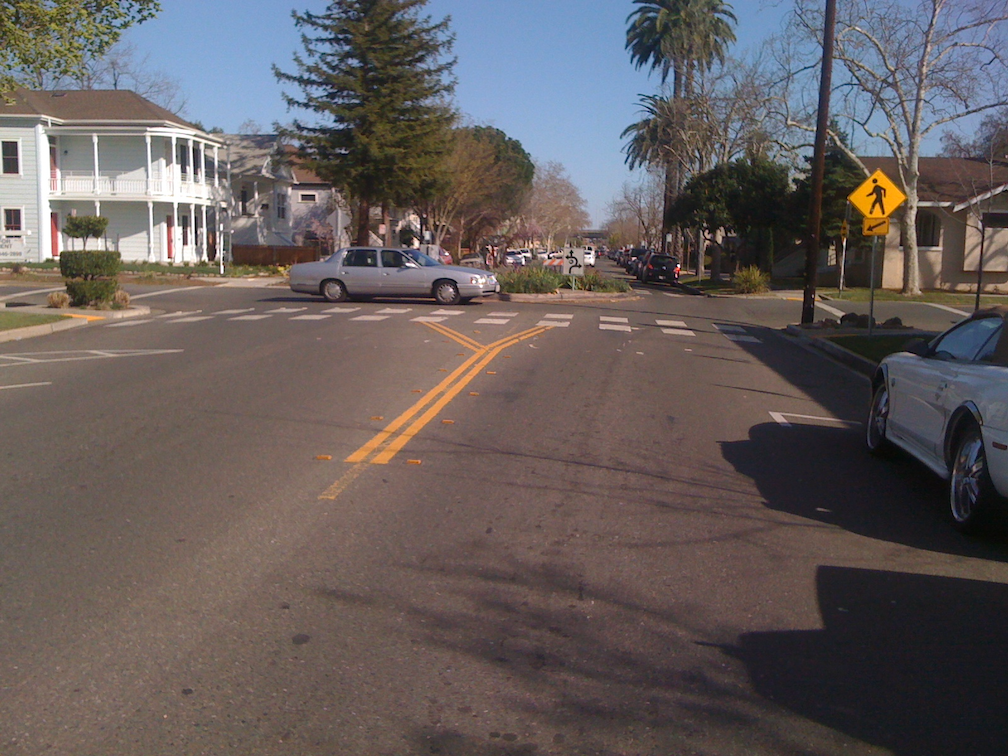
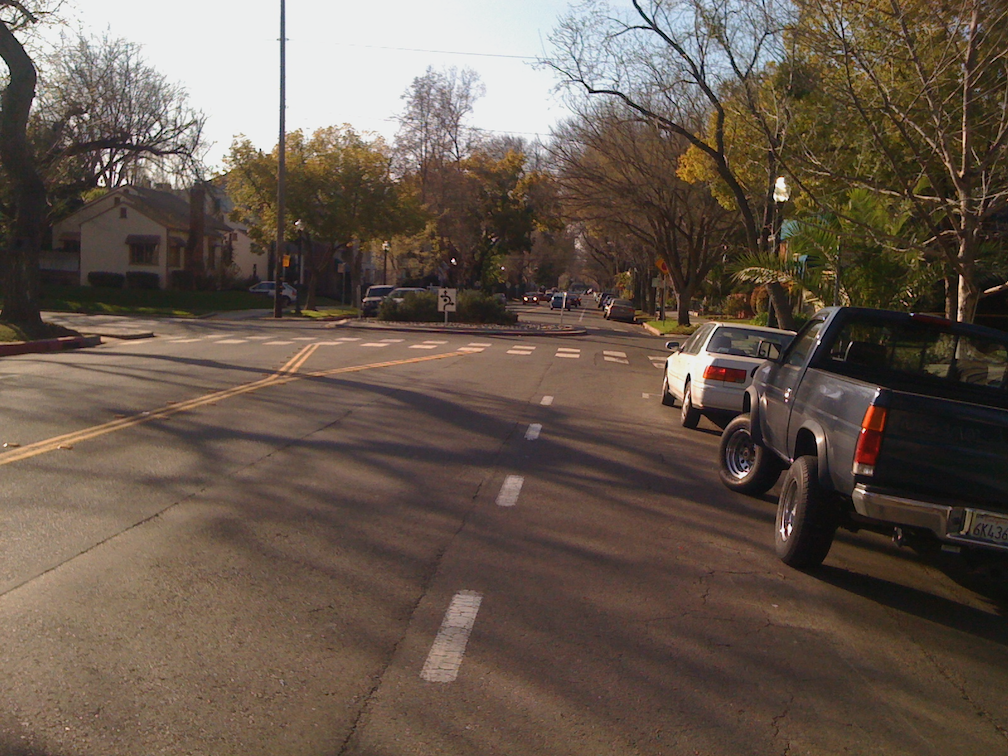
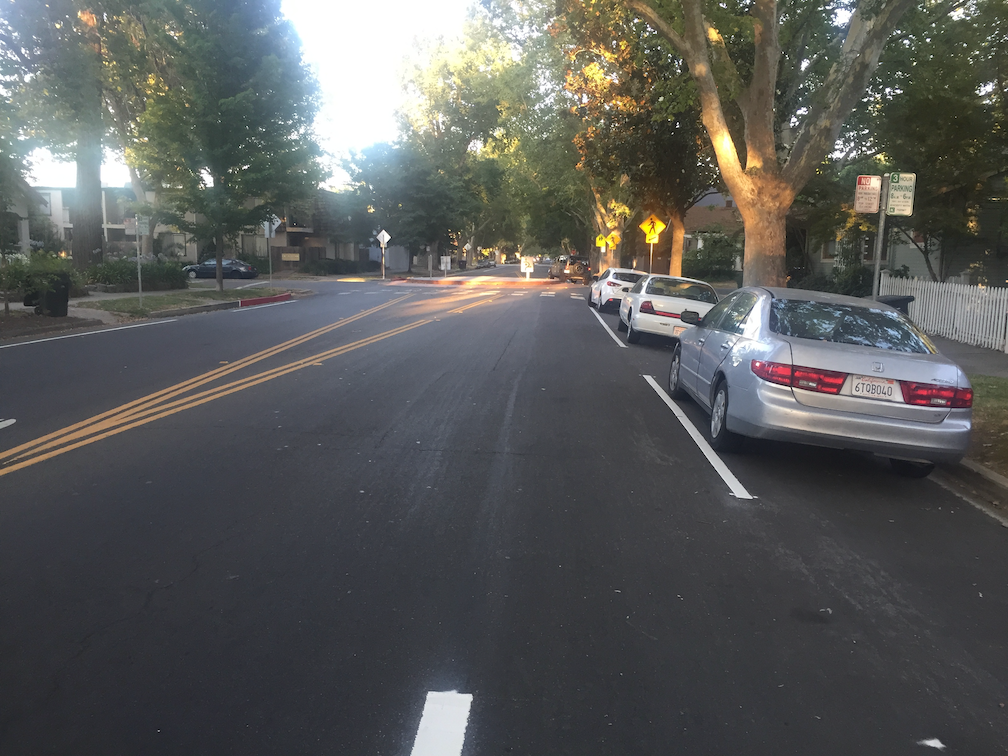
Traffic circles are not roundabouts, at least not as implemented here in the Sacramento region. They are sometimes called mini-roundabouts, which is OK, but they should never be called roundabouts without a modifier. The eight photos below of traffic circles in the Sacramento region, most in the northeast portion of the central city, show some of the settings, and the wide variation in diameter. If the traffic circle is large enough, occupying a significant portion of the intersection, they do cause significant horizontal deflection and therefore slow traffic. Some of the traffic circles are too small, and do not force horizontal deflection and slowing. All of these examples have stop signs on one of the cross streets, so they do not meet the criteria of a true roundabout.
The safety of these structures is somewhere between a true roundabout (high safety) and a regular perpendicular intersection (low safety). Regular intersections are the location of most crashes, whether they are controlled by 2-way stops, 4-way stops, or signals.
See traffic calming measures for additional information on roundabouts and other traffic calming devices.
I have many. fewer photos of true roundabouts, in part because there are many fewer in the region, but I will post on those shortly.







































 Getting Around Sacramento