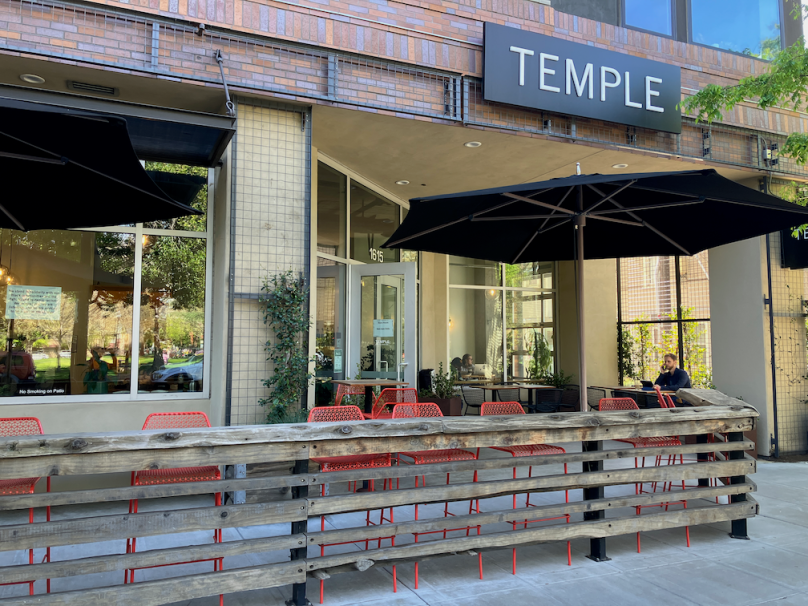
coffee shops (tea) on the grid

2024-01-07 update since the original post: Anchor and Tree Coffee (16th St) has soft opened, Flow State Coffee has closed, Milka Coffee has a second location on R St, Pressed is probably closing and has shorter hours, Tupi Coffee has moved to 8th St, and I missed Tiferet on the Park Coffee on H St in my original post. The spreadsheet and slide show have been updated and will be further. Note that the spreadsheet image seems to offer clickable links, but does not; you must use one of the other formats.

Disclaimer up front: I don’t drink and don’t even like coffee, but I do drink and love tea, and the majority of coffee shops offer tea as well, but most other businesses do not. So I can tell you absolutely nothing about the variety or quality of coffee at any of these shops.

I have long believed that the frequency of locally-owned coffee shops is a key indicator of livability and walkability. Though I’ve not done the calculations, I think this measure would be just as effective a ‘walk score’ as the WalkScore offered by Redfin, which uses a complicated and proprietary algorithm to determine walkability, measured as distance to amenities. Note that WalkScore does not assess the walking environment such as presence or condition of sidewalks, and safety of crossing streets.

I live in the Sacramento central city, the area bounded by the Sacramento River to the west, Broadway to the south, Alhambra Avenue to the east, and the railroad tracks to the north. I have focused my coffee shop visits on this area. Though there are certainly coffee shops throughout the urbanized county, the number of locally-owned coffee shops drops off rapidly outside the central city. In much of the suburbs, there are only chain coffee shops such as Starbucks and Peets.

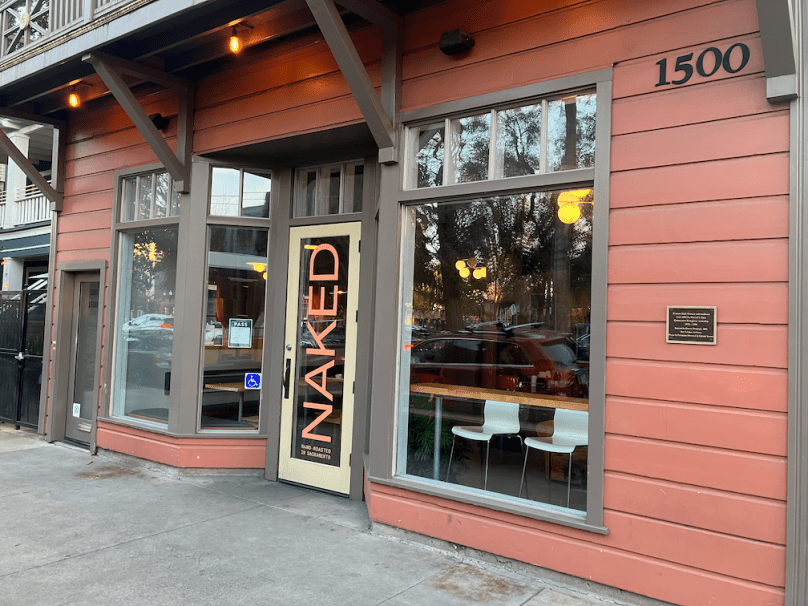
My preferred locally-owned coffee shop is Naked Lounge, on the southeast corner of Q Street and 15th Street, across from Fremont Park. I go there for tea, and for socialization. For those who remember ‘the old days’ when people socialized more and spent less time on their computers, yes, I miss those days. Some days I write in my journal, some days I read, some days I talk to people, and yes, some days I too work on my computer.

If you also like to drink tea at home, as I do, I recommend Tea Cozy, 1021 R Street, next to Fox and Goose, with a very large and diverse offering of bulk and packaged teas. And in Davis, Mishka’s Cafe, 610 2nd Street, offers a selection of tea unparalleled in the region, so far as I know.

Below is the table I compiled, along with pdf, Numbers, and xlsx versions. The columns are what interested me, and the ratings are entirely my own, not based on any scale. Reuse means they offer reusable cups for tea and coffee service, outdoor means they offer outdoor seating, and tea indicates my take on the number and variety of teas offered.

grid coffee spreadsheet static image

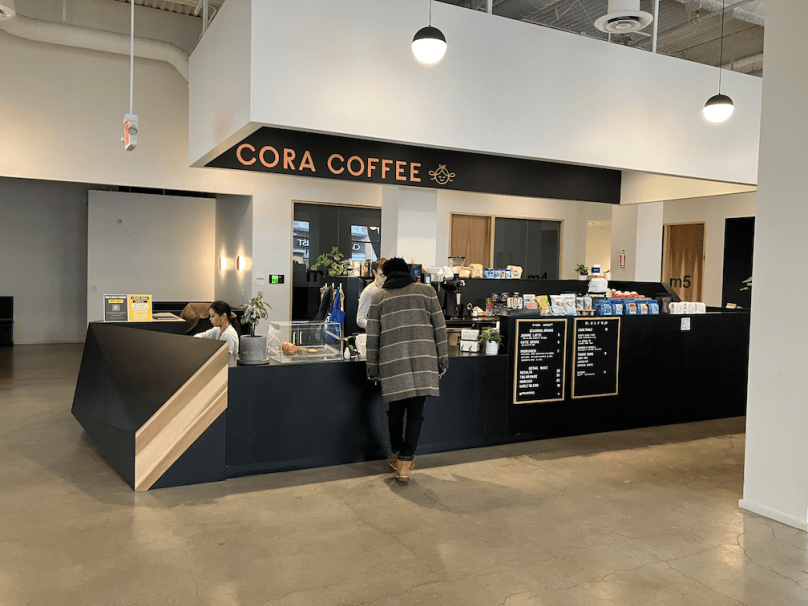
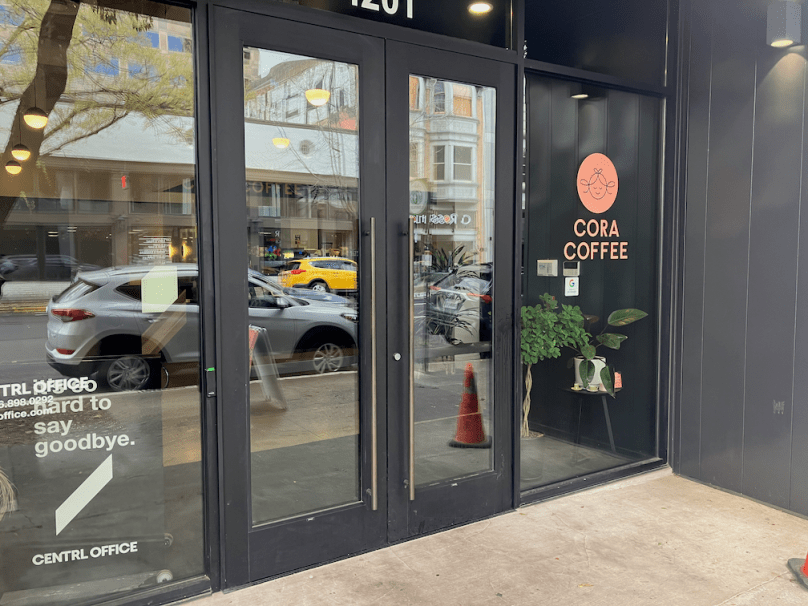
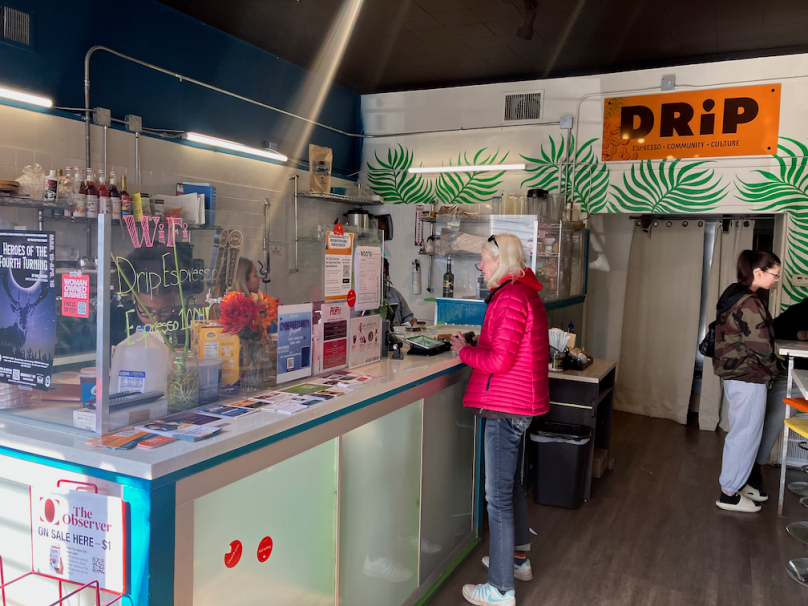
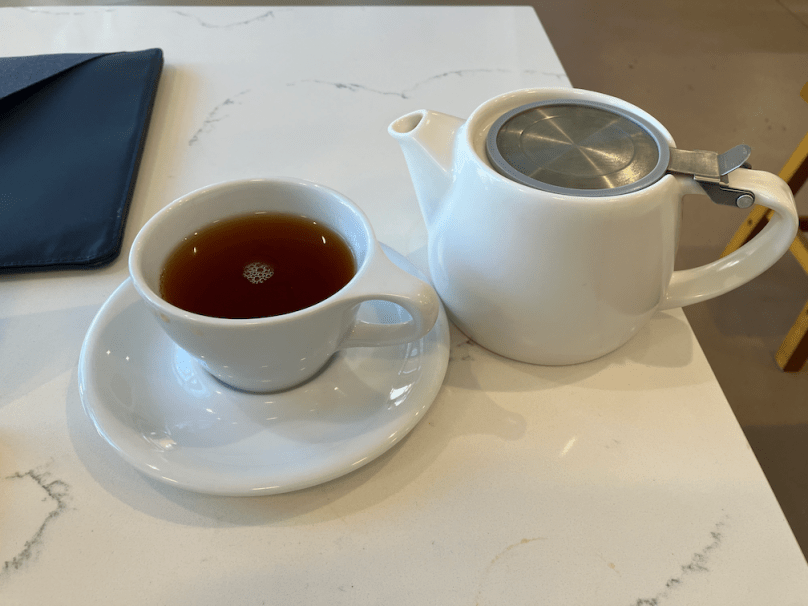
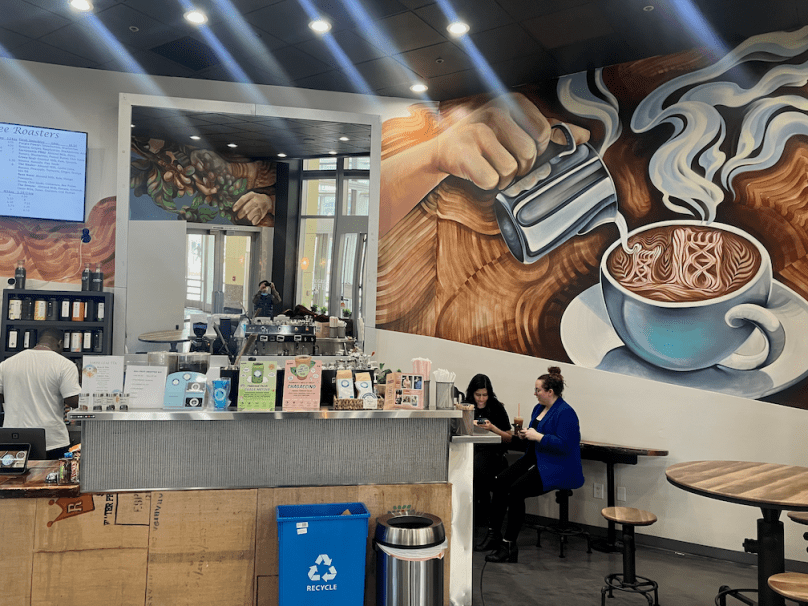
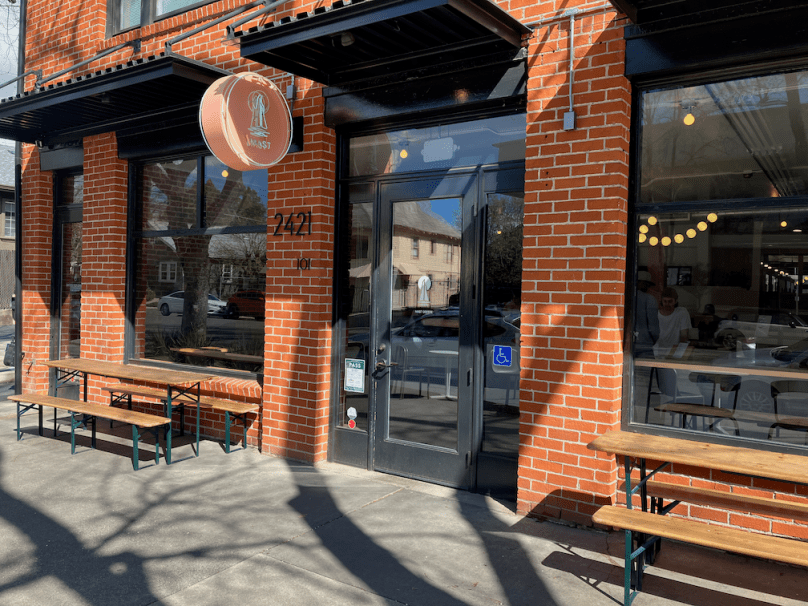
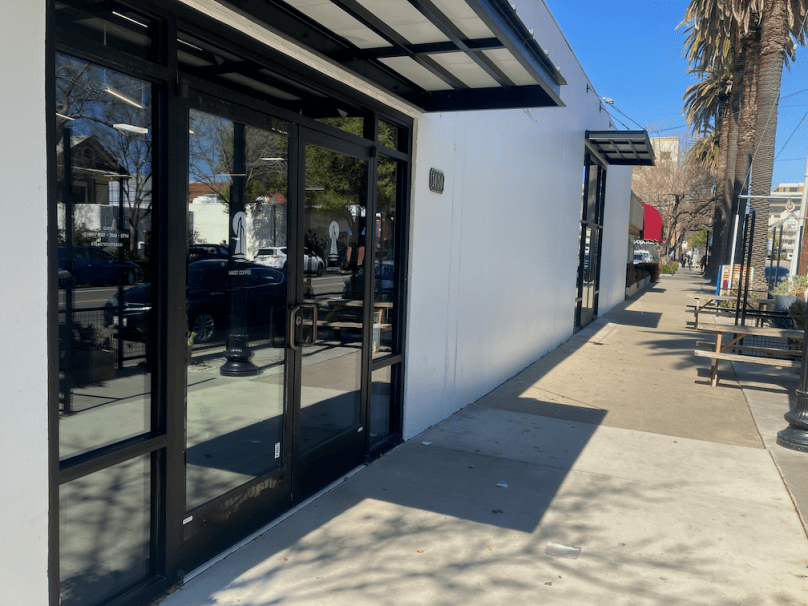
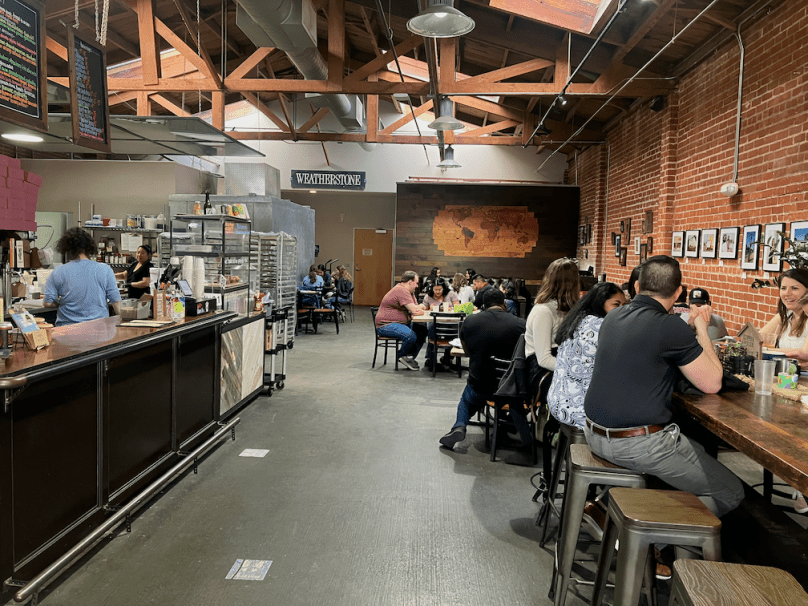
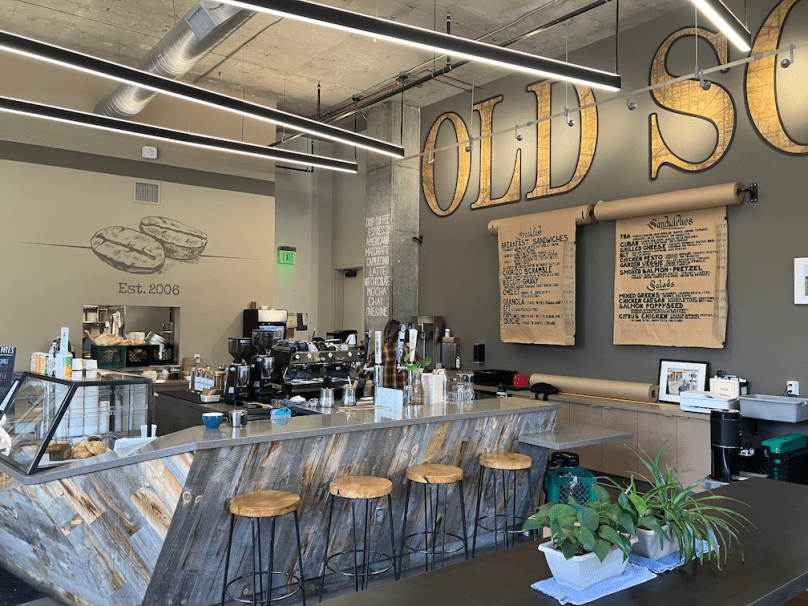
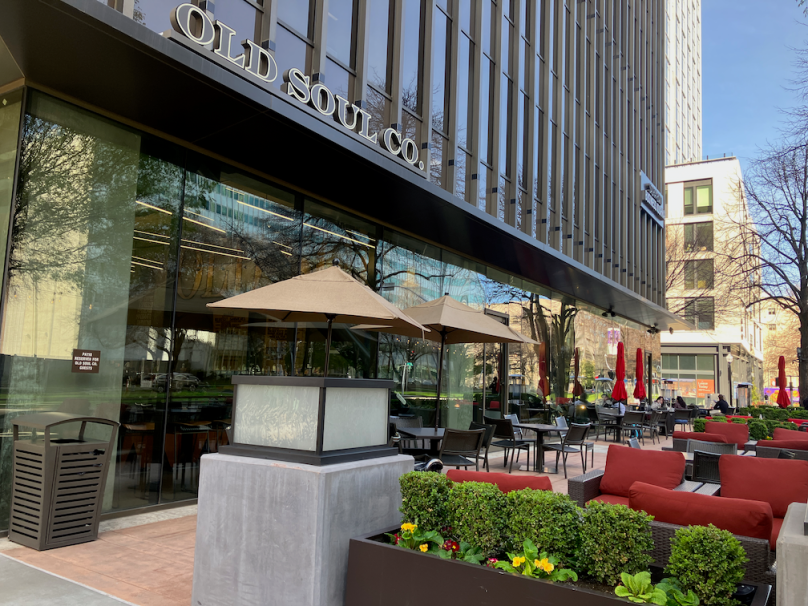
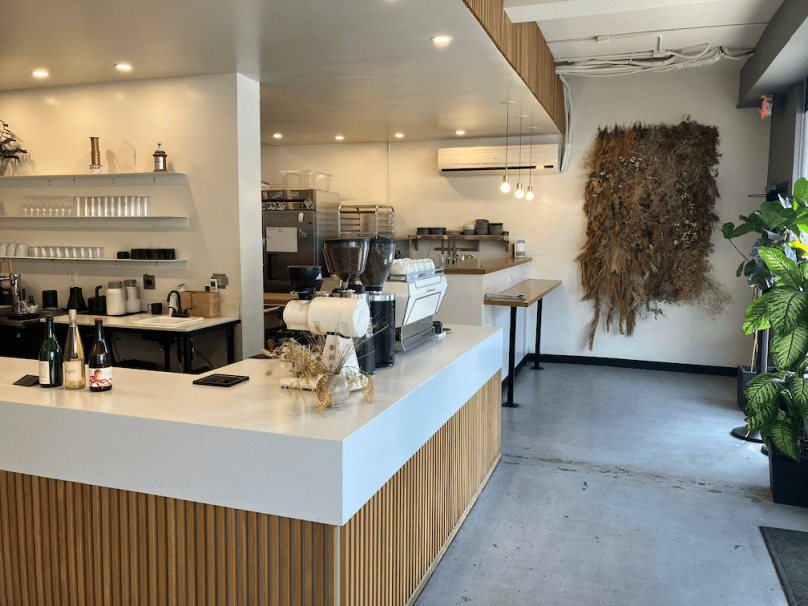
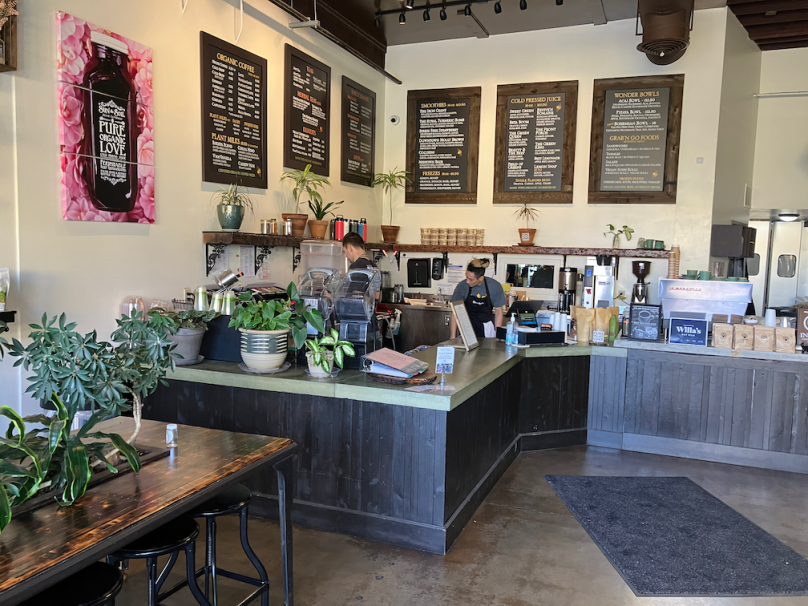
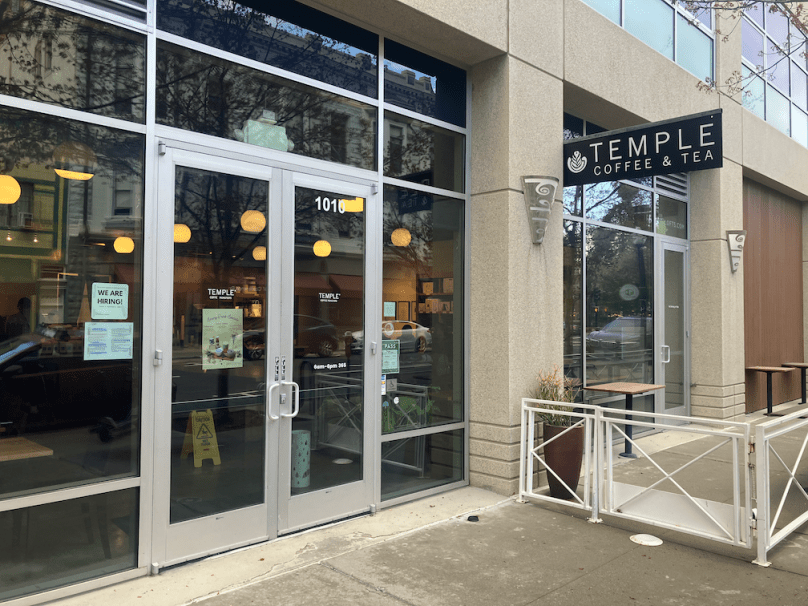
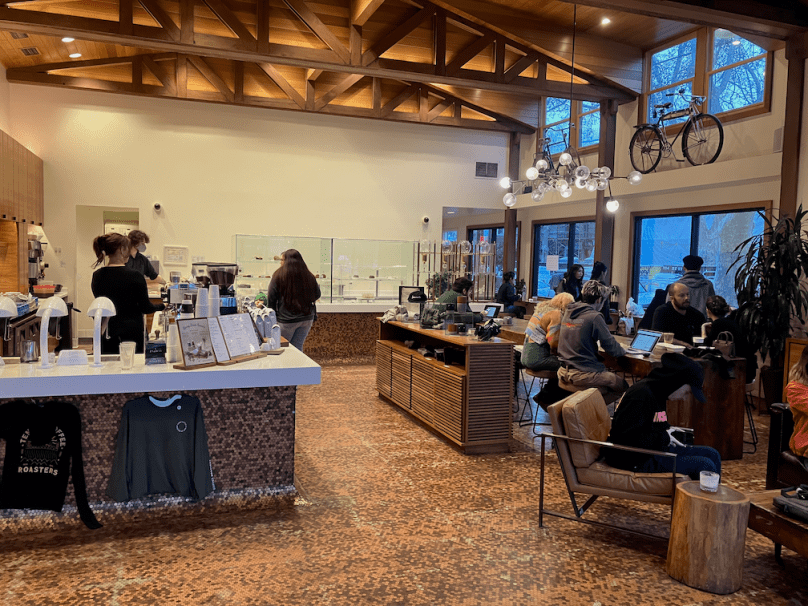
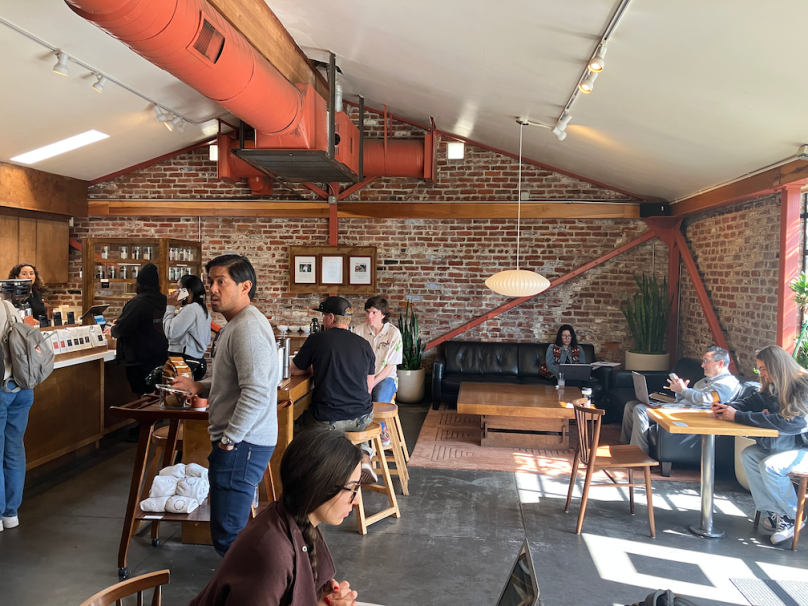
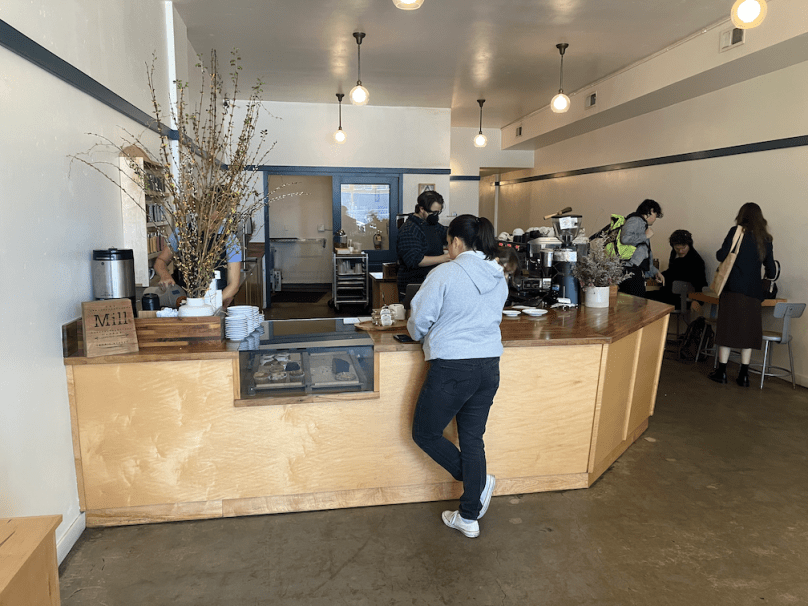
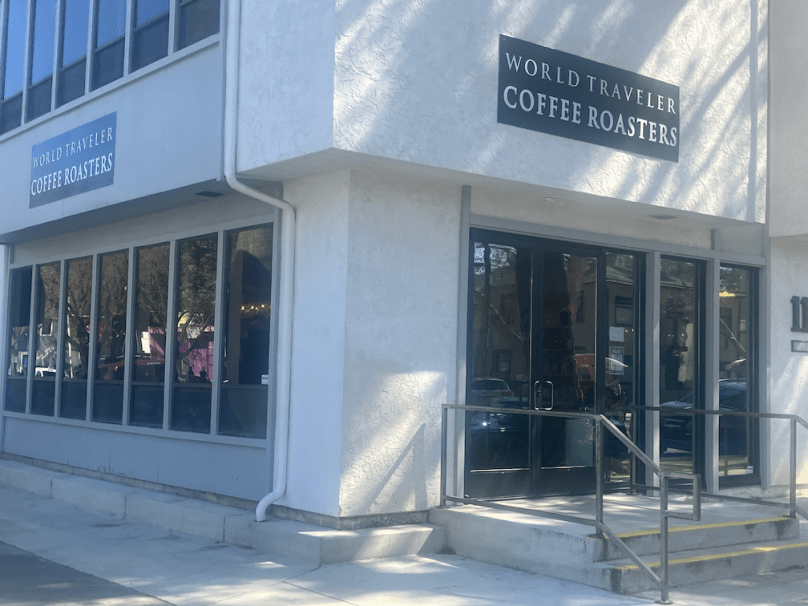
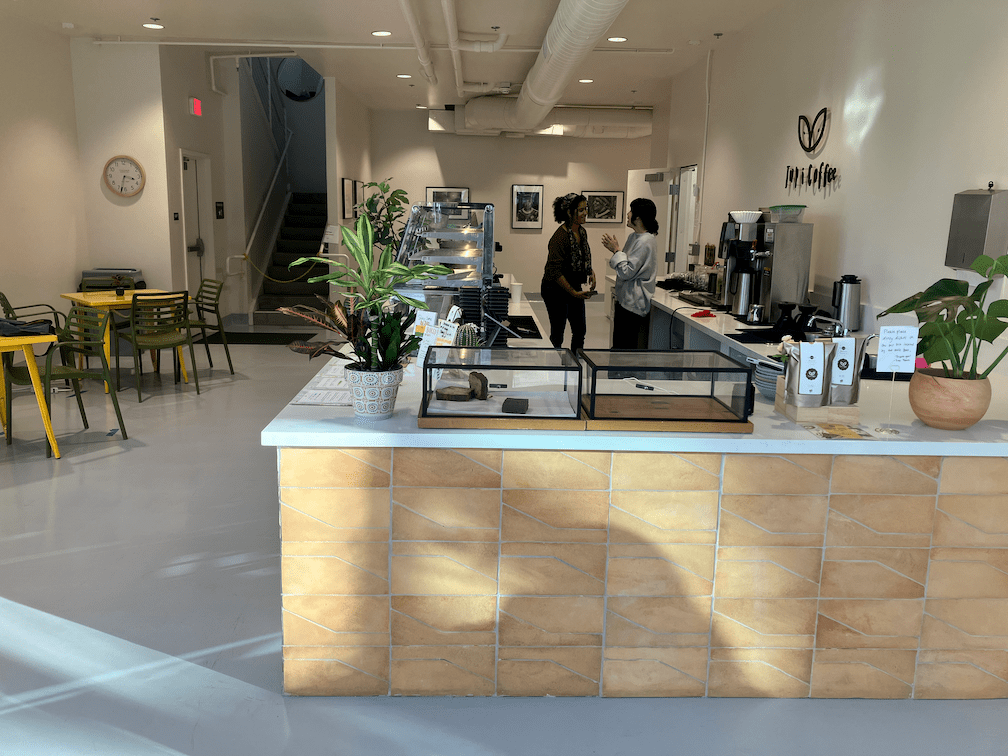
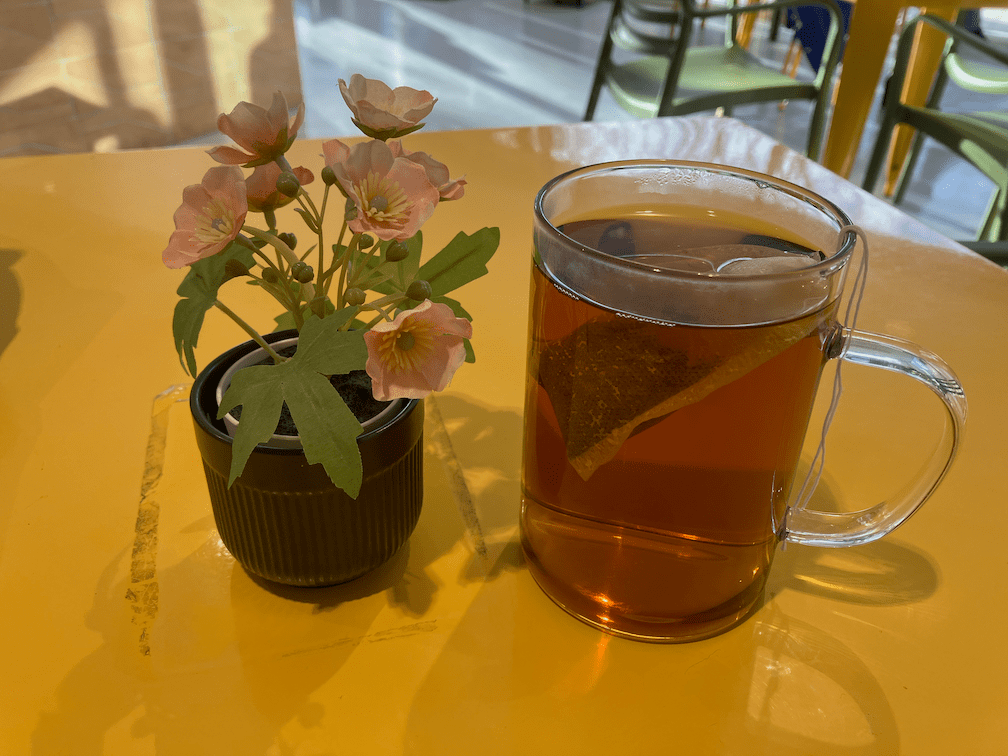
I visited each coffee shop location on the grid. I attempted to take a photo of each, outside and inside. I also started taking photos of the tea service, but didn’t start at the beginning so only a few are in the slideshow.

complete streets failure

Summary: Complete streets concept is a failure because it doesn’t address frequent safe crossings. It leaves streets dominated by motor vehicle traffic while not necessarily increasing safety or welcoming design for walkers and bicyclists.

A recent post on Strong Towns (Ager Road: Where Complete Streets Fell Short) shows a street that was converted to a ‘complete street’, and won awards, but is actually less safe and less pleasant than what was there before. A fatality occurred shortly after the conversion, perhaps as a result of the conversion increasing vehicle speeds, perhaps not, but the conversion did nothing to reduce the likelihood.

From the post: “This is a stroad in disguise,” remarked Strong Towns Director of Community Action Edward Erfurt when examining Ager Road in Hyattsville, Maryland. And a Twitter post below.

My response:

The complete streets concept is largely a failure, everywhere it is implemented. I’m sure the original intentions were good, but every complete street project I’ve seen affirms the primacy of motor vehicles over other modes. The greatest failure of all is not what happens along the street, but that the concept does not even address the need for frequent safe crossings of the roadway. No wonder traffic engineers have embraced the concept – it allows them to continue motor vehicle dominance and accept traffic violence.

Dan Allison

So you can see the present ‘complete street’ more clearly:

Google Street View of Agar Rd, referenced on Strong Towns

The complete Streets concept is all about travel ALONG streets. Though it recognizes that crossings of streets are important, and encourages designs that make crossing safer and more welcoming, it does NOT address the frequency of safe crossings. The Complete Streets Coalition, part of Smart Growth America, does not require that complete streets policies include anything about the frequency of safe crossings. And so nearly all polices do not address that. The Caltrans policy, which applies only to state highways but is often applied to other streets, does not mention the frequency of safe crossings.

Traffic planners and engineers have embraced the Complete Streets concept, and tout policies and implementation. But what do we really end up with in most cases? Just more motor vehicle dominated streets, which is what most traffic planners and engineers want anyway, and claiming a complete street isolates them from criticism of the roads being designed and built, while making it more likely that they will be a federal, state, or regional grant for their project. Very few projects are awarded grants these days unless they claim to be a complete streets project. That is good, but the bar is set so low for what can be called a complete street, that the result is just more car infrastructure.

The project shown in the Strong Towns post checks off the following elements:

  • sidewalk, check
  • bike lane, check
  • green paint, check
  • general purpose lane(s), check
  • fence to prevent walkers from crossing any place other than the signalized intersection, check (I put this here with tongue in cheek)

What it does not check:

  • narrow the travel lanes to calm traffic
  • reduce the speed limit or actual speed through design
  • remove slip lanes (ask any bicyclist how they feel about bike lanes that cross high speed slip lanes)
  • reduce the corner radius at driveways
  • install or maintain street trees to calm traffic and provide shade for walkers
  • widen sidewalk buffers to ensure healthy trees and vegetation
  • create a pleasant walking environment
  • provide wayfinding to the nearby Metro station

The next time you hear a planner or engineer mention ‘complete streets’, hold on to your wallet (because, after all, it is your tax dollars that fund ineffective projects), and look around you to identify the traffic violence that will remain or even be increased.

The first step in designing a safe and welcoming streets is top ensure that there are safe and welcoming sidewalks and crossings of the street. Everything else comes after that, if at all. Adding bicyclist facilities that are neither safe nor welcoming, and reducing the the environment for walkers in trade, is going the wrong direction, and will lead to less walking and more traffic violence.

half-measure corners?

Summary: The city should not install curb islands at corners, as it is currently doing, but rather install much safer and more effective true curb extensions, even if fewer can be installed now. Temporary installations can be used at other corners.
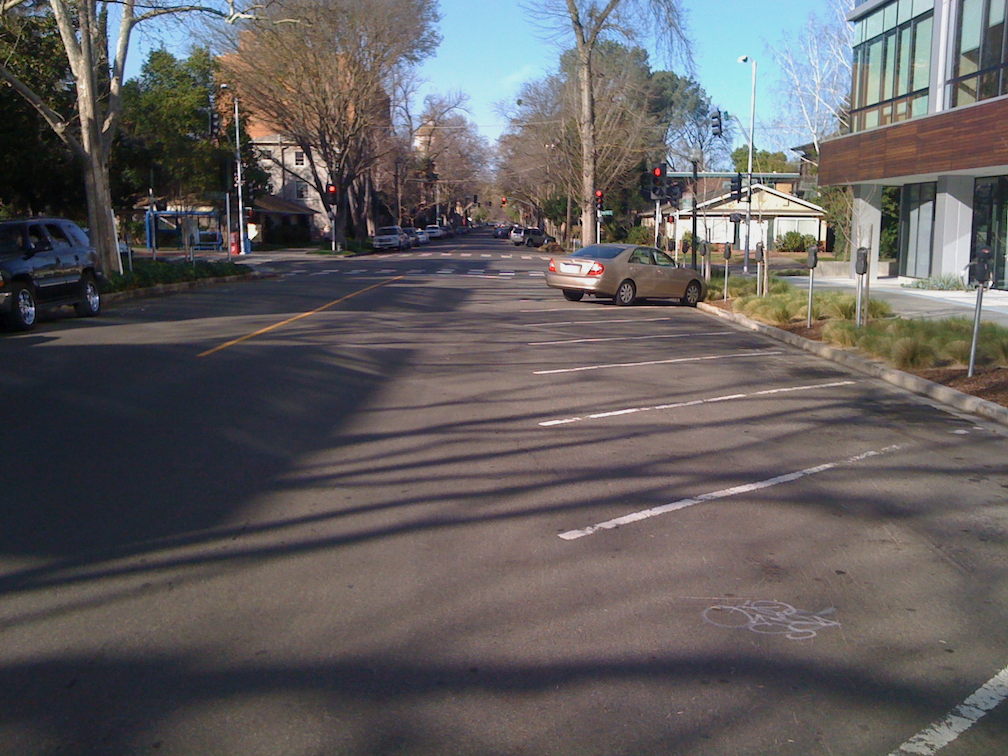
The City of Sacramento is currently re-doing a number of intersection corners in midtown. Most of these corners are along 21st Street, so far as I’ve noticed, but some are on other streets, and there well may be other locations I’ve not noticed yet. Last week crews were out saw cutting asphalt at corners, in preparation for new concrete work. The existing corner concrete and ramps have been removed from at least two corners, and at the 21St Street and O Street corner there is form work for whatever is going to replace the old corners.

The first photo is of the saw cuts at P Street & 19th Street. The cuts don’t really stand out, but they do indicate the areas that will be changed.

19th St & P St, SW corner, asphalt cuts for corners changes

It appears from the saw cuts that what is going to be constructed is something similar to the existing northwest and northeast corners. Northwest is shown below. I am not sure what to call these. They are not in the city’s street design standards, and almost the only place where I’ve seen them is Sacramento. I looked at several other cities to see if these were in their street designs, and they were not. So, just to call them something, I’m going to call them ‘curb islands’. The City of Los Angeles calls these floating curb extensions, but apparently their intended use is with bike lanes, not with gutters.

19th St & P St, northwest corner, corner islands
Read More »

SacCity street classification

Part of an ongoing series of posts to support better streets in the City of Sacramento during their 2023 update of Street Design Standards. New standards must be innovative, safe, and equitable, and it will take strong citizen involvement and advocacy to make them so.

After much thought, and feedback from other transportation advocates, I am finally ready to propose street classifications for the revision of the street design standards. I have written about street classification before: how to classify streets?; NACTO yield street; NACTO neighborhood main street; NACTO downtown streets.

I am offering only three street classifications. I know most classification systems use more, but I’m for simplicity. A key part of this classification scheme is that streets with more than two lanes per direction are NOT streets, and should be called roads instead. Of course they are stroads, but the city is unlikely to use that term. A road is for traveling, and therefore should have few to no driveways and few to no turning movements. Every driveway and ever turning movement is an invitation to conflict and crashes. The arterial roadways in the city fit into the stroad category. We don’t need them, and we should never construct another.

Street classification (see below for diagrams):

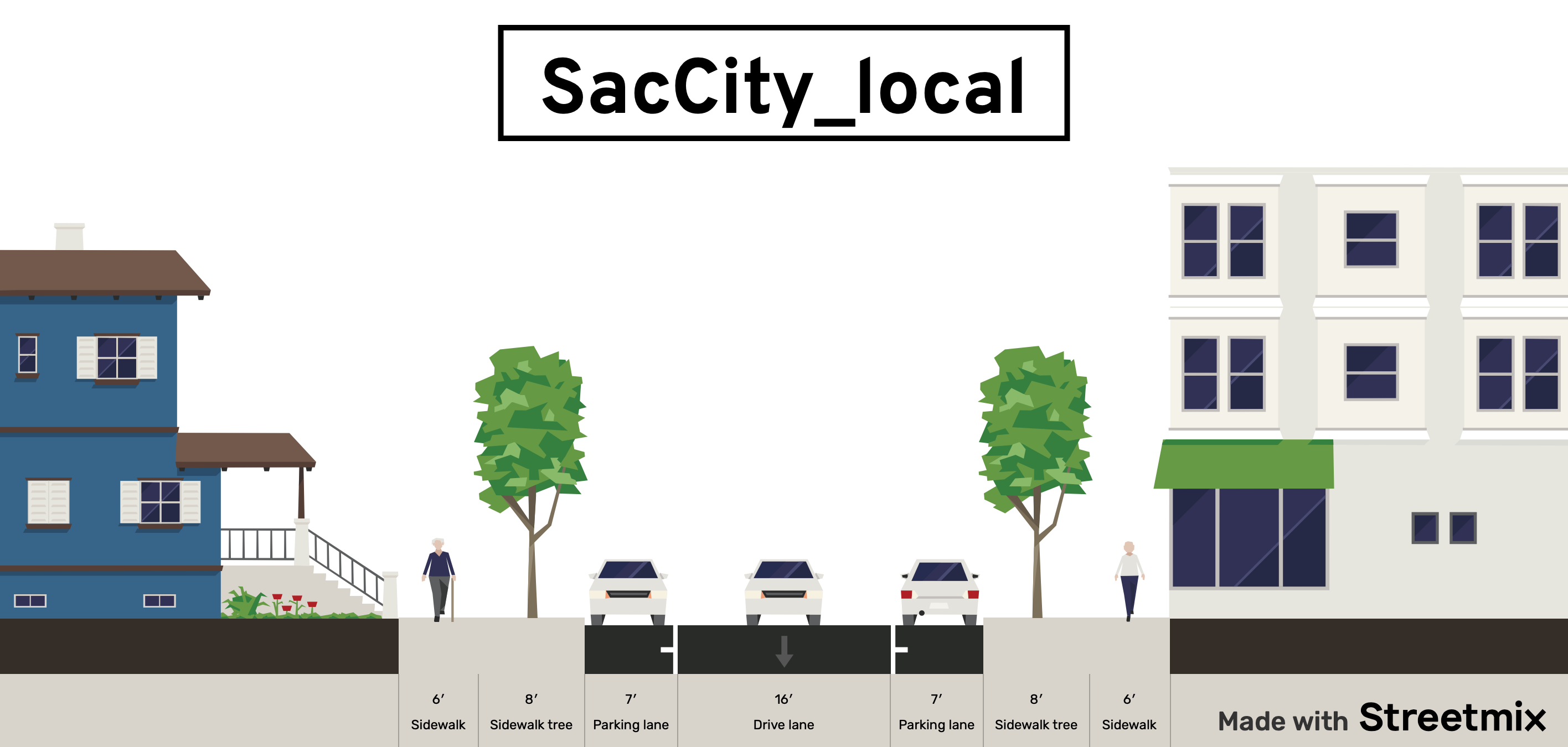
  • local or yield: narrow lane (unmarked), parking, up to 20 mph; for local travel
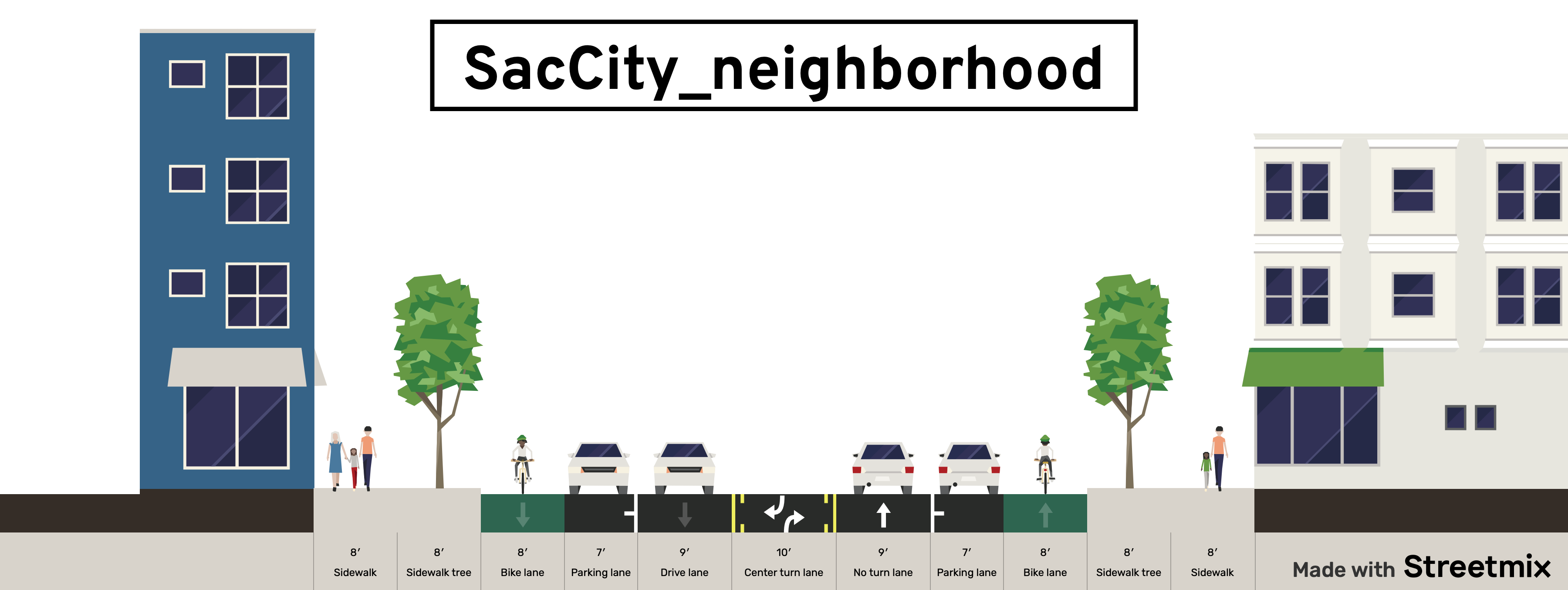
  • neighborhood: two lanes, regular bike lanes, up to 30 mph; for local and through travel
  • corridor: two to four lanes, bus lanes, separated bikeways, up to 40 mph; for local and through travel
  • traditional functional classification system (arterial, collector, local) will not be used; classification into residential, commercial, etc will not be used since all areas may be mixed use
  • new or reconstructed streets will not be designed for more than two lanes per direction

Policies

  • All one-way multiple lane streets should be considered for conversion to two-way streets
  • One-way single lane streets will be considered for narrow right-of-ways widths or where right-of-way is needed for other purposes
  • Streets which are repaved and re-striped (reallocated) but not reconstructed will include striping that increases safety and reduces speeds
  • Reconstructed streets will be designed for the level of VMT (vehicle miles traveled) or  ADT (average daily traffic) that is desired for safety, livability and economic vitality; the design or posted speed limit prior to reconstruction will not control in any way the new design
  • Design for reconstructed streets will consider the reduction or consolidation of driveways, and particularly of driveways that are too close to intersections
  • Driveway width for single family residences will be no more than 10 foot width; driveways for multi-family and commercial areas will be the minimum required by fire agency
  • Center turn lanes will be used only where frequent turning movements into or out of driveways are expected and accepted; they will not be used to fill excess roadway width
  • Speed humps or tables on a street generally indicates a failure to design for the desired speed, and will not be used on new or reconstructed streets, and only as a temporary solution on other streets
  • When streets are re-striped after repaving, but are not reconstructed, the excess lane width will be devoted to other uses or marked off as invalid travel areas
  • Designs will not include dedicated right hand turn lanes, and will not include multiple left hand turn lanes
  • Rough pavement surfaces such as brick, cobblestone, or stamped concrete will be considered whenever reduced speeds are desired; however, crosswalks and bike facilities will be smooth
  • Rolled curbs will not be used on new or reconstructed streets  
  • Streets which are repaved will implement, to the degree possible, the same design as reconstructed streets via right-of-way reallocation and striping

Design diagrams:

  • NACTO-like diagrams which show the overall design of each street type
  • One-lane, one-way streets
  • Woonerfs (shared streets) without curbs and with design elements to ensure speeds of 10 mph or less
  • Bioswales for management of storm water

The remaining post in this series will be about intersection of neighborhood streets, and corridor streets. Stay tuned!

local or yield street diagram, 58 foot right-of-way width, center lane is bi-directional and narrow, from StreetMix
neighborhood street diagram, 90 foot right-of-way width, from StreetMix
corridor street diagram, 90 foot right-of-way width, from StreetMix

SacCity motor vehicle parking

Part of an ongoing series of posts to support better streets in the City of Sacramento during their 2023 update of Street Design Standards. New standards must be innovative, safe, and equitable, and it will take strong citizen involvement and advocacy to make them so.

  • Street design will recognize that on-street parking may have a traffic calming effect, however, this effect will not preclude the use of existing parking for other purposes, including but not limited to wider sidewalks, bicycle facilities, parklets, street dining, bicycle and shared mobility parking, planting strips or parking lane trees, and transit lanes
  • Where current streets with parallel parking have excess width that encourages speeding, one or both sides of the street should be converted to diagonal parking; new diagonal parking will be back-in
  • Parking design will offer dedicated loading and delivery zones as needed; and will include time-limited green curb as needed by businesses
  • Parking spaces will be sized for normal passenger vehicles; oversized width or length vehicles may be restricted to certain spots or areas which are designed for them
  • Parking areas of streets need not be maintained to the same level as travel lanes

Parking Management

  • Parking will be managed and priced so as to create about 15% open parking on every block
  • Free parking will be eliminated throughout the city; where metered parking is not practical, parking permit fees will be set at a level that recovers the complete expense of parking space installation, maintenance and management

▾ Design diagrams:

  • Parallel marked and unmarked spaces
  • Diagonal parking (back-in)
  • Curb and pavement markings for prohibition (red), loading (white), delivery (yellow), and time limited (green) parking
diagonal parking on 26th St, Sacramento

SacCity signal management

Part of an ongoing series of posts to support better streets in the City of Sacramento during their 2023 update of Street Design Standards. New standards must be innovative, safe, and equitable, and it will take strong citizen involvement and advocacy to make them so.

  • Signal cycles will be the shortest timing consistent with ample time for walkers to cross
  • Shorter crossing distances and therefore shorter signal cycles can be created via lane reductions and curb extensions 
  • Signalized intersections will be evaluated for signal elimination and conversion to stop-controlled intersections
  • Leading pedestrian intervals (LPI) will be installed at all signalized intersections with pedestrian signals; LPIs will be a minimum of three seconds, longer in high pedestrian crossing areas
  • All pedestrian activation buttons will be removed, or will be converted to audible-only signal activation. Temporary signing will be installed when a button has been deactivated but not yet removed.

I earlier posted on too many traffic signals? in the central city, which should be eliminated in favor of stop controlled or yield controlled intersections.

SacCity sidewalk design standards

I’ve written about existing sidewalk buffers or lack thereof (sidewalk buffer widths), and a solution for areas without sidewalk buffers (street trees in the parking lane), and now on to sidewalk standards. Sidewalk areas are composed of the sidewalk, sidewalk buffer (also called planting strip or furniture zone), and pedestrian scale lighting.

Design criteria:

  • All new or reconstructed streets will have sidewalks, sidewalk buffers, and pedestrian scale lighting
  • Reallocated or mitigated streets will have sidewalk buffers added if right-of-way can be reallocated
  • Sidewalk areas may also include sidewalk-level bicycle facilities
  • Attached sidewalks (sidewalk adjacent to the curb) will not be used for new or reconstructed streets
  • Sidewalk width:
    • Minimum sidewalk width will be six feet in areas of 85% of more residential
    • Minimum sidewalk width will be eight feet in all other areas
    • Sidewalks must be completely free of obstructions, encroachments, or driveway aprons into their minimum width
    • Sidewalks adjacent to and within 1/8 mile of schools will be a minimum of 8 feet; sidewalks used for drop off/pickup will be a minimum of 10 feet
  • Sidewalk buffer width:
    • Minimum sidewalk buffer width will be eight feet in order to accommodate a canopy of mature trees; if a lesser width is available, parking areas will be considered for tree placement
    • Sidewalk buffer may also accommodate street related infrastructure and utilities, street furniture, bike and scooter parking, dining areas, bioswales, and other related uses
  • Sidewalks will receive priority use of right-of-way; travel and parking lanes, and bike facilities, will be placed in remaining right-of-way
  • Bus stop amenities will not be placed within the sidewalk minimum width; the sidewalk buffer may serve as clear sidewalk abutting the curb, with appropriate design and transition; transit amenities may also be placed on transit islands away from the sidewalk and sidewalk buffer
  • Sidewalks will be continuous over driveways and alleys, without interruption of design or materials
  • Pedestrian scale lighting will be provided along the street length; motor vehicle scale lighting will not be considered sufficient; intersections and crosswalks may be lit with motor vehicle scale lighting

Design diagrams:

  • Sidewalks of six or eight feet, with sidewalk buffers of at least eight feet
  • Tree planters or wells in the parking lane or curb extensions
  • Alley entrances and sidewalk crossings of alleys
  • Driveway crossings of sidewalk, with design indicating walking priority
  • Bus stop amenities (benches, shelters, etc.) with a sidewalk area clear of encroachment
  • Transit island diagram here or in the transit section
walkers at Capitol Park sidewalk N St & 15th

SacCity street design for transit

Part of an ongoing series of posts to support better streets in the City of Sacramento during their 2023 update of Street Design Standards. New standards must be innovative, safe, and equitable, and it will take strong citizen involvement and advocacy to make them so.

The purpose of designing streets for transit is to actively shift trips away from private motor vehicles and to transit. Most arterial streets in the city should have dedicated bus rapid transit design, and any street with more than one general purpose lane per direction should have a dedicated bus lane, with red paint.

  • Transit Street Design Guide will be used along with close collaboration with the transit agency to determine optimal and innovative street designs supportive of transit
  • Dedicated bus lanes will be provided on all 15-minute frequency bus routes on streets over one lane per direction
  • Light rail will be given exclusive right-of-way on streets with three or more lanes existing; and considered for streets with two or more lanes existing
  • Bus bays which force buses to pull out of and into traffic will not be used, except where the transit agency has identified the need to wait for a timed stop or to layover
  • Curb extensions may be lengthened to provide in-lane bus boarding
  • Dedicated bus lanes shared with bicyclists will be used only when high quality bicycle facilities on an immediately parallel street are not available, or to solve right-of-way issues of one block or less
  • Bus routes with 15-minute or better frequency, and light rail, will have transit signal priority at all intersections

Design diagrams will be developed in cooperation with the transit agency:

  • Bus stops, including stop amenities, with preservation of sidewalk passage
  • Concrete bus pads to lessen pavement deterioration
  • Bus boarding extensions on streets without bike facilities
  • Bus boarding islands with bicycle facilities behind, including design features that slow bicyclist traffic behind the island to prioritize walkers
  • Raised platforms for low floor or level boarding of light rail vehicles
  • Bus rapid transit streets, including potential raised platforms

SacCity street design for bicycles and shared mobility

Part of an ongoing series of posts to support better streets in the City of Sacramento during their 2023 update of Street Design Standards. New standards must be innovative, safe, and equitable, and it will take strong citizen involvement and advocacy to make them so. See also separated bikeways and bus routes, sidewalk-level bikeways, and bike lane widths.

  • Bicycle facilities will be provided within 1/4 mile of every origin/destination
  • Regular bike lanes (Class 2) may only be used where design and posted speeds are 30 mph or less
  • Separated bikeways (Class 4) will:
    • be used for design and posted speeds above 30 mph
    • have a minimum width of 8 feet, to accommodate passing and wider devices
    • use hard curb protection where parking protection is not available, or parking utilization is low
  • Signals
    • Bicycle signals will be used as necessary to ensure safe crossing of intersections, appropriate priority for bicyclists, and safe transitions to and from separated bikeways
    • Signals at intersections will detect bicyclists in any lane
    • Streets that host large volumes of bicyclists in general purpose lanes or bike lanes will have signal timing for a green wave, accommodating bicyclist speeds of 12-15 mph and slowing motor vehicle traffic
  • Parking
    • Parking for shared mobility devices will be provided in sufficient quantity on wide sidewalks (over 8 feet) or in the street
    • On-demand bicycle parking (BikeLink or equivalent) will be provided at locations where bikes are commonly parked for more than two hours
    • The city will work closely with transit agencies to ensure that bus stops with significant bicycling first mile/last mile have sufficient bike parking
  • Transit
    • All bus routes with 30 minute frequency or better will have bus boarding islands with bike lanes or separated bikeways passing behind the island; shared bus/bike lanes will only be used to distances of not more than one block, in order to solve right-of-way issues
  • Streets that provide long distance travel on with low volume and low speed motor vehicle traffic will be designated as bike boulevards, with appropriate marking, signing, and traffic calming treatment
  • Shared mobility will be managed and/or owned by the city or transit agency with sufficient control to ensure social and transportation objectives, and stability

Design diagrams will include:

  • Bike lanes (Class 2)
  • Separated bikeways (Class 4)
  • Bike boulevards
  • Contra-flow and two-way cycletracks, for use where safe bicycle facilities are not 
  • available on an immediately parallel street
  • Sidewalk level bike facilities
  • Bicycle signal faces
  • Bicycle detection at signalized intersections
  • bus boarding islands

AB 825 (Bryan) Safe Passage for People on Bikes

Assembly Bill 825 been introduced to the California legislature by Issac Bryan. The bill would allow bicyclists to use sidewalks where safe street bicyclist facilities have not been provide by the transportation agency. Class 1 separated paths, Class 2 bike lanes and Class 4 separated bikeways are considered safe facilities. Note that Class 3 bike routes, which are only signing and sometimes sharrows, are not considered safe under this bill. It would limit speed on sidewalks to 10 mph and require that bicyclists yield to walkers. The bill passed Assembly Committee on Transportation last week and will go to Assembly Committee on Appropriations.

Take at look at the CalBike Support AB 825 for Safe Passage for People on Bikes page for more information, including a link to email your assembly member.

I posted two day ago about bicycling on sidewalk codes in Sacramento county. The county and all the cities prohibit biking on sidewalks unless they are recognized in the bicycle plan as being bike facilities. There are very, very few such designations. The City of Sacramento takes the reverse approach, that it is legal except where signed against, and there are currently no locations signed against.

Again, I’ll say that I don’t like bicycling on sidewalks, and I don’t do it, but I completely understand why others do. The are making the best decision they can to keep themselves safe from traffic violence. This bill recognizes that reality.