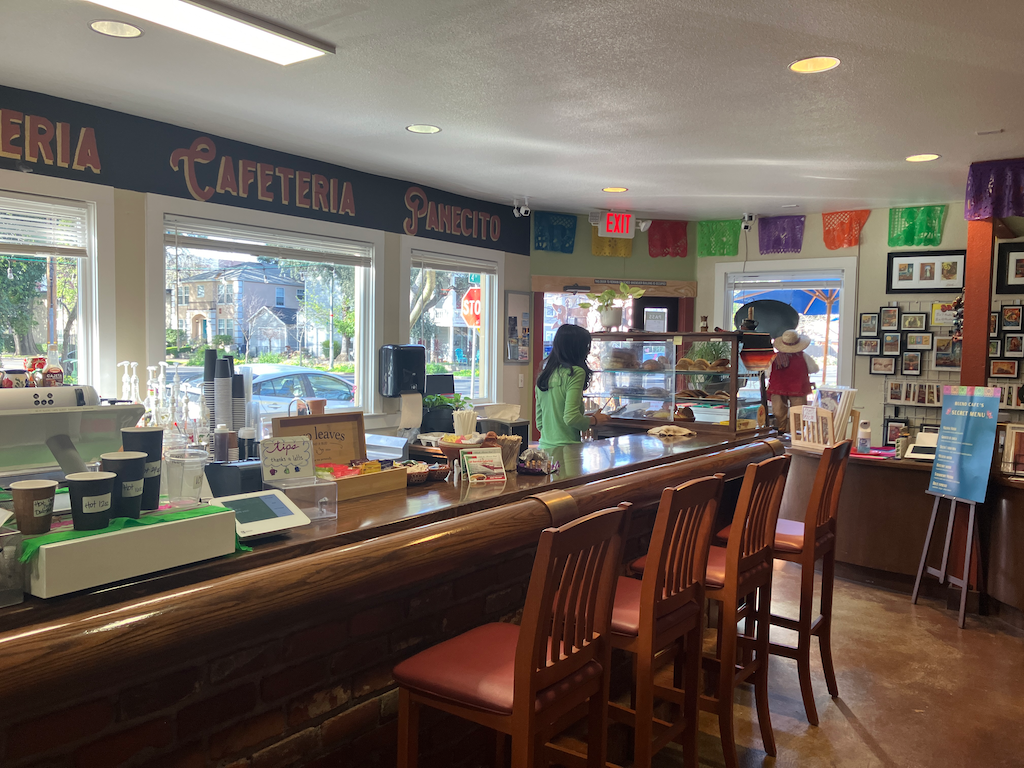
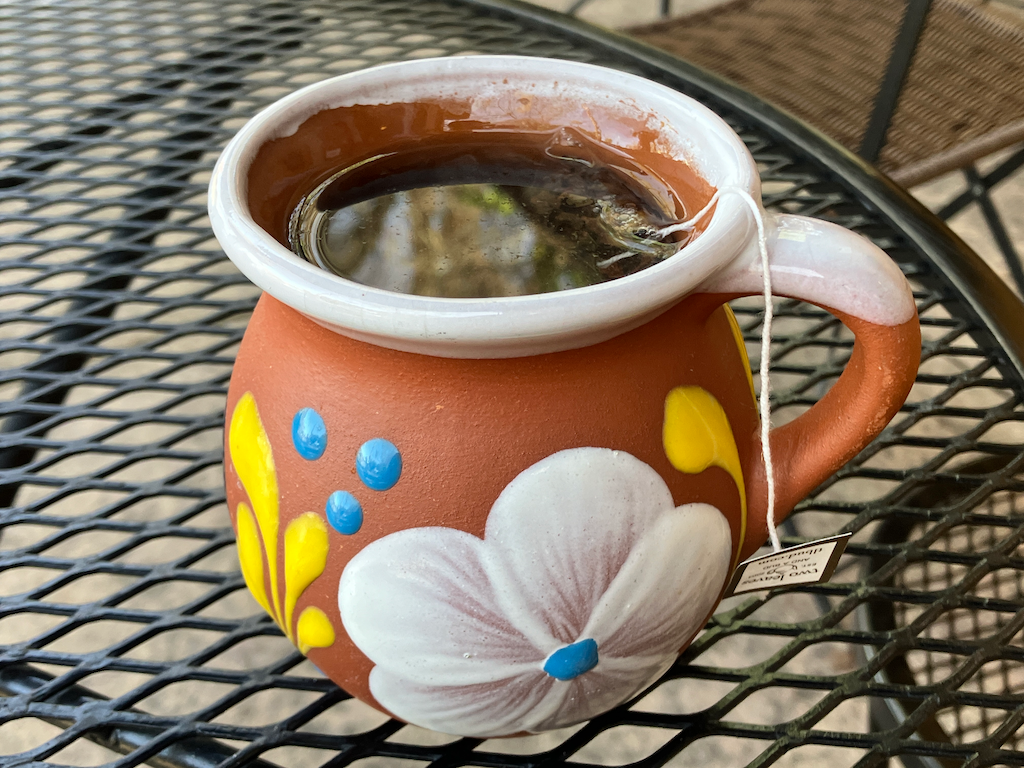
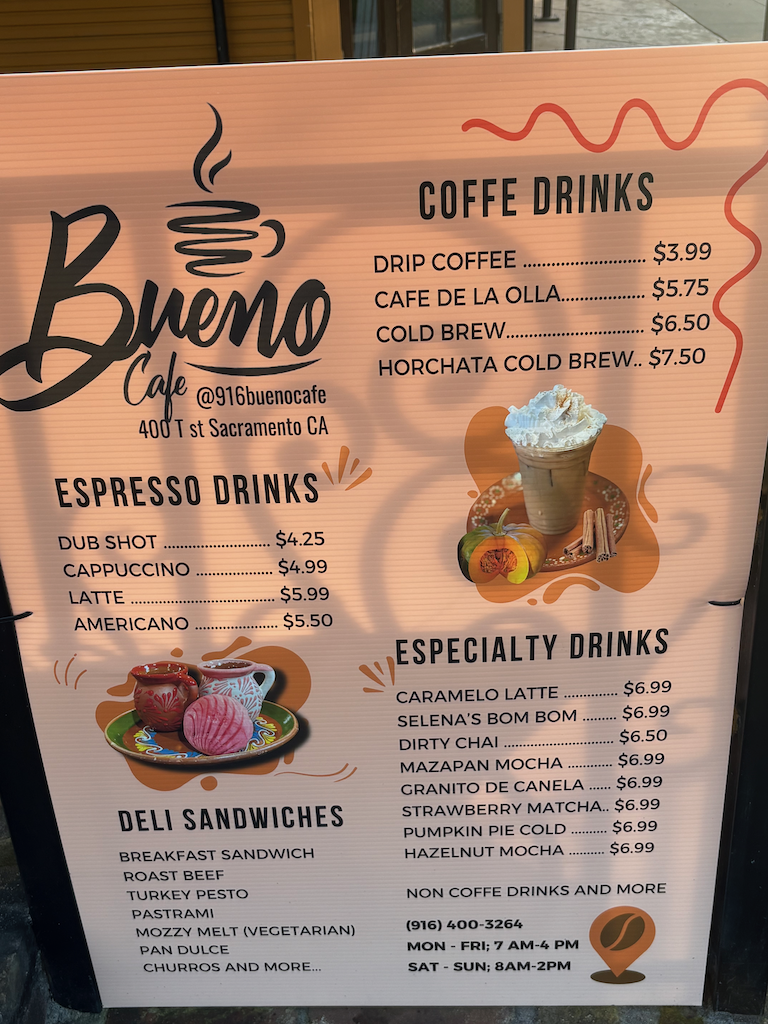
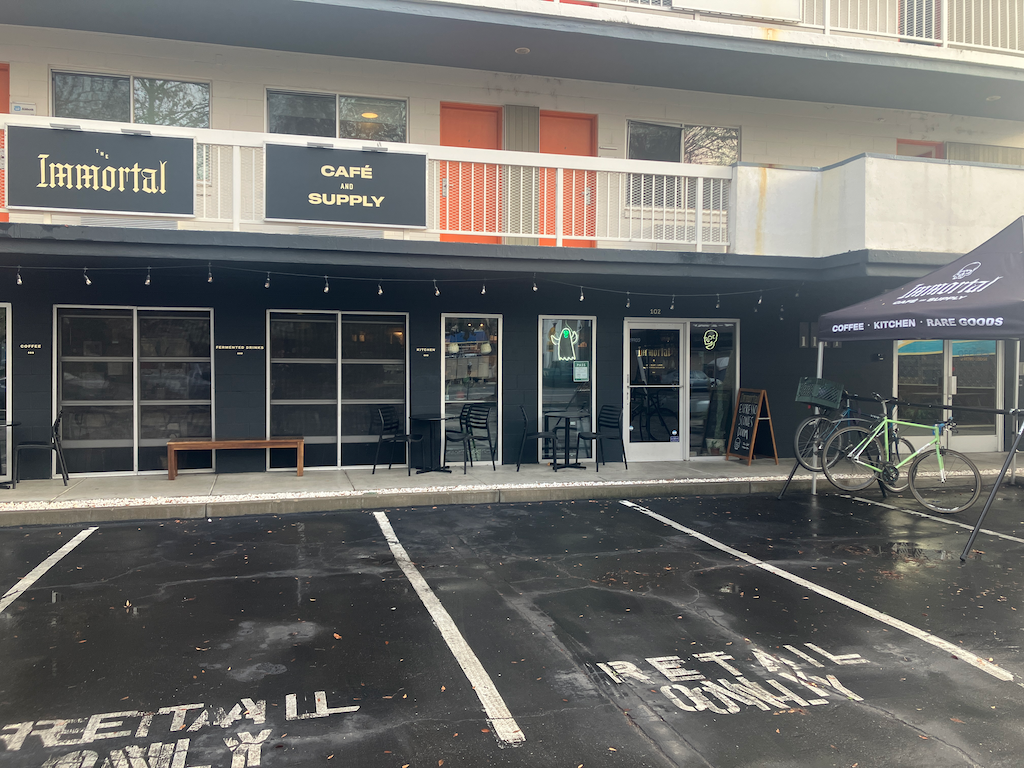
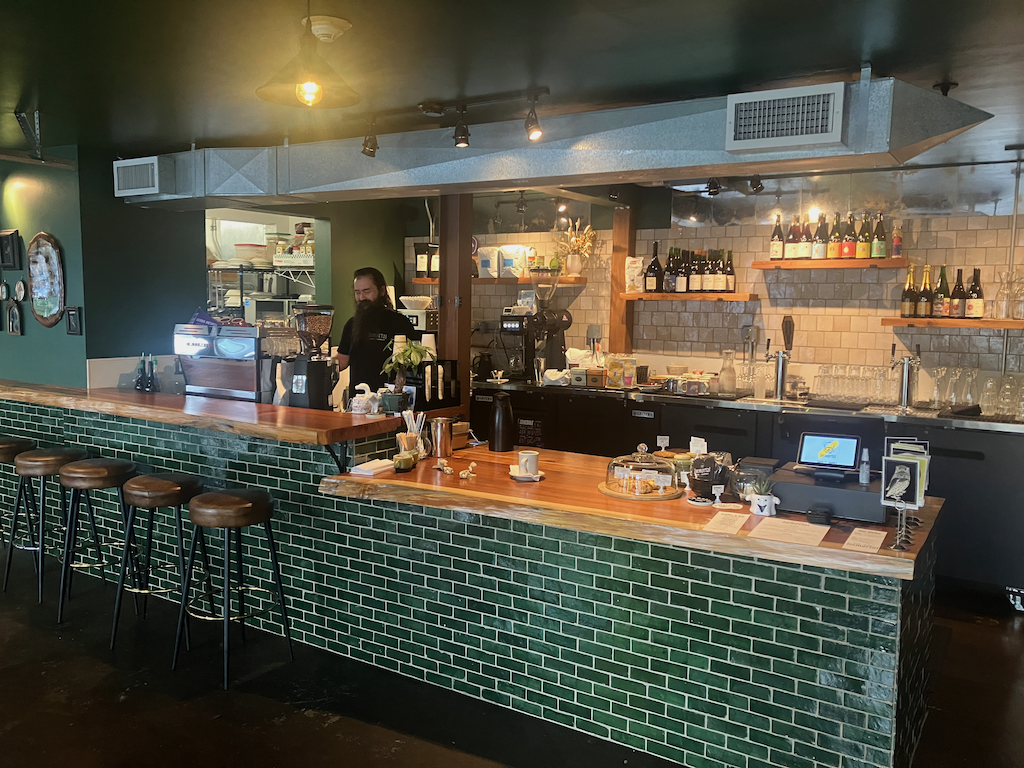
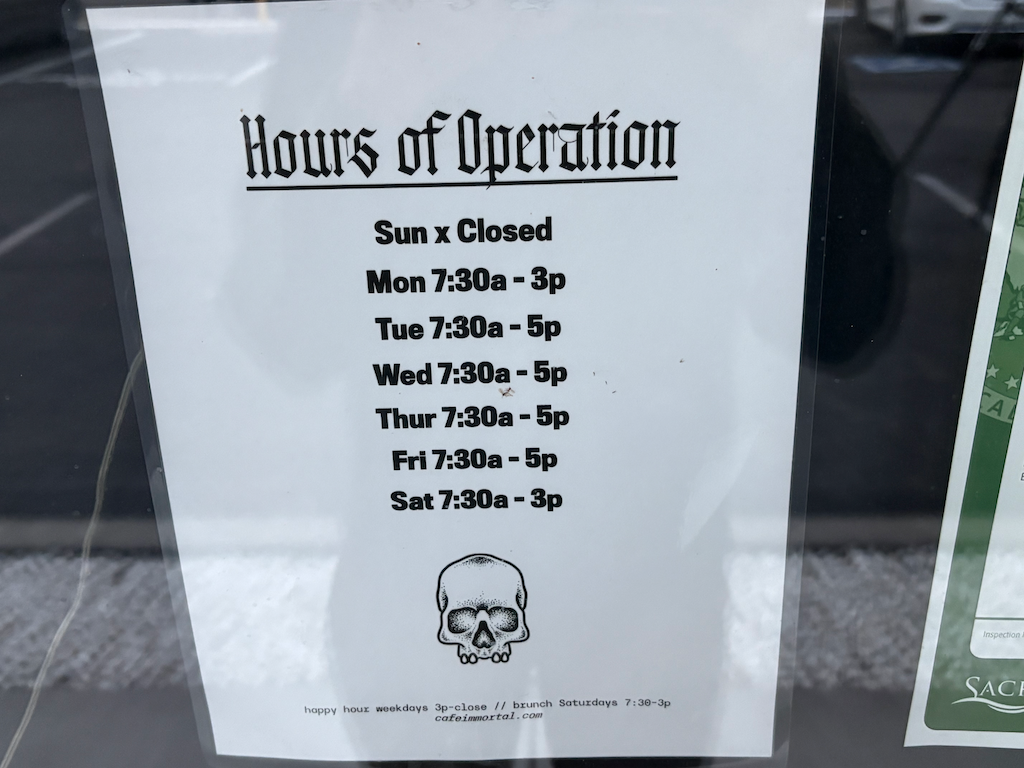
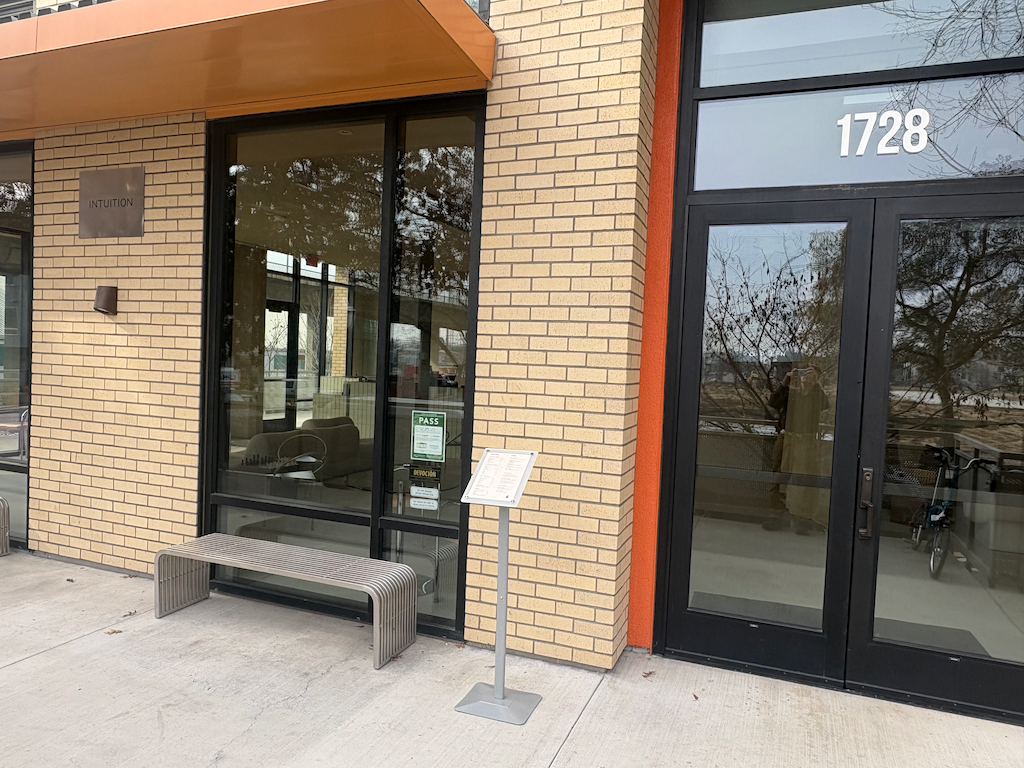
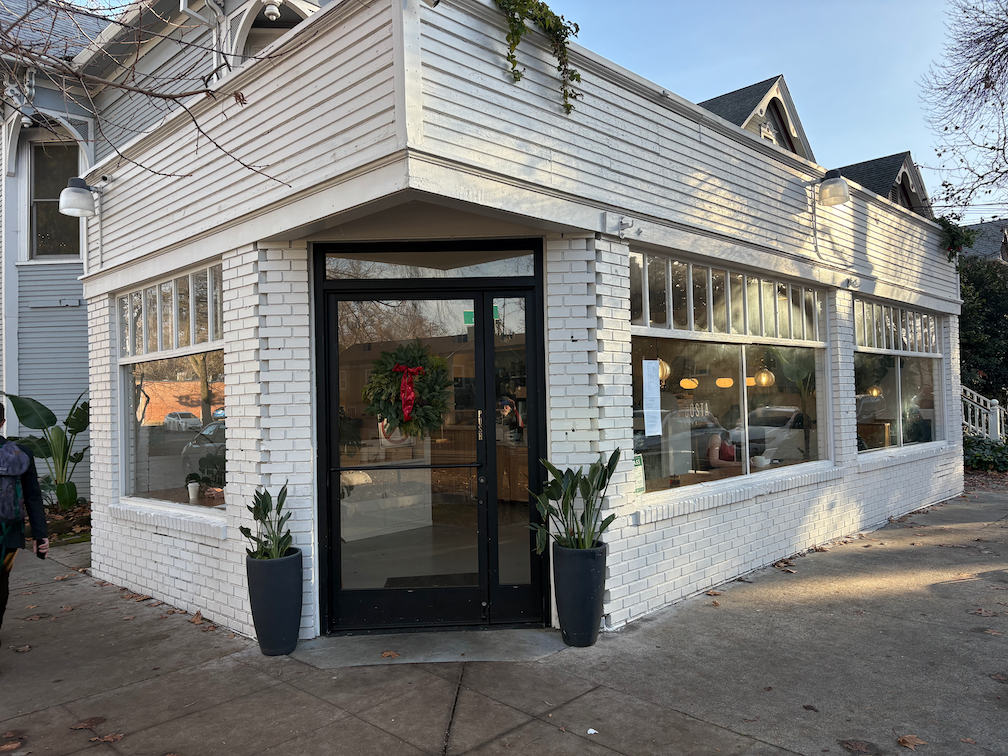
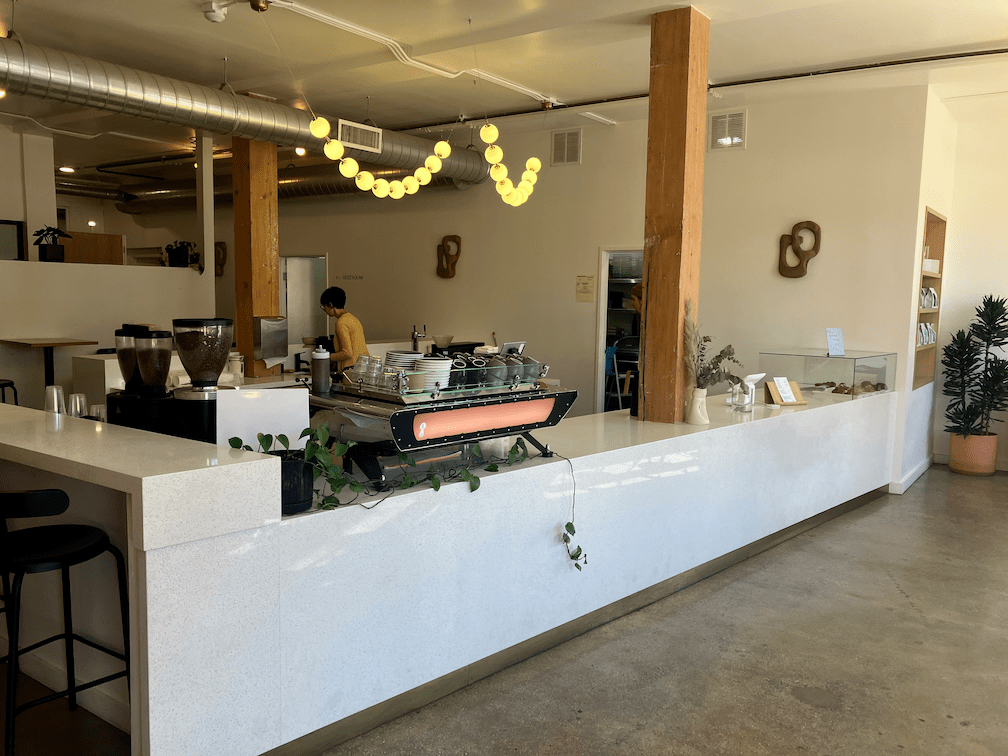
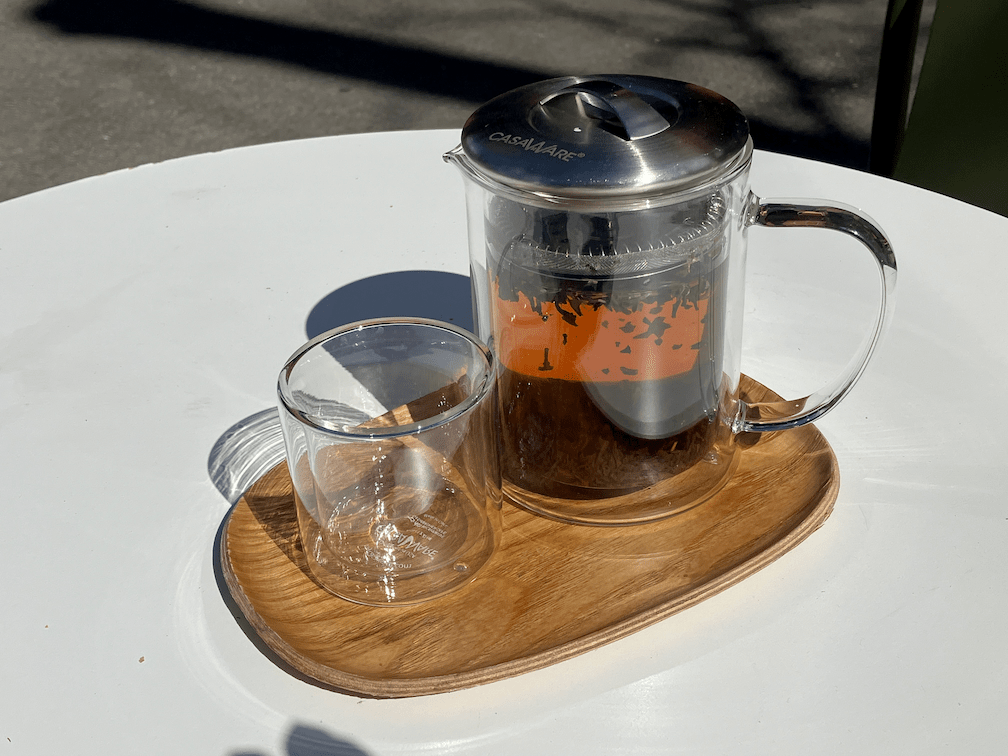
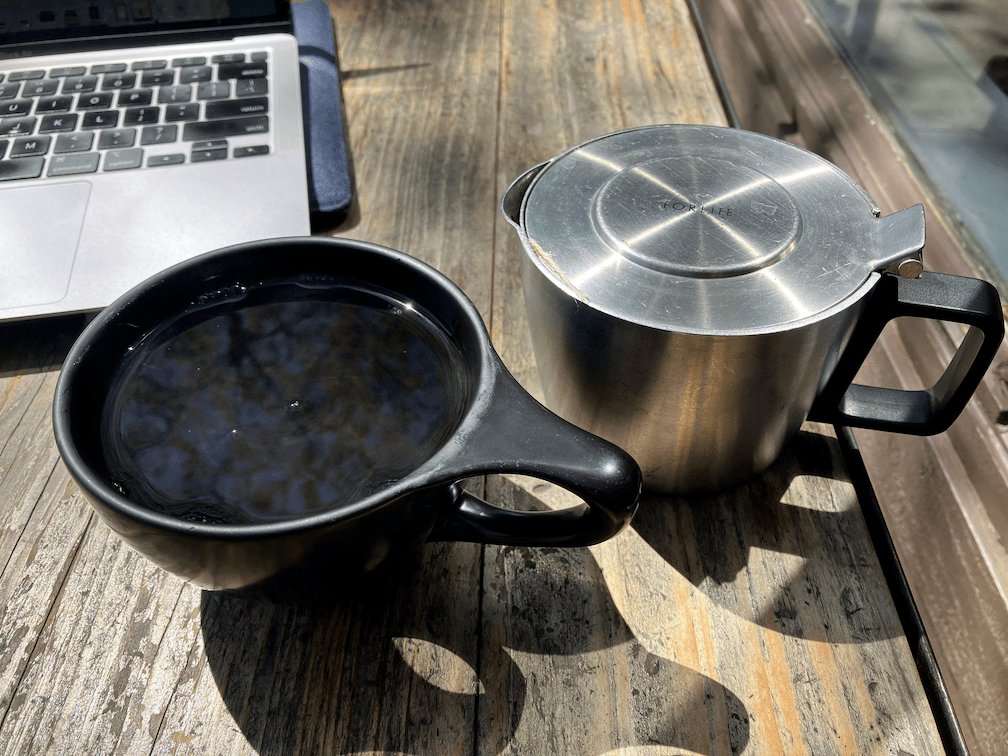
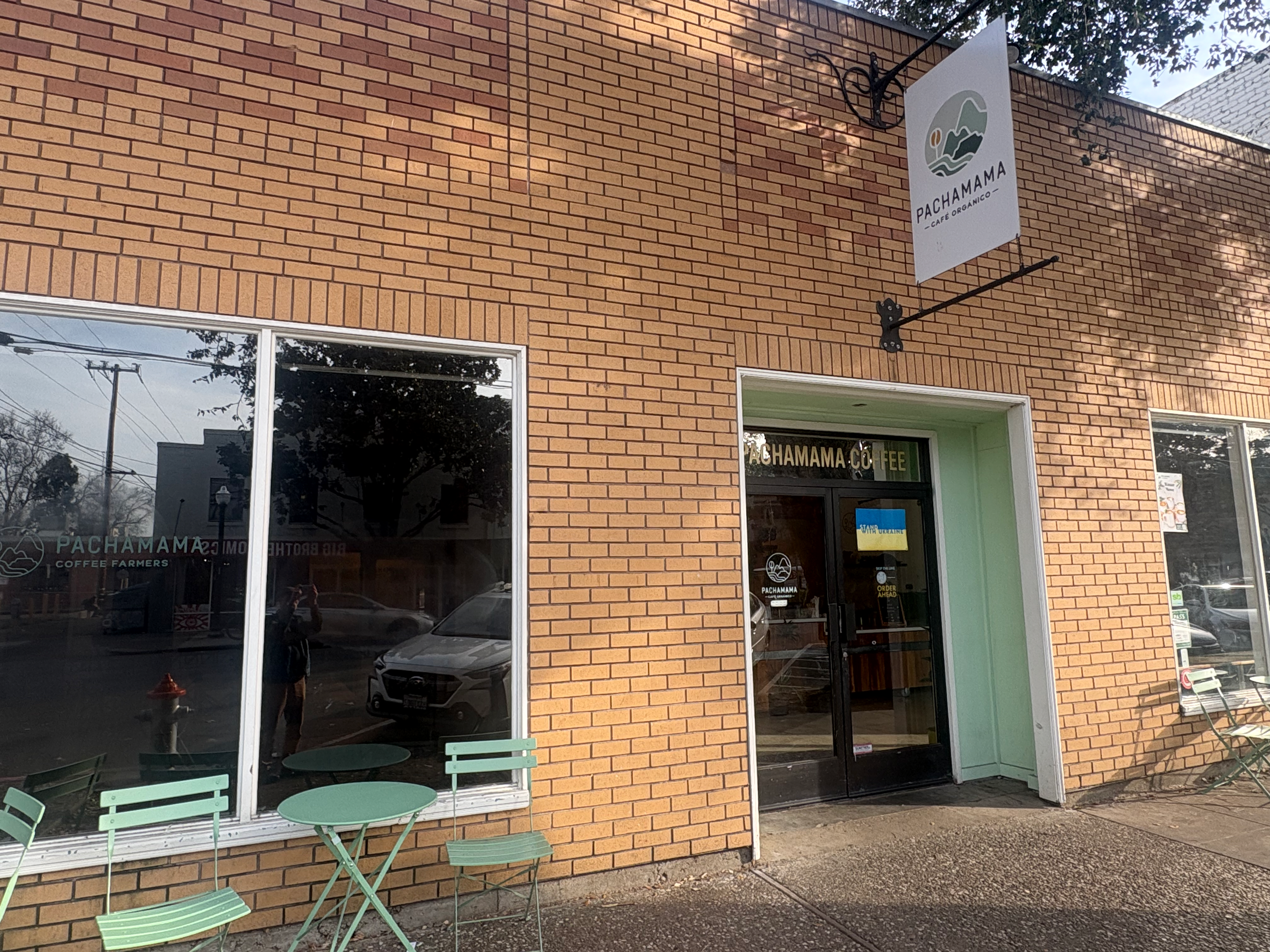
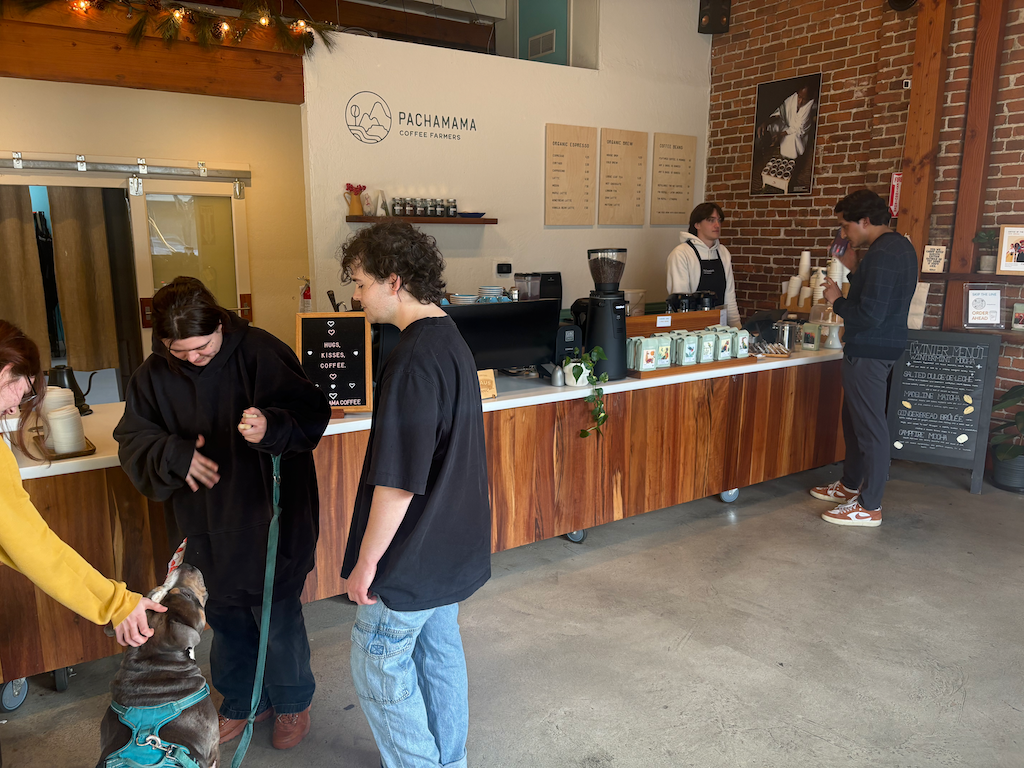
observations on Philadelphia

I just spent five days in Philadelphia. As always, most of my observations are about transportation, but I notice other things as well.

  • transit is about average for amajor city; most is run by SEPTA
    • an old trolly line (1906) runs above ground and in subway to city hall, using old trolley cars
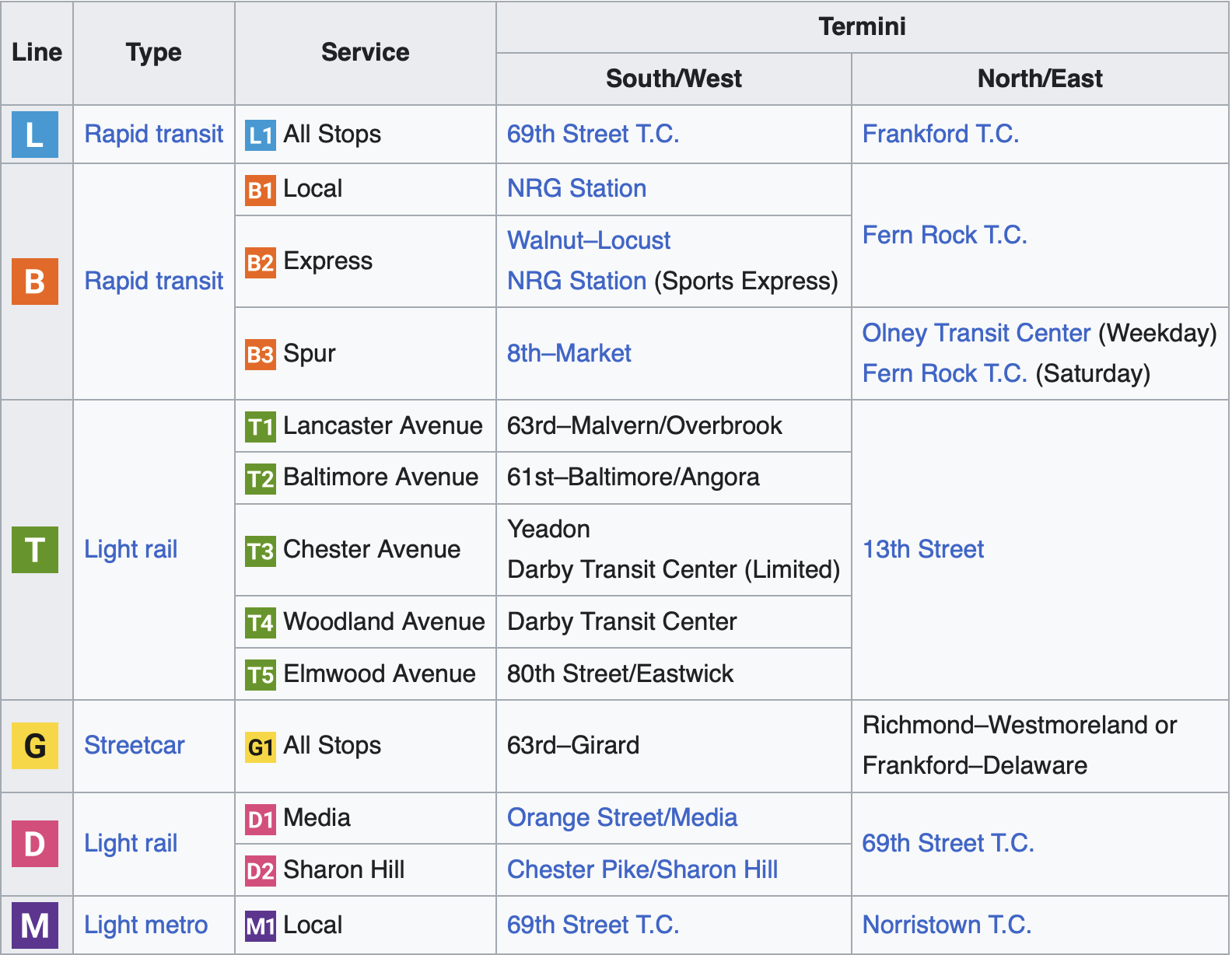
    • several rapid transit lines run within Philadelphia; I have used L, B, and T lines
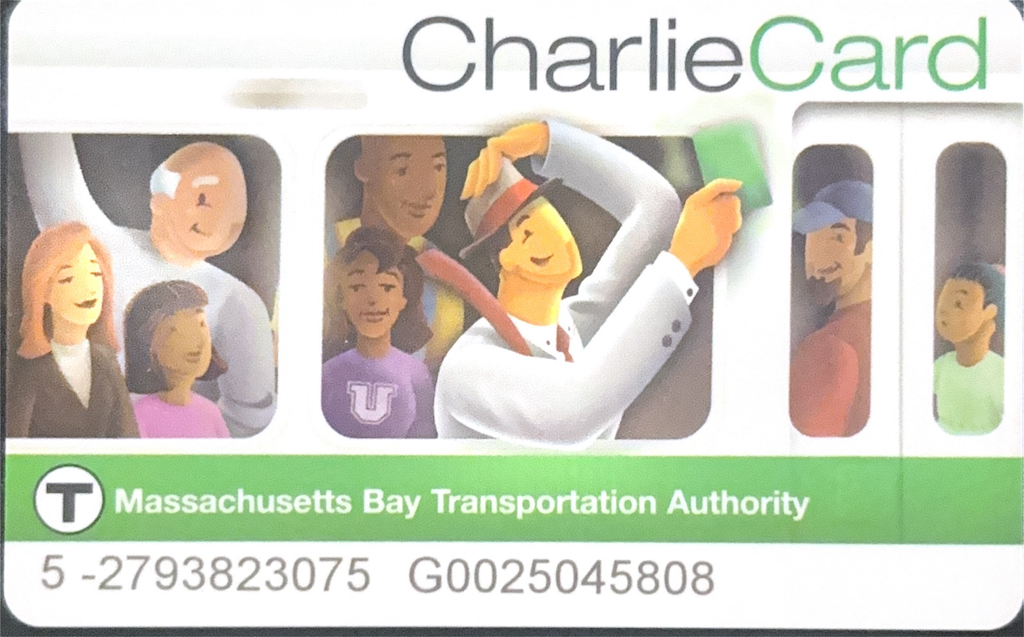
    • bus and rail use CharlieCard or contactless credit card payment for city rail and buses
    • commuter rail (regional rail) to several distant suburbs in the region, and ferries, use mTransit app
table of SEPTA Metro services, from Wikipedia
SEPTA Metro services, from Wikipedia
  • transportation and street design
    • most streets in Philadelphia are one-way, but many are single lane, so this is better than it sounds; one lane, one-way streets are safer than other streets
    • typical residential streets are narrow one-way with parking on both sides, but wide arterial streets do exist, and Philadelphia is sliced and diced with freeways, as are most cities
    • several streets in the historical sections of town have a cobblestone or brick paver surface, which slows motor vehicles considerably; not sure if these are original or restored
    • though there is quite a bit of bicycling in Philadelphia, drivers have not responded by being more careful, in contrast to the transition that has happened in other cities
    • all kinds of bicycle facilities are present: none, bike lanes, separated bike lanes, parking protected bike lanes, sidewalk level bike lanes, and two-way bikeways (cycletracks)
    • a bike-share system, Indego, is present in much of the city, and is quite usable with pedal bikes and e-bikes; however, the app (bcycle) map sucks – attempted to zoom in results in zoom out
    • there is street and utility construction everywhere!
    • people walk a lot, and other people drive a lot
  • other
    • Philadelphia has a lot of parks, particularly in the older part of town and along the Schuylkill River, but has a paucity of street trees; I had an enjoyable walk along the Schuylkill River from downtown to the south end
    • the city seems typical for trashiness; I did not notice any business improvement districts doing cleaning, but they may exist
    • the city hall is an amazing building, but better viewed from Market or Broad rather than up close
    • there are a lot of universities in the city, with the largest being University of Pennsylvania (UPenn)
    • pizza seems to be the fast food of choice; there are pizza places almost every block
    • the hostel, Apple Hostel of Philadelphia, is nice and a good deal, but the 24×7 pop music radio in the common room is offensive
    • I visited the Shofuso Gardens and House in Fairmount Park; it is small but quite nice
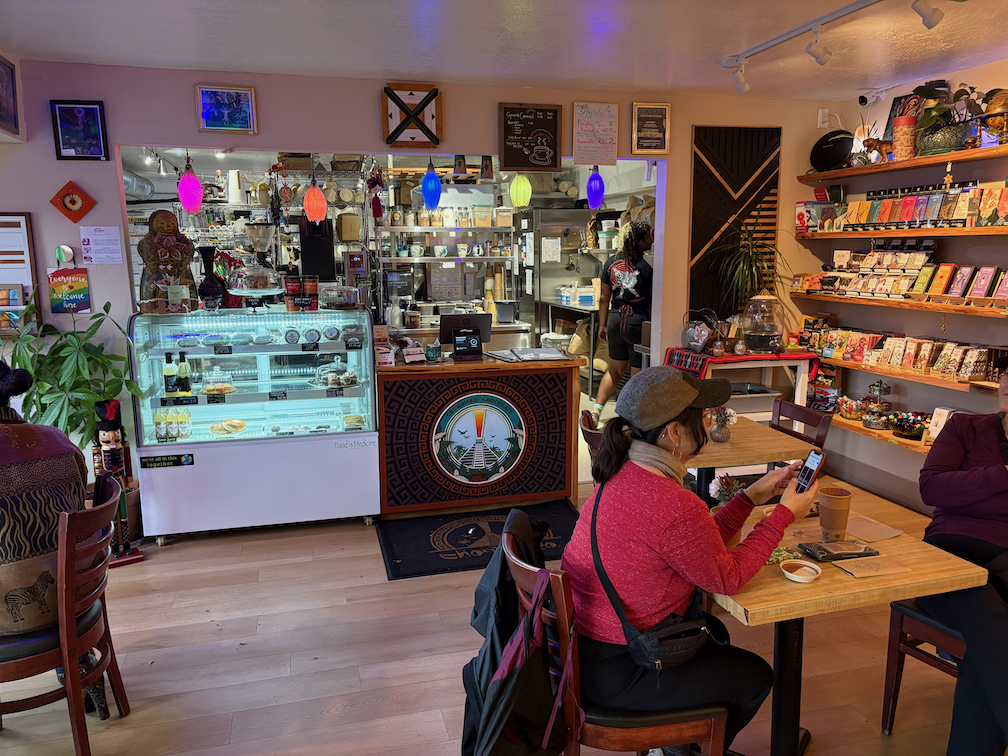
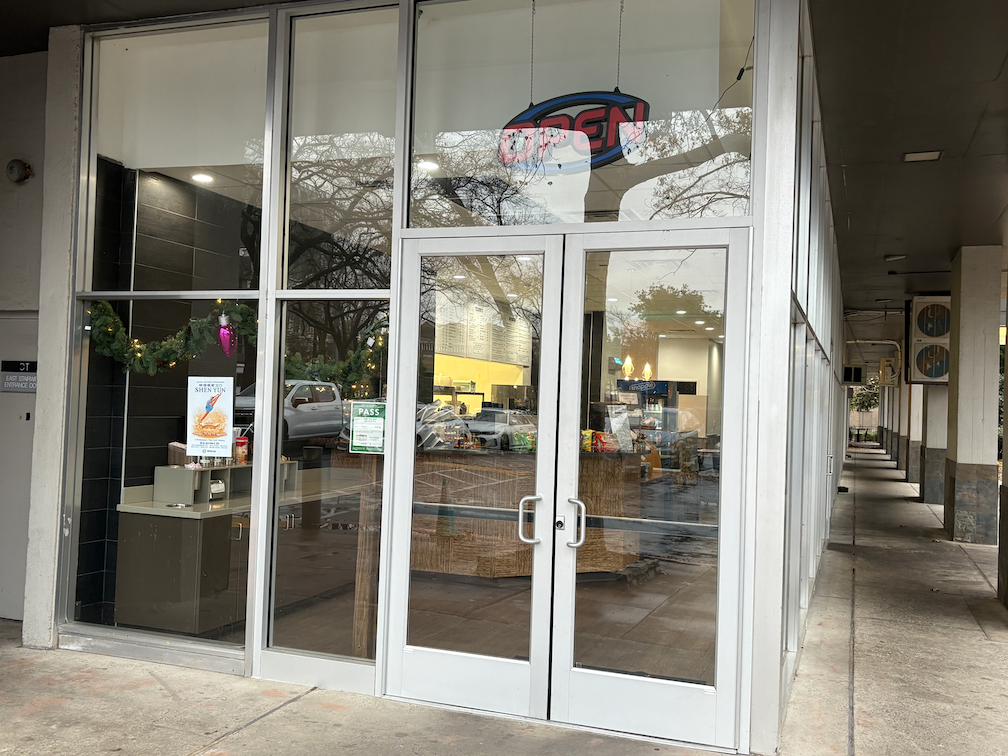
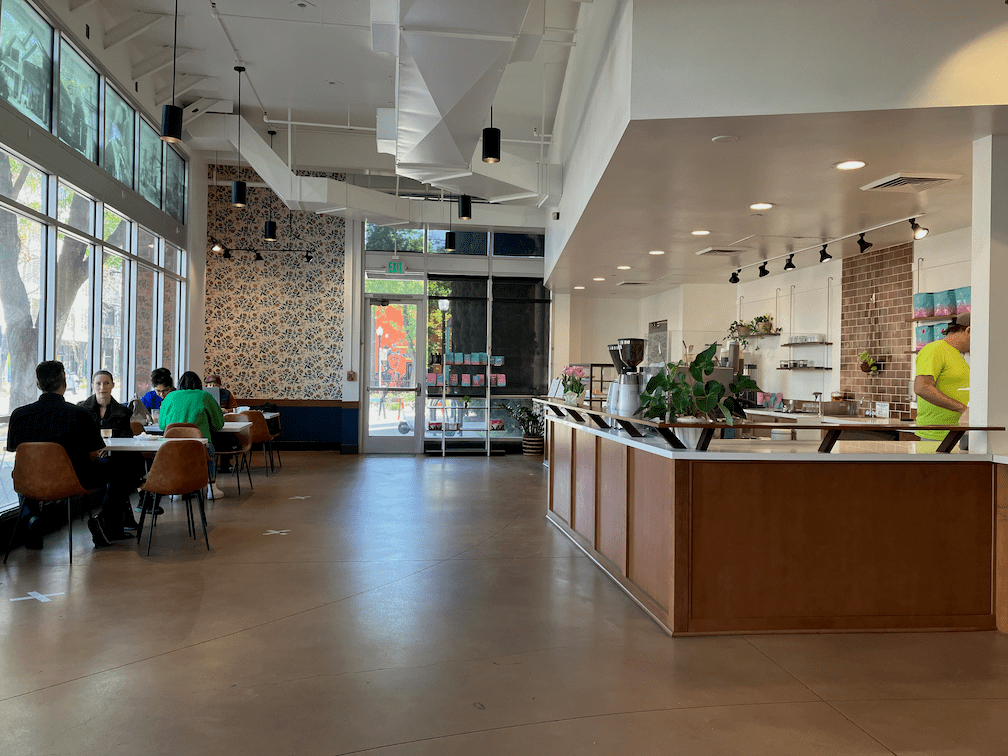
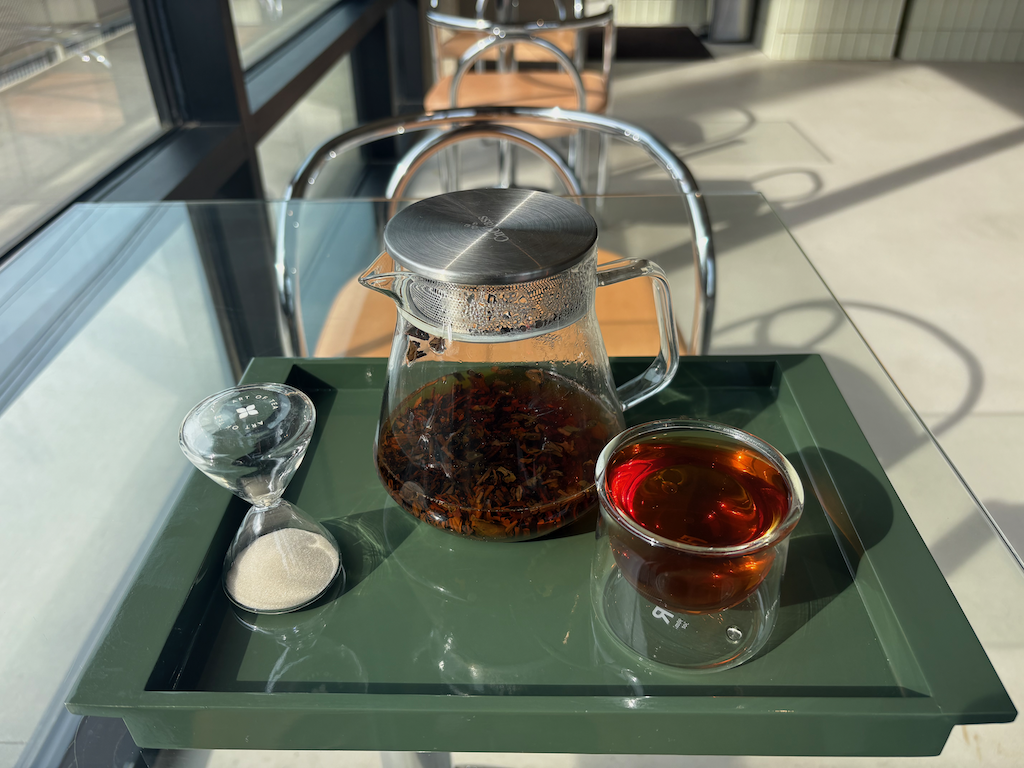
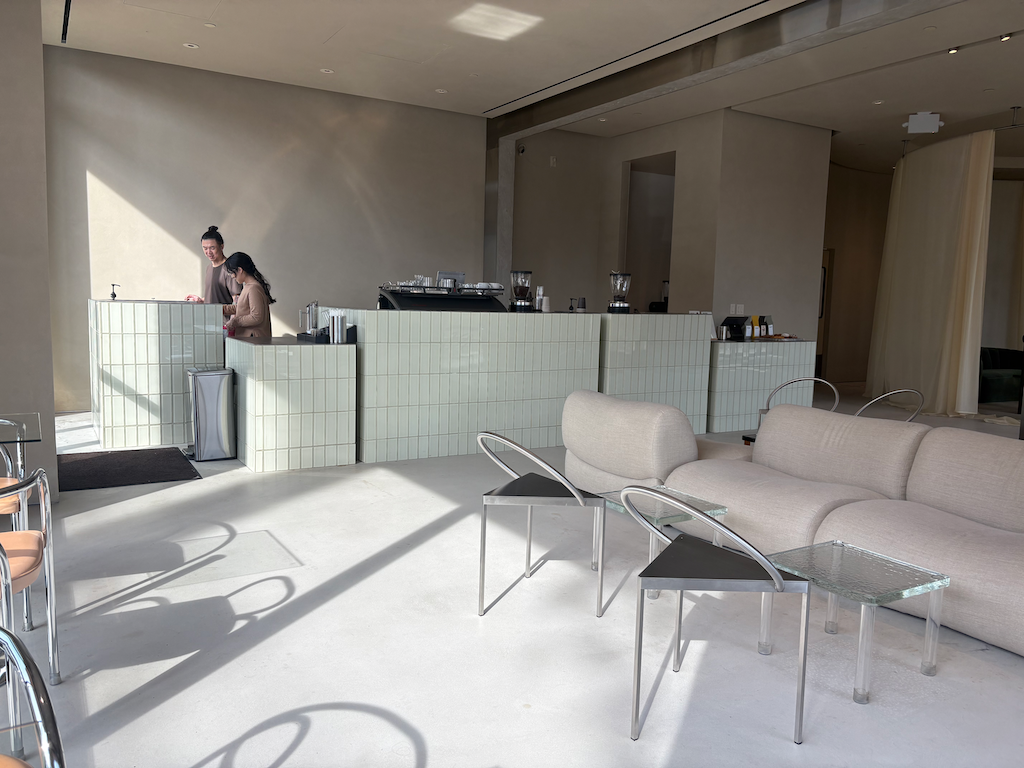
    • my favorite coffee shop, of the ones I visited, is Habitat Coffee, Spruce & 11th

I enjoy Philadelphia and will visit again.

transit in Boston

I’m traveling on a Amtrak Rail Pass, three weeks from Sacramento to the east coast, and back. So far I’m mostly been in Boston and the Boston region of Massachusetts.

The transit agency is MBTA, Massachusetts Bay Transportation Authority. If you are as old as I am, you will probably remember the Kingston Trio version of “M.T.A.” where Charlie couldn’t get off the train because he didn’t have the exit fare: “Did he ever return? No he never returned, And his fate is still unlearn’d, He may ride forever ‘neath the streets of Boston, He’s the man who never returned.” MTA is now MBTA, but Charlie lives on through the CharlieCard, a fare payment card. Knowing I was going to Boston, I applied for a senior CharlieCard, which provides half off subway, light rail, and bus trips. The system is in transition, so the card is only proof of senior qualification, and fares can’t be added. Yet. But MBTA is one of the major transit systems that have implemented contactless fare payment, and also provides registration for contactless credit cards, so I could use my registered credit card to get the senior fare, $1.10 instead of $2.40.

The MBTA Commuter Rail lines, which go to distant suburbs, and even as far as Providence in Rhode Island, use the mTransit app, but I also get half off on that with the RTA senior card. I look the Framingham/Worcester line to Southborough, and then a local bus to Marlboro, to attend the New England Folk Festival (NEFFA). The train I took was an ancient single level train, with very worn seats, though I can’t pin down how old. There are also newer bi-level cars on the route. Both the bus and commuter rail have a much less frequent and less span of service on Sunday, so I caught a ride back into the Boston area and took the Red Line subway back to my hostel (which is only five blocks away from the Red Line).
I also used the Green Line light rail (which is underground in the central city) to get to the Museum of Fine Arts (MFA) and other destinations. This is the original but still existing service, and the cars are noisy and rickety, though much better than when I last rode about 30 years ago. The Green Line was also very close to my hostel, about two block to the Boylston Station at Boston Commons. I did not have occasion to ride the Orange Line or Blue Line subways. These apparently have nearly modern subway cars. There is also a BRT line that serves the airport and downtown, which I have not used.

The City of Boston is about 676,000 population over 48 square miles (14,000/square mile), in a MSA (Metropolitan Statistical Area) of 4.9 million over 49 square miles. For comparison, City of Sacramento is about 525,000 over 100 square miles (5,250/square mile), in an MSA of 2.5 million over an MSA of 21,500 square miles. Though the population of the two areas is not dissimilar, Sacramento has a primitive transit system while Boston has a world-class (for the US) system. Why? Density, density, density. Boston is three times more dense that Sacramento.

Of course transit in Boston started in 1834, and subway service in 1897. Sacramento didn’t even exist in 1834. In 1897, Sacramento had a population of about 30,000. Sacramento is a wet-under-the-collar cow town.

If Sacramento had developed as a dense urban place instead of a sprawl city, it could have had a transit system like Boston, below.

Boston has busy arterials, just like Sacramento. But off the arterials, there is very little car traffic. People get around on transit. About 1/4 of workers (which does not include people too old or too young to drive) are car-free in Boston, and even those that have motor vehicles do not use them on a continuous basis like many in Sacramento.

Yeh, that classic excuse of, well, Sacramento is not Boston. No, but it could have been. It could have been a real city, a ‘world-class city’.

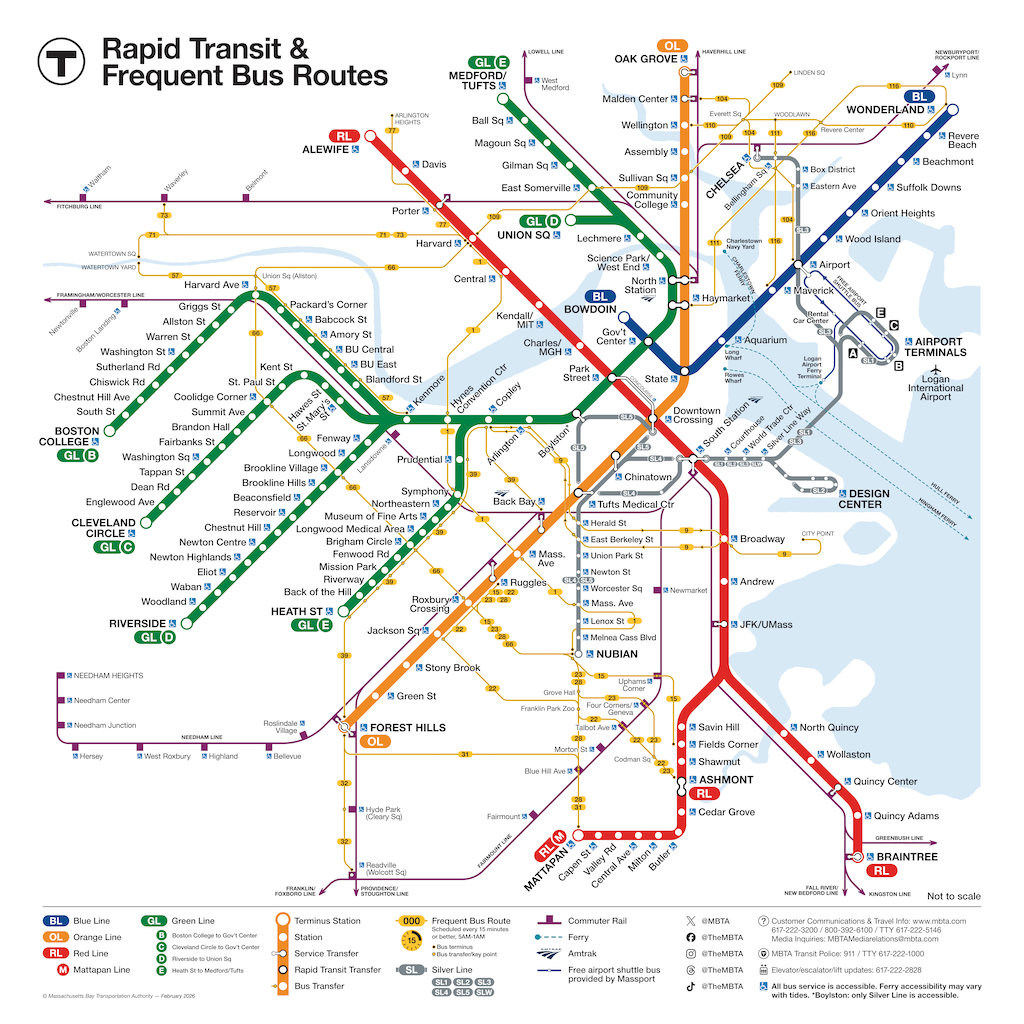
map of MBTA rail and major bus routes
MBTA Rapid Transit and frequent bus routes map

people watching

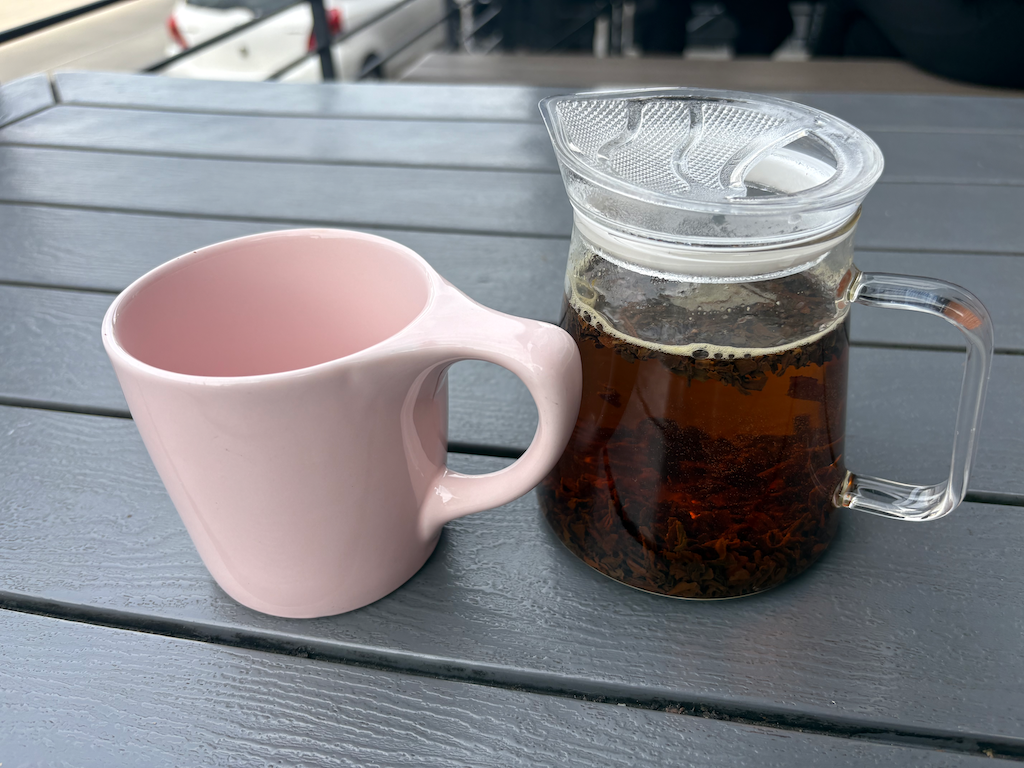
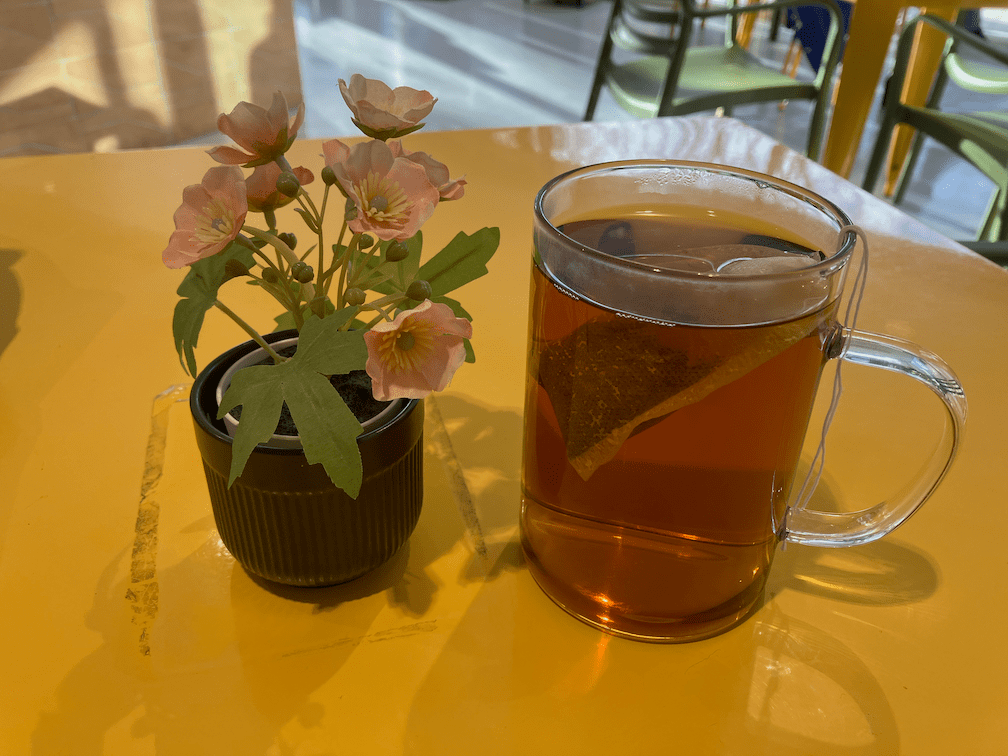
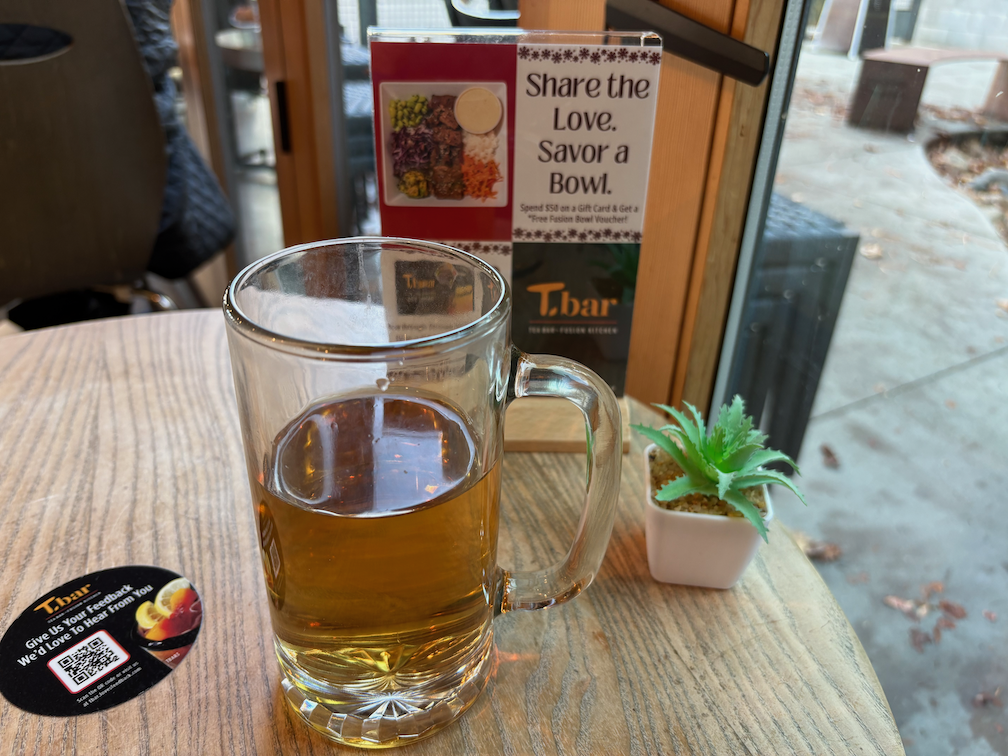
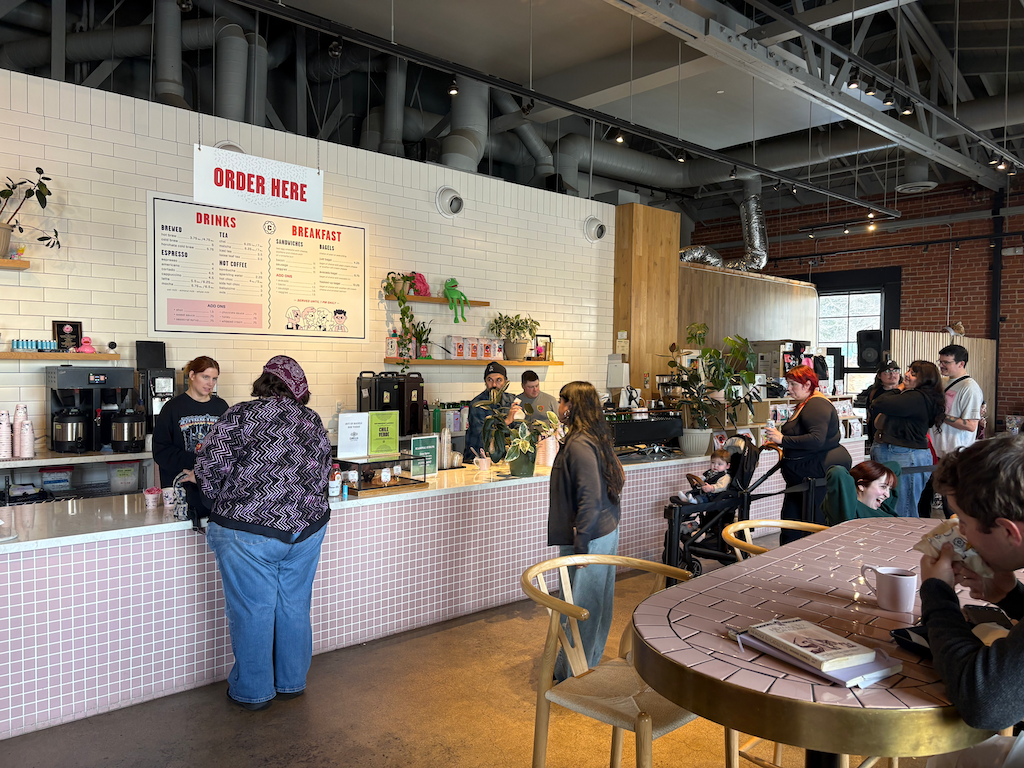
My favorite thing about living in a city, and about the cities I visit, is people watching. I love sitting with a tea or beer, and just watching people passing, or talking, or working, or reading, or writing. This is best when there is outdoor seating. A positive benefit of the pandemic (despite the horror) is that outdoor seating is much more common now that it was before. Outside is the best people watching. People are walking themselves, or their dogs, or their friends, or kids, or partners. Sometimes I make connections with other people, particularly people reading or writing in journals, as I am often doing myself, but the connection or just watching are both enjoyable to me.
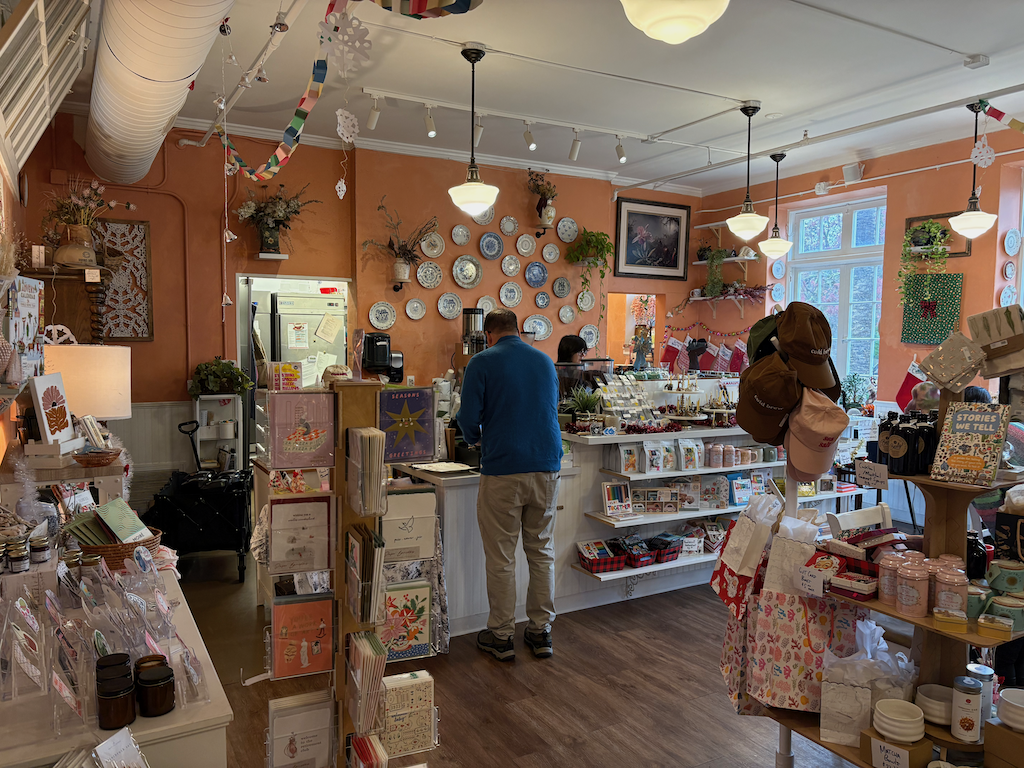
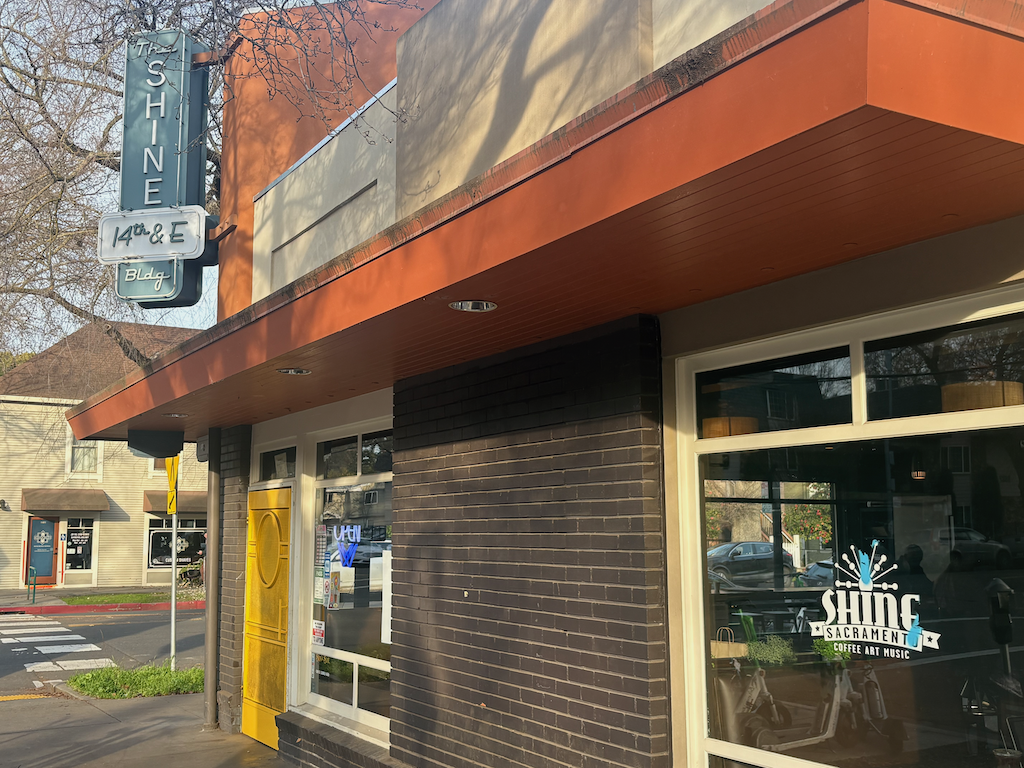
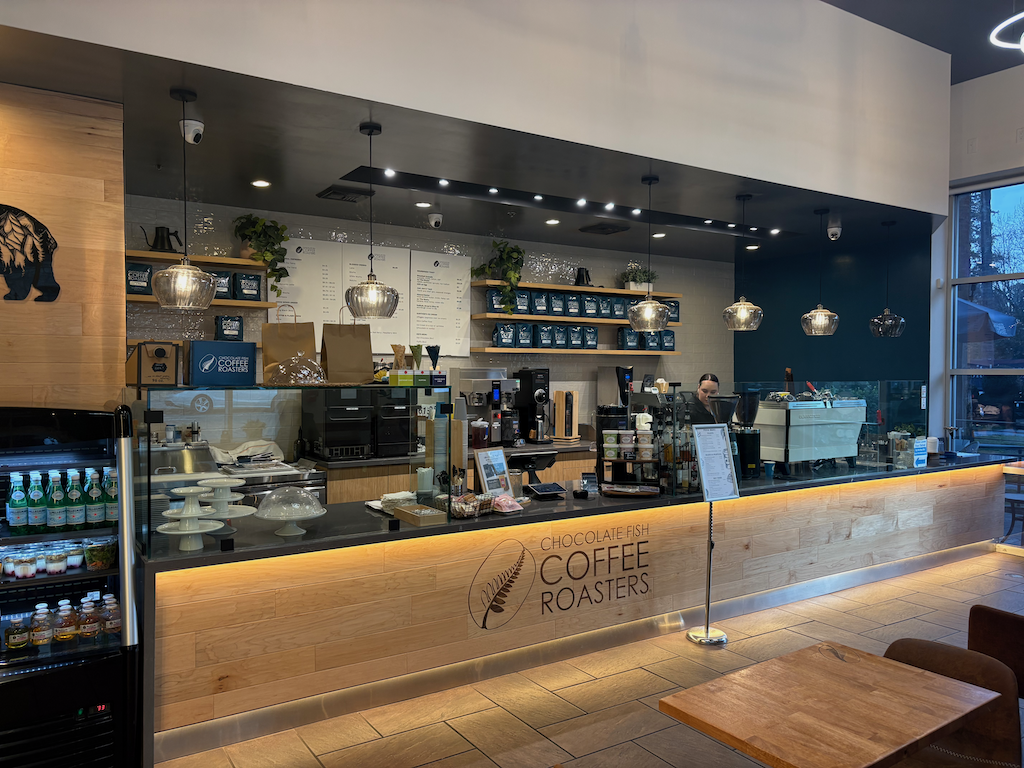
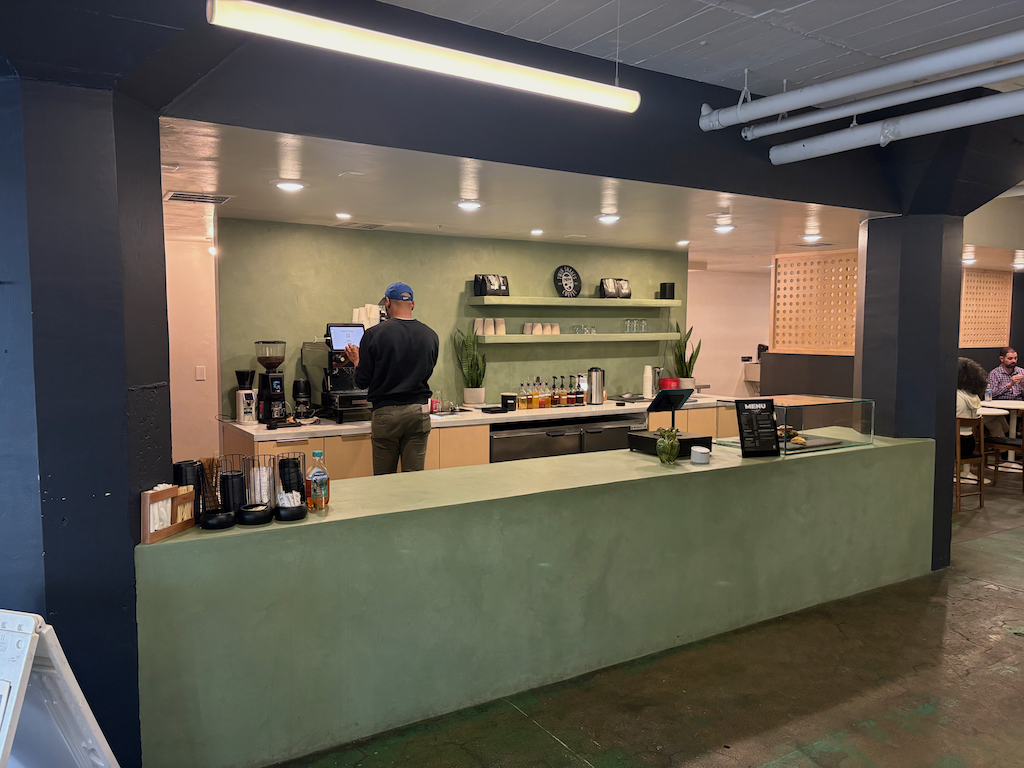
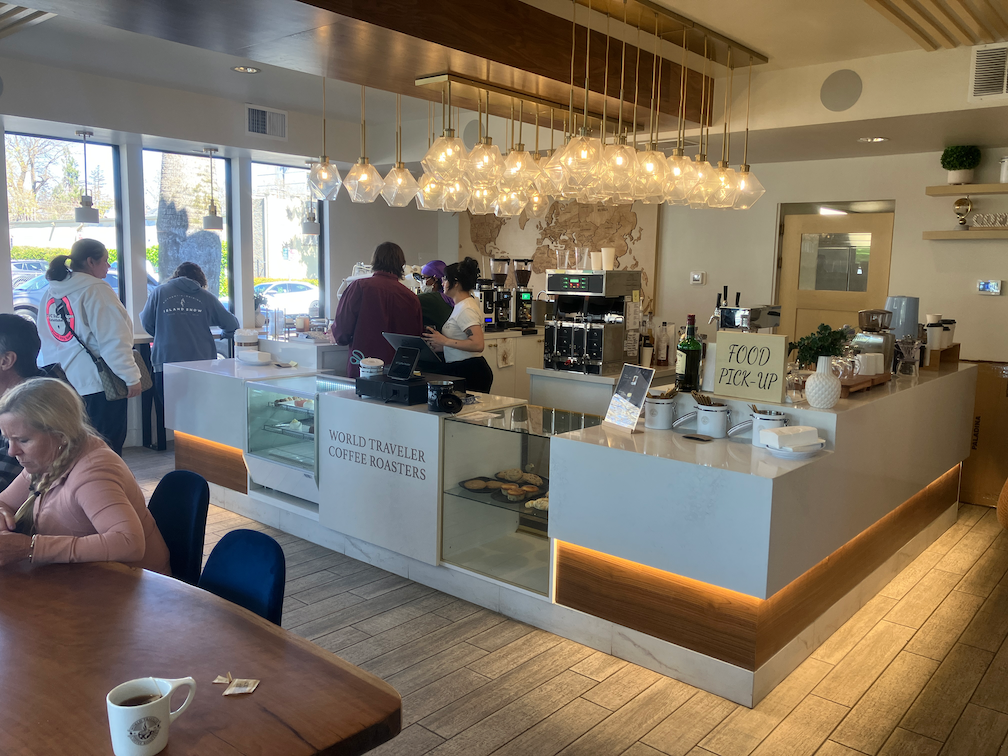
People watching, and connecting, works best in dense places, with places to see, and places to meet. That means coffee shops (see coffee shops (tea) on the grid: update 2026-01), most of all, but breweries and restaurants and other businesses as well. Out in the suburbs, coffee shops are few and far between, and usually national chains when they are found at all. You might see people walking their dogs in the suburbs, but it is rare to see people walking to local businesses, or sitting outside. Where I live, coffee shops are thick, and breweries are to be found. Even small towns have a decent selection of coffee shops and sometimes breweries. As I write, I’m in Marlborough, MA, with several coffee shops and one brewery, and I’m looking out the window at people coming and going, and the coffee shop is busy on Sunday morning.

What does this have to do with transportation? Walkable places are where to see people, to people watch and make connections. Only places that are walkable and bike-able have this opportunity. Places that are drive-able don’t offer this. And that is why I very much dislike places that emphasize driving over walking and bicycling.

Spending time in small towns that are alive has made me appreciate that small towns can offer much of what cities offer, if they are old towns that have survived and thrived. Many small towns have not thrived. The problem with the place I’m visiting, Marlborough, is that it has poor transit, and infrequent connections to other transit, the MBTA ‘T’ commuter rail. If you can figure out a life in a small but vibrant town, that has a decent connection to the outside world, that may be the best livability you can find. But that combination is rare.

Here’s to people watching, and walkable places!

we are still doing it wrong

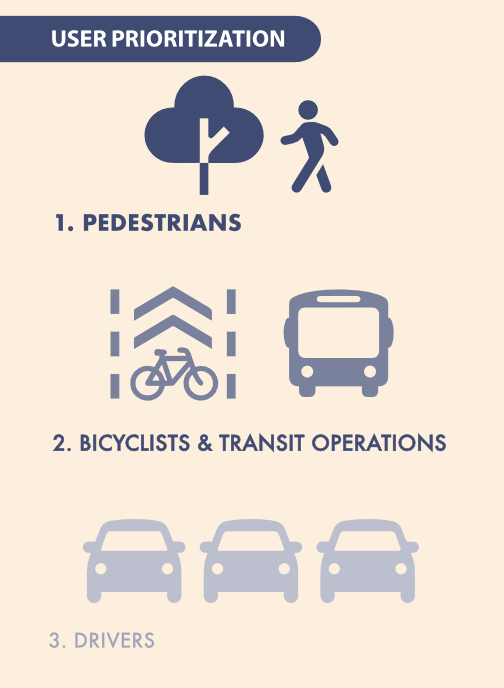
Below is a graphic from the City of Sacramento 2040 General Plan (Chapter 8 Mobility Element, page 8-9). As a transportation advocate, I obviously have a bias, but I think this is the most important graphic, and the most important message in the entire general plan.

graphic of User Prioritization from City of Sacramento 2040 General Plan
User Prioritization from City of Sacramento 2040 General Plan

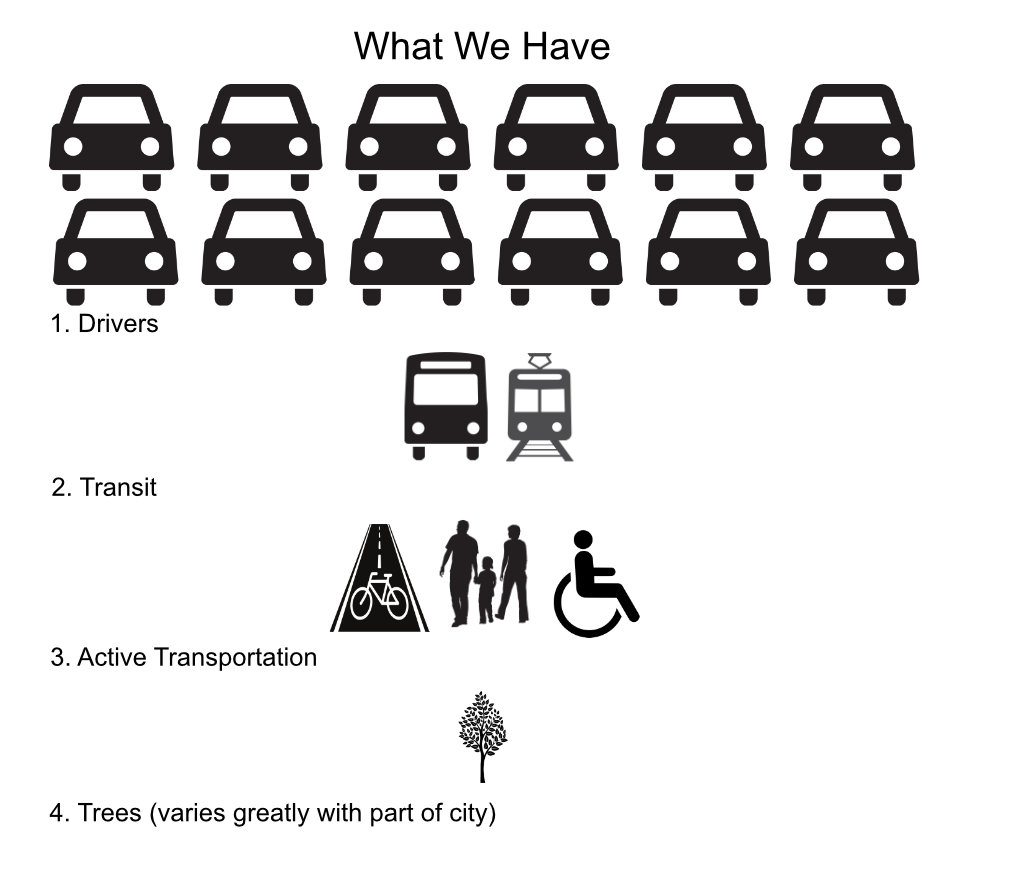
This is in complete contrast to the transportation system we have built. Below is the transportation system we have. One could argue endlessly about how this varies with parts of the city, and whether active transportation should be lumped together, but the graphic communicates the problem.

graphic of What We Have

I follow the city’s transportation projects, some in great detail, others only superficially. There are far too many for one person to cover, or even a group of people.

What I see in these projects is a very gradual shift from what we have to what we want. We might reduce general purpose (car) lanes, in number or width, but not always. We might add bicycle facilities. We might, occasionally, improve sidewalks for people walking and rolling (but not if we can get away with making property owners do it). We might make it easier for transit. Though the central city, and some neighborhoods outside the central city, have a reasonable tree canopy, north and south Sacramento are largely lacking a tree canopy, and every transportation project neglects solving this issue. We don’t plan in trees from the beginning, saying we’ll get to them later in the process, but at the end, they are usually missing.

We have invested hundreds of millions of dollars in making things better for drivers and motor vehicles, and very, very little on anything else. It is time to almost completely reverse that, so spend nothing on drivers and motor vehicles, and almost everything on transit, active transportation, and trees.

Cross-sections

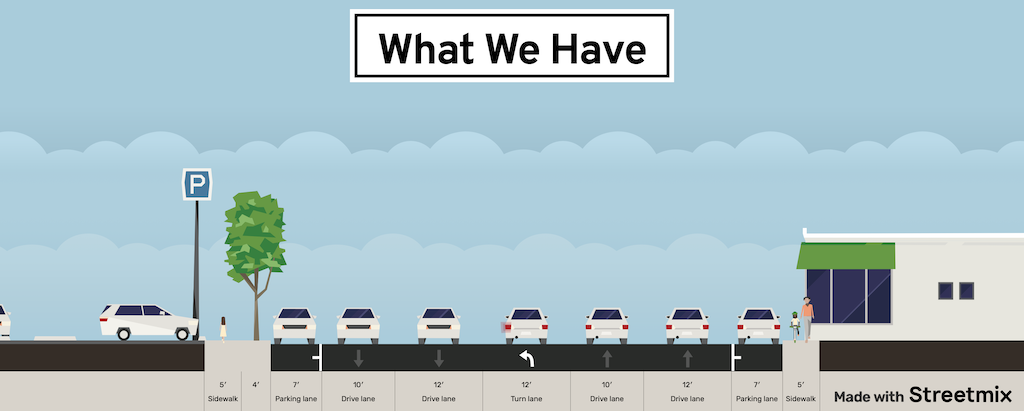
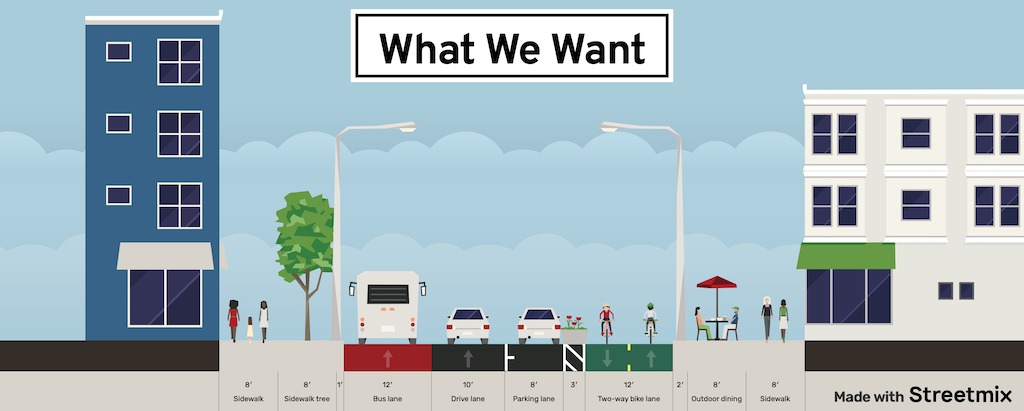
Another way of exhibiting this is street cross-sections. These are from StreetMix (https://streetmix.net/), for an 80 foot right-of-way. Neither is meant to represent an actual street, but rather illustrative of the way in which we can allocate street space to different uses.

In the ‘what we have’ cross-section, motor vehicles are dominant. Sidewalks are narrow, trees are present but in few numbers, and probably not healthy because they have been squeezed into small spaces, bicycle facilities are not present or are of low quality, ample space is allocated to cars in general purpose lanes, and left turn lanes and right turn lanes. Ample parking is provided, whether needed or not. I have intentionally picked low density and low productivity uses to line this roadway, parking lots and single story buildings, though most often there is a parking lot before you even get to the building. StreetMix only offers a few options for each element, and what is shown is what is available.

graphic of a street cross-section with narrow sidewalks, narrow sidewalk buffers, ample parking, ample lanes for motor vehicles

In the ‘what we want’ cross-section, private motor vehicles are strictly limited. There is parking, but not ample parking. Transit, where is makes sense to have it, operates in its own right of way. Since the general purpose lane is one-way, a two-way bikeway (cycle track) is provided so that bicyclists have more freedom of movement than drivers. Sidewalks are ample, 8 foot on average. Sidewalk buffers are ample, 8 feet on average, so that trees have space to grow and thrive. The buffers are not just for trees, though, they can host dining and bike racks and street furniture. Reflecting the people-centered nature of this street, there are higher density uses of housing and business, and the buildings come to the sidewalk rather than being set back. The city is not proposing ‘what we want’ anywhere.

graphic of street cross-section with bus lane, two-way bikeway, and wide sidewalks and sidewalk buffers

This street is far, far safer than multi-lane streets. By reducing the amount of space devoted to motor vehicle through traffic, space is freed up for people, people walking, people bicycling, people eating and socializing, and people just hanging out. It is quiet. It is friendly. It not only feels safe, but feels welcoming. This reflects my axiom that we should design streets from the outside in, not from the inside out (street design from the outside in). Outside in preferences walkers and trees, inside out preferences drivers and motor vehicles.

barricades

An article in the MinnPost makes me very happy, and engenders thoughts of what citizen action could do on the streets of Sacramento.

In occupied Minneapolis, neighborhood barricades rightly slow injustice, MinnPost, 2026-02-11

Here upon these stones
We will build our barricade
In the heart of the city
We claim as our own!
Each man to his duty
And don’t be afraid.

Les Miserables, Upon These Stones (At the Barricade)

Though nothing currently happening in Sacramento rises to the level of government initiated violence and oppression in Minneapolis, it is true that motor vehicle hegemony here creates a hostile city for people who walk and bicycle. Law enforcement, both CHP and SacPD, are either supportive of this hegemony, or indifferent to its effects.

There are parts of the city government trying to change this, but the cultural norm is still an acceptance and celebration of car dominance. It is not just the people killed and injured, but the intimidation of walkers and bicyclists that denies them their right to the city, and to the streets of the city.

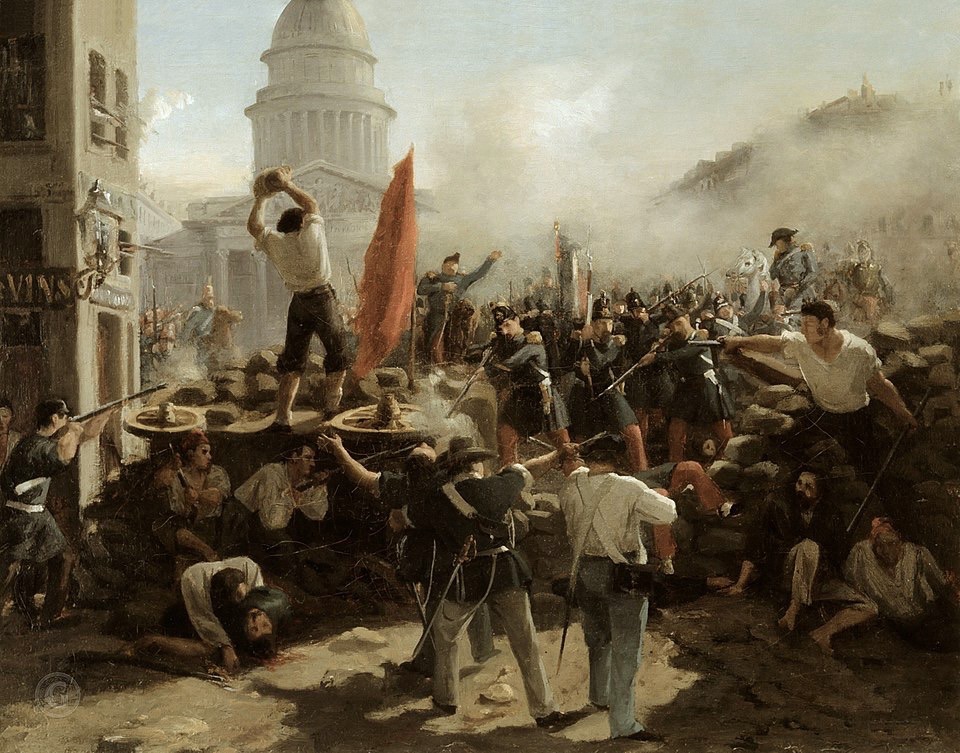
Is it time for citizens to rise up, and erect barricades?

Horace Vernet: On the barricades on the Rue Soufflot

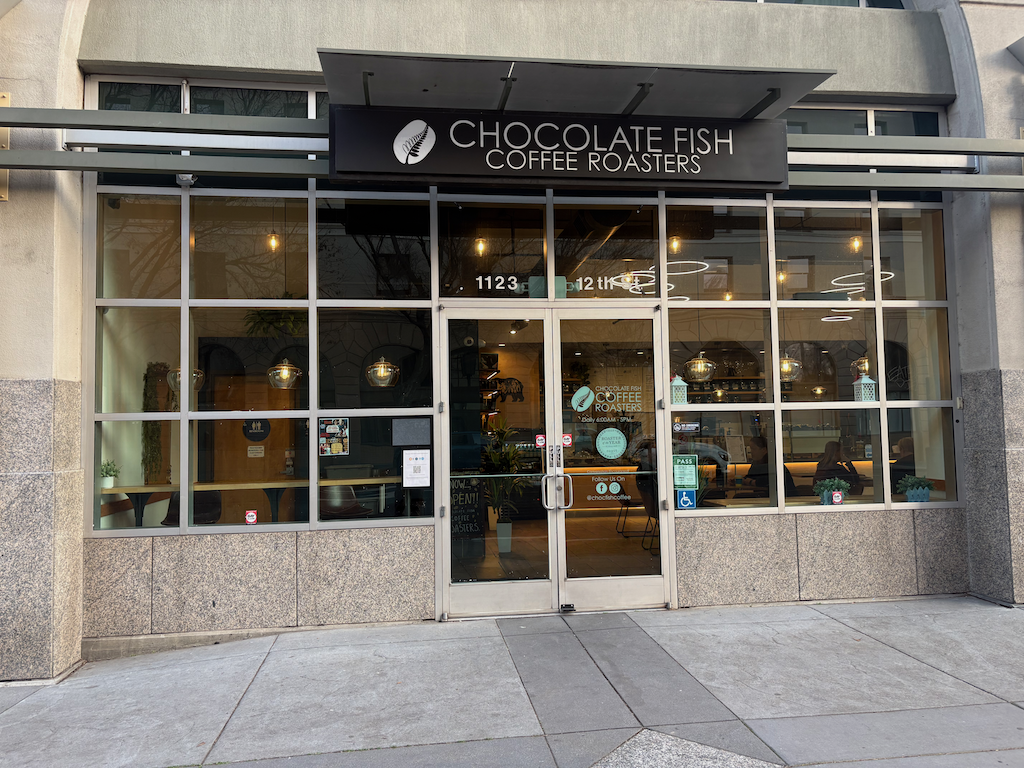
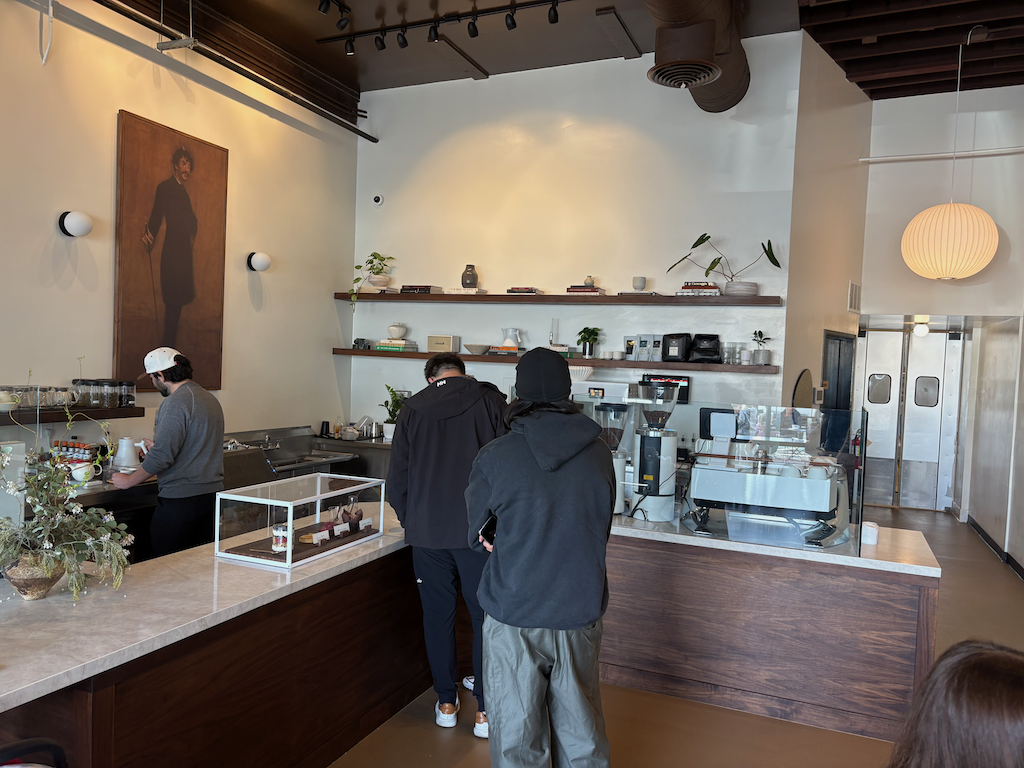
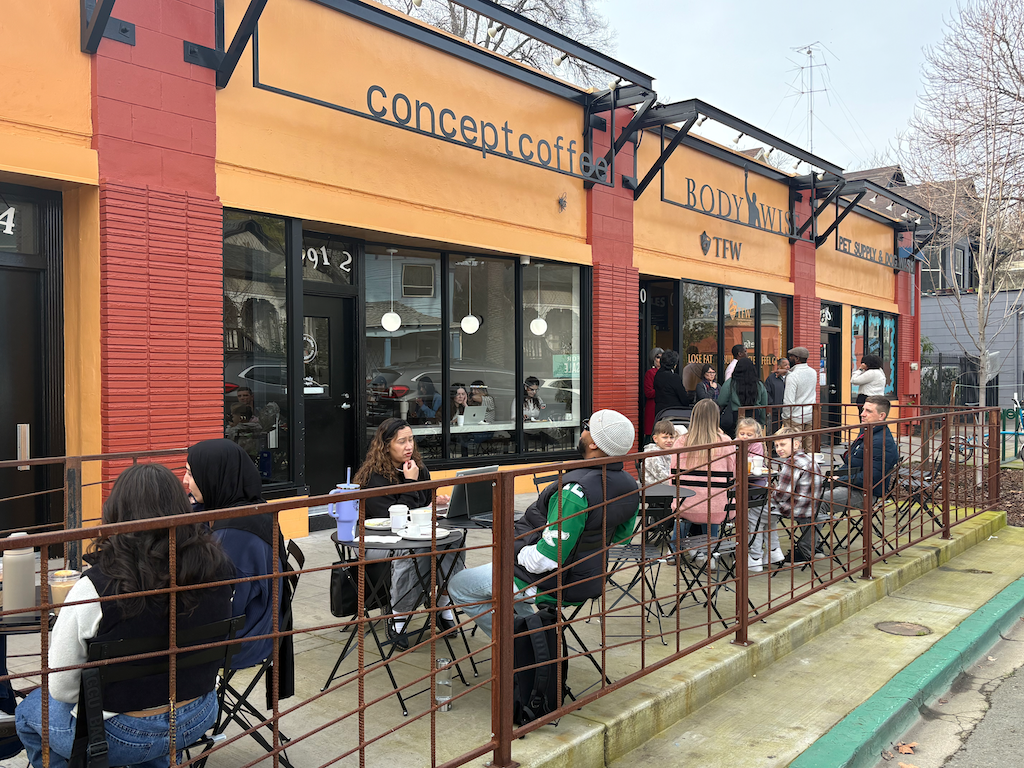
coffee shops (tea) on the grid: update 2026-01

2026-02-23: minor update to add Casa Flores Cafe

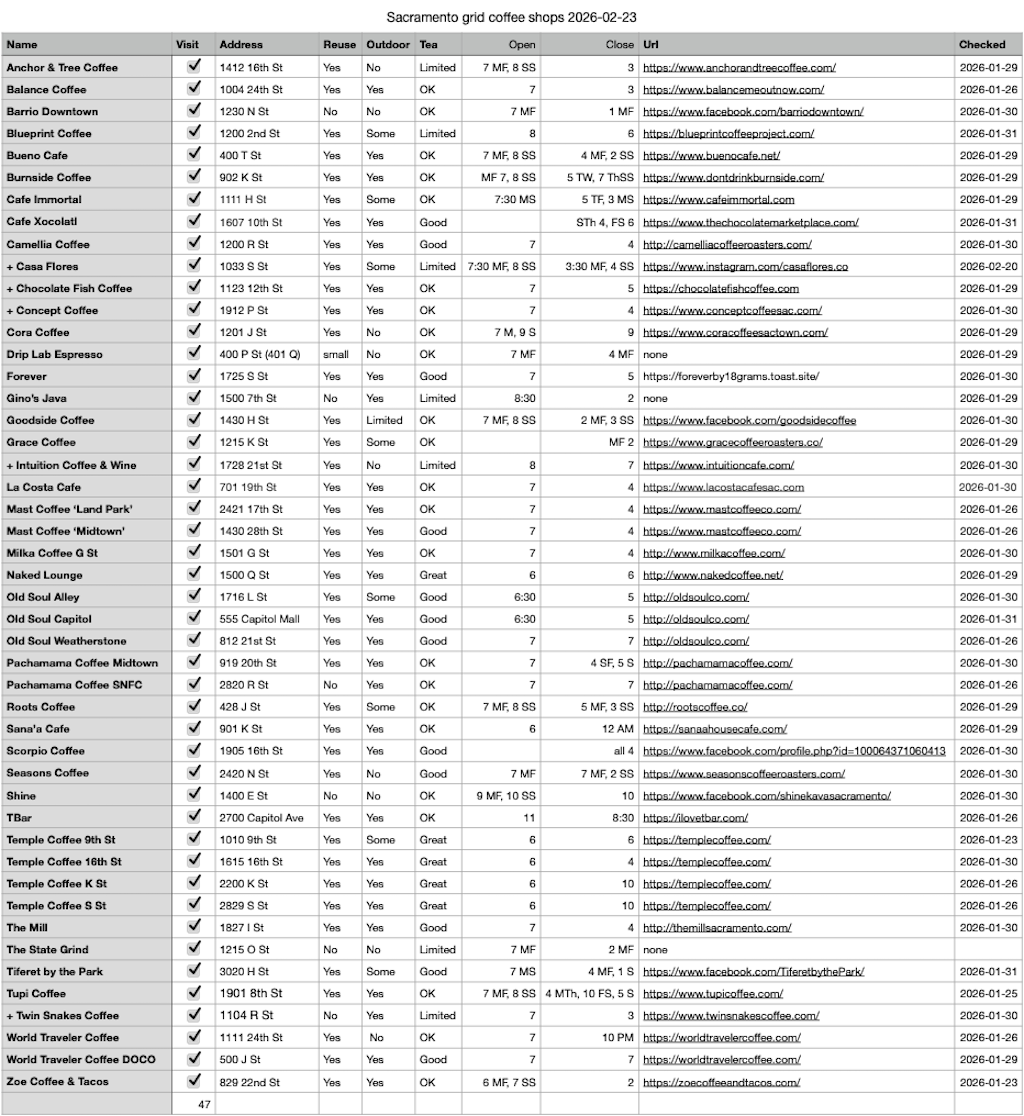
I first posted on coffee shops on the grid in April 2023, with an update in December 2024. Time for another update, as there are a number of new coffee shops, and a few have gone. The coffee shops marked with a plus (+) are new since the last update.

table of grid coffee, 2026-02, not clickable

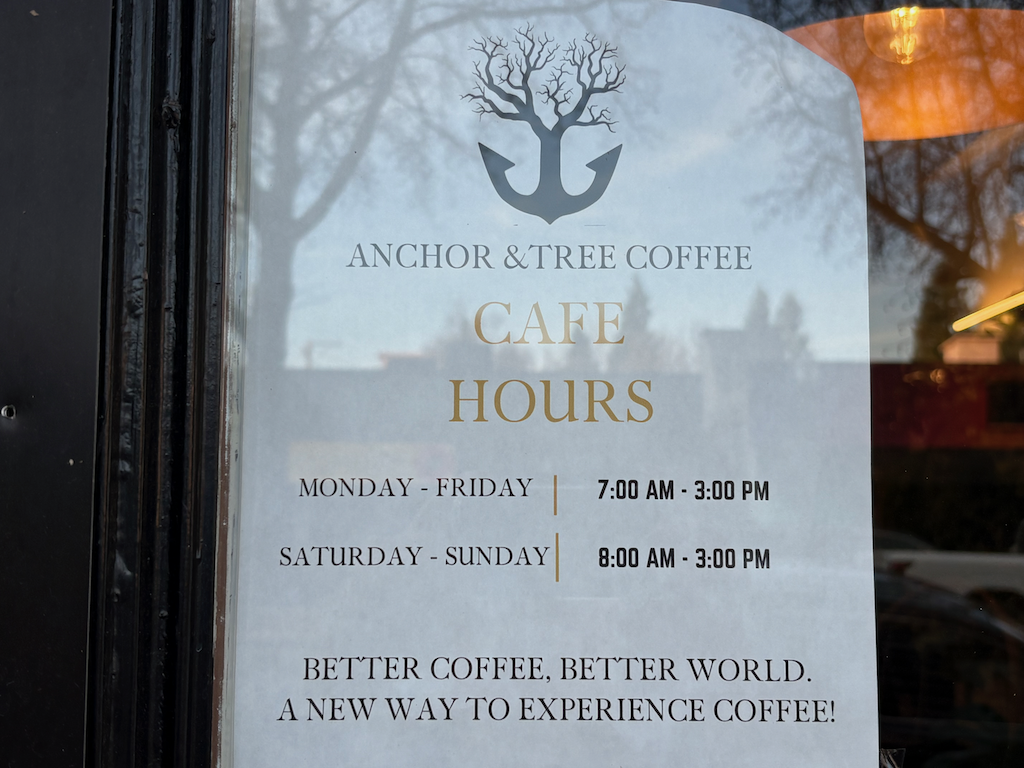
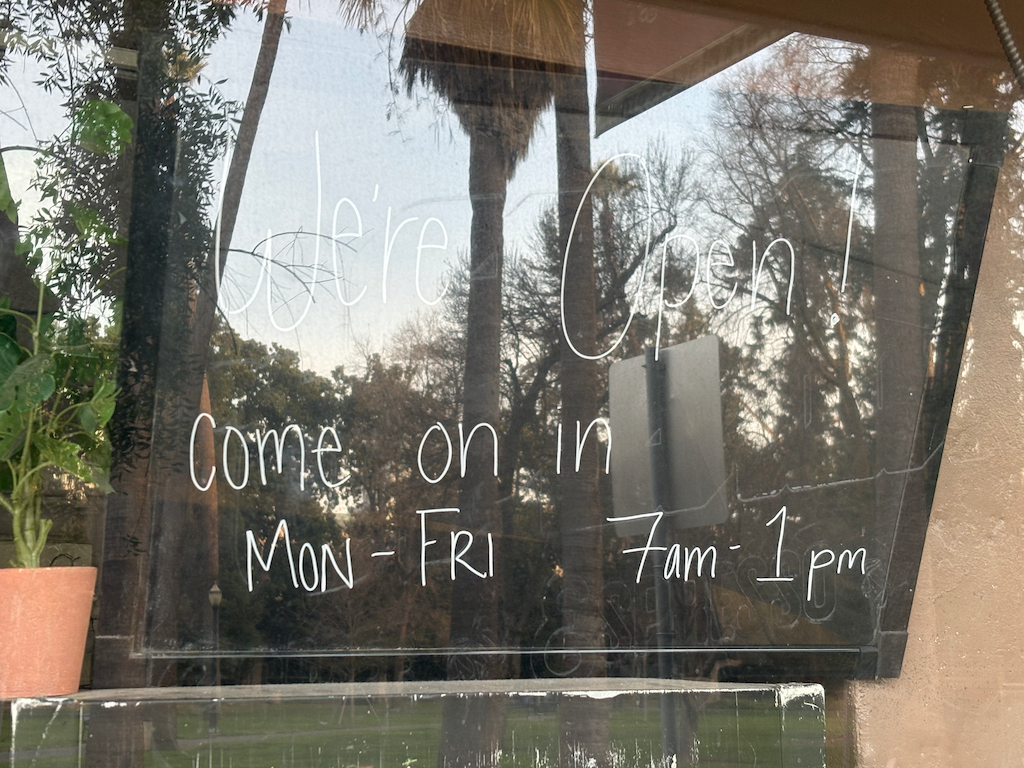
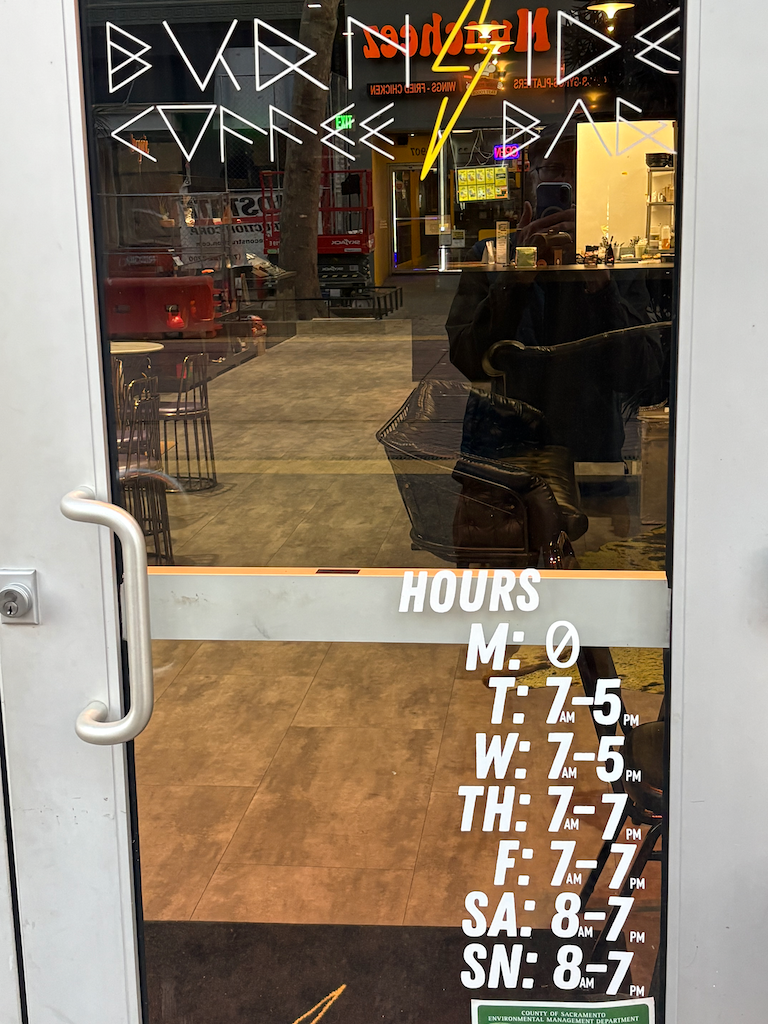
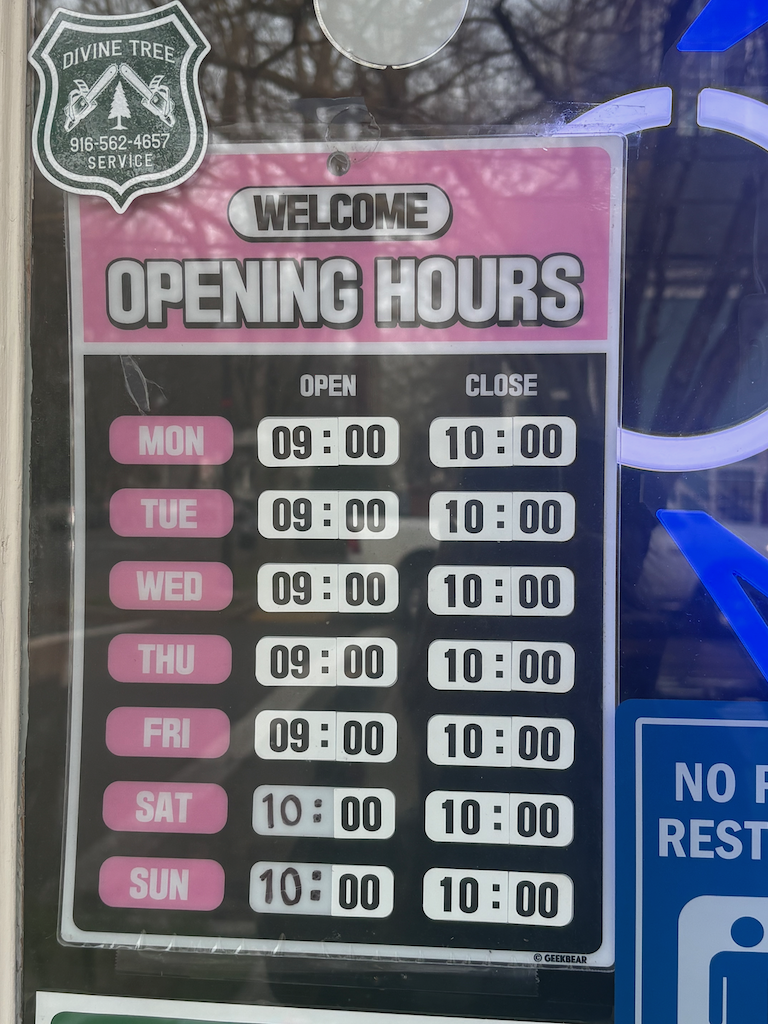
Though the links in the png above look clickable, they are not. You must use the xlsx or pdf versions for links. The columns are what interested me. Reuse means they offer reusable cups for tea and coffee service, outdoor means they offer outdoor seating, and tea indicates my take on the number and variety of teas offered. I have refined hours with open and close. It should be noted that some coffee shops do not post their hours, either on the websites or on the door, and hours often change, so take these hours with a grain of salt. The ‘checked’ column means that the business was checked for existence, but the details were not necessarily checked.

Disclaimer up front: I don’t drink and don’t even like coffee, but I do drink and love tea, and the majority of coffee shops offer tea as well, but most other businesses do not. So I can tell you absolutely nothing about the variety or quality of coffee at any of these shops.

I have long believed that the frequency of locally-owned coffee shops is a key indicator of livability and walkability. Though I’ve not done the calculations, I think this measure would be just as effective a ‘walk score’ as the WalkScore offered by Redfin, which uses a complicated and proprietary algorithm to determine walkability, measured as distance to amenities. Note that WalkScore does not assess the walking environment such as presence or condition of sidewalks, and safety of crossing streets.

I live in the Sacramento central city, the area bounded by the Sacramento River to the west, Broadway to the south, Alhambra Avenue to the east, and the railroad tracks to the north. I have focused my coffee shop visits on this area. Though there are certainly coffee shops throughout the urbanized county, the number of locally-owned coffee shops drops off rapidly outside the central city. In much of the suburbs, there are only chain coffee shops such as Starbucks and Peets. I do not list national chain coffee shops such as Starbucks, Peets, and Philz.

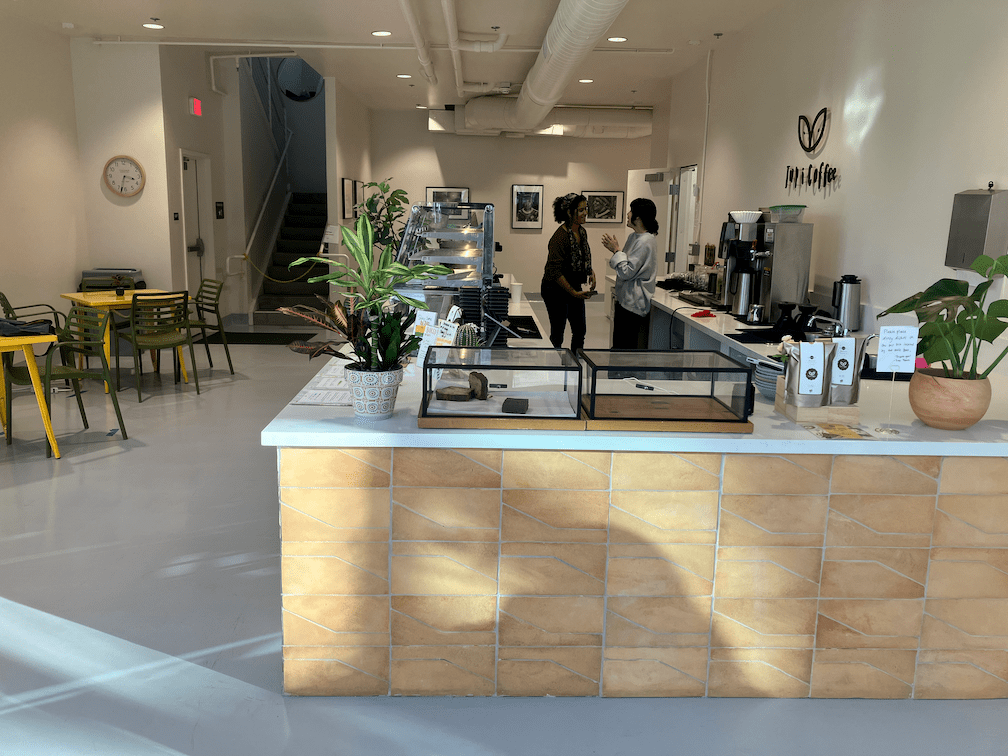
My new preferred coffee shops are Zoe Coffee and Tacos (yes, an unusual name, but their tacos and samosas are good), mostly for the friendliness of the manager and baristas, and Tupi Cafe, which is on my morning walks to Southside Park.

If you have a place to suggest, or updated information, please comment. There is a fuzzy line between places which are mostly coffee shops, and places that are mostly cafes, but also have coffee and tea. In fact Google Maps and Apple Maps makes this fuzzier by allowing businesses to show an icon on the map that reflects what was searched for, not the primary classification of business. I assume they pay for this.

If you also like to drink tea at home, as I do, I recommend Tea Cozy, 1021 R Street, next to Fox and Goose, with a very large and diverse offering of bulk and packaged teas. And in Davis, Mishka’s Cafe, 610 2nd Street, offers a selection of brewed tea unparalleled in the region, so far as I know.

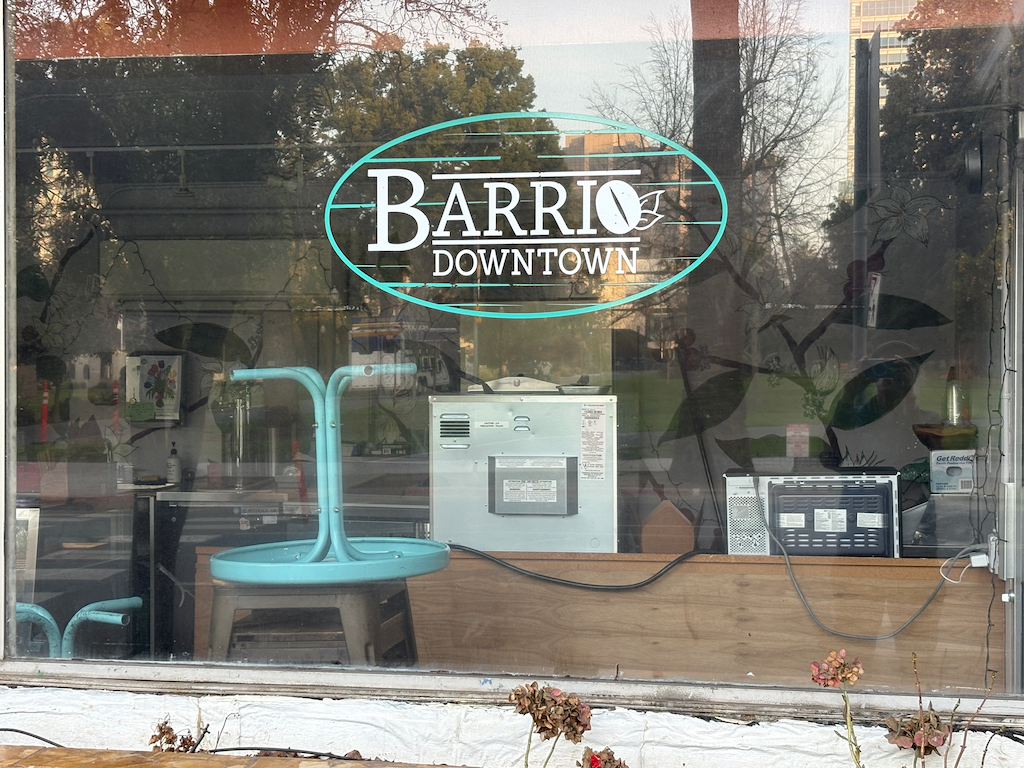
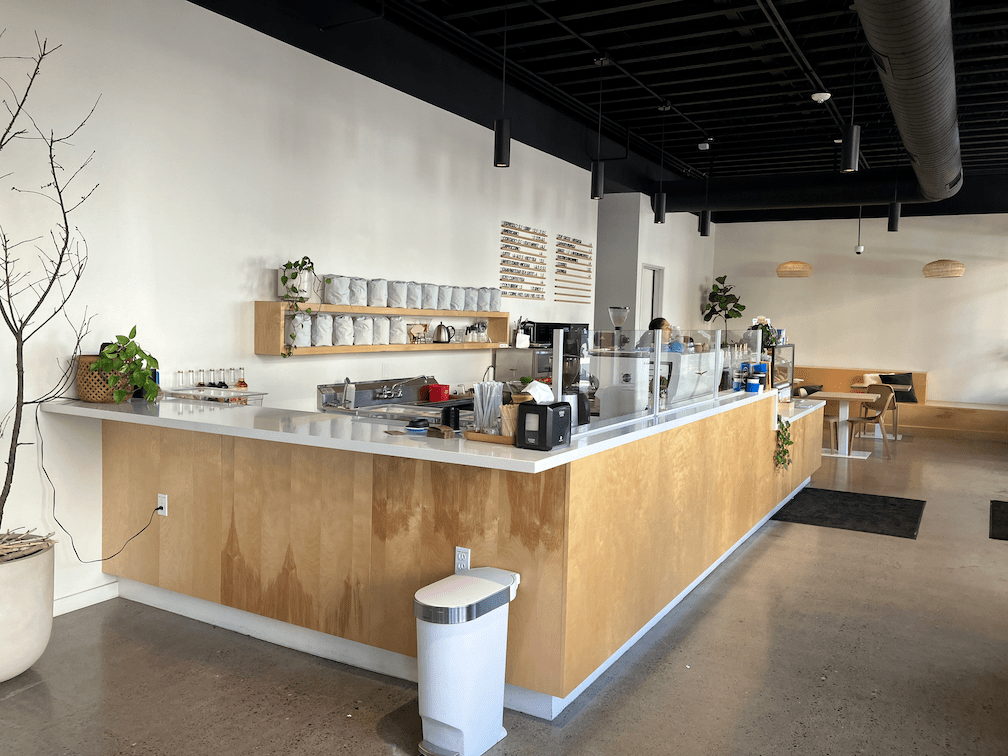
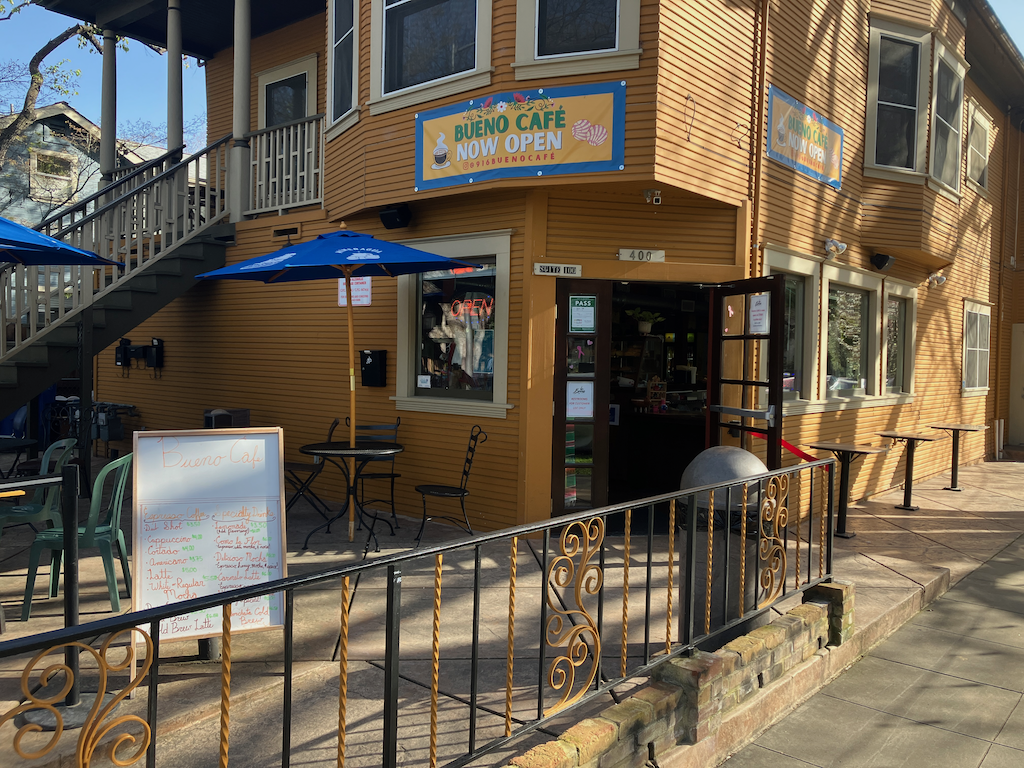
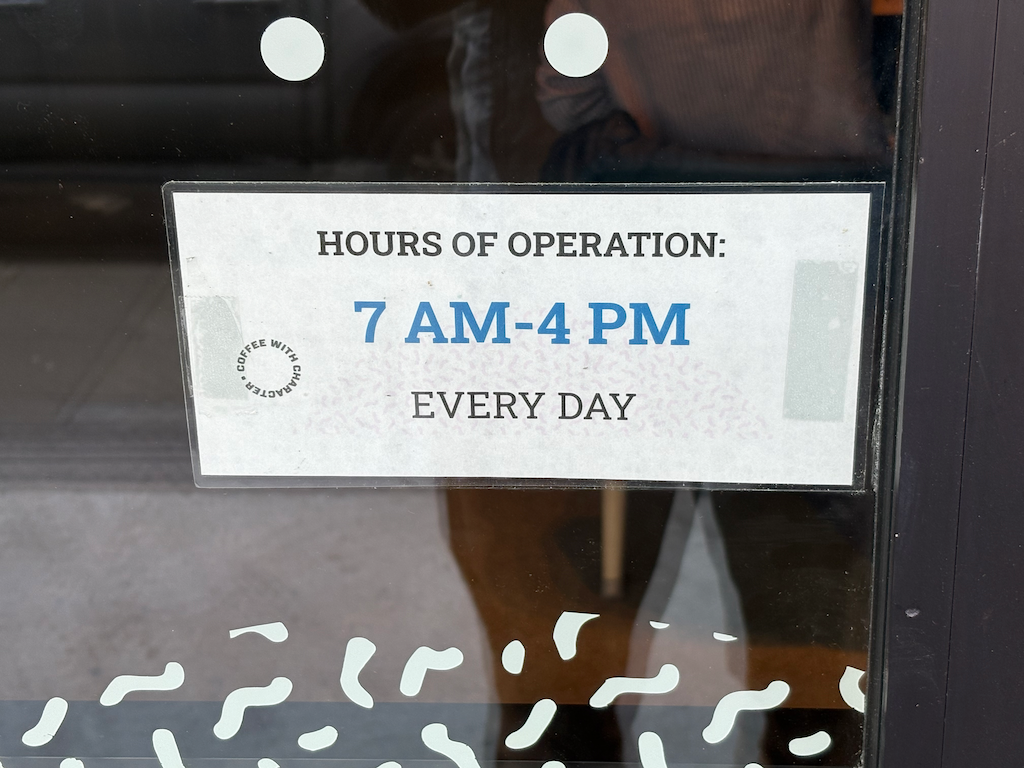
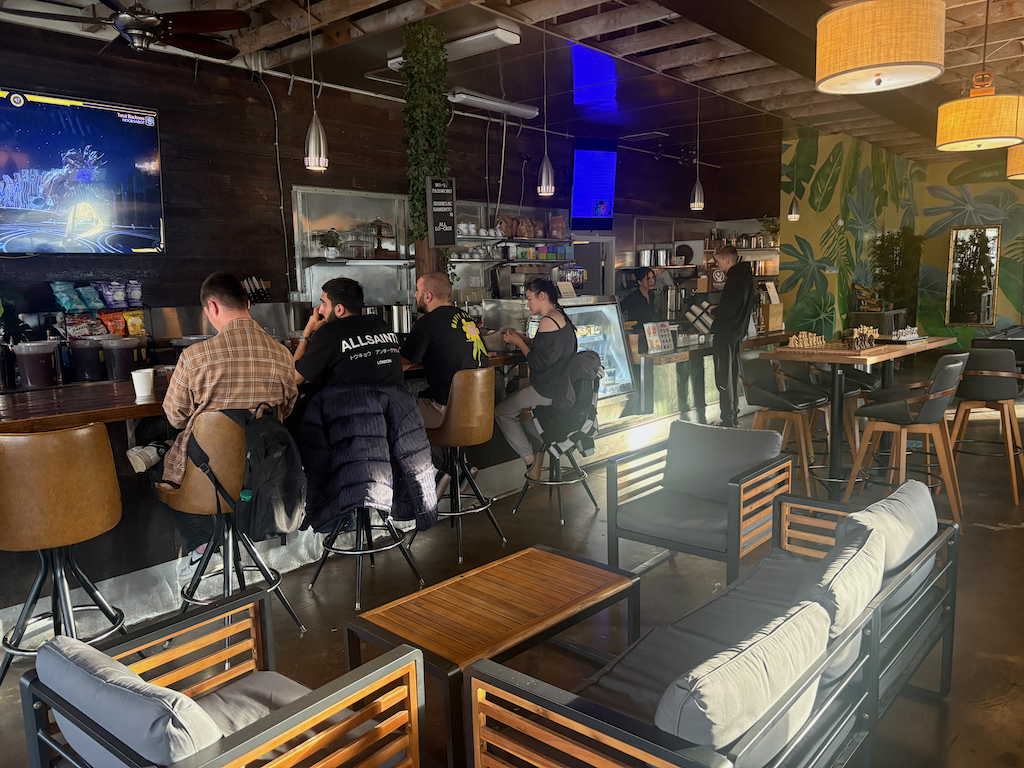
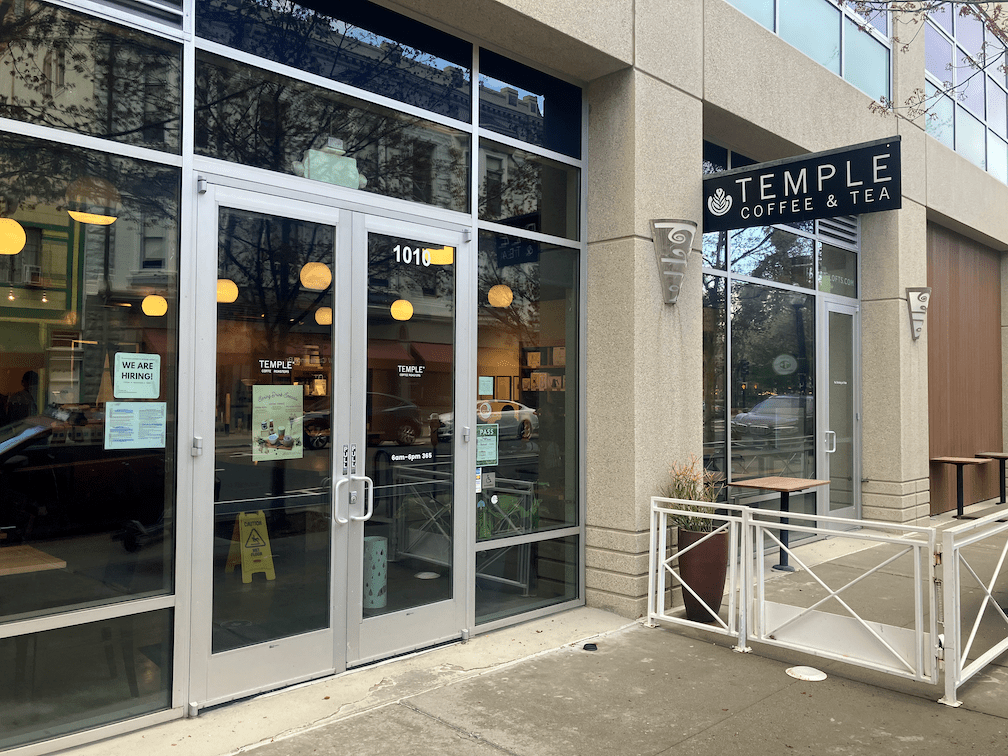
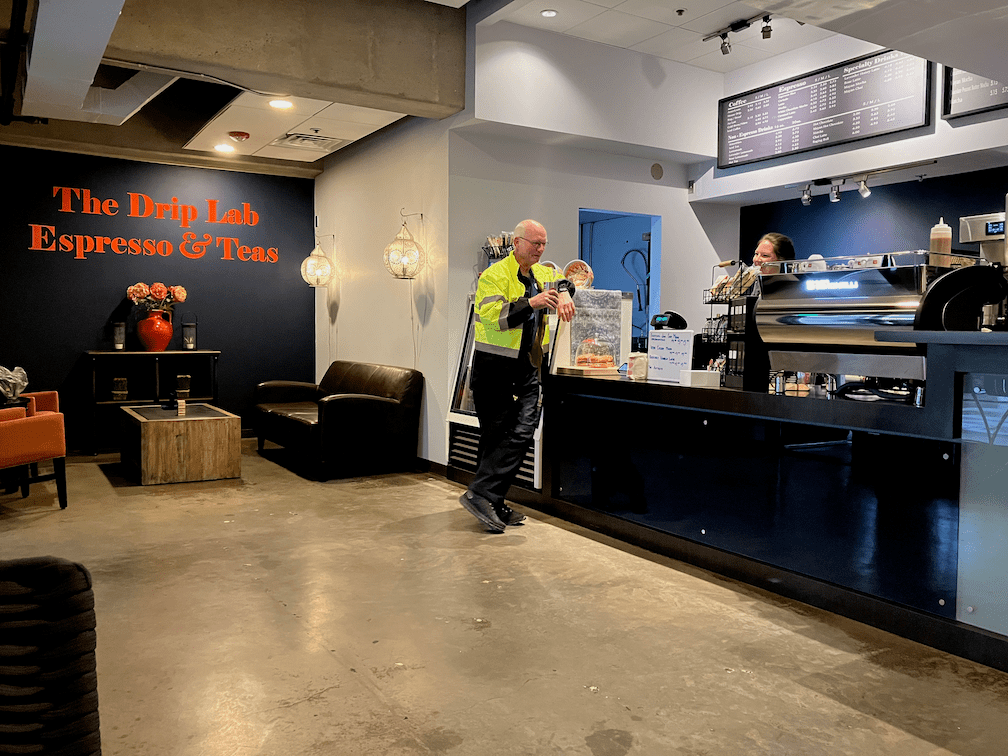
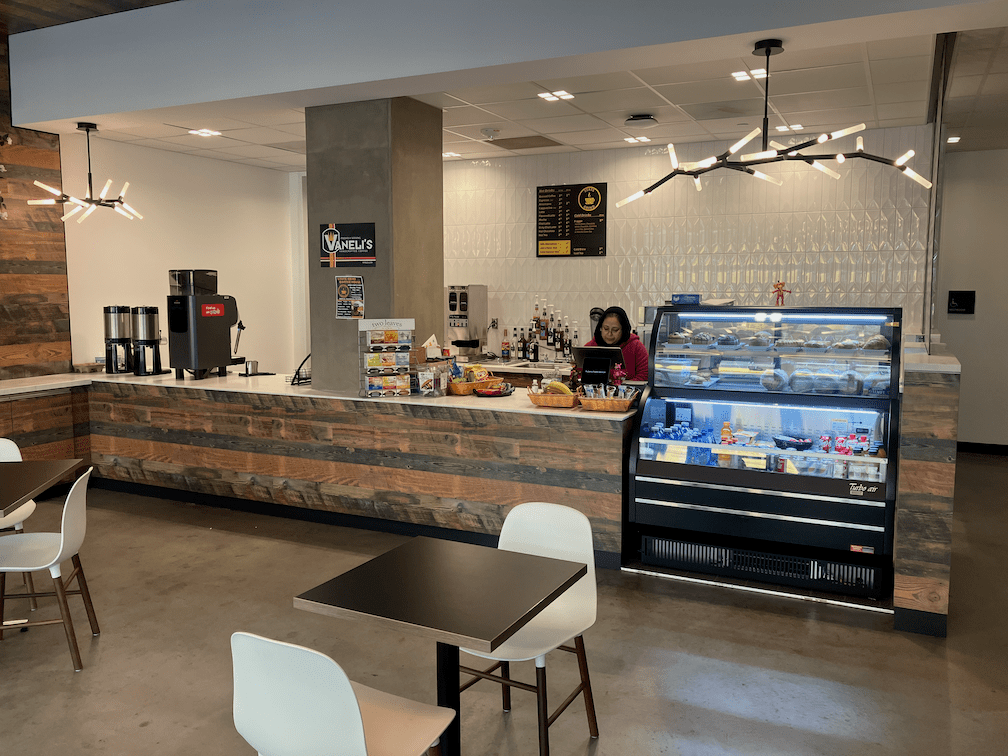
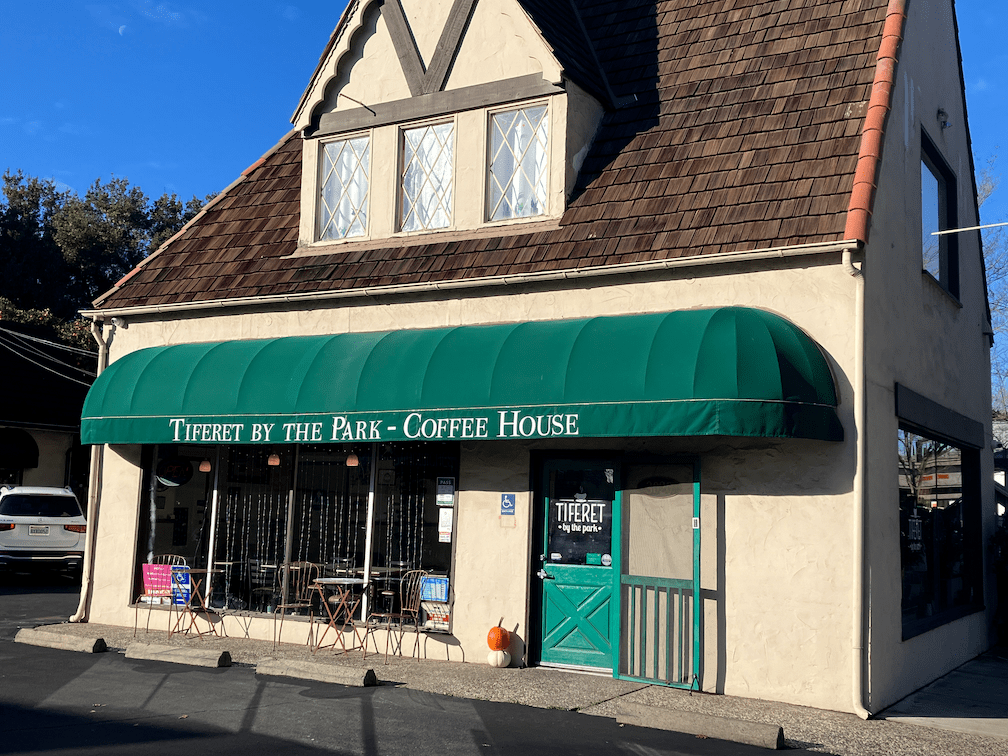
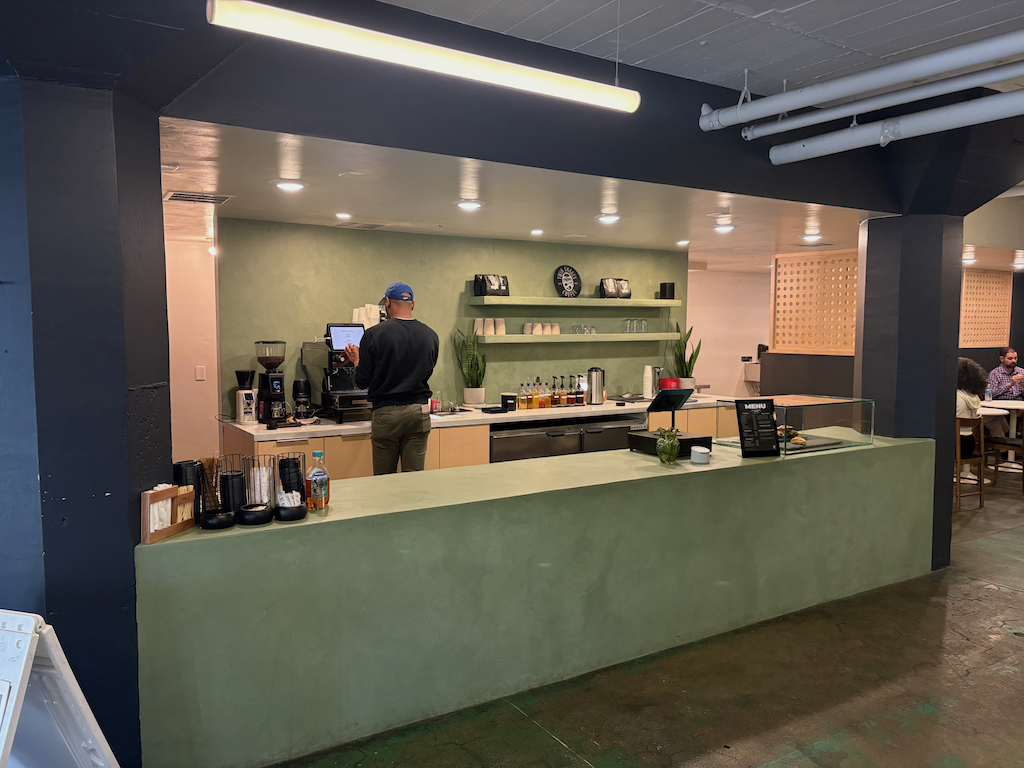
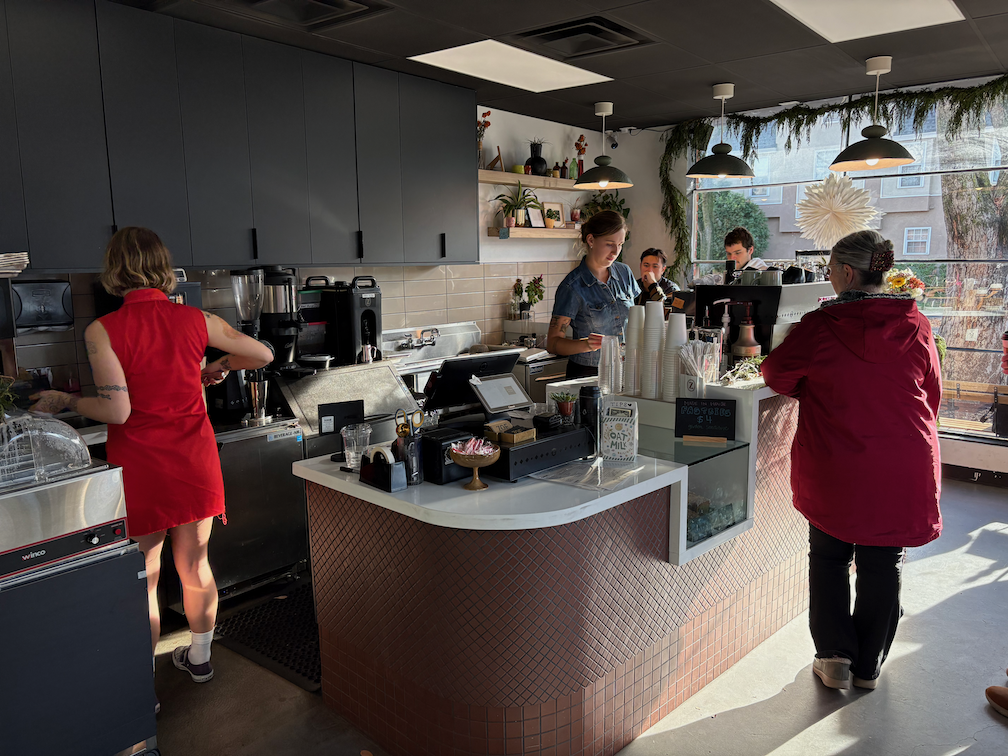
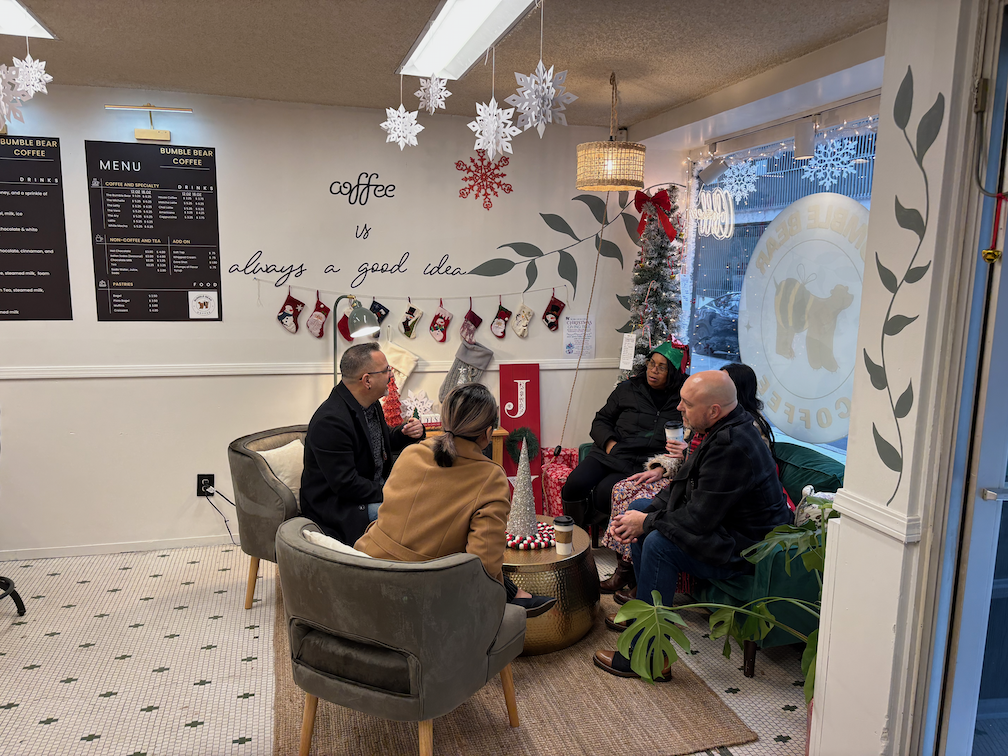
I changed from a slide show to a gallery for coffee shop photos, so that they could be captioned. Captioning is partially complete, and there will be additional photos to come, so check back. The photos are alphabetical by business name, more of less. For photos of business hours, take these with a grain of salt. They were accurate at the time of the photo, but may not be currently.

coffee shops (tea) on the grid: update 2024-12

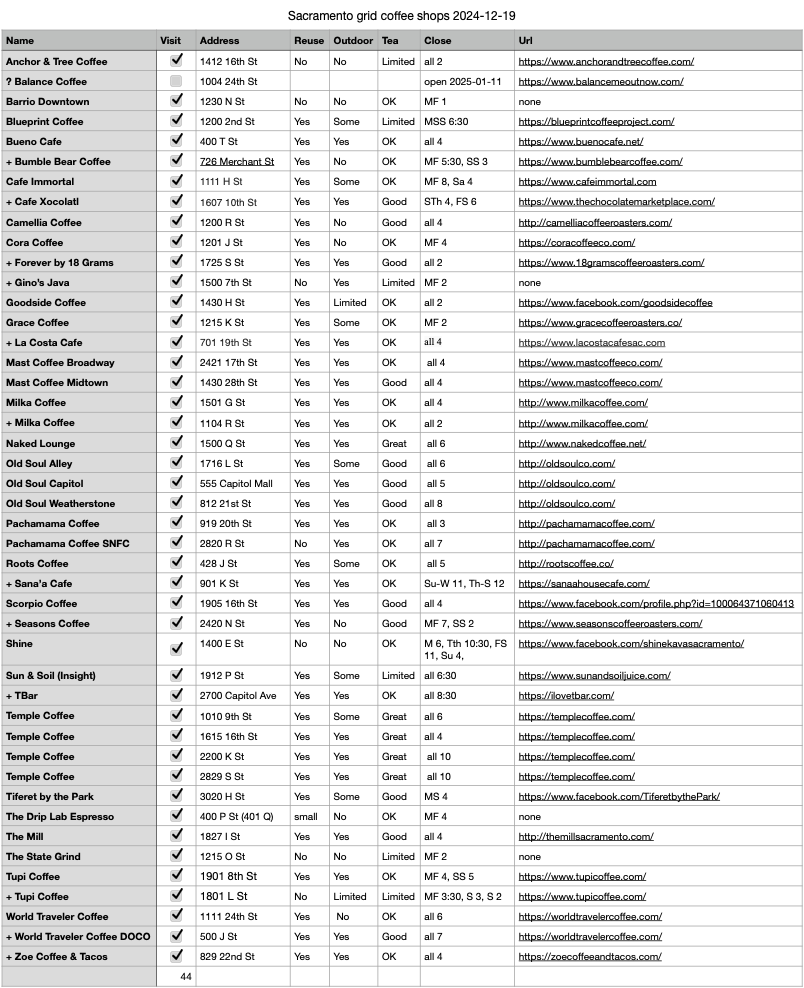
I first posted on coffee shops on the grid in April 2023, and have made minor updates since then. Time for a more significant update, as there are a number of new coffee shops, and a few have gone. I visited each new coffee shop, and re-visited about half of the older ones. 44 is my current count. The text below is largely the same as the original post, with some minor updates.

table of grid coffee, 2024-12, not clickable

Though the links in the png above look clickable, they are not. You must use the xlsx or pdf versions for links. The columns are what interested me. Reuse means they offer reusable cups for tea and coffee service, outdoor means they offer outdoor seating, and tea indicates my take on the number and variety of teas offered. Hours are to the best of my knowledge, but will vary and change.

Disclaimer up front: I don’t drink and don’t even like coffee, but I do drink and love tea, and the majority of coffee shops offer tea as well, but most other businesses do not. So I can tell you absolutely nothing about the variety or quality of coffee at any of these shops.

I have long believed that the frequency of locally-owned coffee shops is a key indicator of livability and walkability. Though I’ve not done the calculations, I think this measure would be just as effective a ‘walk score’ as the WalkScore offered by Redfin, which uses a complicated and proprietary algorithm to determine walkability, measured as distance to amenities. Note that WalkScore does not assess the walking environment such as presence or condition of sidewalks, and safety of crossing streets.

I live in the Sacramento central city, the area bounded by the Sacramento River to the west, Broadway to the south, Alhambra Avenue to the east, and the railroad tracks to the north. I have focused my coffee shop visits on this area. Though there are certainly coffee shops throughout the urbanized county, the number of locally-owned coffee shops drops off rapidly outside the central city. In much of the suburbs, there are only chain coffee shops such as Starbucks and Peets.

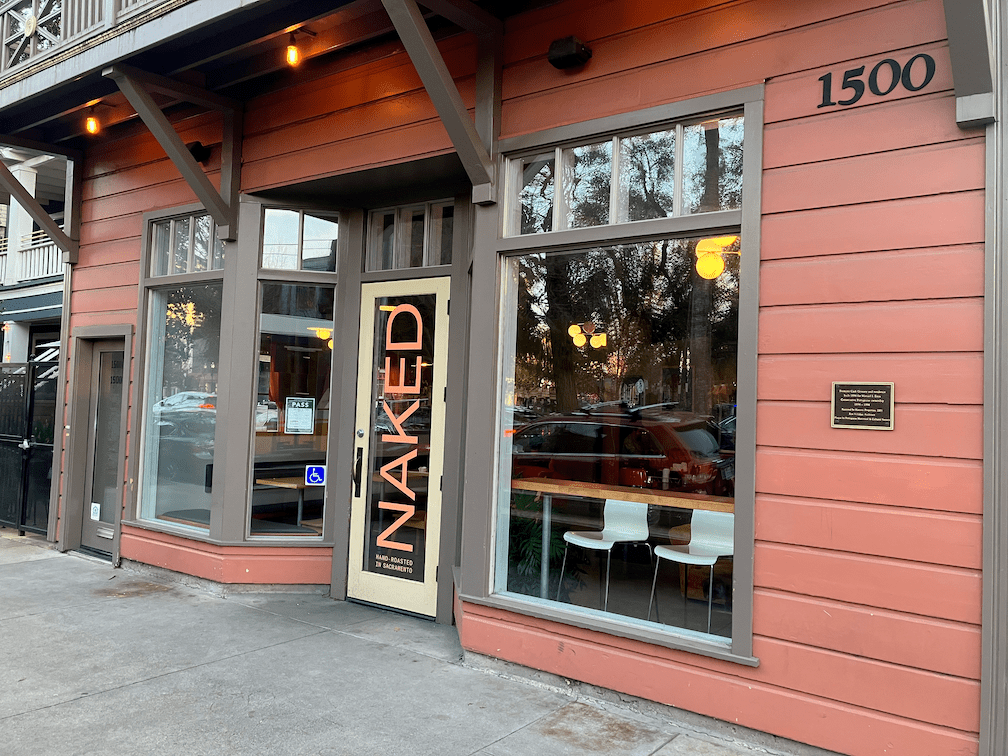
My preferred locally-owned coffee shop is Naked Lounge, on the southeast corner of Q Street and 15th Street, across from Fremont Park. I go there for tea, and for socialization. For those who remember ‘the old days’ when people socialized more and spent less time on their computers, yes, I miss those days. Some days I write in my journal, some days I read, some days I talk to people. I decided to no longer take my laptop to coffee shops, so that I could focus on the above.

If you also like to drink tea at home, as I do, I recommend Tea Cozy, 1021 R Street, next to Fox and Goose, with a very large and diverse offering of bulk and packaged teas. And in Davis, Mishka’s Cafe, 610 2nd Street, offers a selection of brewed tea unparalleled in the region, so far as I know.

I changed from a slide show to a gallery for coffee shop photos, so that they could be captioned, though that work is only partially done.

what now?

It is Winter Solstice today, December 21. It seems like a good day to write the ‘what now’ post that I’ve been thinking about since the election. I’m not religious, so the four ‘sun-days’ of the year, two solstices and two equinoxes, are my main celebrations. And sometimes, but not as often, the cross-quarter days of Imbolc, Beltane, Lughnasadh, and Samhain (Halloween). I’m in Santa Cruz today to celebrate the solstice with good friends, fortunately this year on a weekend. I used to work and live in Santa Cruz, years ago now, but many of my best friends are here. Of course I got here on train and bus and bike. Santa Cruz has about the same number of coffee shops per capita as central city Sacramento, but they are busier here. I’m sitting in a coffee shop, drinking tea. I’ll do a update post on grid coffee soon.

I was very depressed by the 2016 election, but less so this time. Why? Because in 2016 I was uncertain. This time I’m not, I know we are in for a very dark four years. At the national level, things will suck for everything I care about, in transportation and equity. Many of my friends, both in transportation advocacy and otherwise, were far more depressed than I. I was in a personal growth seminar the day after the election, and some people were immobilized with depression. I understand.

But at the local level, I feel more hopeful. I don’t feel as though I do or can have much of an influence for better at the national level, but I do see positive influence and action at the local level. The parting of ways with Howard Chan was definitely a bright spot for me. And the organizations which support the same things I do and working hard on making Sacramento, both city and region, a better place.

I can’t do better at explaining than the Strong Town process, below. Of course this process is about way more than just transportation, it is about everything that makes a place, our place, a livable, vibrant place.

The other major thought I have is that most people will be harmed by Trump, both those who voted for him and those who did not. He is a vindictive, authoritarian person, who cares primarily for himself, and to some slight degree, for his rich powerful friends. No matter what he says, his actions indicate that he does not care for other people. So this will be a bad time for everyone, as he and his sycophants work to undermine everything that is good about our country. He intend to break everything, without having a better idea to put in place.

It would be tempting to blame what goes wrong on the people who voted for him, but I will not. They will be hurting, just like the rest of us. They deserve our empathy and forgiveness. Not that we need to give in to what they voted for, but to recognize that all humans, all life, are the victims here.

Our lives are affected by what happens at the national and international level. There is clearly a trend in many parts of the world towards fascism. But at the local level, there is work to do, past harms to heal, people to celebrate, people to listen to, people to see as neighbors no matter who they voted for. Obviously I do work in this blog, but coming to coffee shops to talk with people is also part of the work.

there are worse places!

Added note below on LA sidewalks.

I’m traveling, first in Las Vegas area, and now in Los Angeles area. Traveling to other places is a good reminder that Sacramento is not all that bad. There are worse places!

In Las Vegas, everyone drives everywhere. I observed a person jump in his Jeep, drive a half block to his mailbox, and drive back home. Walking to and from his front door, and to and from his mailbox (clustered mailbox), I saw no sign of disability. In fact, the prevalence of Jeeps is amazing. Every third suburban house has one. Cause you know, its wild out there. The number of them with dirt on the undercarriage, however, is infinitesimal. I see people leaving their house to drive and get coffee, and drive back home. Not as part of a chain of errands, but a drive just to get coffee, for no other purpose. Of course much of Las Vegas is so spread out, that it may to a long ways to a coffee shop (see coffee shops (tea) on the grid for a contrast). Every new development I saw is a gated community. I’m not aware of any being built or recently built that are anything but gated. Even the apartments are gated. People live in, and want to live in, a world where they don’t have to interact with other people, any more than absolutely necessary. They drive large vehicles with darkly tinted windows. They don’t know their neighbors, nor do they want to. The ‘living in a quiet neighborhood where you know your neighbors’ is a mythology perpetrated by people who want to defend their lifestyle, while preserving their isolation.

The worse thing about the neighborhood where my sister lives is the lack of any real shade. Though I celebrate the end of front yard lawns, trees seem to have been thrown out with the bathwater (‘throw the baby out with the bathwater’). Most front yards do not have trees at all, and the ones that do, they are mesquites and related trees, which are beautiful but provide almost no real shade. Except in the very oldest parts of the Las Vegas area, all sidewalks are attached, meaning no space for street trees. If they aren’t on private property, they pretty much don’t exist. Of course that doesn’t matter, because no one walks, so there is no need for shade. Not quite true. Everyone has a dog, or multiple dogs, and takes their dog for a 10-minute walk every day so they can leave their dog waste in someone else’s front yard. If you haven’t spent time in the Las Vegas area, it is always at least 5 degrees hotter than Sacramento, and up to 20 degrees hotter. It is a place that could really benefit from sidewalk shade, but doesn’t have it. Wait, I haven’t been fair. There are palm trees, everywhere. Shade? Nope. Wildlife value? Nope. Aesthetics? Nope.

There are a lot of bicycle riders in southern Nevada. They drive to the paved trails and to unpaved trails at the edge of the city. They don’t ride in the city.

Now I’m in Los Angeles. I have to say that people are much more friendly here. Complete strangers will start up conversations. And you do see a lot more people walking. There are sidewalks on every street. However, except along the main arterial roads, every block has a major issue the sidewalk, often root heaves that make the sidewalk impassible to people with mobility devices, and sometime even to abled walkers. If not root heaves, then there is just deterioration, big cracks and gaps. Bike lanes are scarce in the City of Los Angeles and unincorporated areas of the county. A few of the cities have really put in bike facilities, but in general, they just don’t exist. Because most of Los Angeles is on a grid, there are often lower speed, lower volume parallel streets to ride, but don’t bother with the major streets, or trying to get somewhere quickly.

I have been walking around Koreatown this afternoon, refreshing my memory and experience of the sidewalks. It is nearly impossible to walk a block, on any street except the arterial roadways, without running into a sidewalk issue that would make it difficult or impossible for someone in a wheelchair to navigate. The reason root heaves are so prevalent here is that the sidewalk buffers are only three feet, except in richer neighborhoods. Even Sacramento has six feet or more for sidewalk buffers (where they exist). So every tree that is older has root heaved the sidewalk (photo below). If it isn’t a root heave or deterioration, then a motor vehicle is parked across the sidewalk, blocking it. In several miles of walking, I have yet to see anyone using a mobility device, except in the grocery store. Are they staying home? Are they driving? Are they using transit? They aren’t rolling on the sidewalks!

photo of impassible root heave, 9th St in Koreatown, Los Angeles
impassible root heave, 9th St in Koreatown, Los Angeles

I know I complain often about the built environment in Sacramento, and the very slow progress in correcting the mistakes and disinvestment of the past. All of that is true. But…

Sacramento has a great tree canopy in much of the city, and where it does not, everyone recognizes that there is a problem and I believe the city is making an honest effort to correct that (though handicapped by the same issue that lower income neighborhoods were built with attached sidewalks (no sidewalk buffer for trees). Though there are some areas of gated communities, they are mostly in the county, not the city. Other than our governor, most people don’t live behind gates. It seems to me that there is nowhere near as much dislike of other people as is present in southern Nevada.

The central city has good bike facilities, and relatively polite drivers, at least for bicyclists (not walkers), and is flat. Flat. And the central city is getting better, and work is or will be done on some of the arterial roads in the suburbs, though it is many years late and many dollars short. But it is happening.

I really like living in Sacramento. Of course I go to the bay area frequently, and it in most ways does not compare well with that. But it certainly compares well with Los Angeles, and Las Vegas area. Las Vegas is really just a suburb of LA anyway. 75% of the people came from LA, and the rest from Utah. But every place has its challenges, and I know my perception is just one of many.

How about you?

coffee shops (tea) on the grid

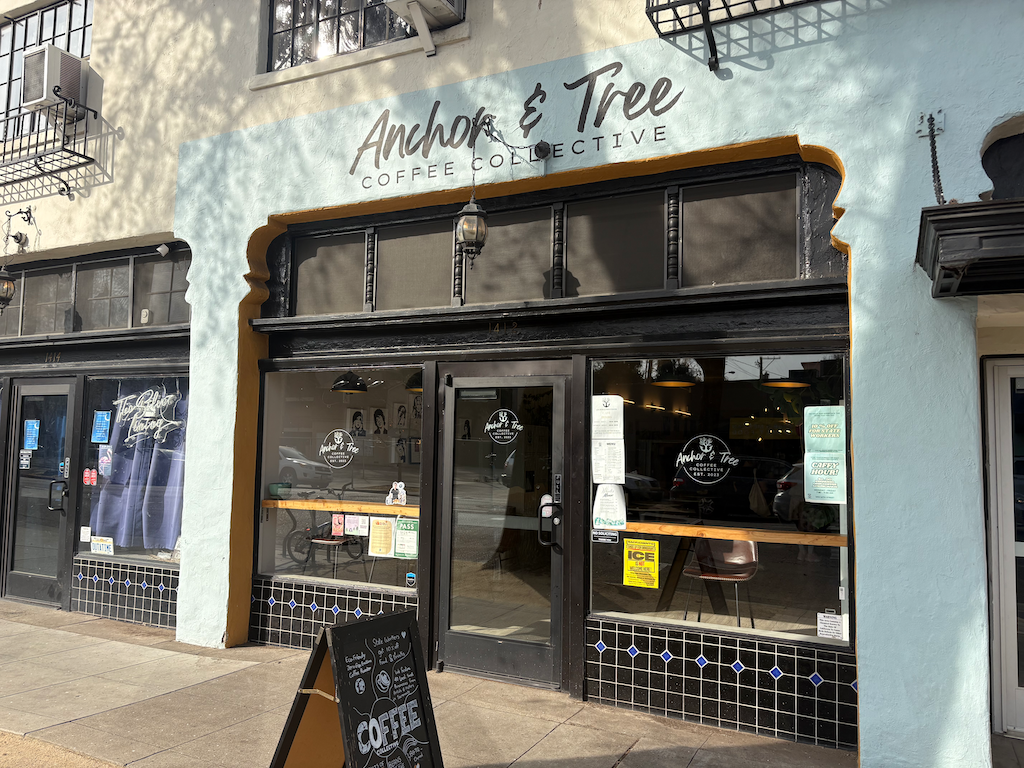
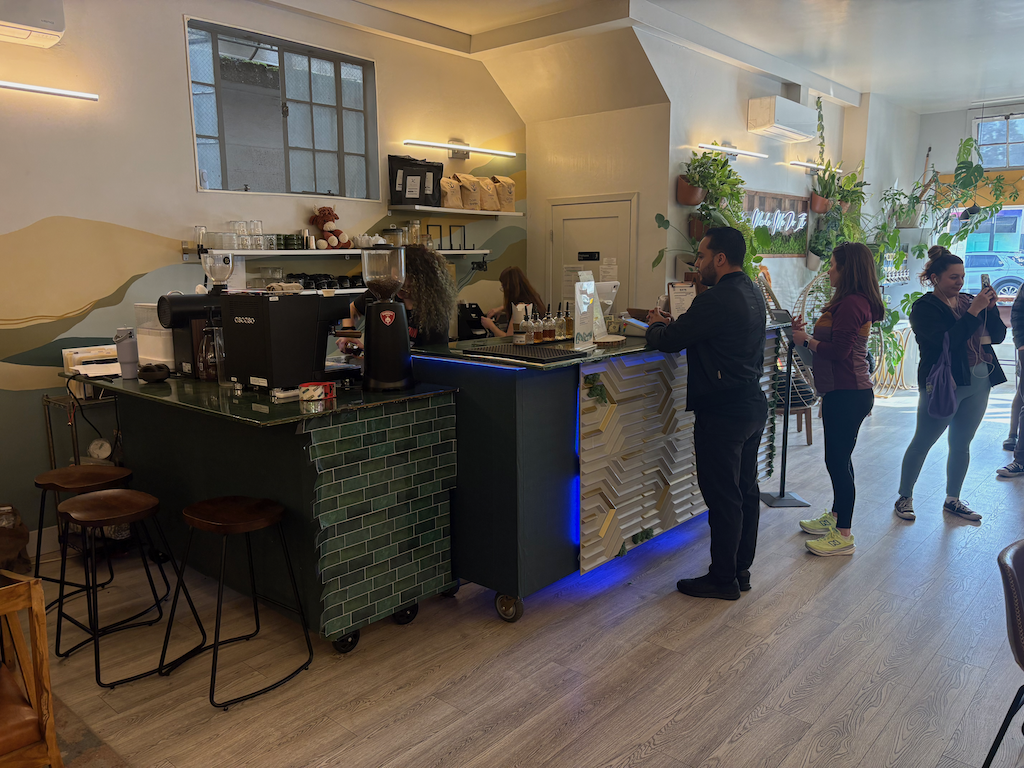
2024-01-07 update since the original post: Anchor and Tree Coffee (16th St) has soft opened, Flow State Coffee has closed, Milka Coffee has a second location on R St, Pressed is probably closing and has shorter hours, Tupi Coffee has moved to 8th St, and I missed Tiferet on the Park Coffee on H St in my original post. The spreadsheet and slide show have been updated and will be further. Note that the spreadsheet image seems to offer clickable links, but does not; you must use one of the other formats.

Disclaimer up front: I don’t drink and don’t even like coffee, but I do drink and love tea, and the majority of coffee shops offer tea as well, but most other businesses do not. So I can tell you absolutely nothing about the variety or quality of coffee at any of these shops.

I have long believed that the frequency of locally-owned coffee shops is a key indicator of livability and walkability. Though I’ve not done the calculations, I think this measure would be just as effective a ‘walk score’ as the WalkScore offered by Redfin, which uses a complicated and proprietary algorithm to determine walkability, measured as distance to amenities. Note that WalkScore does not assess the walking environment such as presence or condition of sidewalks, and safety of crossing streets.

I live in the Sacramento central city, the area bounded by the Sacramento River to the west, Broadway to the south, Alhambra Avenue to the east, and the railroad tracks to the north. I have focused my coffee shop visits on this area. Though there are certainly coffee shops throughout the urbanized county, the number of locally-owned coffee shops drops off rapidly outside the central city. In much of the suburbs, there are only chain coffee shops such as Starbucks and Peets.

My preferred locally-owned coffee shop is Naked Lounge, on the southeast corner of Q Street and 15th Street, across from Fremont Park. I go there for tea, and for socialization. For those who remember ‘the old days’ when people socialized more and spent less time on their computers, yes, I miss those days. Some days I write in my journal, some days I read, some days I talk to people, and yes, some days I too work on my computer.

If you also like to drink tea at home, as I do, I recommend Tea Cozy, 1021 R Street, next to Fox and Goose, with a very large and diverse offering of bulk and packaged teas. And in Davis, Mishka’s Cafe, 610 2nd Street, offers a selection of tea unparalleled in the region, so far as I know.

Below is the table I compiled, along with pdf, Numbers, and xlsx versions. The columns are what interested me, and the ratings are entirely my own, not based on any scale. Reuse means they offer reusable cups for tea and coffee service, outdoor means they offer outdoor seating, and tea indicates my take on the number and variety of teas offered.

grid coffee spreadsheet static image

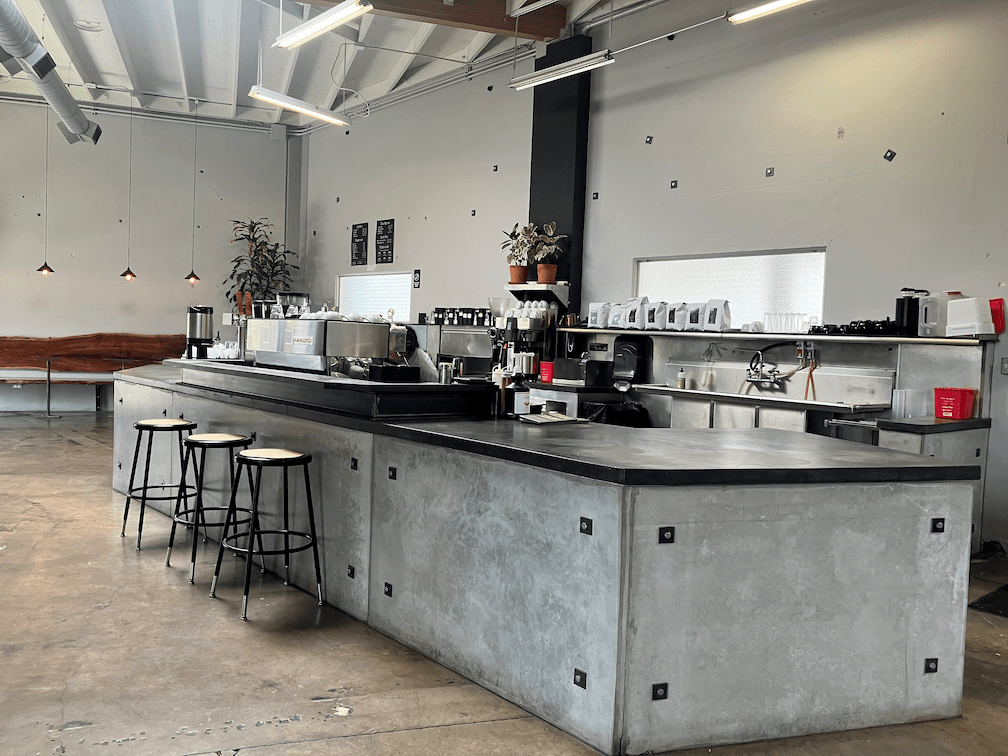
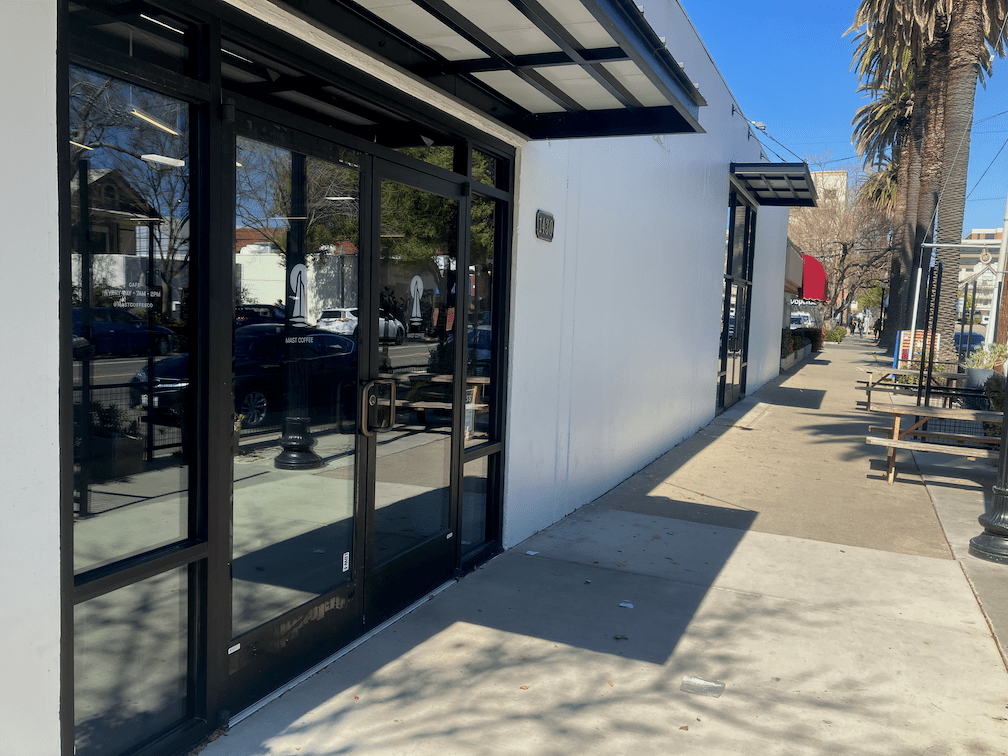
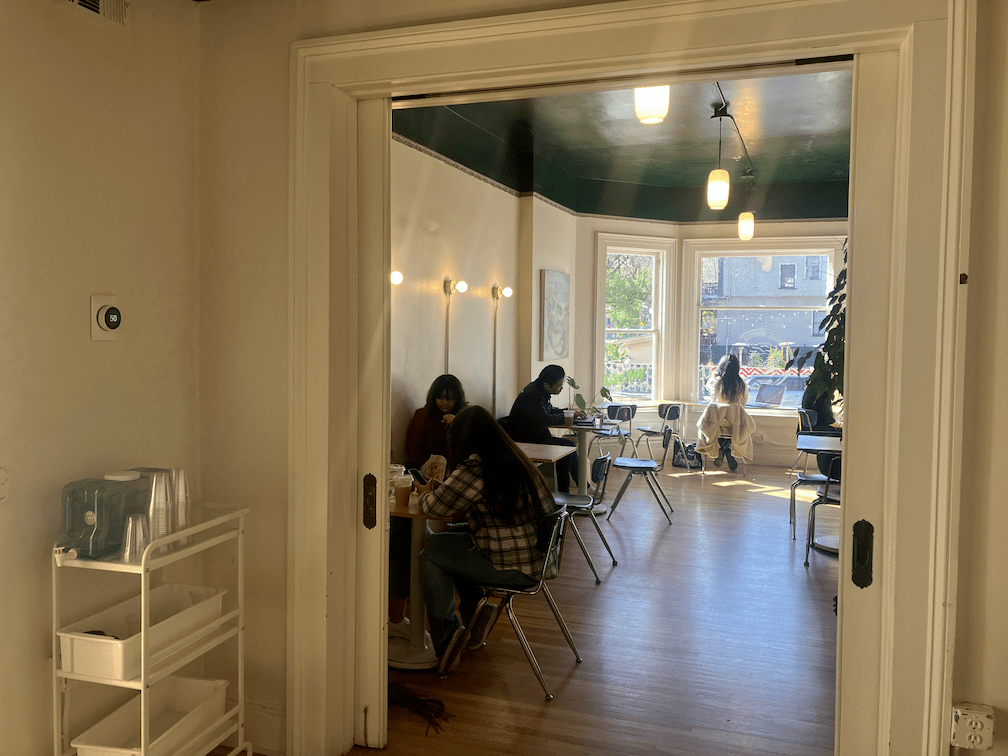
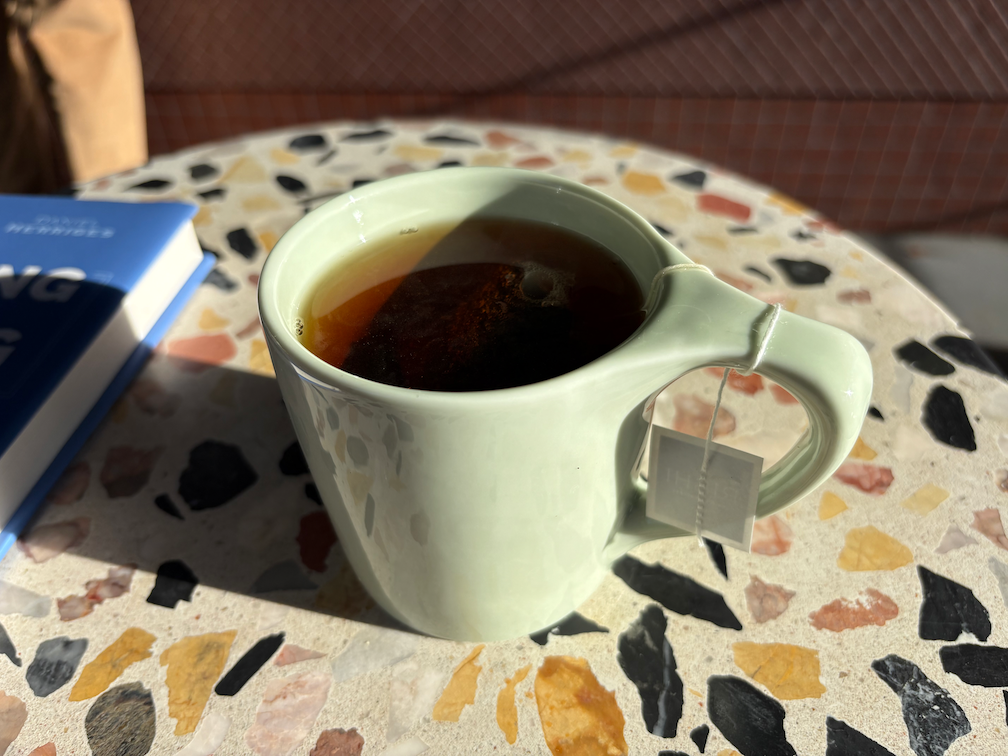
I visited each coffee shop location on the grid. I attempted to take a photo of each, outside and inside. I also started taking photos of the tea service, but didn’t start at the beginning so only a few are in the slideshow.