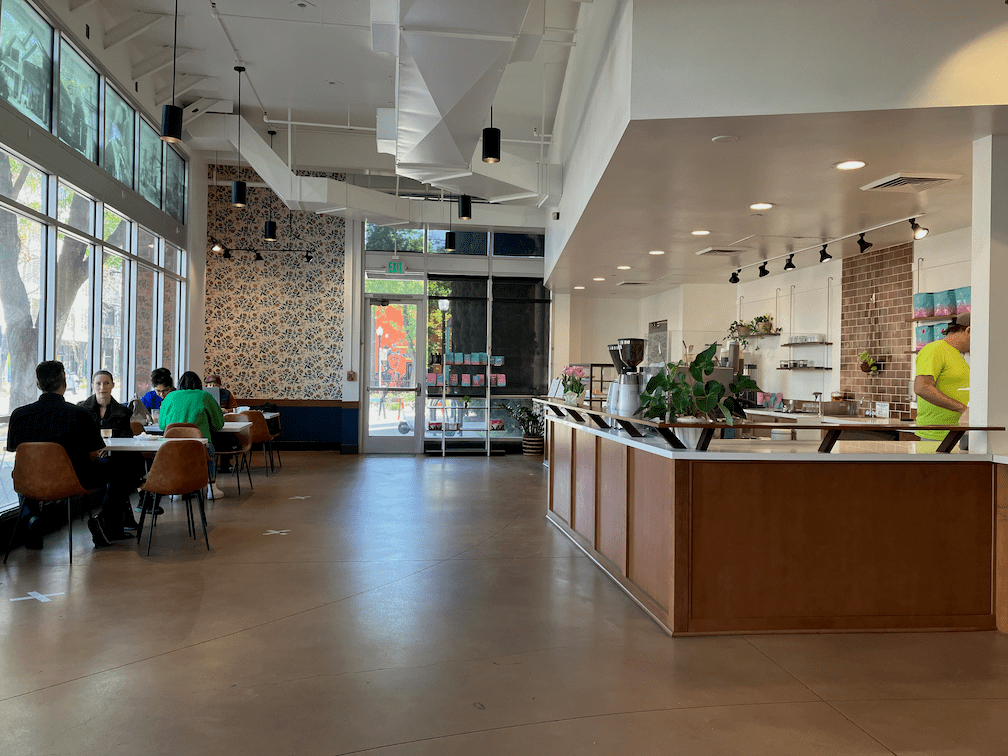
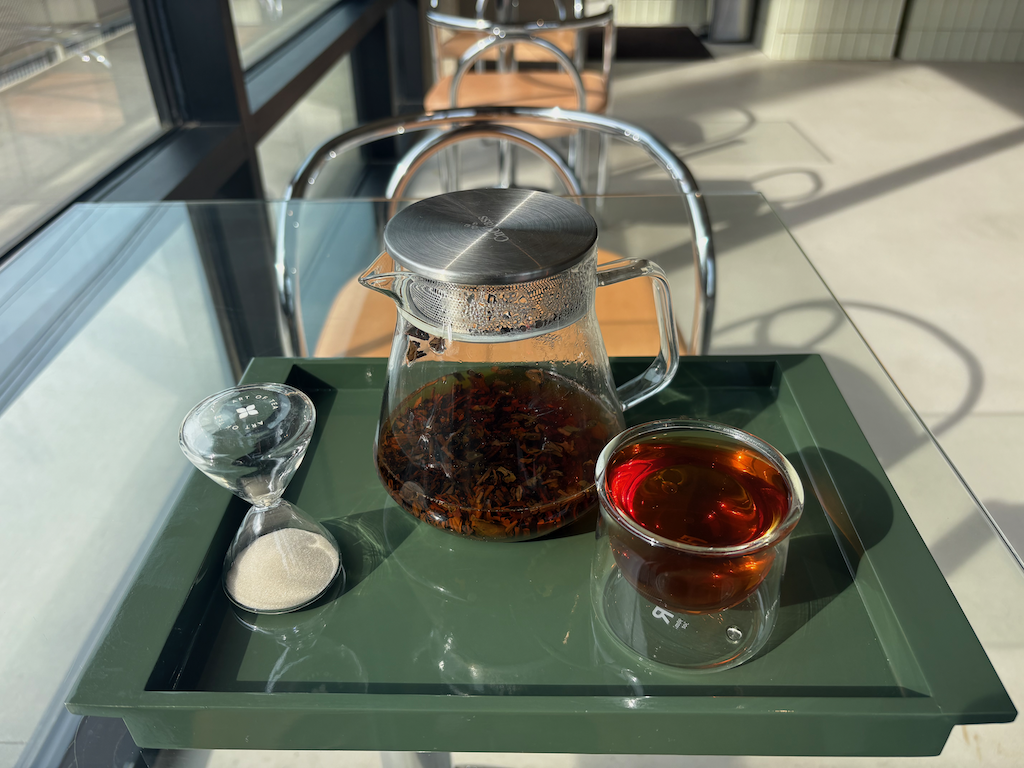
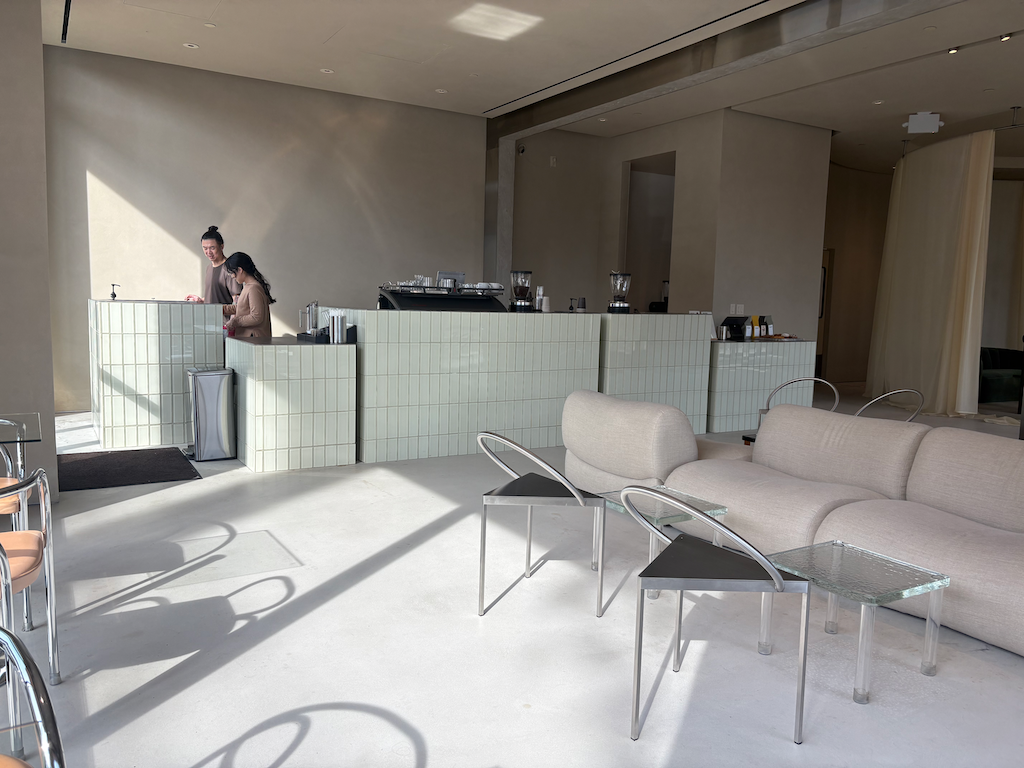
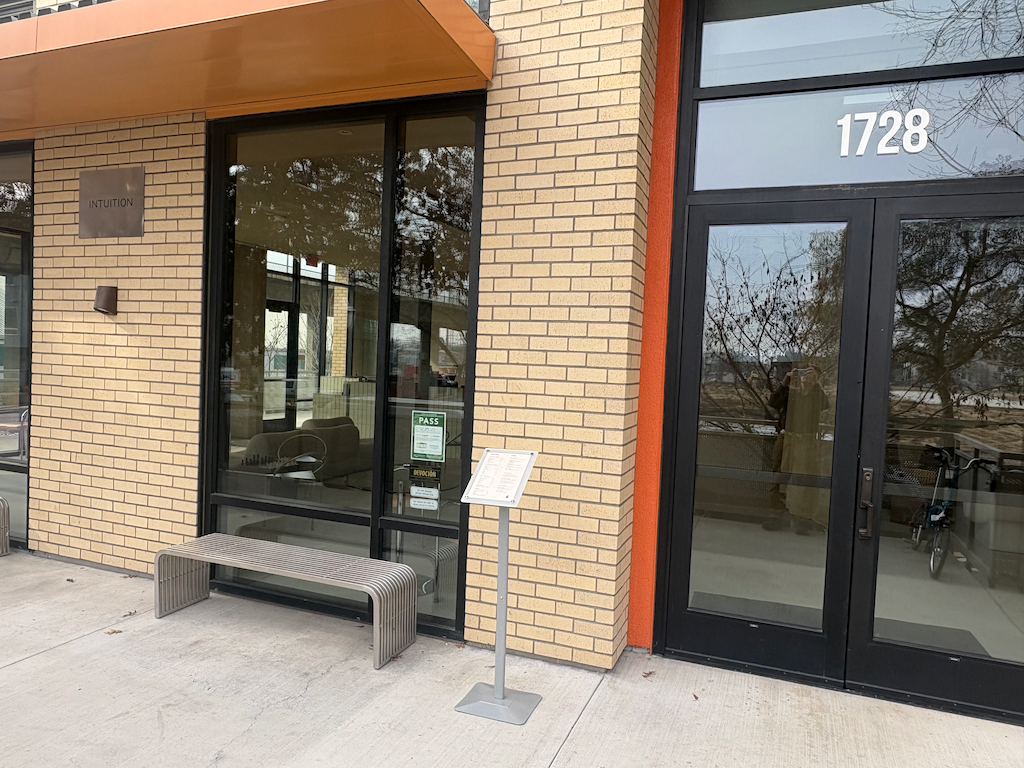
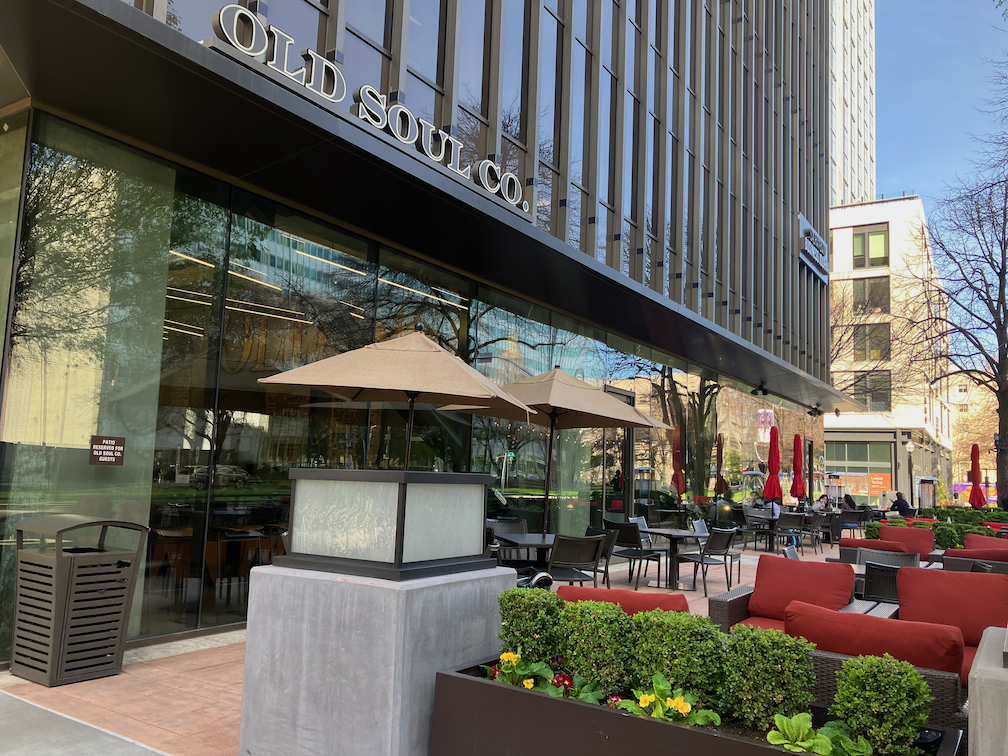
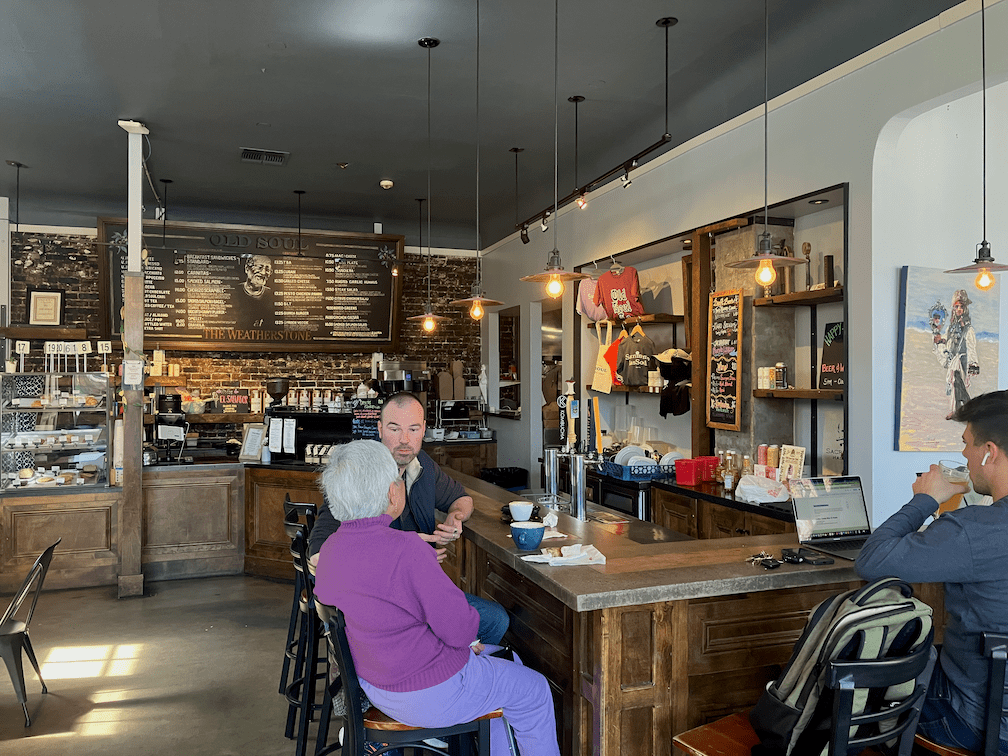
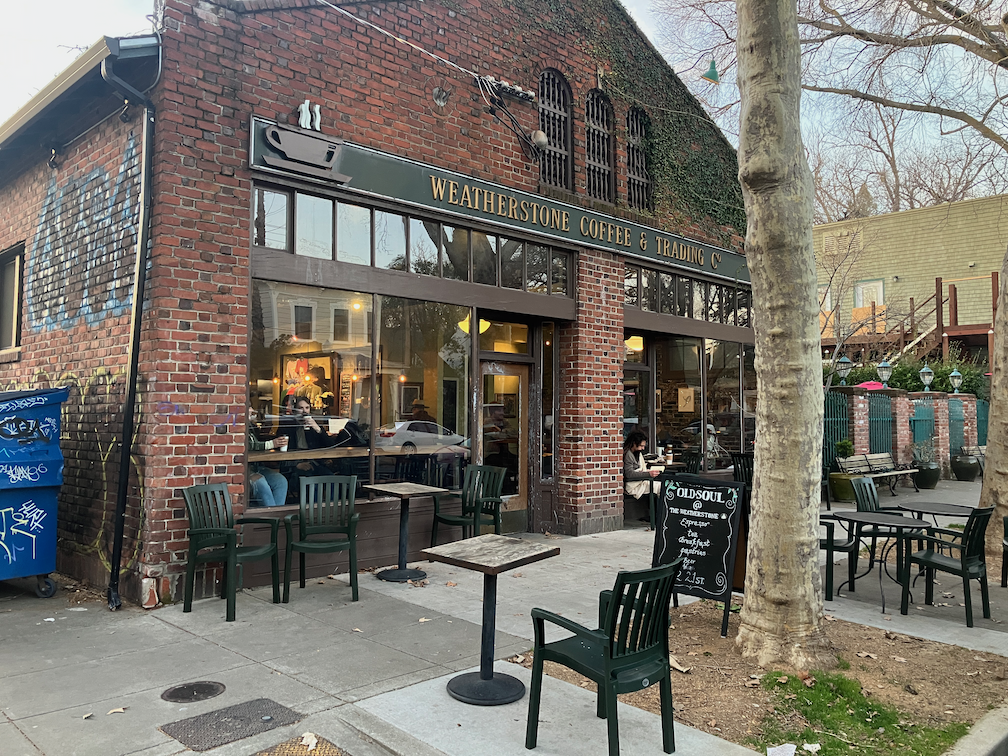
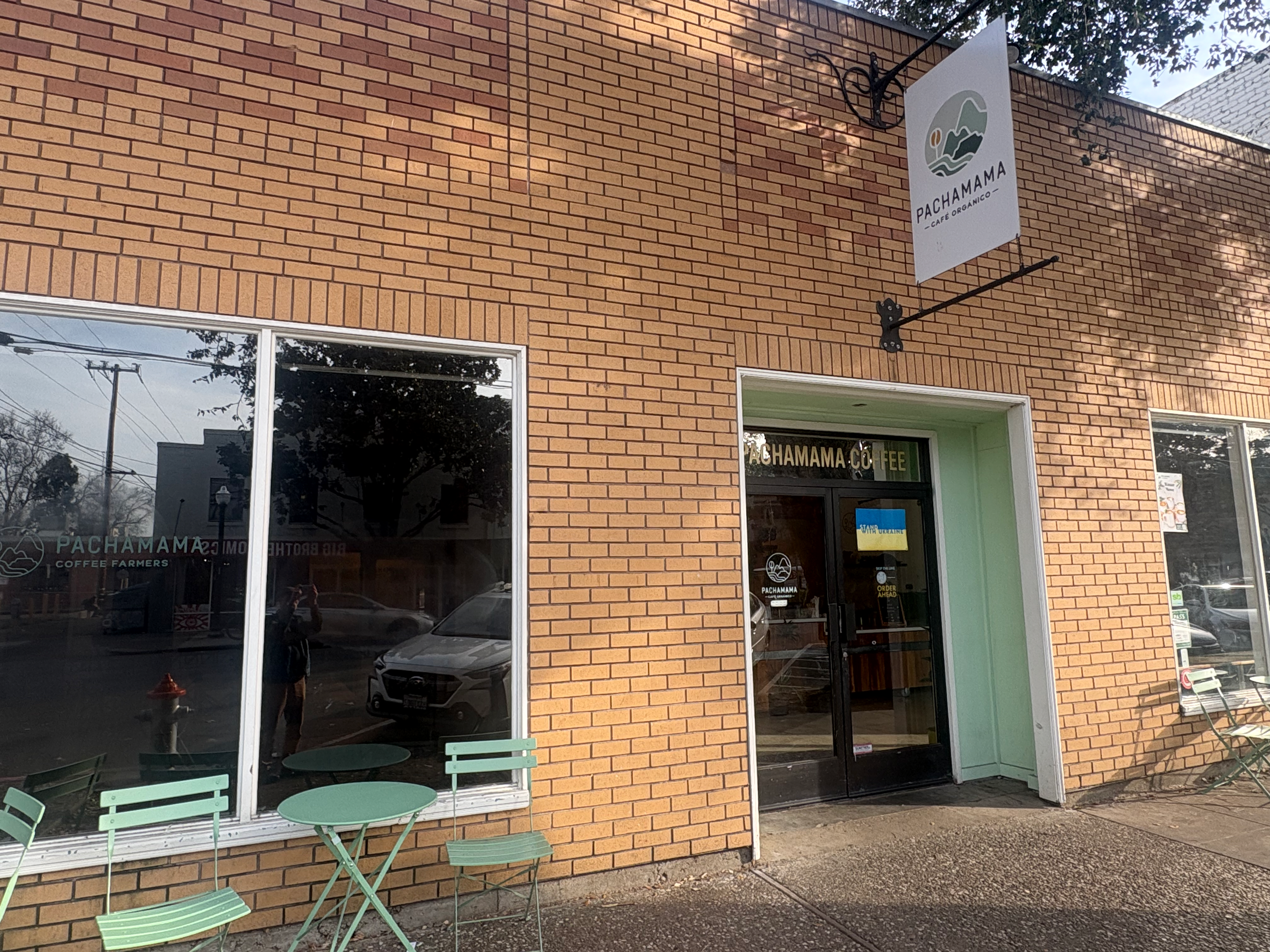
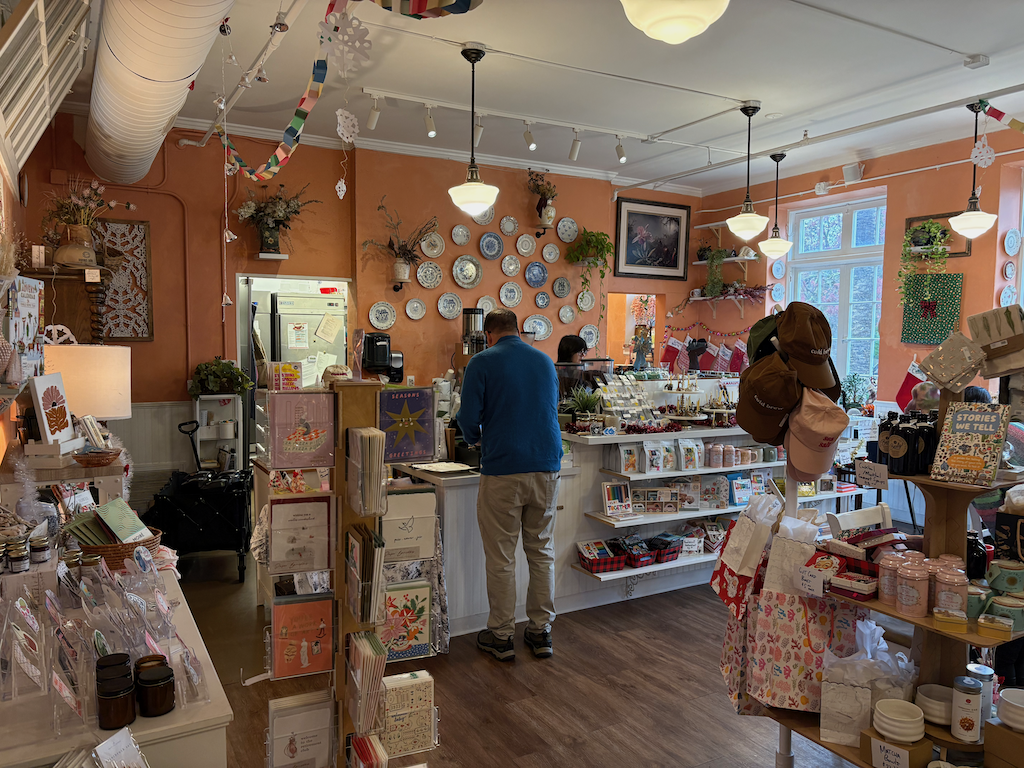
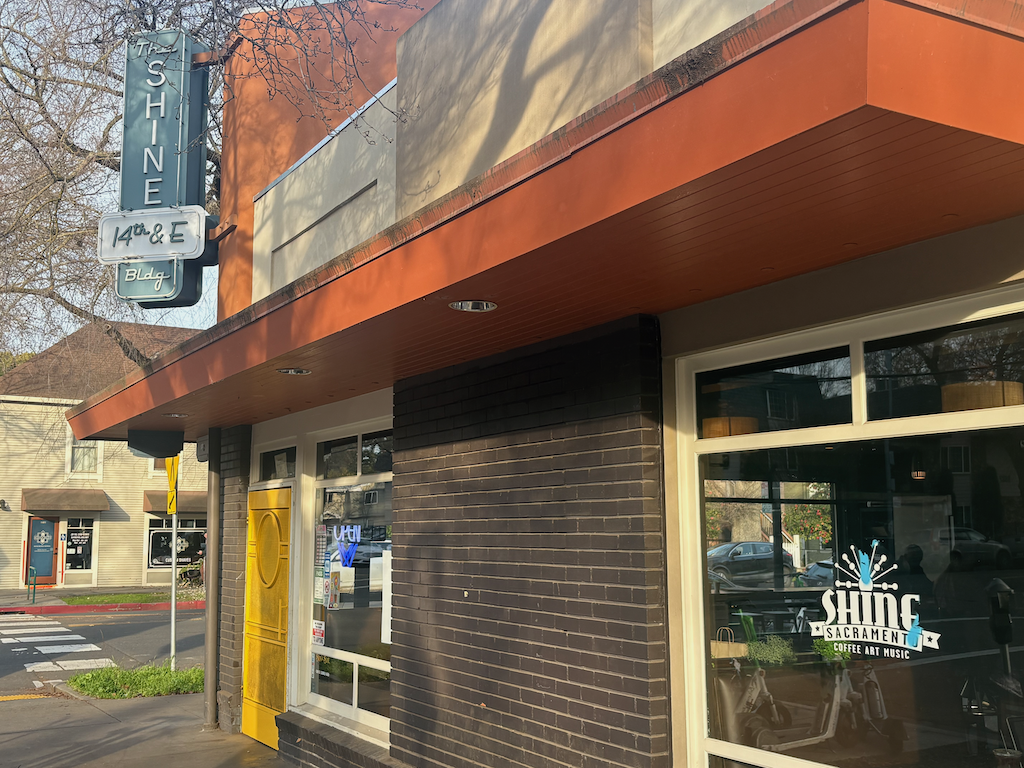
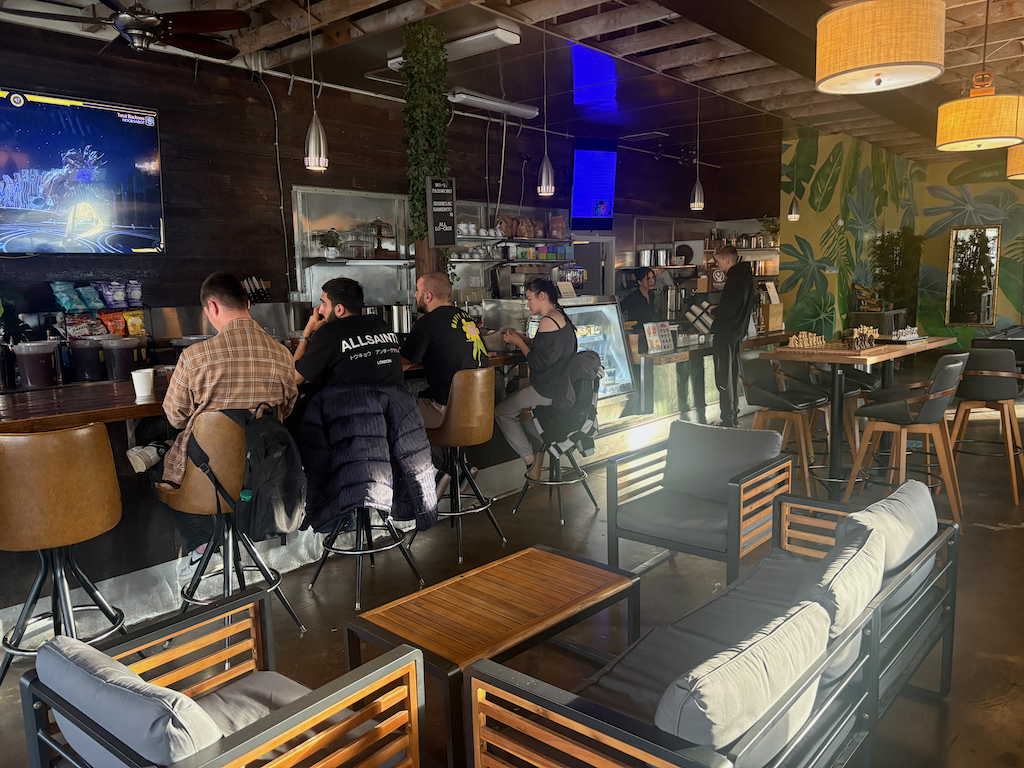
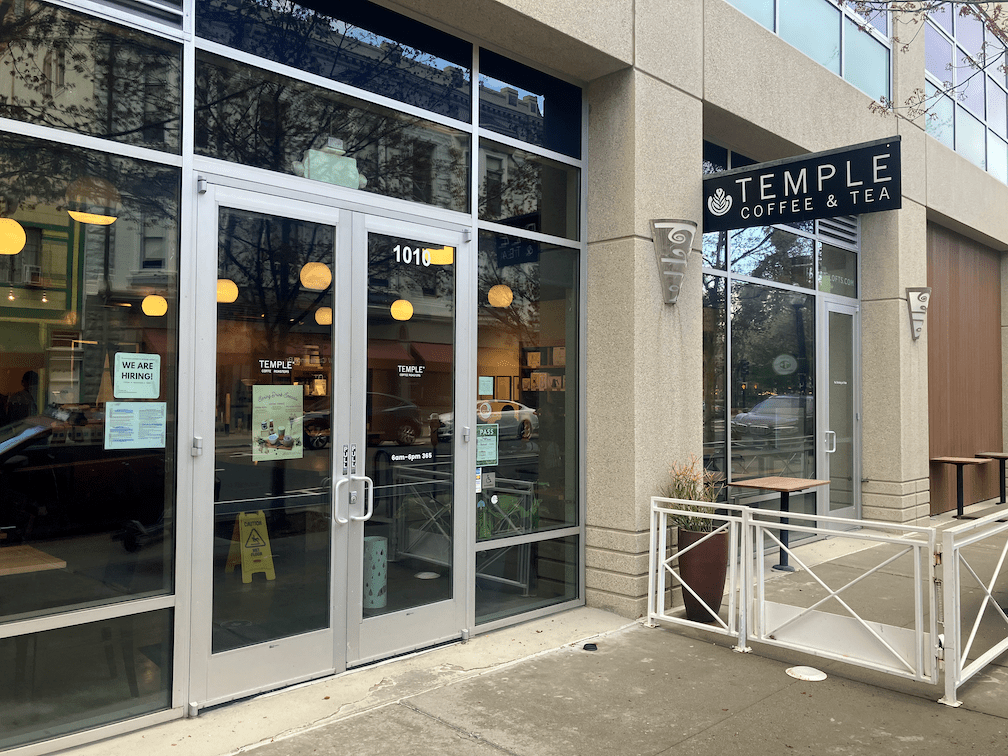
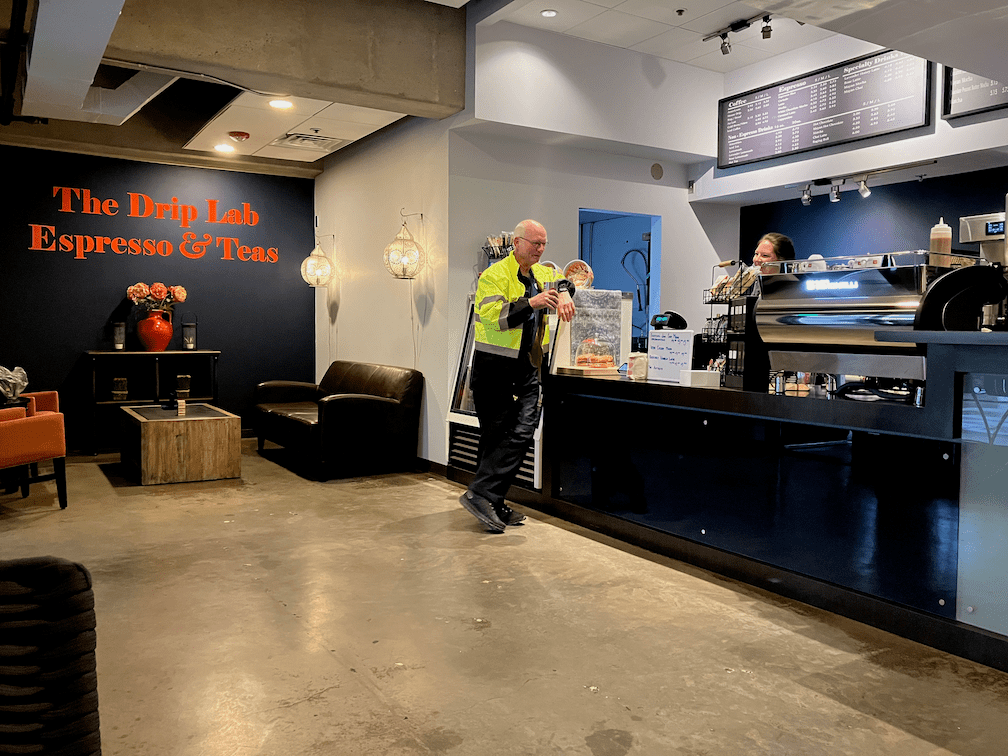
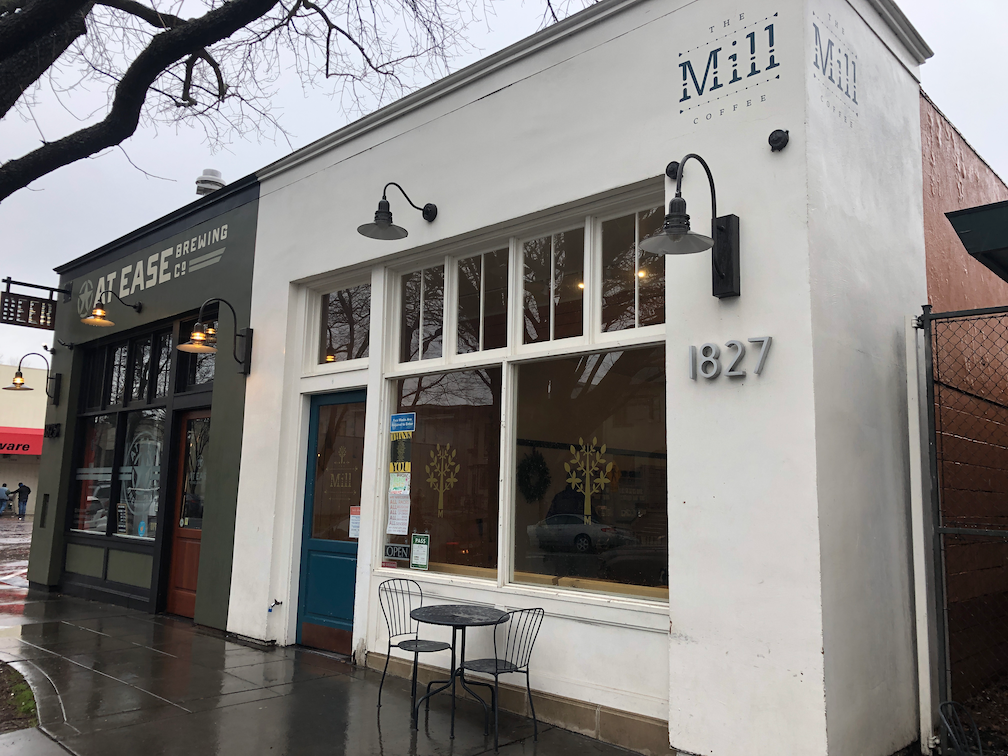
coffee shops (tea) on the grid: update 2024-12

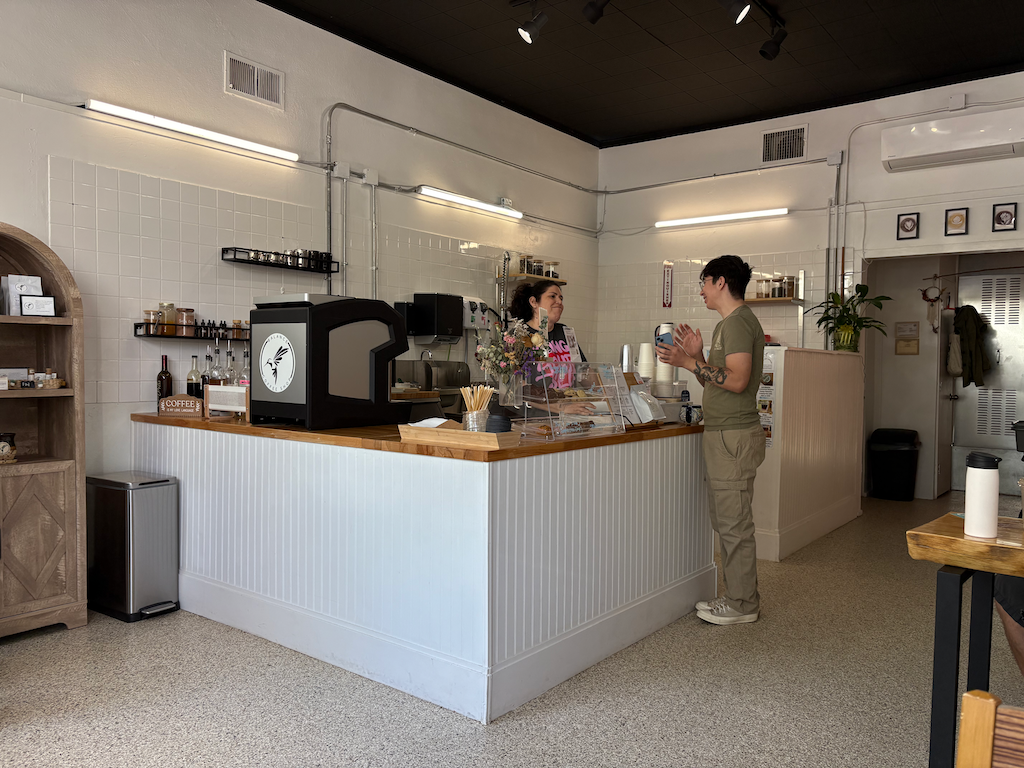
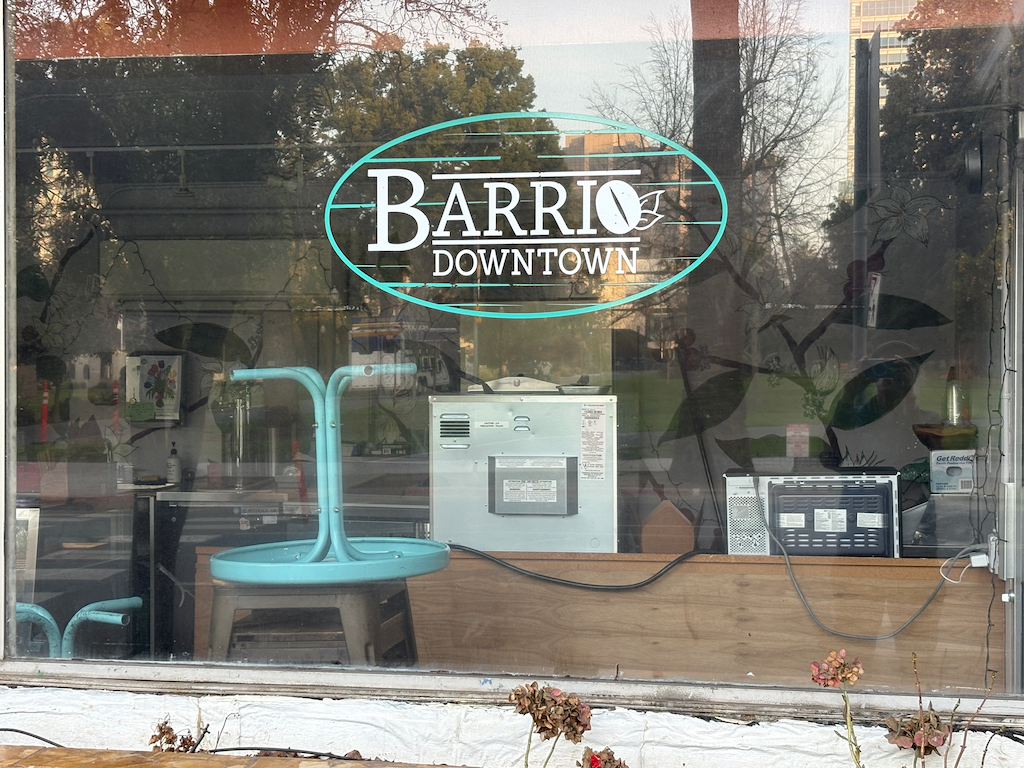
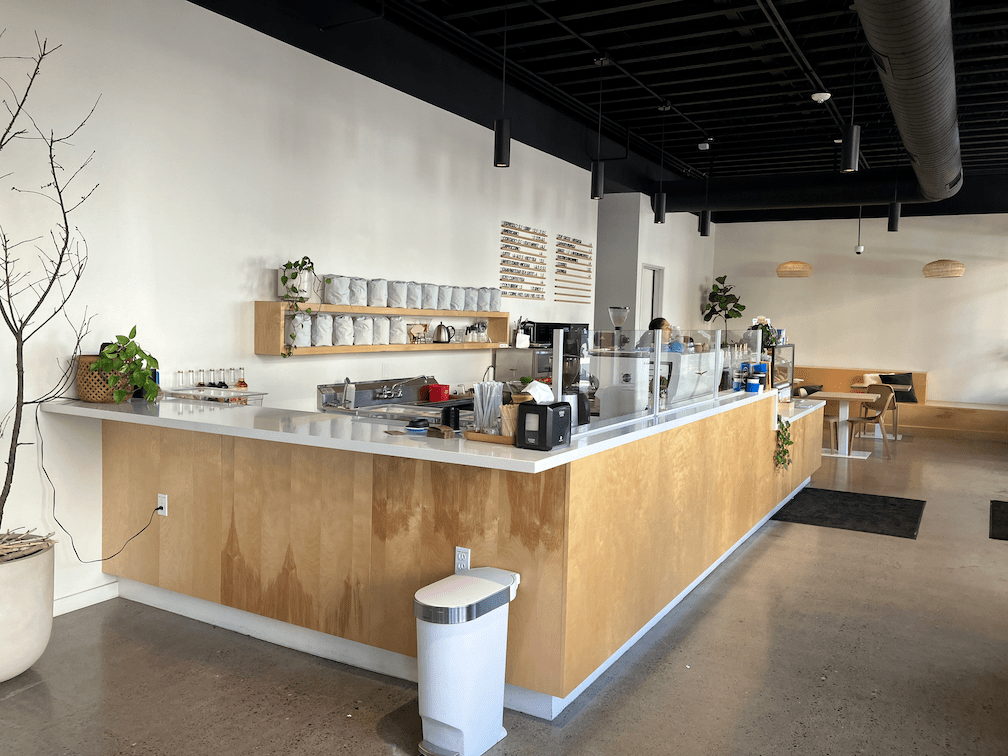
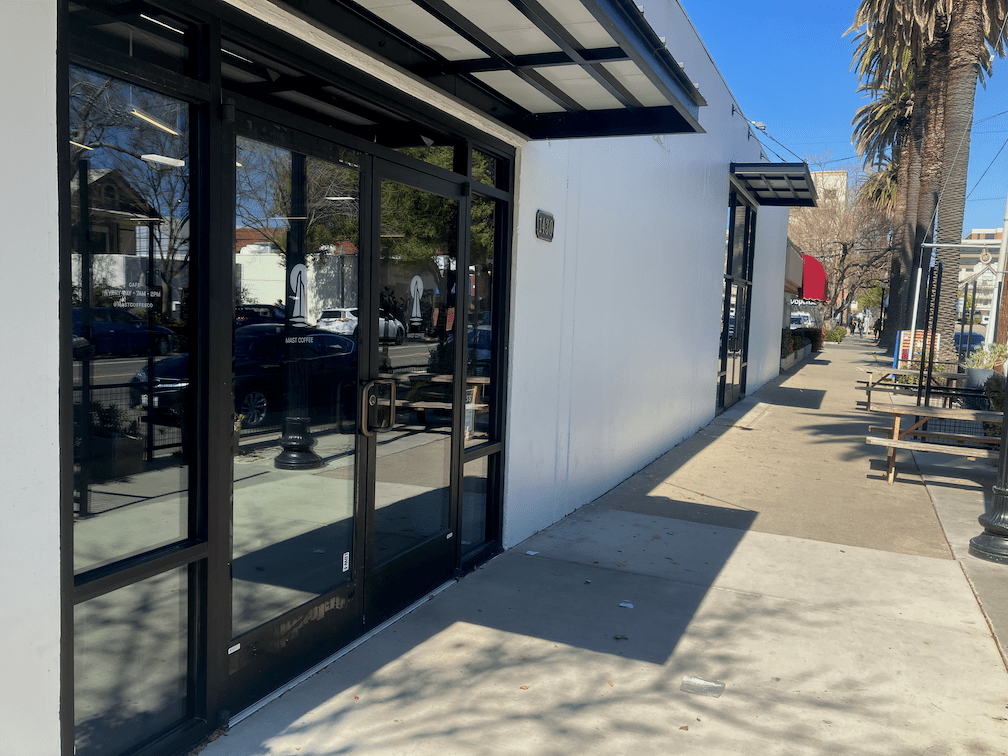
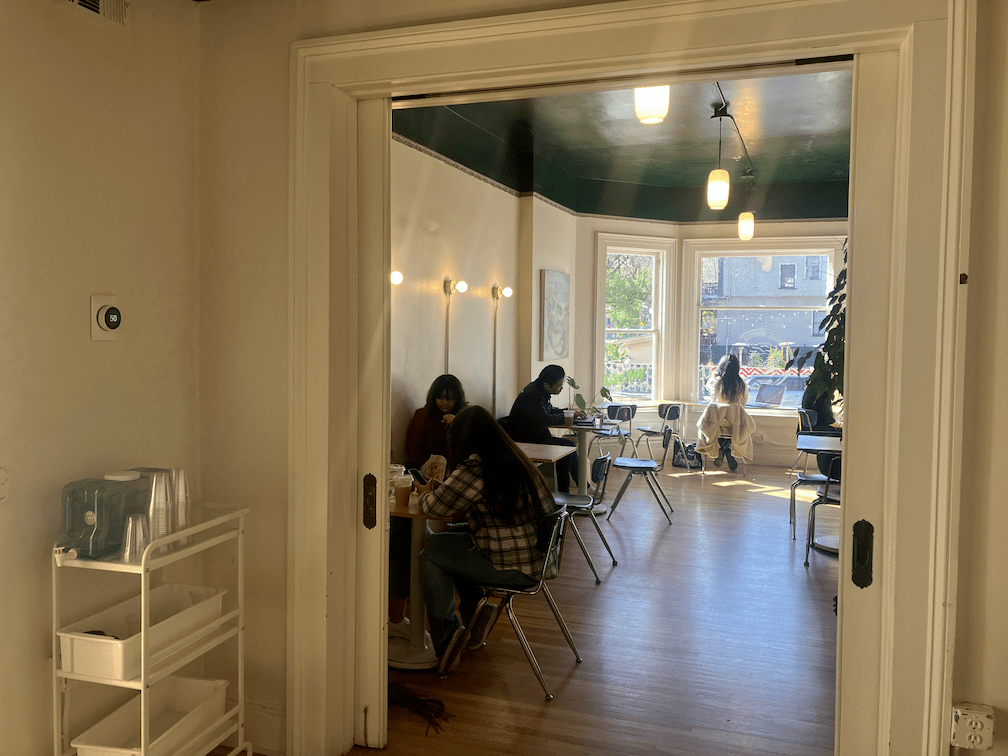
I first posted on coffee shops on the grid in April 2023, and have made minor updates since then. Time for a more significant update, as there are a number of new coffee shops, and a few have gone. I visited each new coffee shop, and re-visited about half of the older ones. 44 is my current count. The text below is largely the same as the original post, with some minor updates.

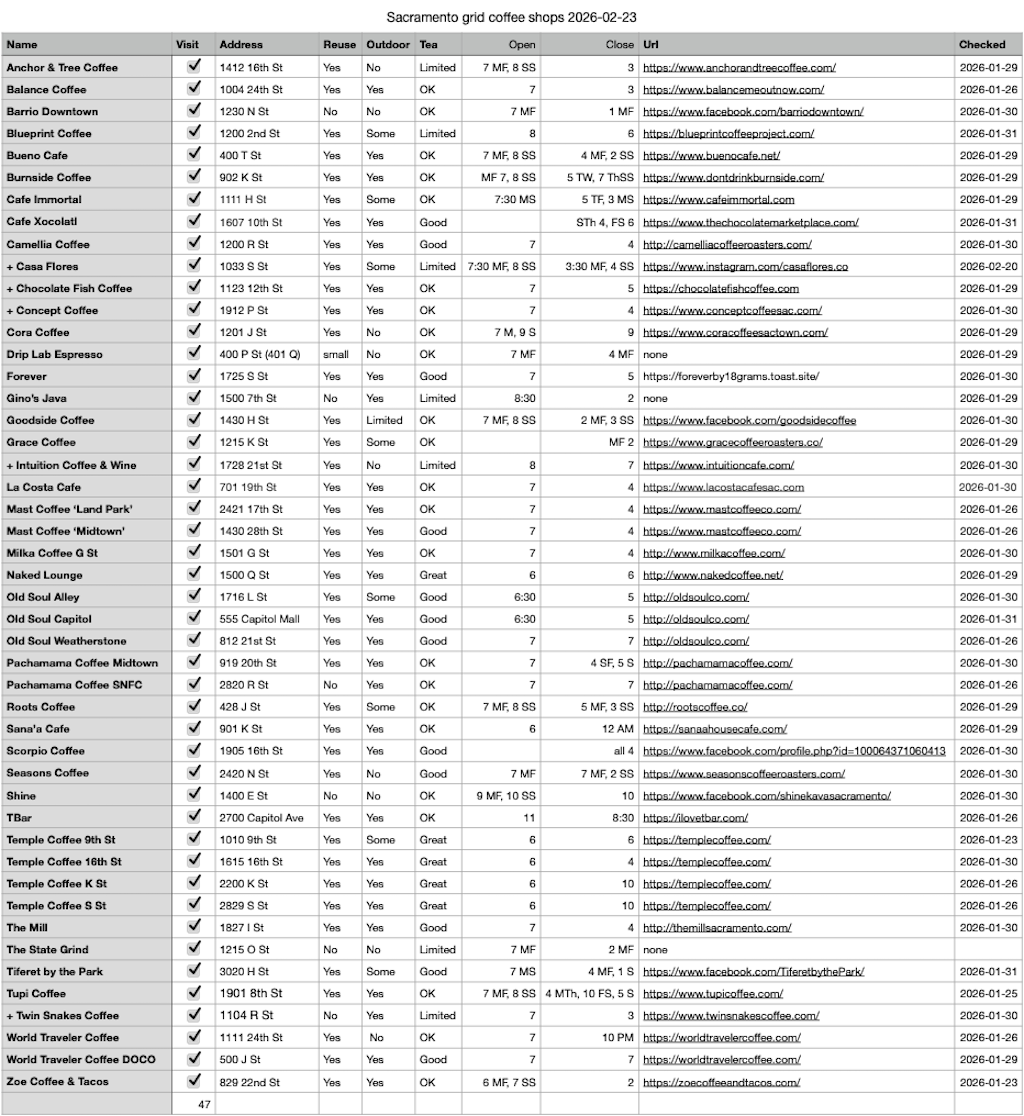
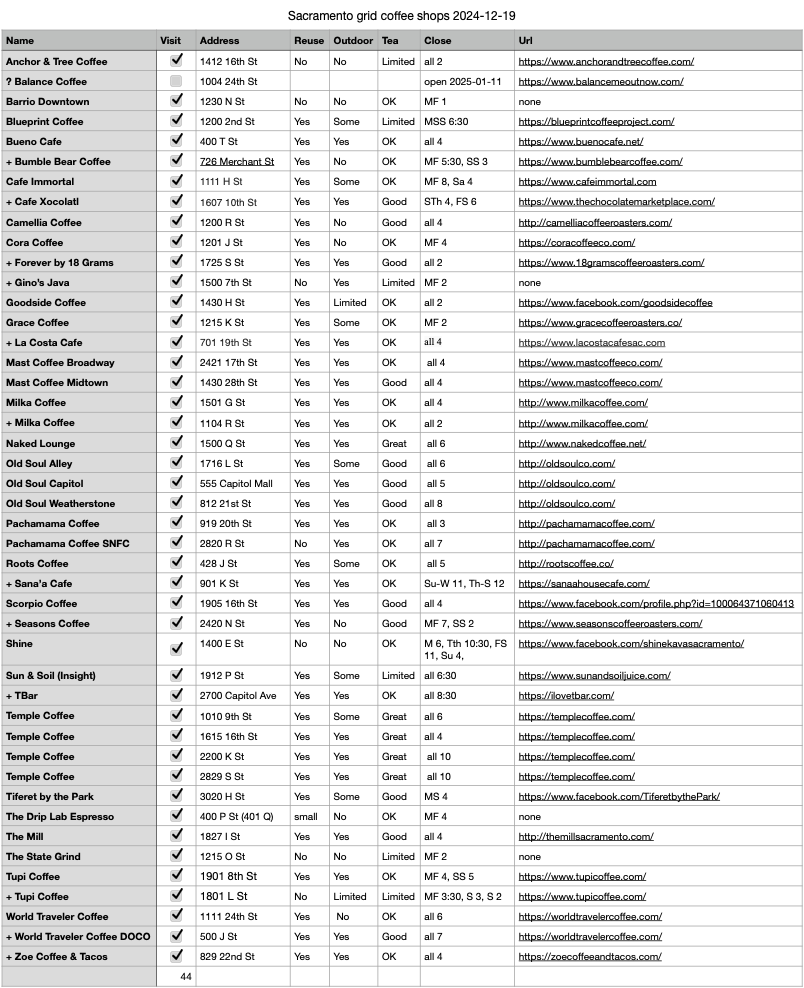
table of grid coffee, 2024-12, not clickable

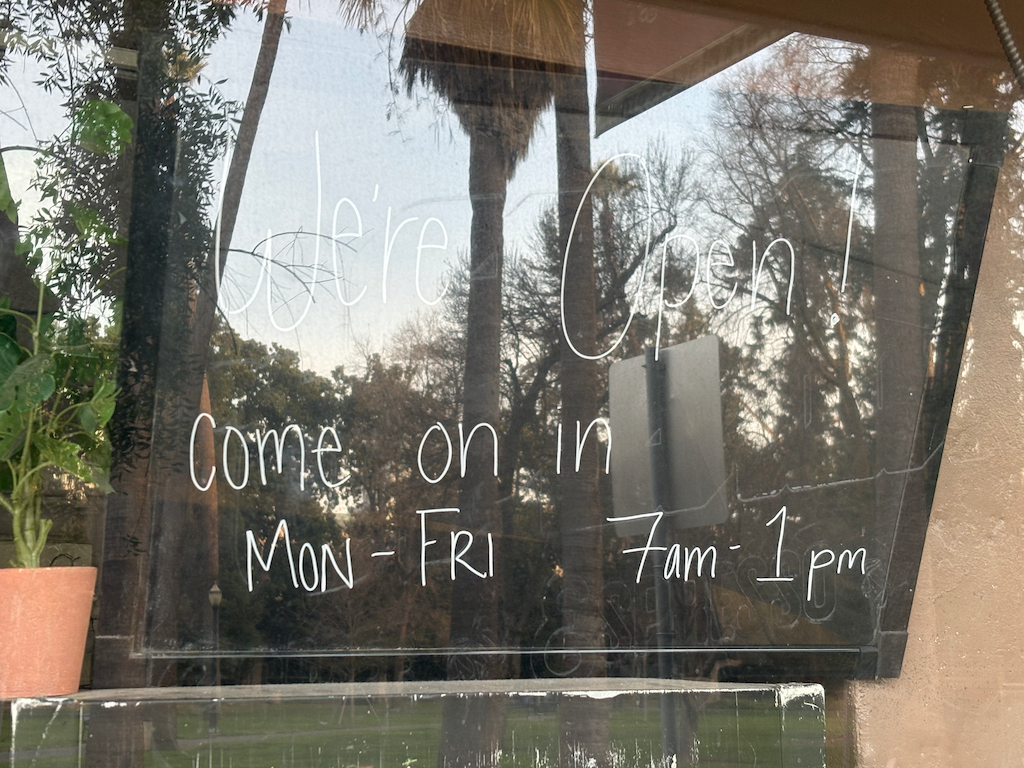
Though the links in the png above look clickable, they are not. You must use the xlsx or pdf versions for links. The columns are what interested me. Reuse means they offer reusable cups for tea and coffee service, outdoor means they offer outdoor seating, and tea indicates my take on the number and variety of teas offered. Hours are to the best of my knowledge, but will vary and change.

Disclaimer up front: I don’t drink and don’t even like coffee, but I do drink and love tea, and the majority of coffee shops offer tea as well, but most other businesses do not. So I can tell you absolutely nothing about the variety or quality of coffee at any of these shops.

I have long believed that the frequency of locally-owned coffee shops is a key indicator of livability and walkability. Though I’ve not done the calculations, I think this measure would be just as effective a ‘walk score’ as the WalkScore offered by Redfin, which uses a complicated and proprietary algorithm to determine walkability, measured as distance to amenities. Note that WalkScore does not assess the walking environment such as presence or condition of sidewalks, and safety of crossing streets.

I live in the Sacramento central city, the area bounded by the Sacramento River to the west, Broadway to the south, Alhambra Avenue to the east, and the railroad tracks to the north. I have focused my coffee shop visits on this area. Though there are certainly coffee shops throughout the urbanized county, the number of locally-owned coffee shops drops off rapidly outside the central city. In much of the suburbs, there are only chain coffee shops such as Starbucks and Peets.

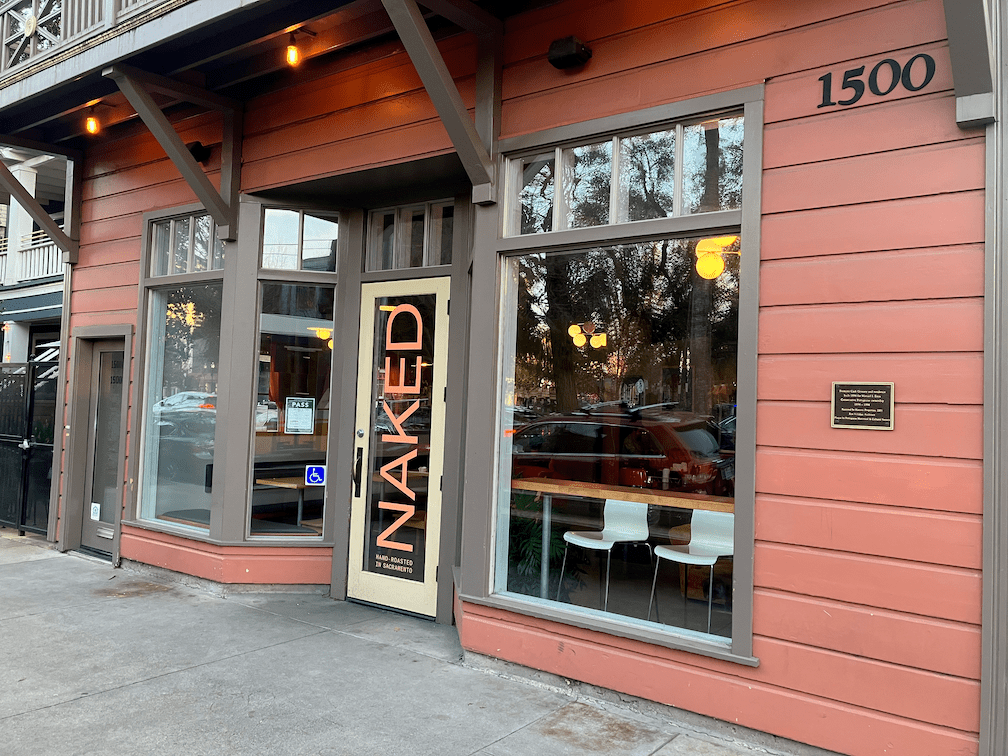
My preferred locally-owned coffee shop is Naked Lounge, on the southeast corner of Q Street and 15th Street, across from Fremont Park. I go there for tea, and for socialization. For those who remember ‘the old days’ when people socialized more and spent less time on their computers, yes, I miss those days. Some days I write in my journal, some days I read, some days I talk to people. I decided to no longer take my laptop to coffee shops, so that I could focus on the above.

If you also like to drink tea at home, as I do, I recommend Tea Cozy, 1021 R Street, next to Fox and Goose, with a very large and diverse offering of bulk and packaged teas. And in Davis, Mishka’s Cafe, 610 2nd Street, offers a selection of brewed tea unparalleled in the region, so far as I know.

I changed from a slide show to a gallery for coffee shop photos, so that they could be captioned, though that work is only partially done.

what now?

It is Winter Solstice today, December 21. It seems like a good day to write the ‘what now’ post that I’ve been thinking about since the election. I’m not religious, so the four ‘sun-days’ of the year, two solstices and two equinoxes, are my main celebrations. And sometimes, but not as often, the cross-quarter days of Imbolc, Beltane, Lughnasadh, and Samhain (Halloween). I’m in Santa Cruz today to celebrate the solstice with good friends, fortunately this year on a weekend. I used to work and live in Santa Cruz, years ago now, but many of my best friends are here. Of course I got here on train and bus and bike. Santa Cruz has about the same number of coffee shops per capita as central city Sacramento, but they are busier here. I’m sitting in a coffee shop, drinking tea. I’ll do a update post on grid coffee soon.

I was very depressed by the 2016 election, but less so this time. Why? Because in 2016 I was uncertain. This time I’m not, I know we are in for a very dark four years. At the national level, things will suck for everything I care about, in transportation and equity. Many of my friends, both in transportation advocacy and otherwise, were far more depressed than I. I was in a personal growth seminar the day after the election, and some people were immobilized with depression. I understand.

But at the local level, I feel more hopeful. I don’t feel as though I do or can have much of an influence for better at the national level, but I do see positive influence and action at the local level. The parting of ways with Howard Chan was definitely a bright spot for me. And the organizations which support the same things I do and working hard on making Sacramento, both city and region, a better place.

I can’t do better at explaining than the Strong Town process, below. Of course this process is about way more than just transportation, it is about everything that makes a place, our place, a livable, vibrant place.

The other major thought I have is that most people will be harmed by Trump, both those who voted for him and those who did not. He is a vindictive, authoritarian person, who cares primarily for himself, and to some slight degree, for his rich powerful friends. No matter what he says, his actions indicate that he does not care for other people. So this will be a bad time for everyone, as he and his sycophants work to undermine everything that is good about our country. He intend to break everything, without having a better idea to put in place.

It would be tempting to blame what goes wrong on the people who voted for him, but I will not. They will be hurting, just like the rest of us. They deserve our empathy and forgiveness. Not that we need to give in to what they voted for, but to recognize that all humans, all life, are the victims here.

Our lives are affected by what happens at the national and international level. There is clearly a trend in many parts of the world towards fascism. But at the local level, there is work to do, past harms to heal, people to celebrate, people to listen to, people to see as neighbors no matter who they voted for. Obviously I do work in this blog, but coming to coffee shops to talk with people is also part of the work.

there are worse places!

Added note below on LA sidewalks.

I’m traveling, first in Las Vegas area, and now in Los Angeles area. Traveling to other places is a good reminder that Sacramento is not all that bad. There are worse places!

In Las Vegas, everyone drives everywhere. I observed a person jump in his Jeep, drive a half block to his mailbox, and drive back home. Walking to and from his front door, and to and from his mailbox (clustered mailbox), I saw no sign of disability. In fact, the prevalence of Jeeps is amazing. Every third suburban house has one. Cause you know, its wild out there. The number of them with dirt on the undercarriage, however, is infinitesimal. I see people leaving their house to drive and get coffee, and drive back home. Not as part of a chain of errands, but a drive just to get coffee, for no other purpose. Of course much of Las Vegas is so spread out, that it may to a long ways to a coffee shop (see coffee shops (tea) on the grid for a contrast). Every new development I saw is a gated community. I’m not aware of any being built or recently built that are anything but gated. Even the apartments are gated. People live in, and want to live in, a world where they don’t have to interact with other people, any more than absolutely necessary. They drive large vehicles with darkly tinted windows. They don’t know their neighbors, nor do they want to. The ‘living in a quiet neighborhood where you know your neighbors’ is a mythology perpetrated by people who want to defend their lifestyle, while preserving their isolation.

The worse thing about the neighborhood where my sister lives is the lack of any real shade. Though I celebrate the end of front yard lawns, trees seem to have been thrown out with the bathwater (‘throw the baby out with the bathwater’). Most front yards do not have trees at all, and the ones that do, they are mesquites and related trees, which are beautiful but provide almost no real shade. Except in the very oldest parts of the Las Vegas area, all sidewalks are attached, meaning no space for street trees. If they aren’t on private property, they pretty much don’t exist. Of course that doesn’t matter, because no one walks, so there is no need for shade. Not quite true. Everyone has a dog, or multiple dogs, and takes their dog for a 10-minute walk every day so they can leave their dog waste in someone else’s front yard. If you haven’t spent time in the Las Vegas area, it is always at least 5 degrees hotter than Sacramento, and up to 20 degrees hotter. It is a place that could really benefit from sidewalk shade, but doesn’t have it. Wait, I haven’t been fair. There are palm trees, everywhere. Shade? Nope. Wildlife value? Nope. Aesthetics? Nope.

There are a lot of bicycle riders in southern Nevada. They drive to the paved trails and to unpaved trails at the edge of the city. They don’t ride in the city.

Now I’m in Los Angeles. I have to say that people are much more friendly here. Complete strangers will start up conversations. And you do see a lot more people walking. There are sidewalks on every street. However, except along the main arterial roads, every block has a major issue the sidewalk, often root heaves that make the sidewalk impassible to people with mobility devices, and sometime even to abled walkers. If not root heaves, then there is just deterioration, big cracks and gaps. Bike lanes are scarce in the City of Los Angeles and unincorporated areas of the county. A few of the cities have really put in bike facilities, but in general, they just don’t exist. Because most of Los Angeles is on a grid, there are often lower speed, lower volume parallel streets to ride, but don’t bother with the major streets, or trying to get somewhere quickly.

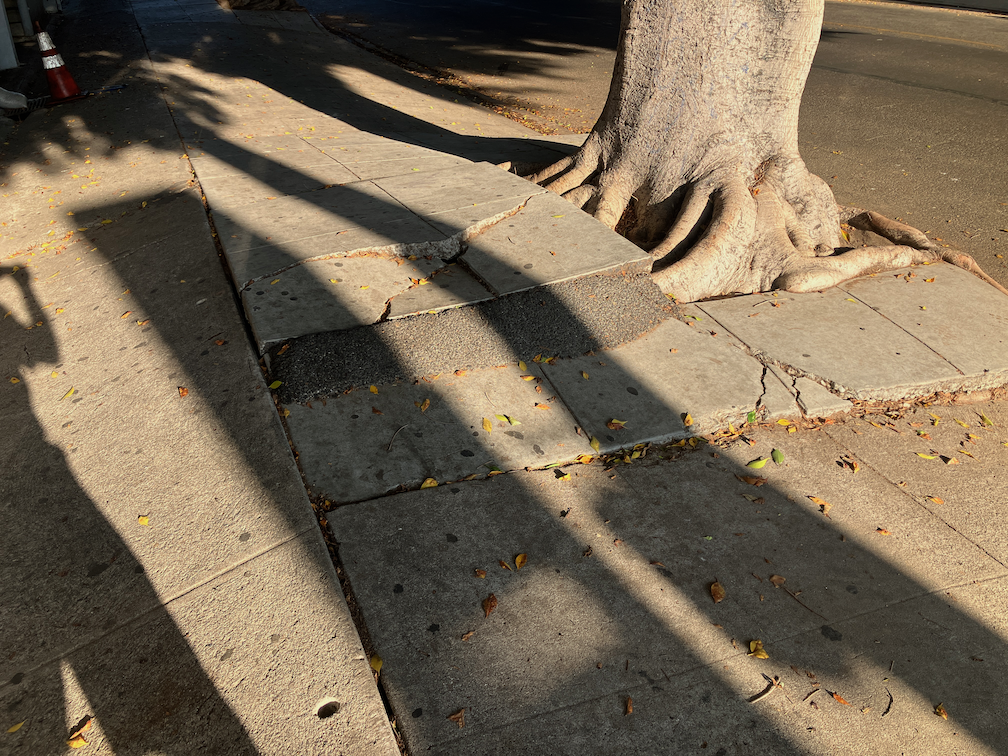
I have been walking around Koreatown this afternoon, refreshing my memory and experience of the sidewalks. It is nearly impossible to walk a block, on any street except the arterial roadways, without running into a sidewalk issue that would make it difficult or impossible for someone in a wheelchair to navigate. The reason root heaves are so prevalent here is that the sidewalk buffers are only three feet, except in richer neighborhoods. Even Sacramento has six feet or more for sidewalk buffers (where they exist). So every tree that is older has root heaved the sidewalk (photo below). If it isn’t a root heave or deterioration, then a motor vehicle is parked across the sidewalk, blocking it. In several miles of walking, I have yet to see anyone using a mobility device, except in the grocery store. Are they staying home? Are they driving? Are they using transit? They aren’t rolling on the sidewalks!

photo of impassible root heave, 9th St in Koreatown, Los Angeles
impassible root heave, 9th St in Koreatown, Los Angeles

I know I complain often about the built environment in Sacramento, and the very slow progress in correcting the mistakes and disinvestment of the past. All of that is true. But…

Sacramento has a great tree canopy in much of the city, and where it does not, everyone recognizes that there is a problem and I believe the city is making an honest effort to correct that (though handicapped by the same issue that lower income neighborhoods were built with attached sidewalks (no sidewalk buffer for trees). Though there are some areas of gated communities, they are mostly in the county, not the city. Other than our governor, most people don’t live behind gates. It seems to me that there is nowhere near as much dislike of other people as is present in southern Nevada.

The central city has good bike facilities, and relatively polite drivers, at least for bicyclists (not walkers), and is flat. Flat. And the central city is getting better, and work is or will be done on some of the arterial roads in the suburbs, though it is many years late and many dollars short. But it is happening.

I really like living in Sacramento. Of course I go to the bay area frequently, and it in most ways does not compare well with that. But it certainly compares well with Los Angeles, and Las Vegas area. Las Vegas is really just a suburb of LA anyway. 75% of the people came from LA, and the rest from Utah. But every place has its challenges, and I know my perception is just one of many.

How about you?

coffee shops (tea) on the grid

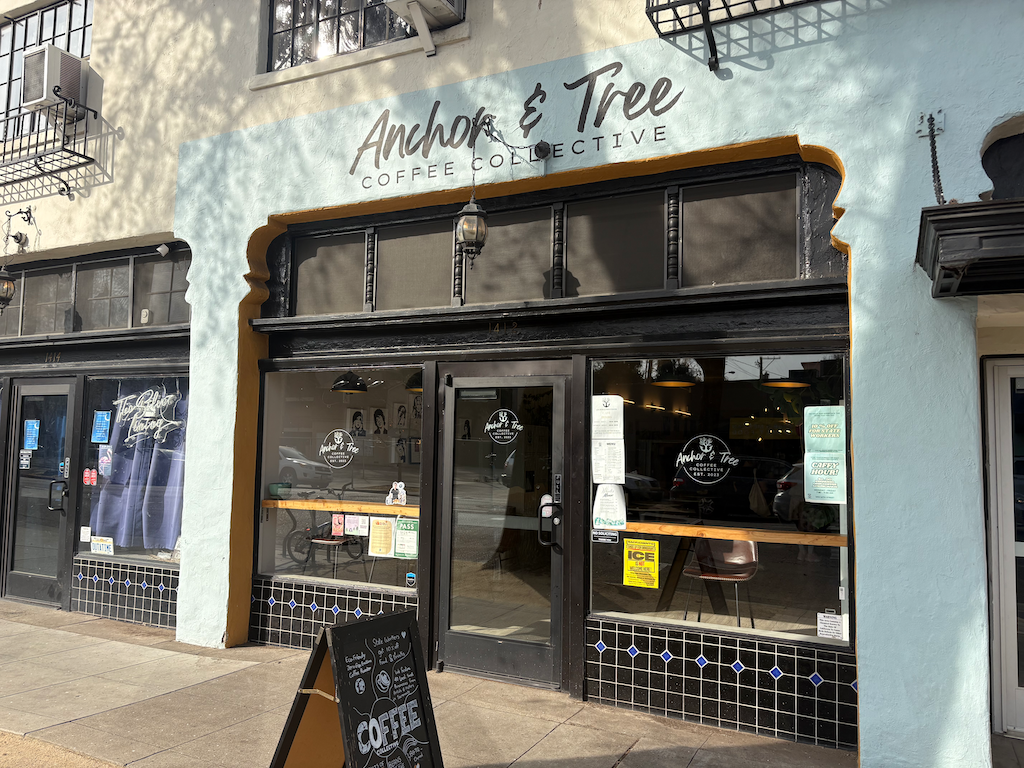
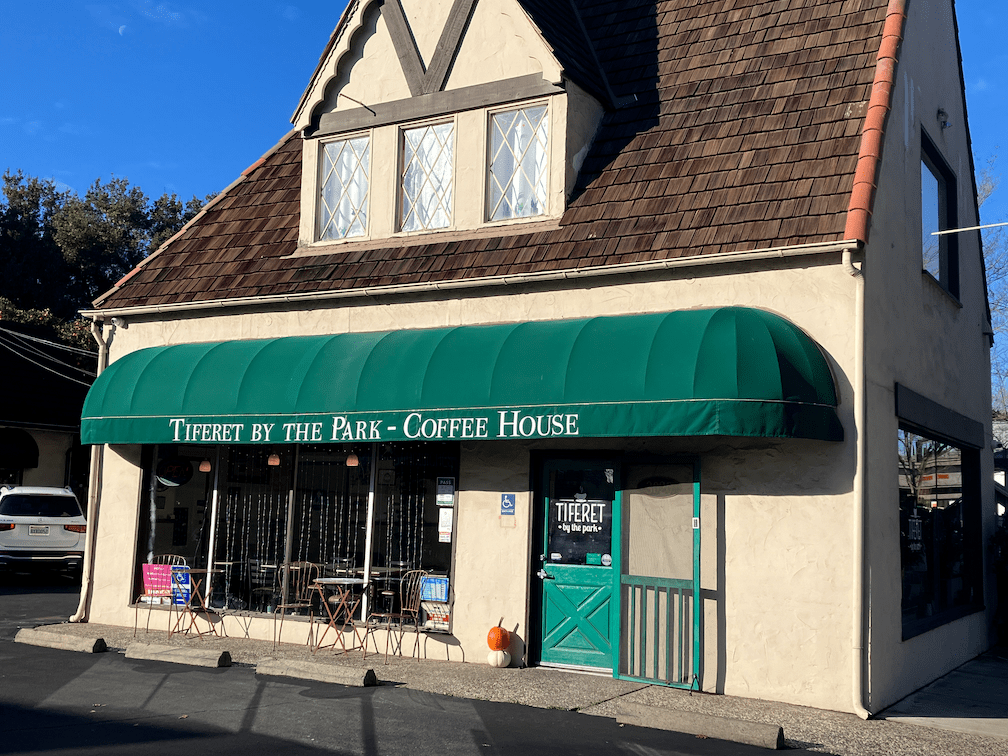
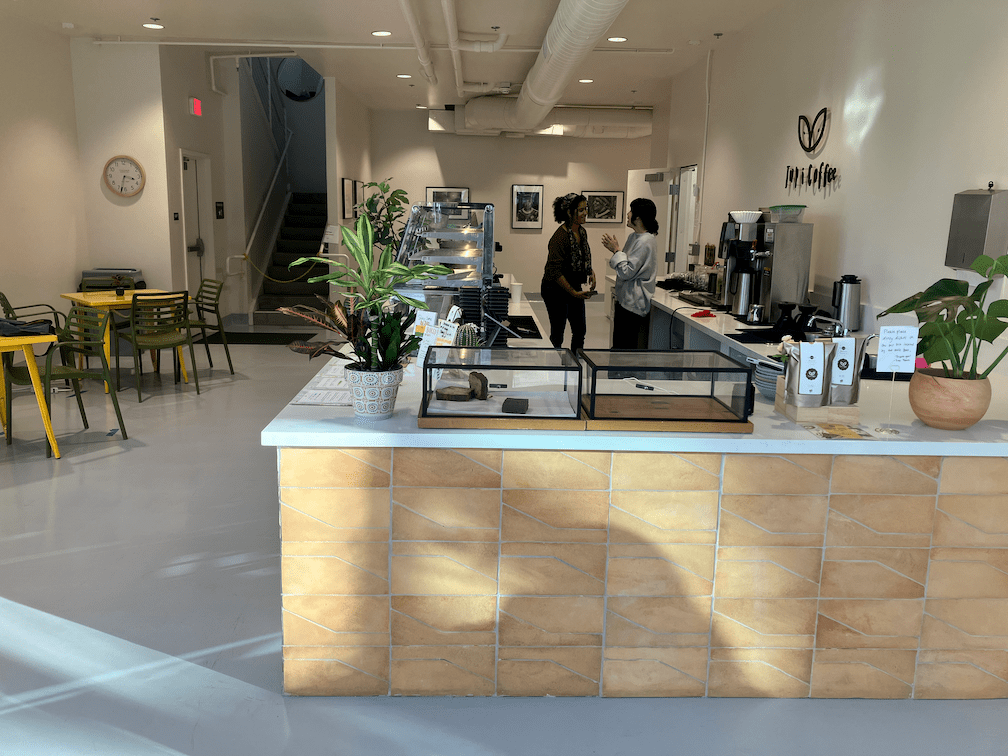
2024-01-07 update since the original post: Anchor and Tree Coffee (16th St) has soft opened, Flow State Coffee has closed, Milka Coffee has a second location on R St, Pressed is probably closing and has shorter hours, Tupi Coffee has moved to 8th St, and I missed Tiferet on the Park Coffee on H St in my original post. The spreadsheet and slide show have been updated and will be further. Note that the spreadsheet image seems to offer clickable links, but does not; you must use one of the other formats.

Disclaimer up front: I don’t drink and don’t even like coffee, but I do drink and love tea, and the majority of coffee shops offer tea as well, but most other businesses do not. So I can tell you absolutely nothing about the variety or quality of coffee at any of these shops.

I have long believed that the frequency of locally-owned coffee shops is a key indicator of livability and walkability. Though I’ve not done the calculations, I think this measure would be just as effective a ‘walk score’ as the WalkScore offered by Redfin, which uses a complicated and proprietary algorithm to determine walkability, measured as distance to amenities. Note that WalkScore does not assess the walking environment such as presence or condition of sidewalks, and safety of crossing streets.

I live in the Sacramento central city, the area bounded by the Sacramento River to the west, Broadway to the south, Alhambra Avenue to the east, and the railroad tracks to the north. I have focused my coffee shop visits on this area. Though there are certainly coffee shops throughout the urbanized county, the number of locally-owned coffee shops drops off rapidly outside the central city. In much of the suburbs, there are only chain coffee shops such as Starbucks and Peets.

My preferred locally-owned coffee shop is Naked Lounge, on the southeast corner of Q Street and 15th Street, across from Fremont Park. I go there for tea, and for socialization. For those who remember ‘the old days’ when people socialized more and spent less time on their computers, yes, I miss those days. Some days I write in my journal, some days I read, some days I talk to people, and yes, some days I too work on my computer.

If you also like to drink tea at home, as I do, I recommend Tea Cozy, 1021 R Street, next to Fox and Goose, with a very large and diverse offering of bulk and packaged teas. And in Davis, Mishka’s Cafe, 610 2nd Street, offers a selection of tea unparalleled in the region, so far as I know.

Below is the table I compiled, along with pdf, Numbers, and xlsx versions. The columns are what interested me, and the ratings are entirely my own, not based on any scale. Reuse means they offer reusable cups for tea and coffee service, outdoor means they offer outdoor seating, and tea indicates my take on the number and variety of teas offered.

grid coffee spreadsheet static image

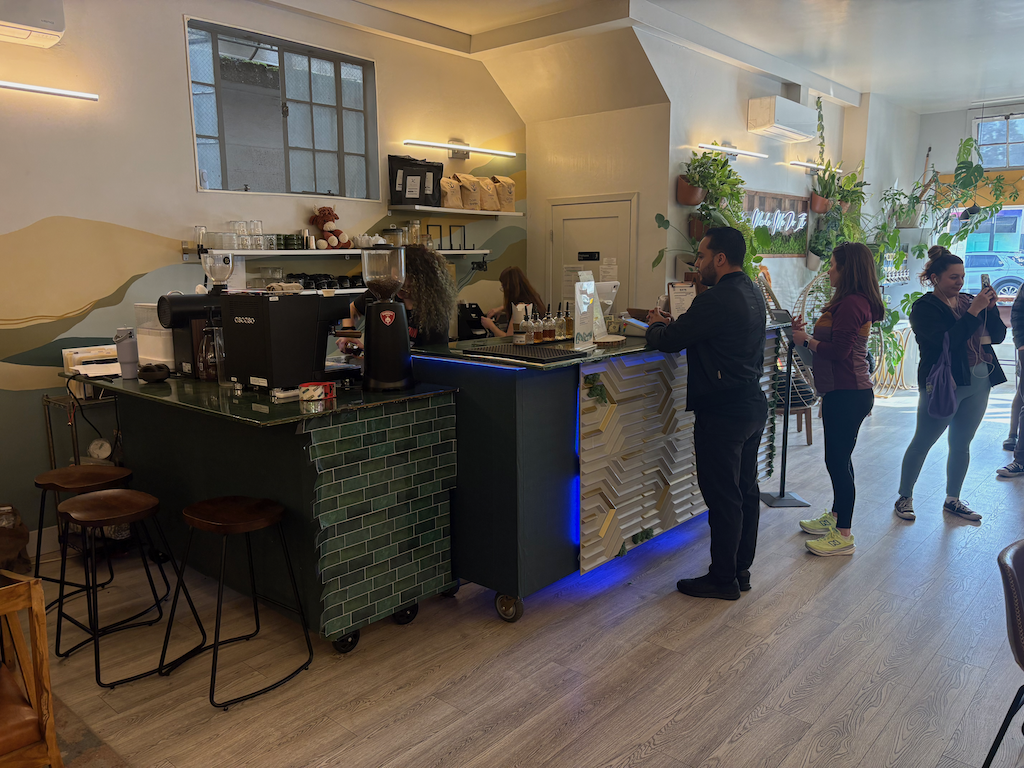
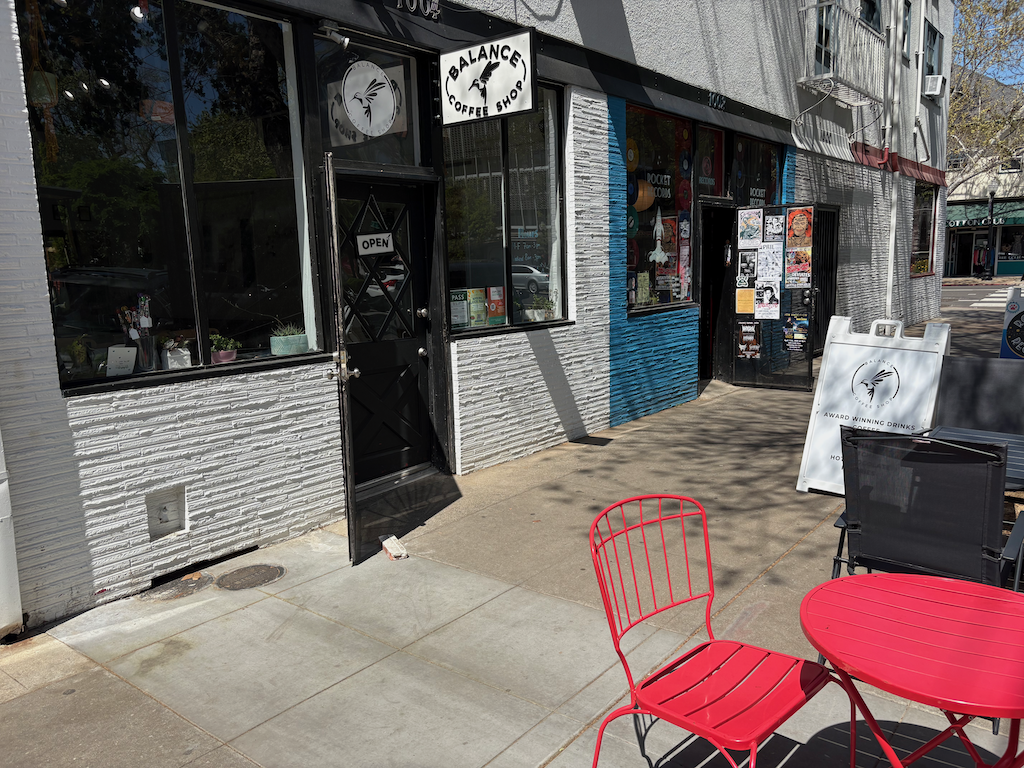
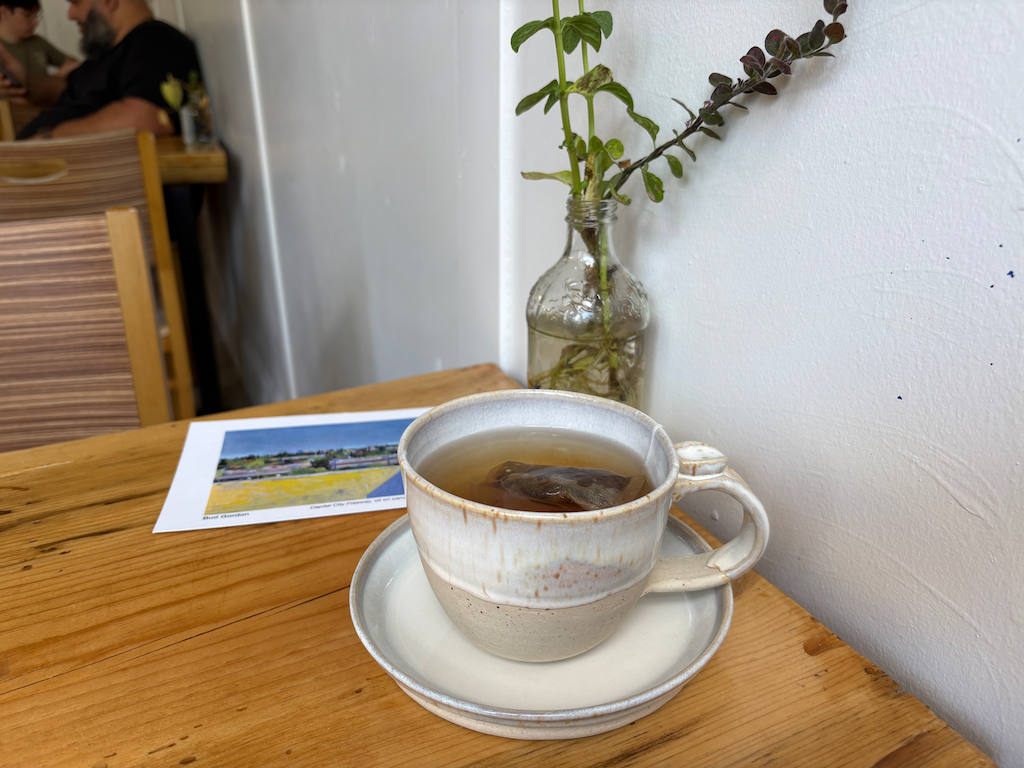
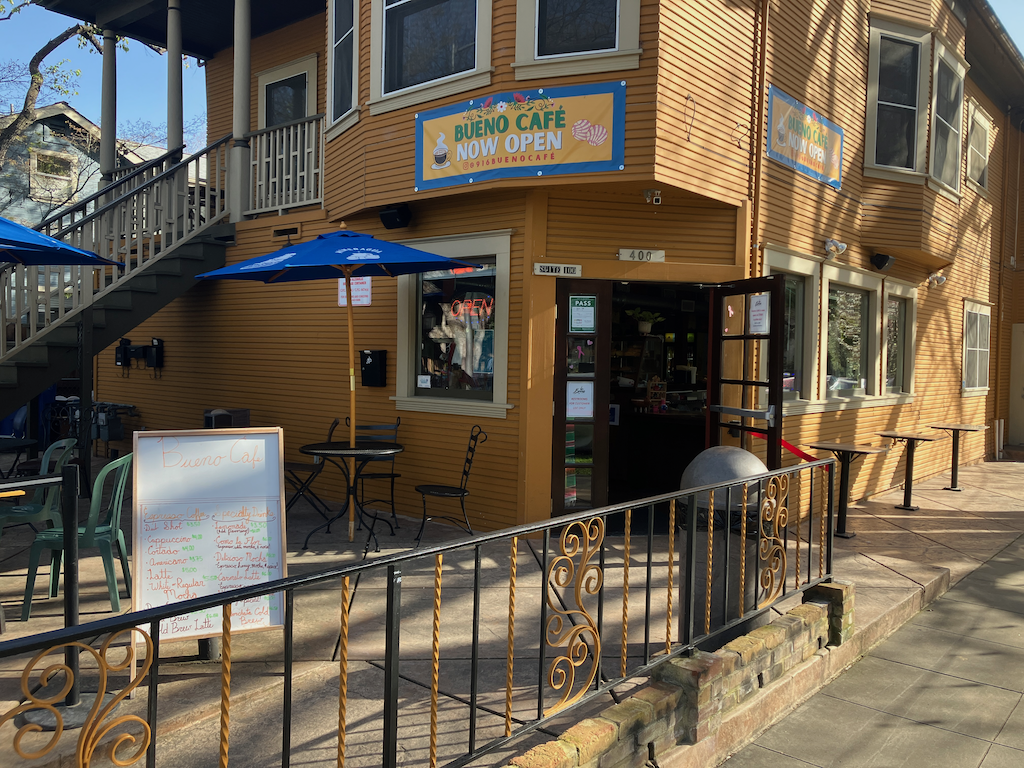
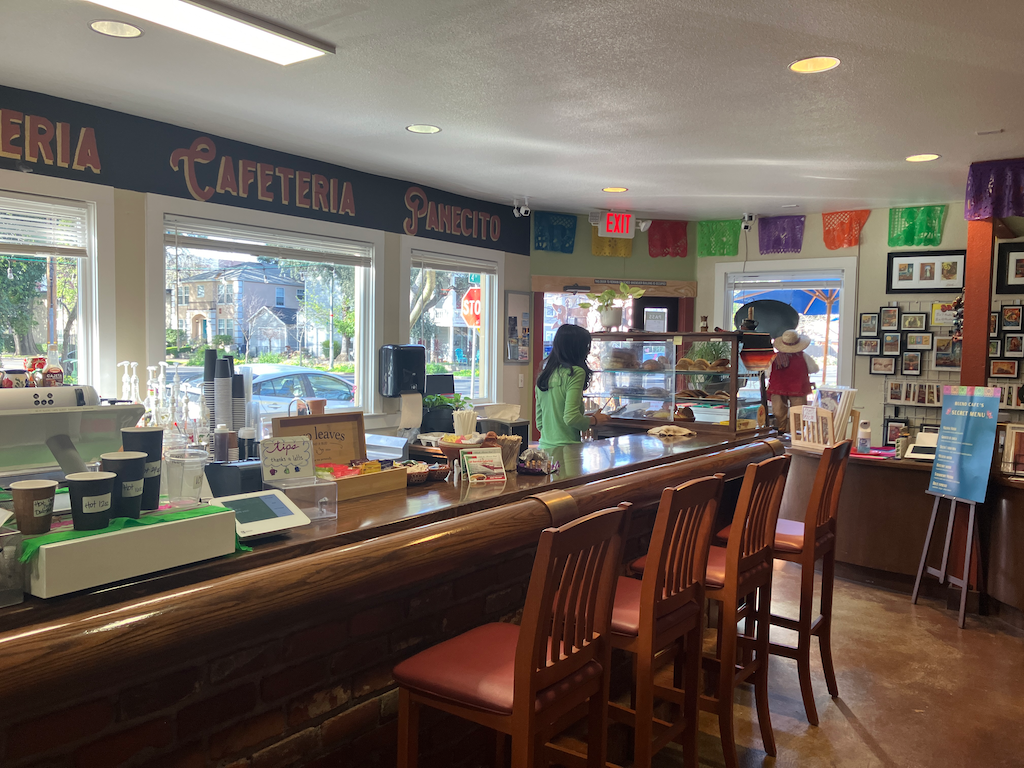
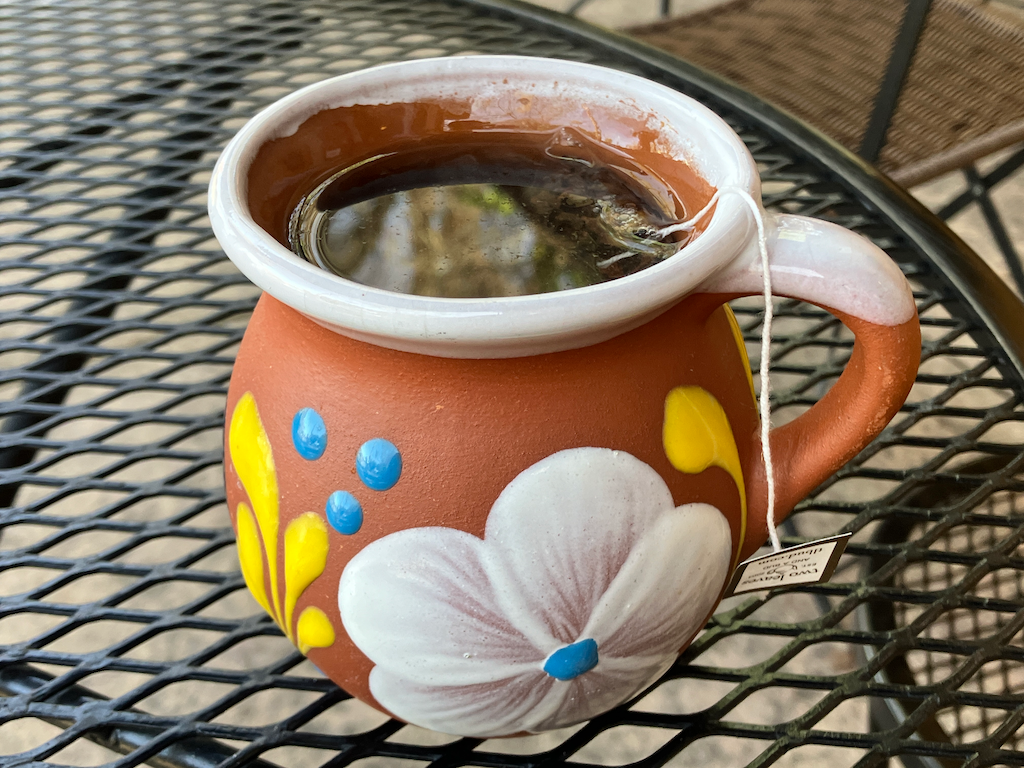
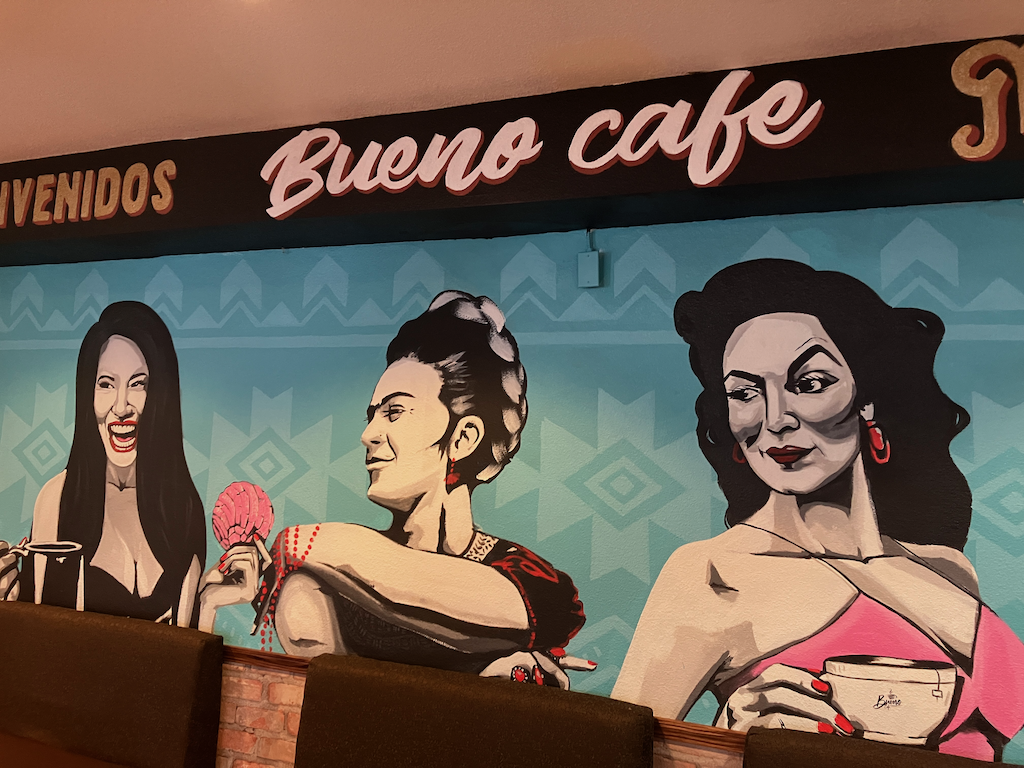
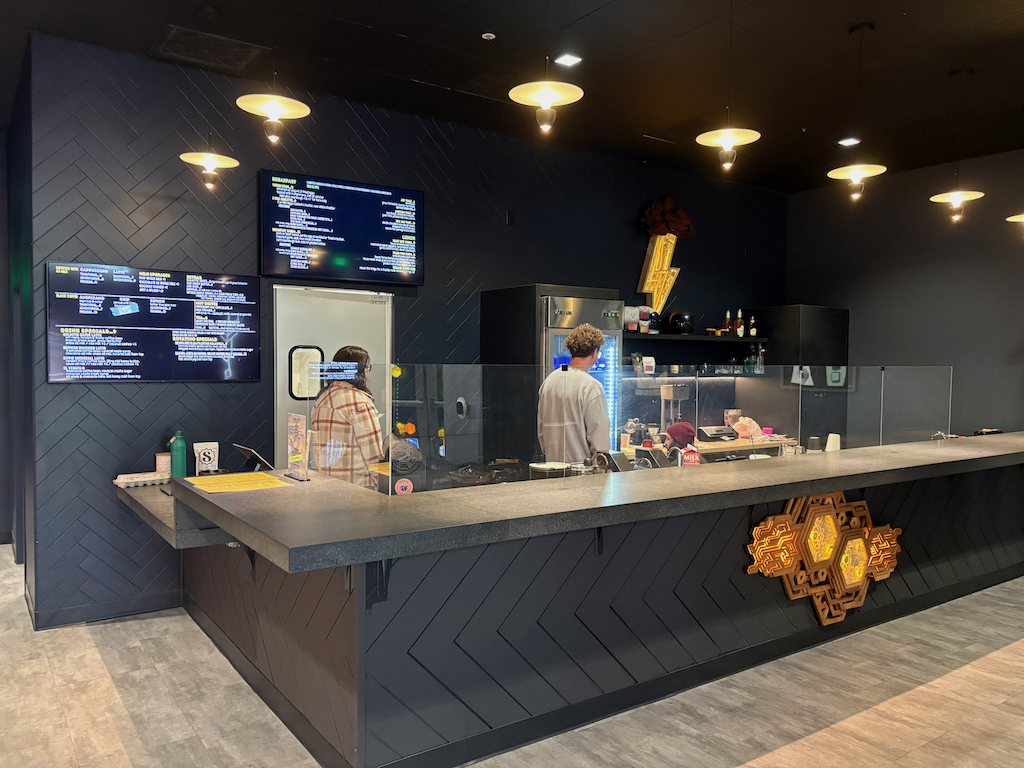
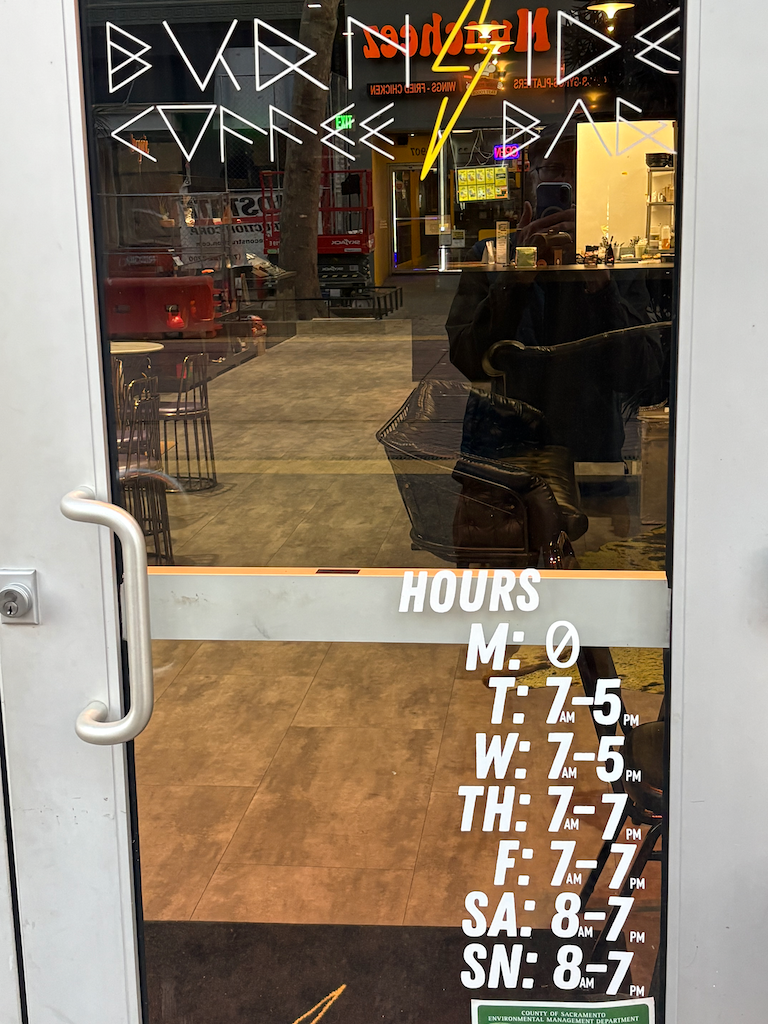
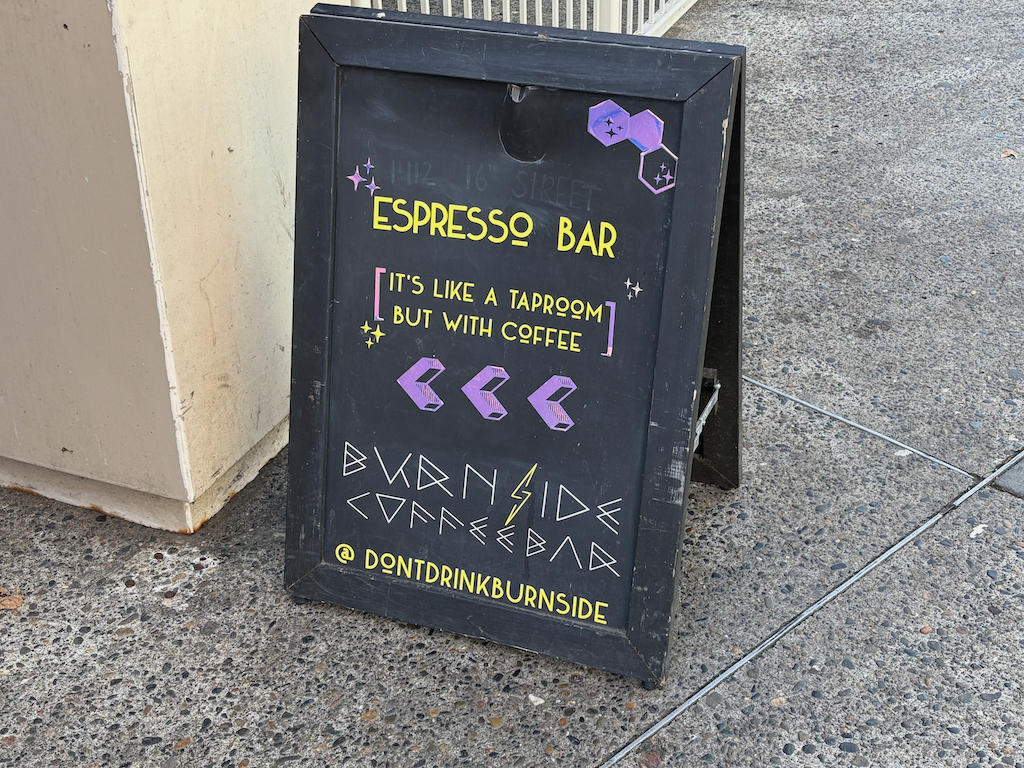
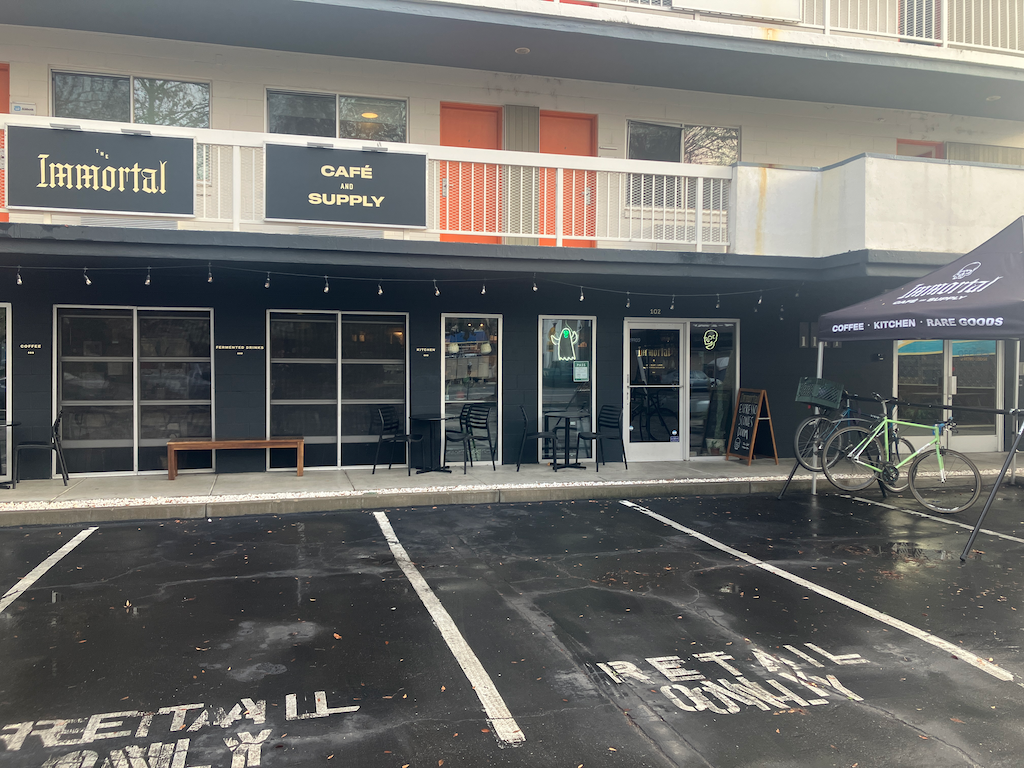
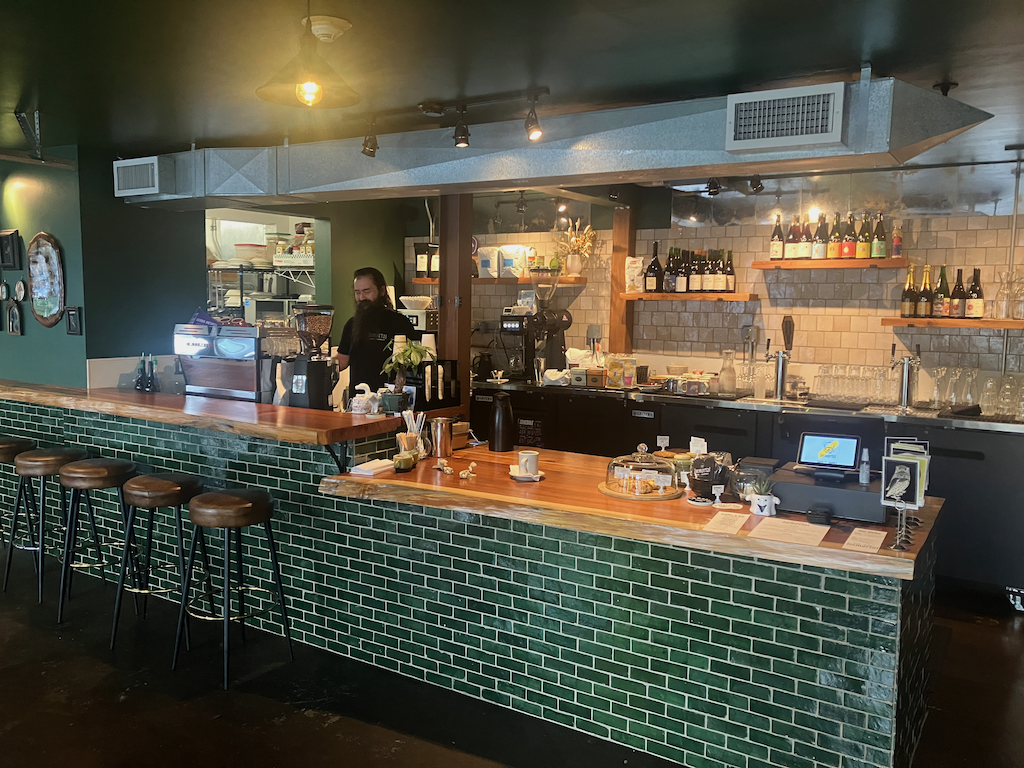
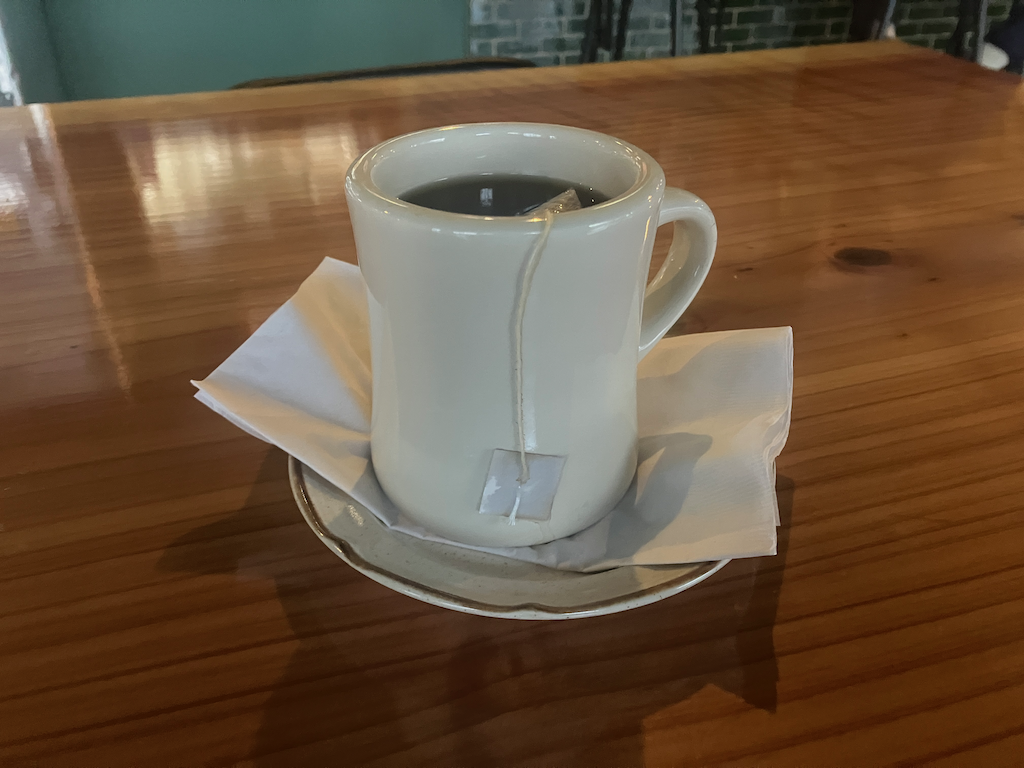
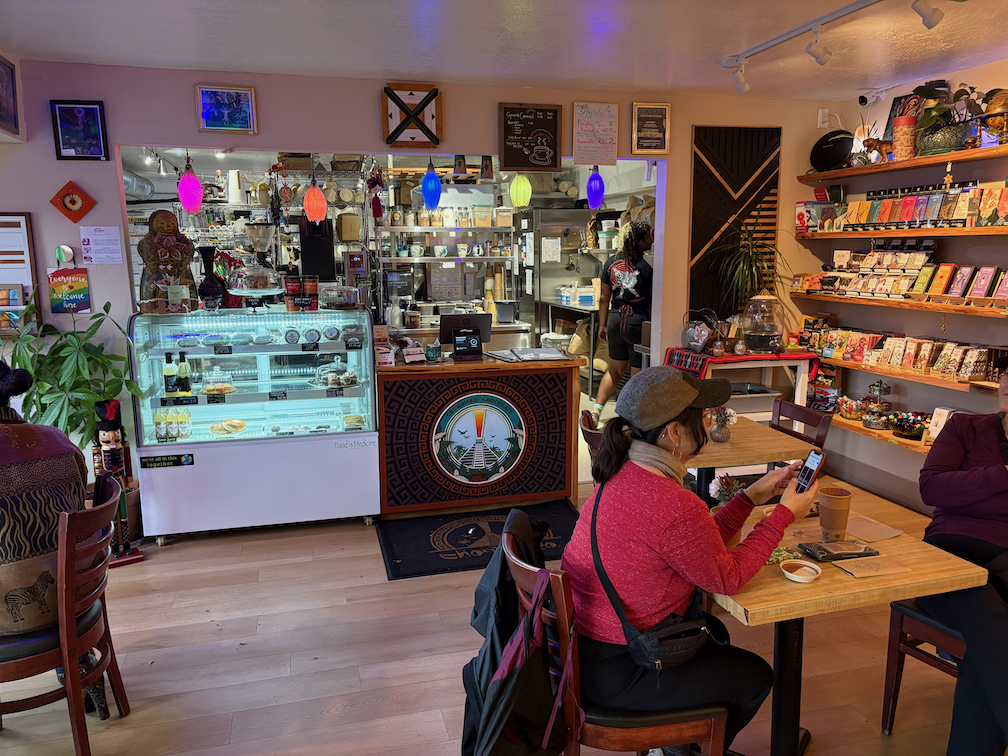
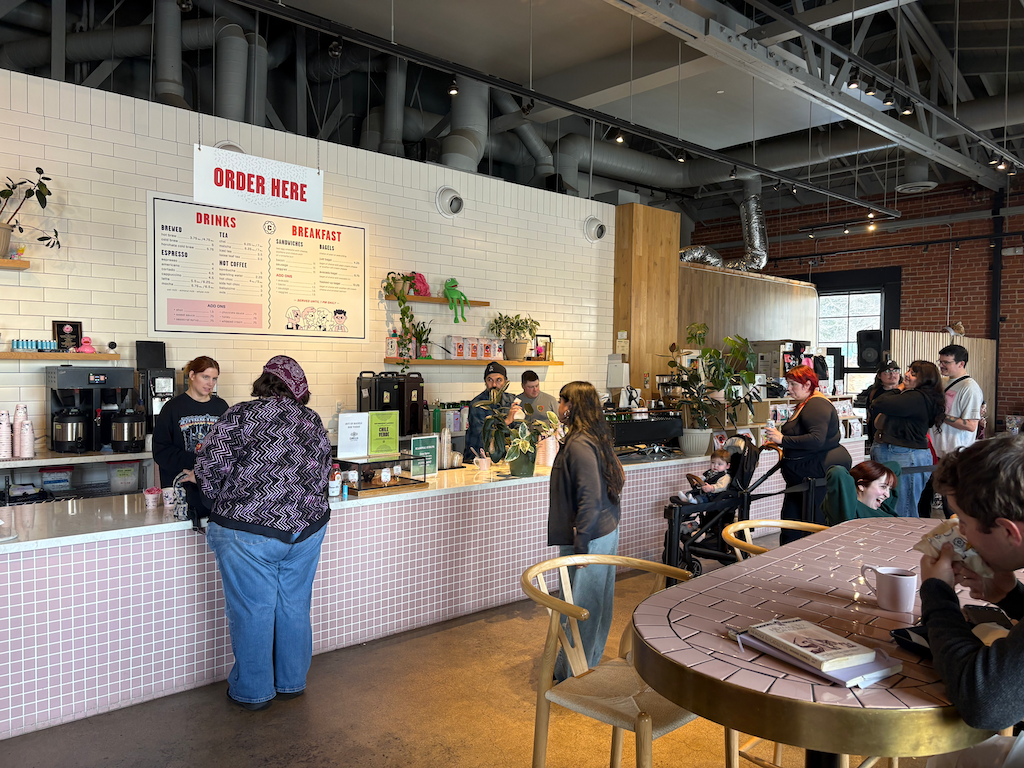
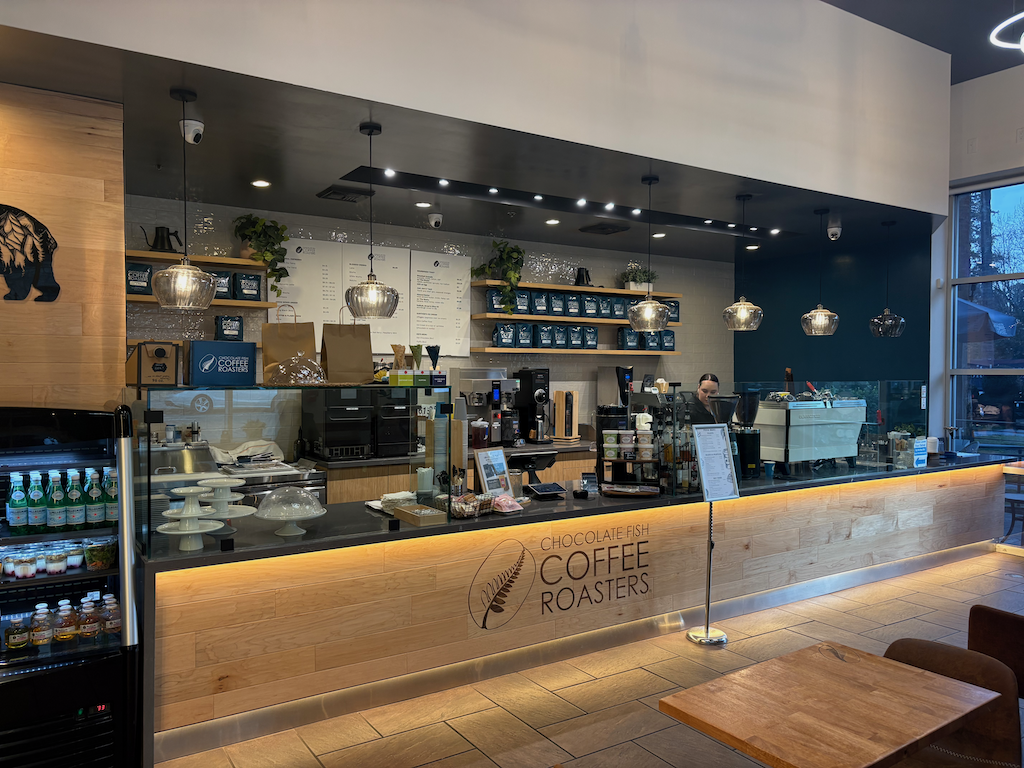
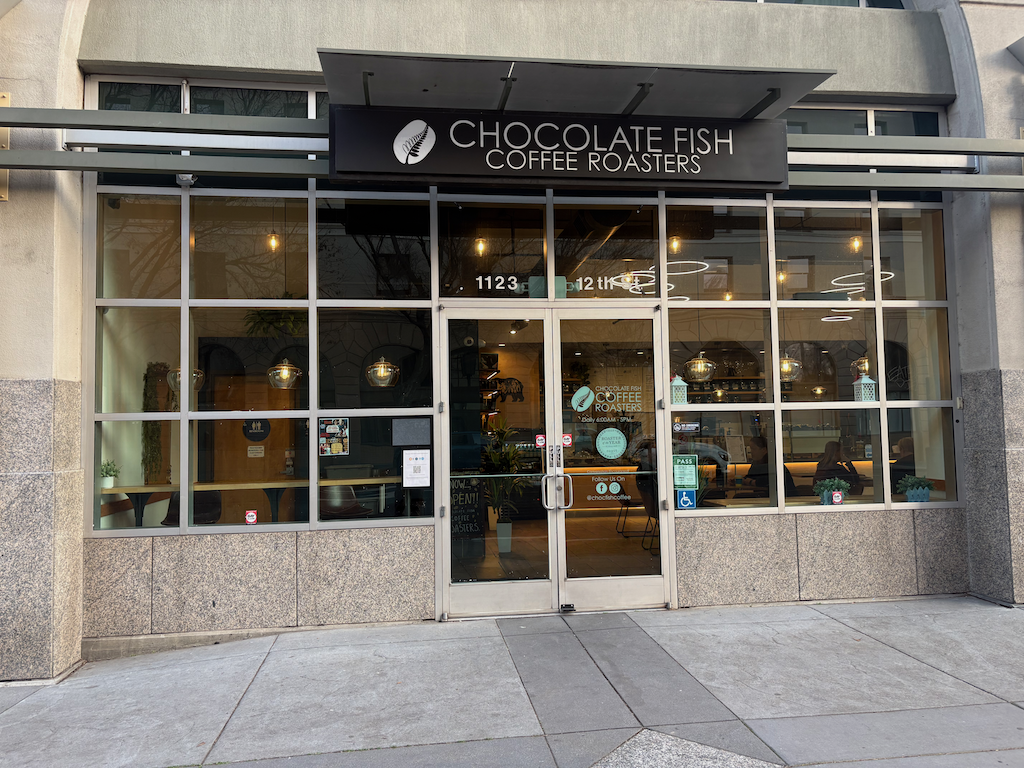
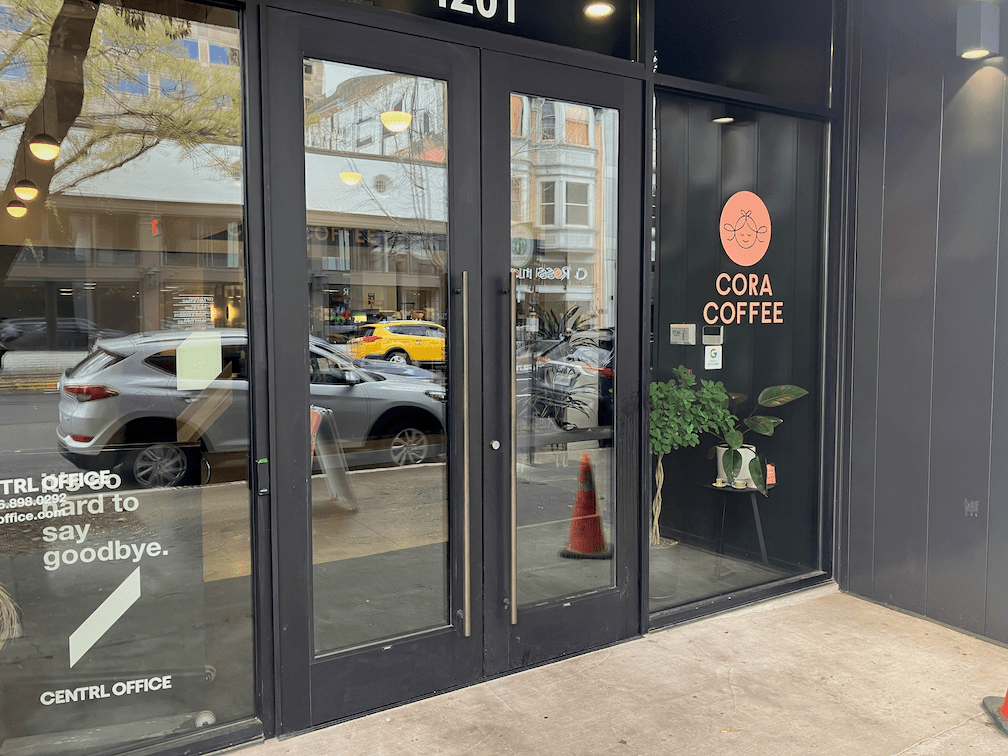
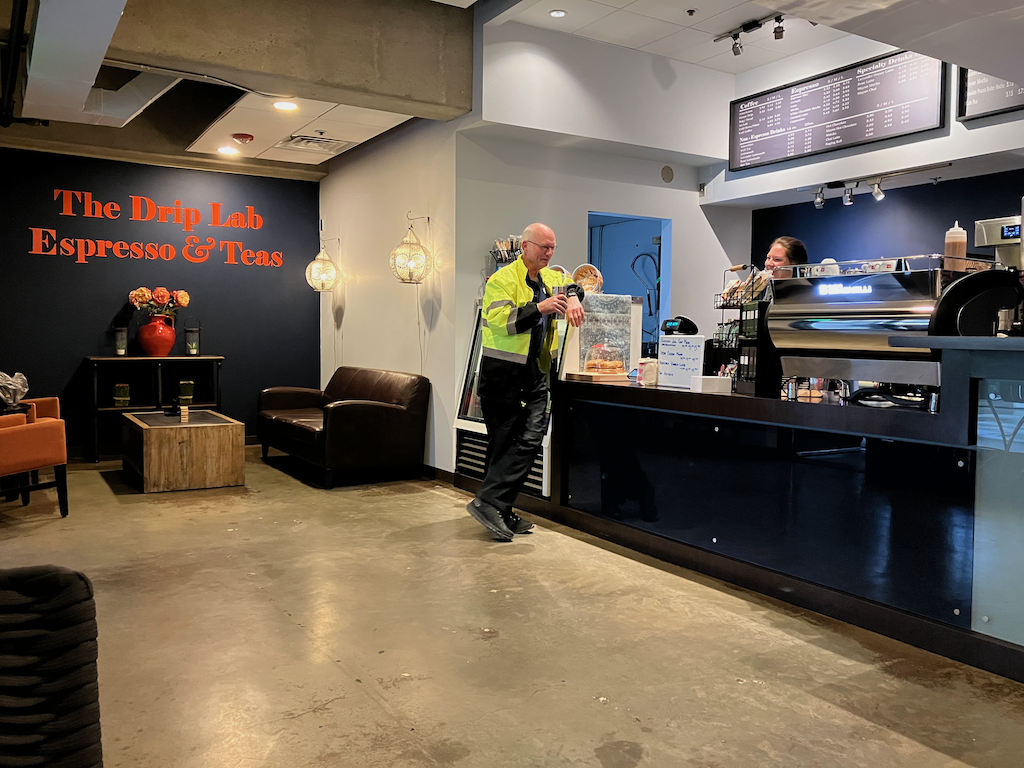
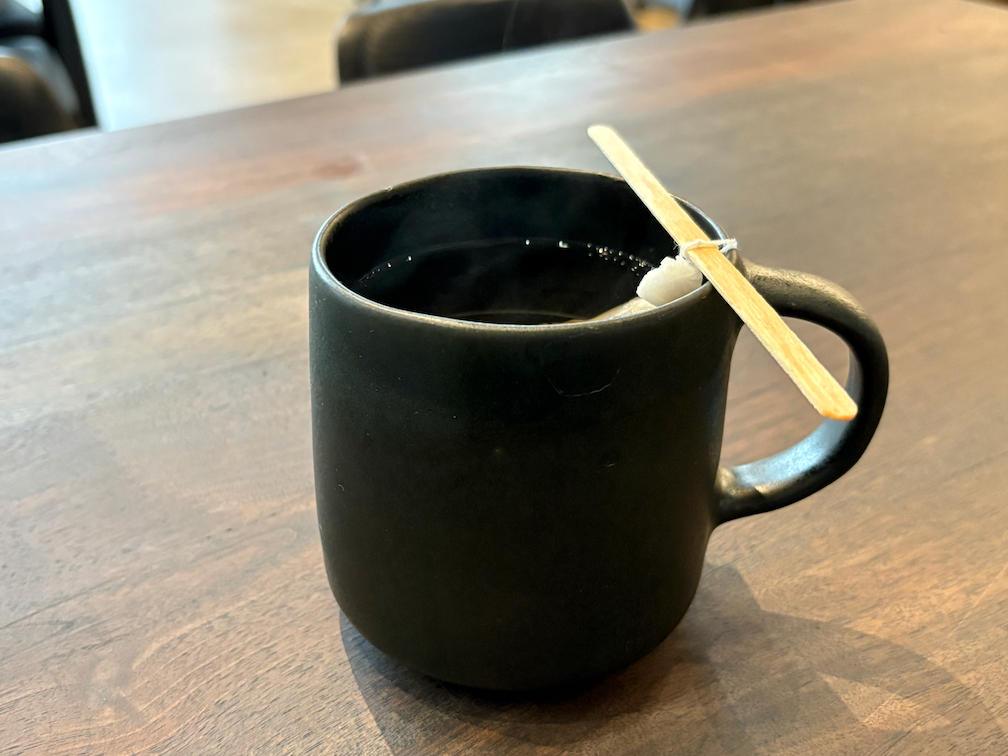
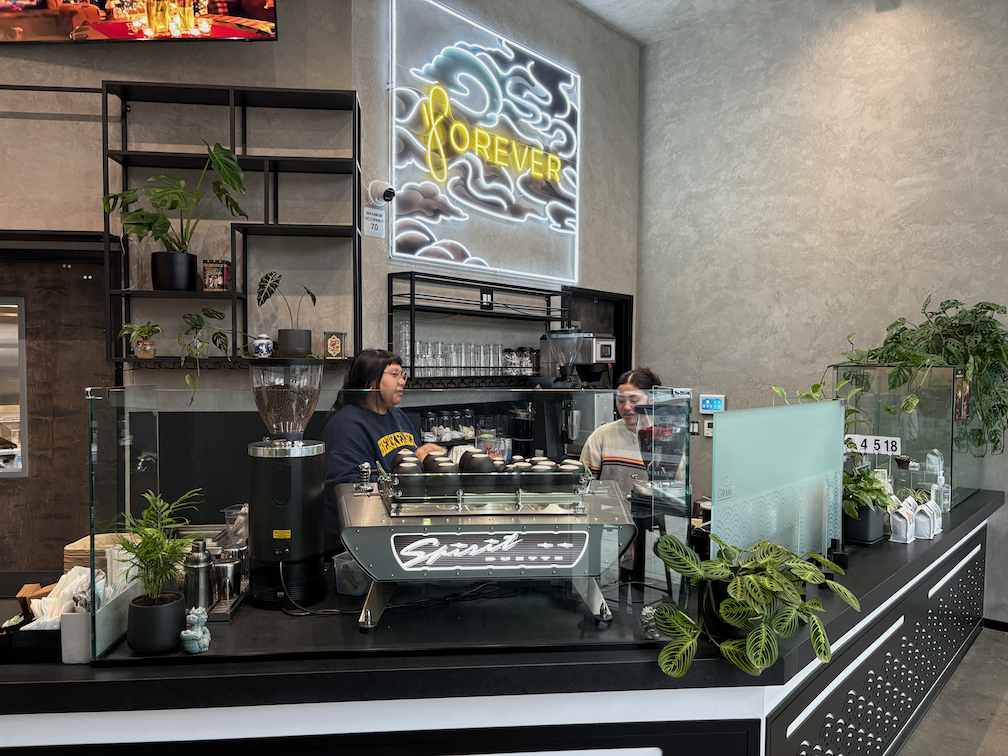
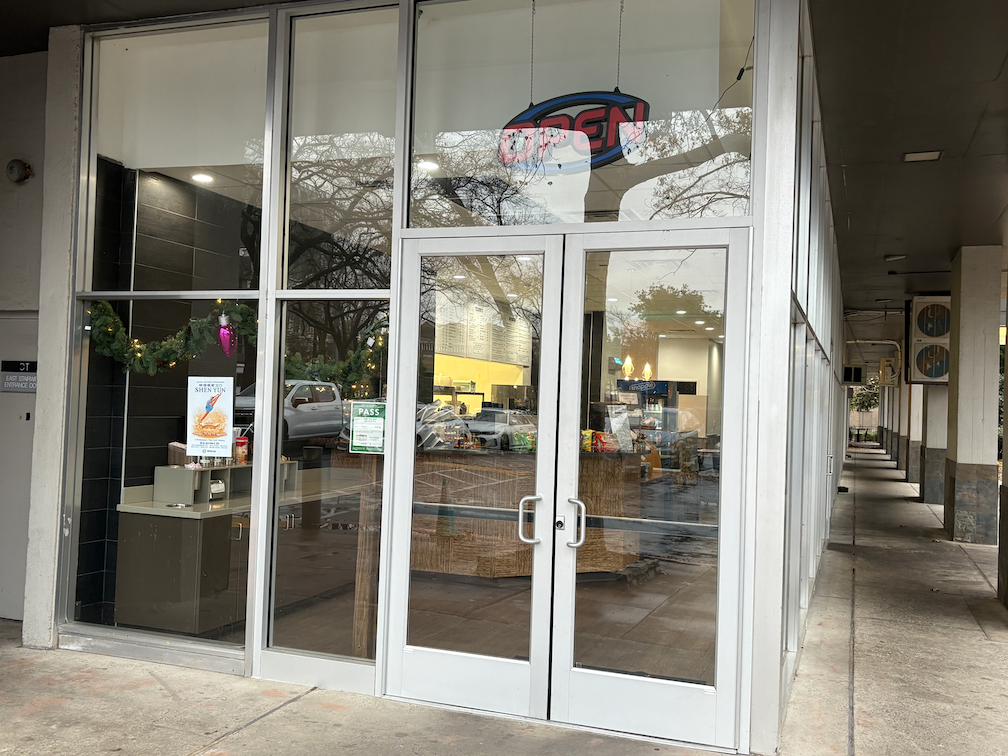
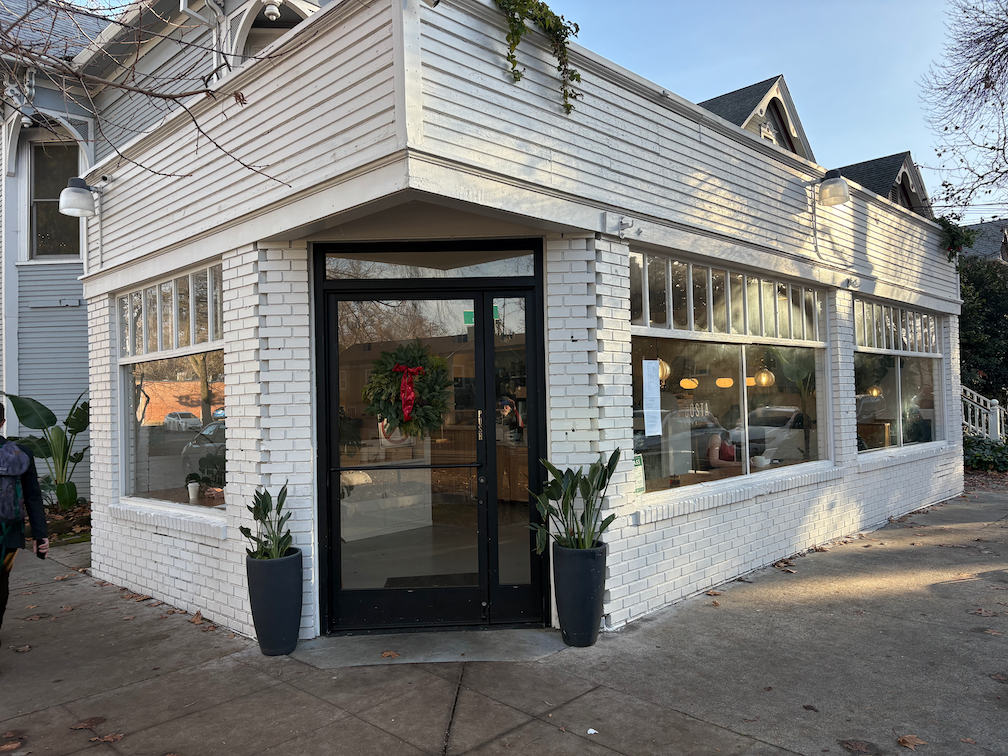
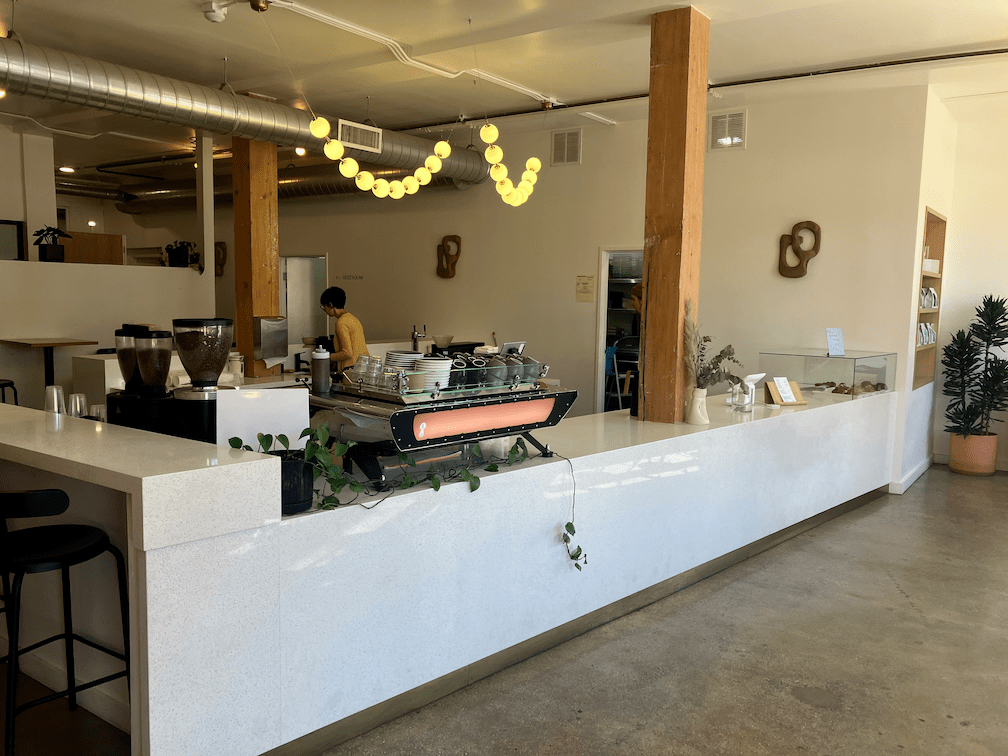
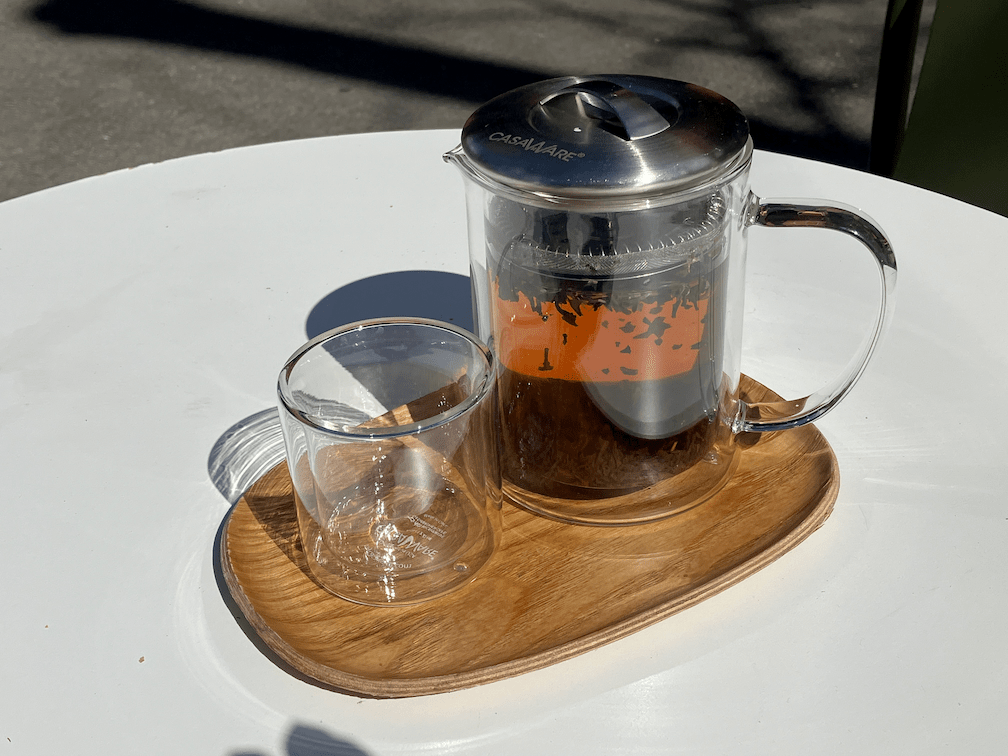
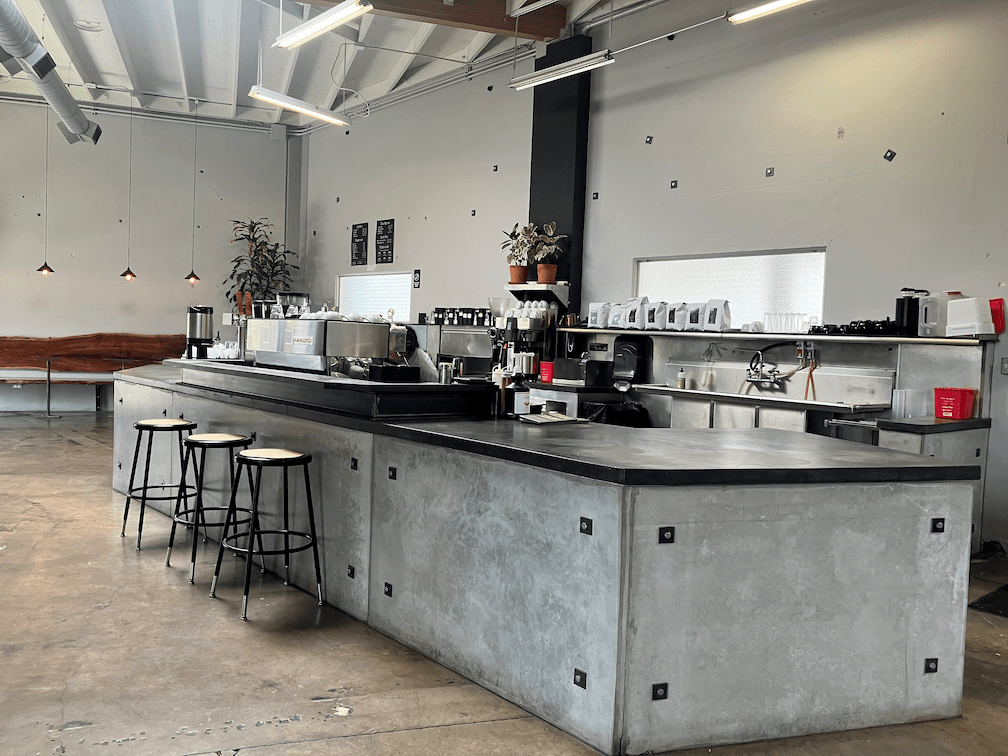
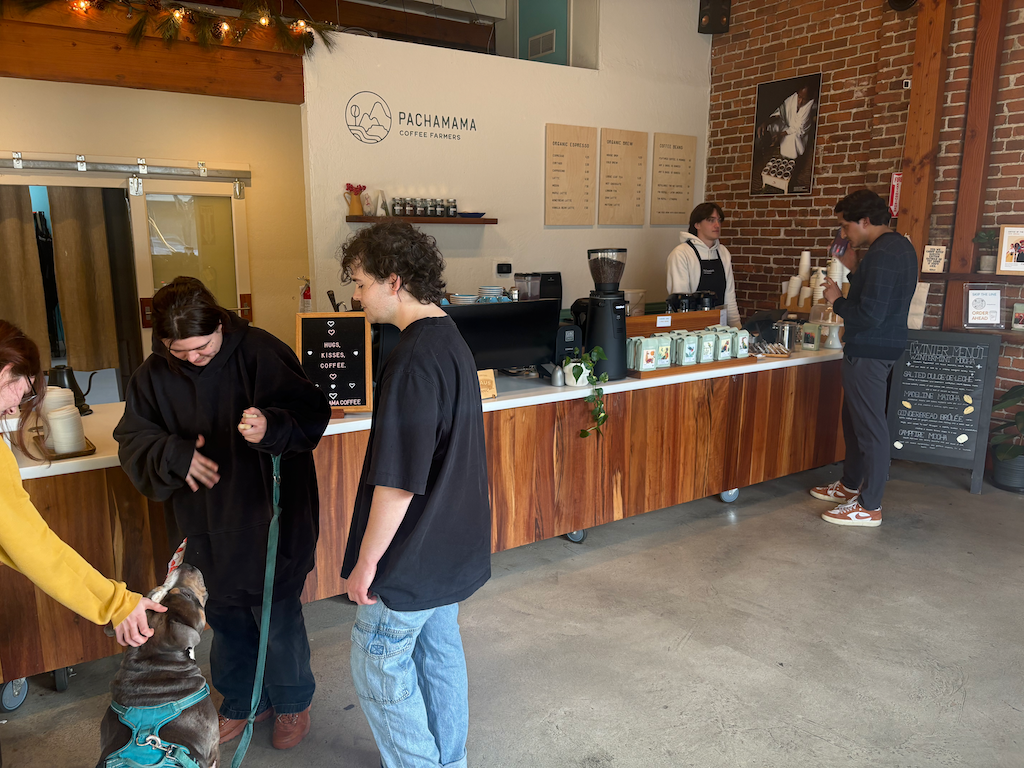
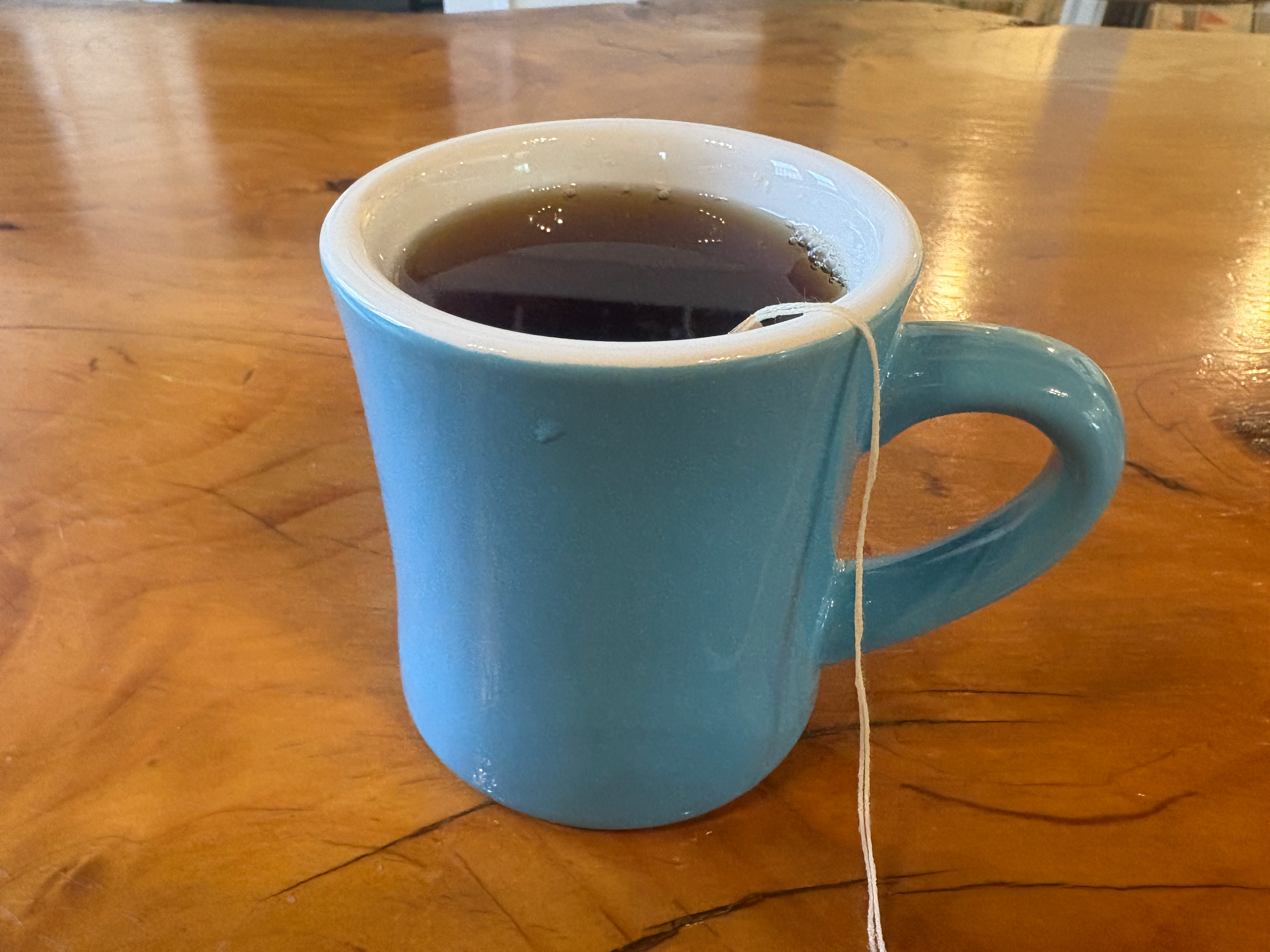
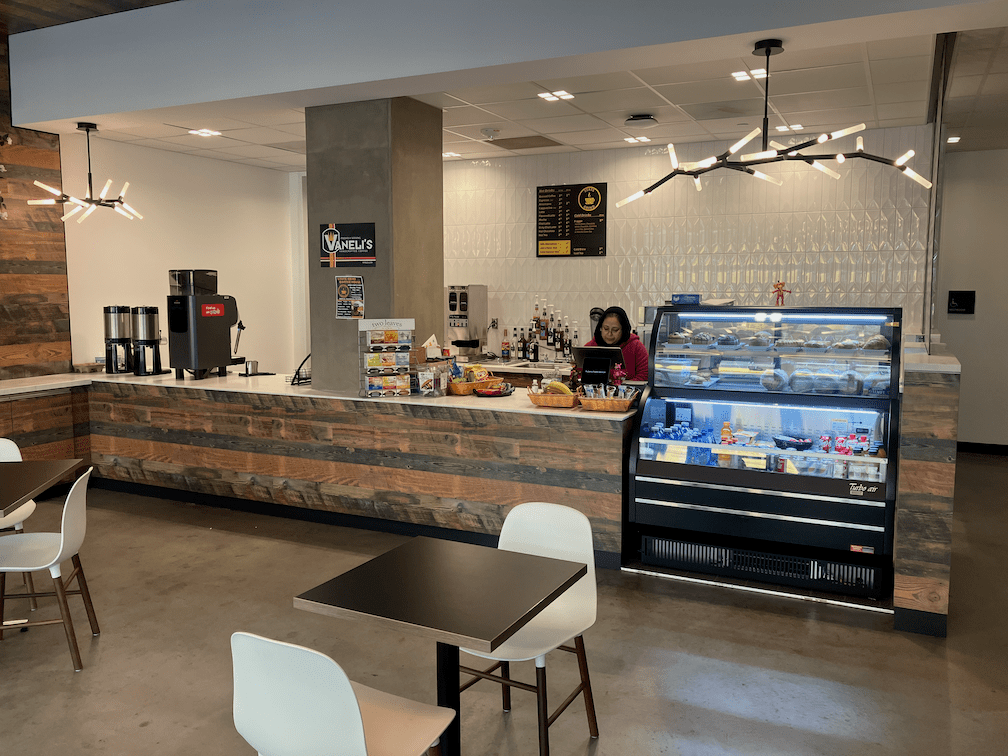
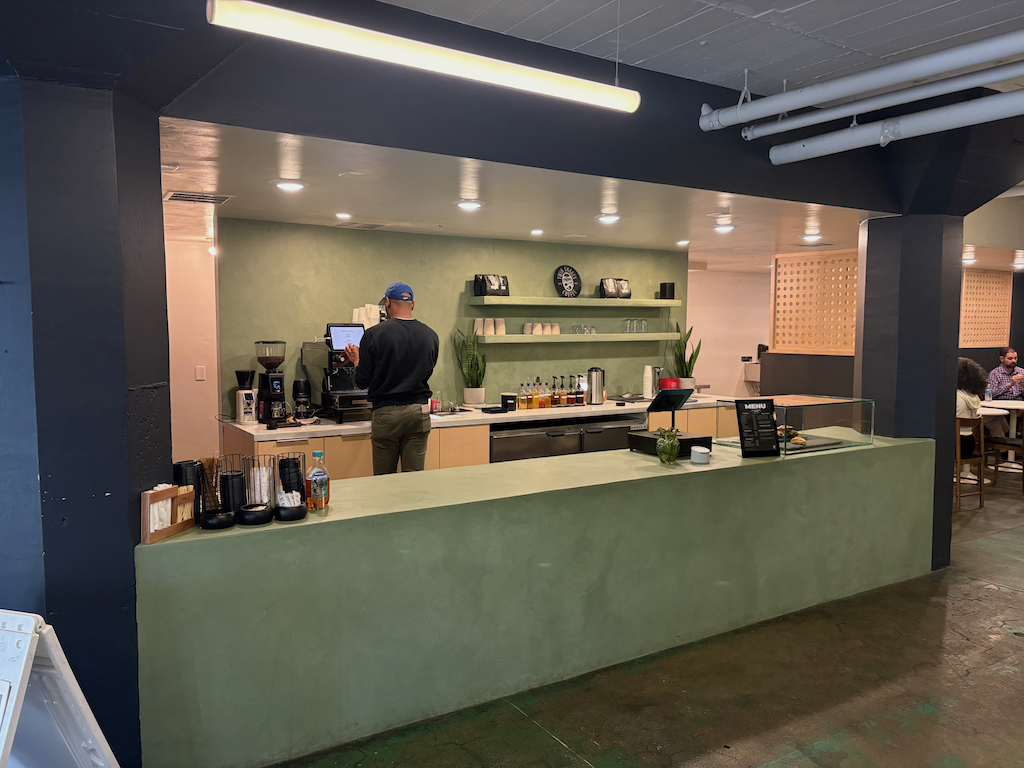
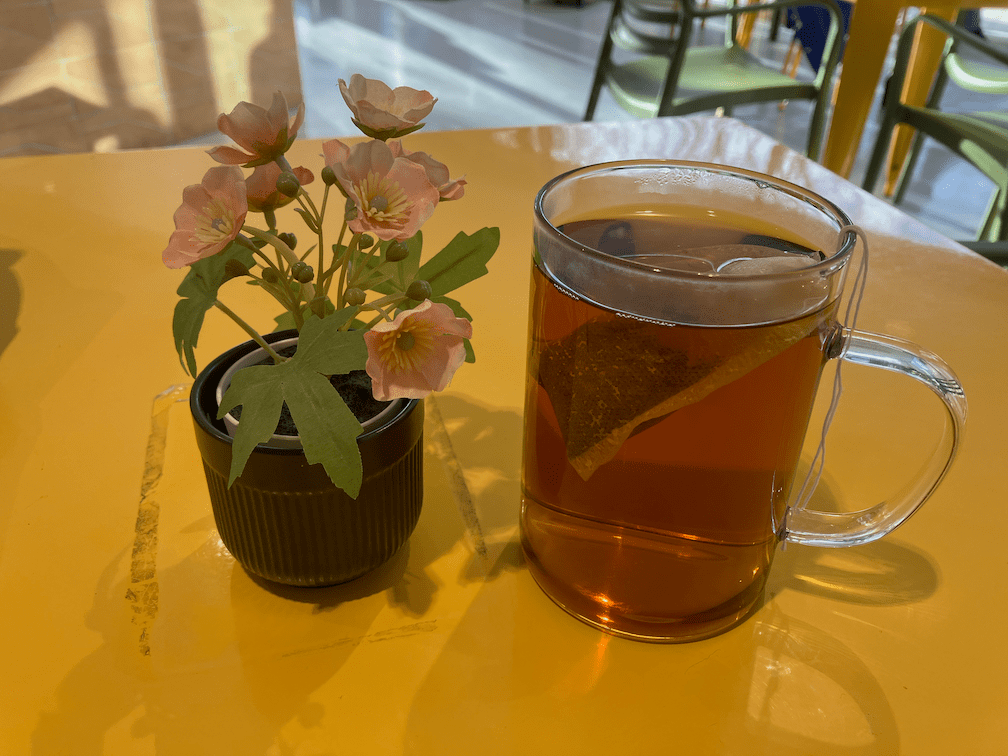
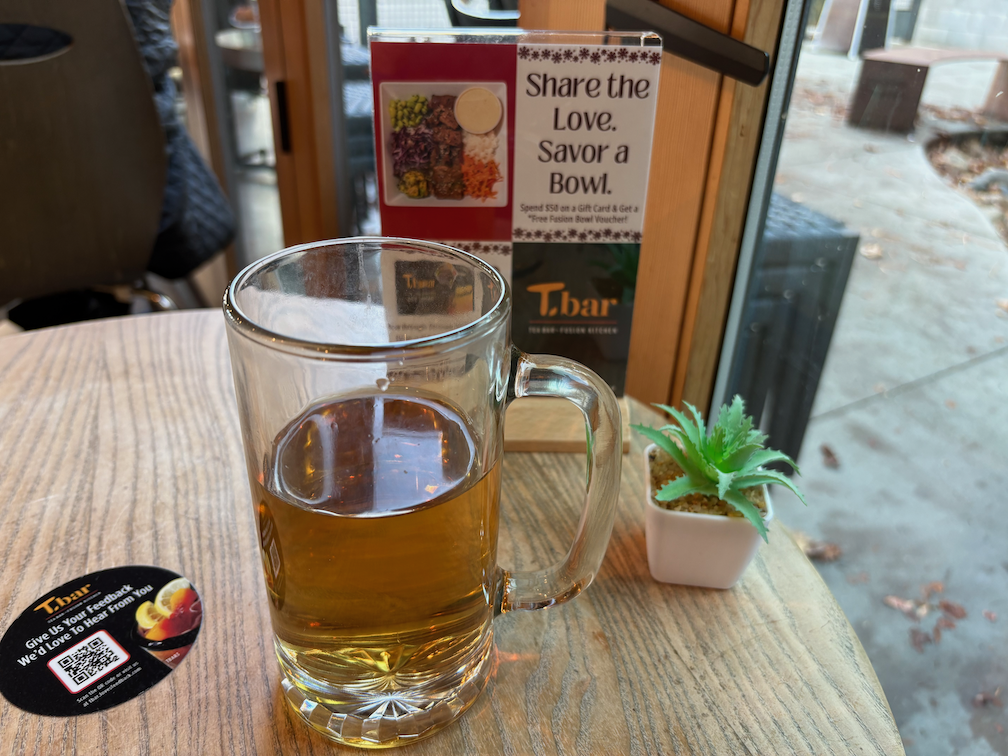
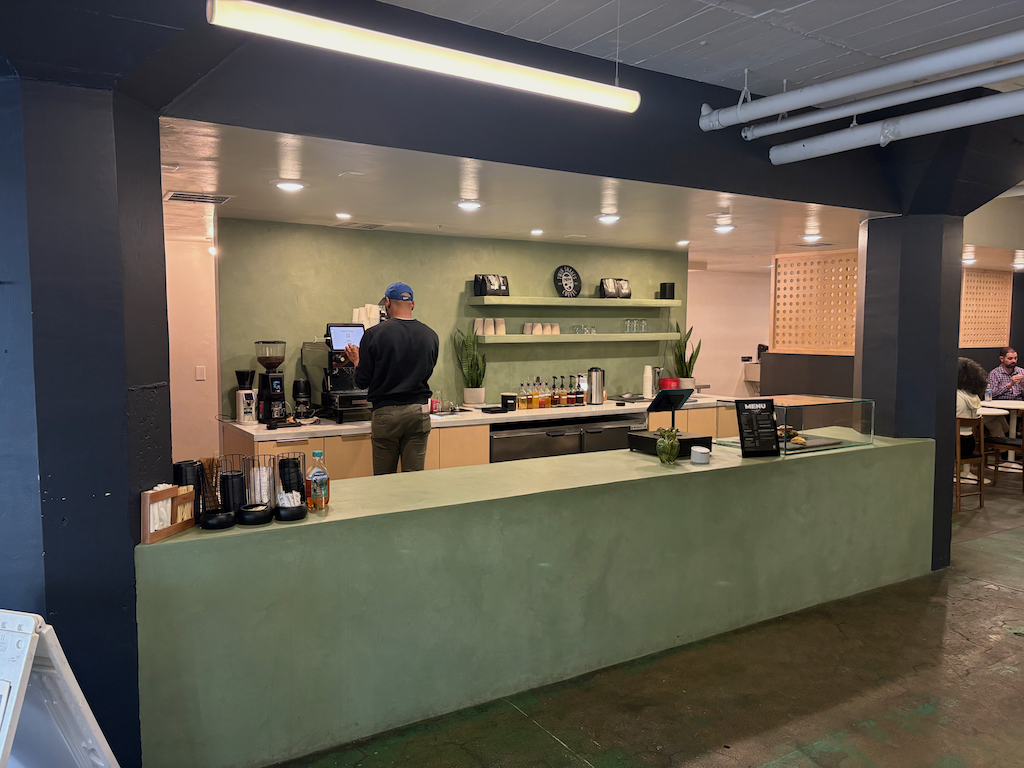
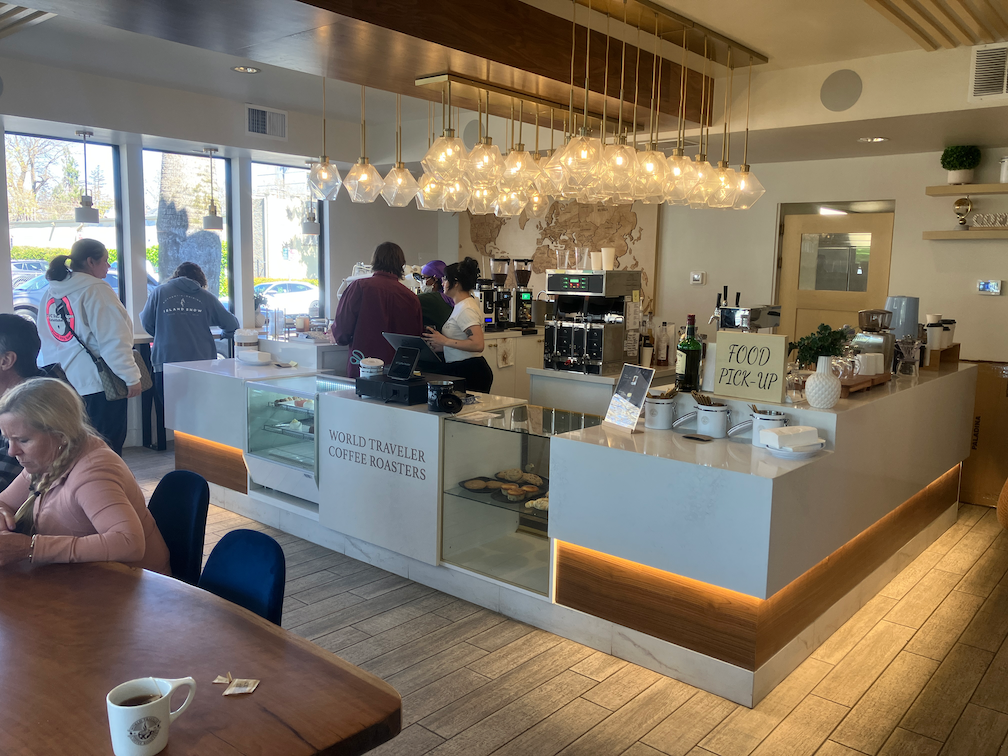
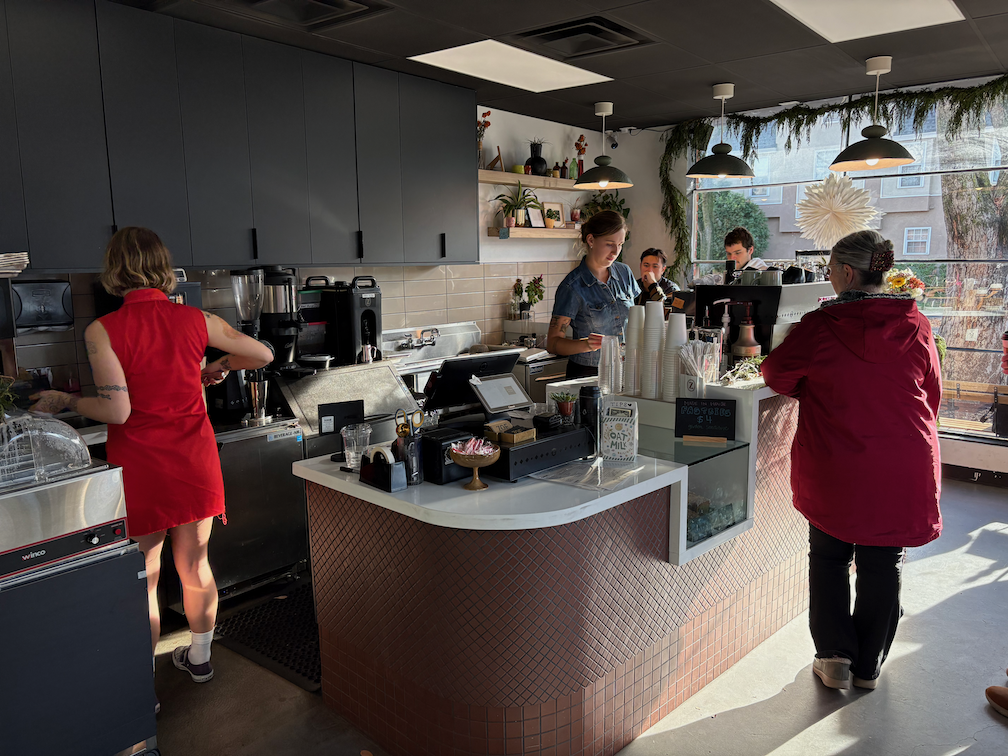
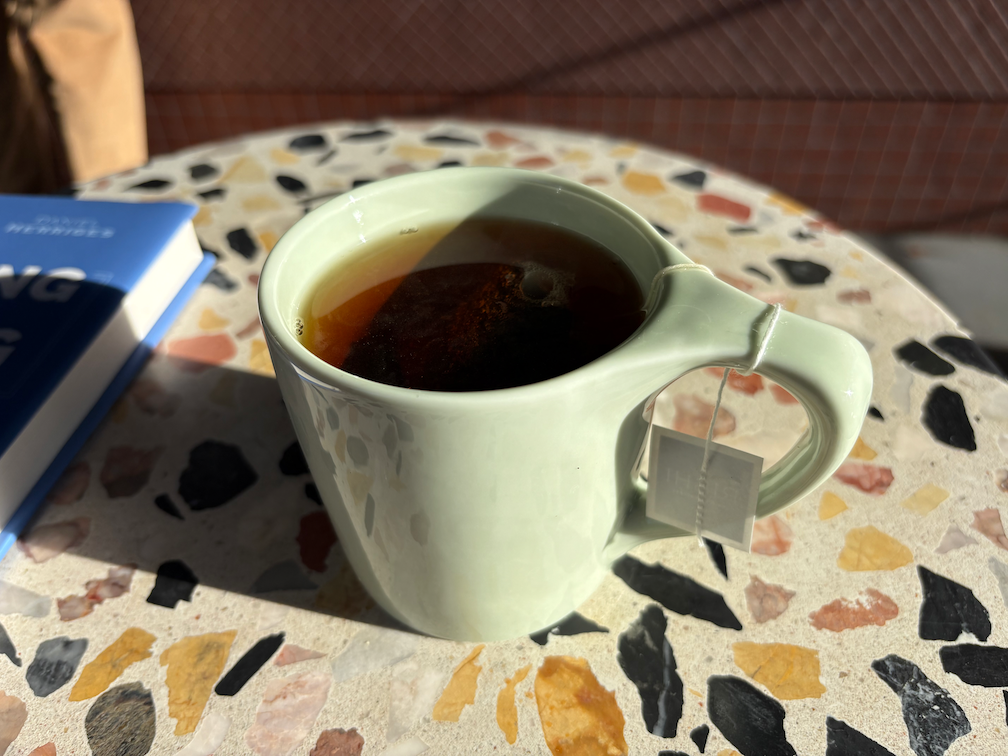
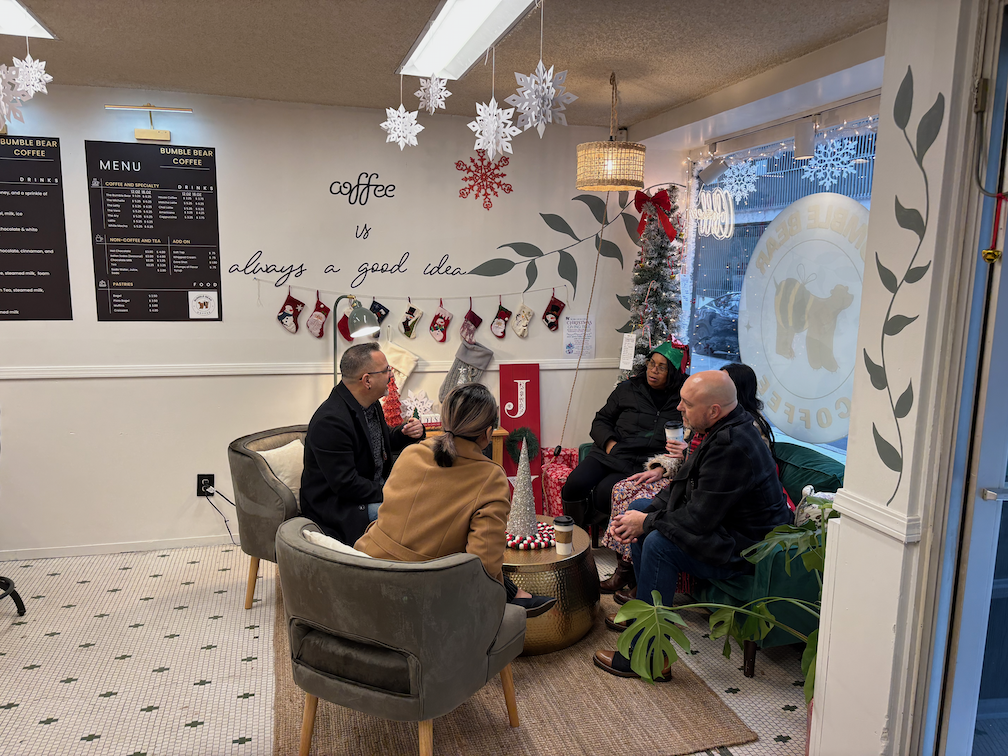
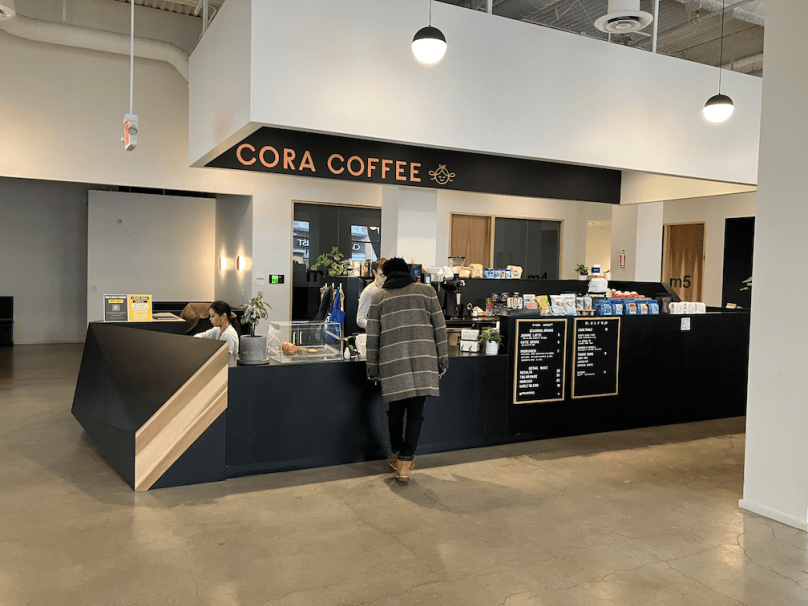
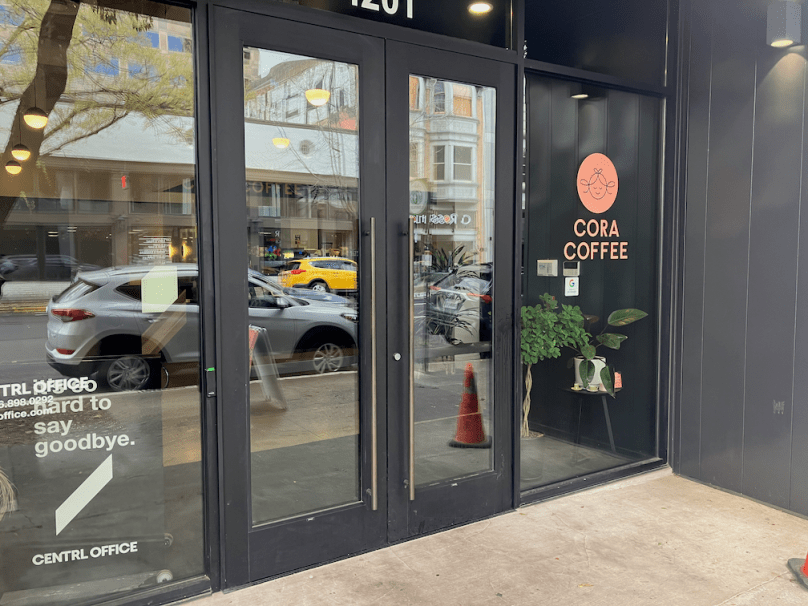
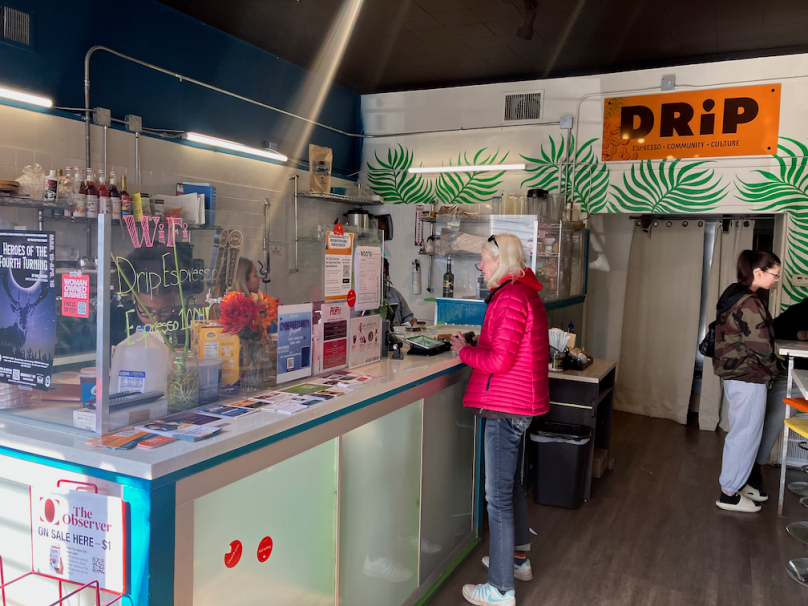
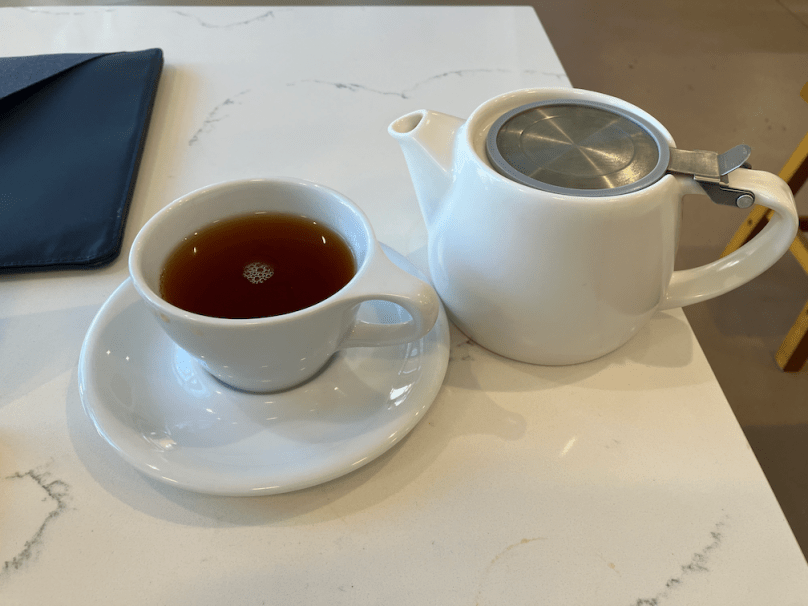
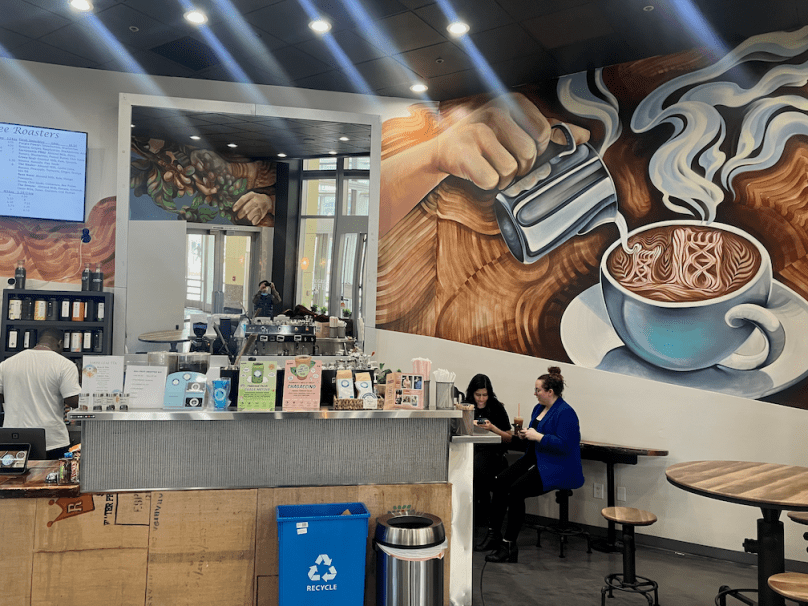
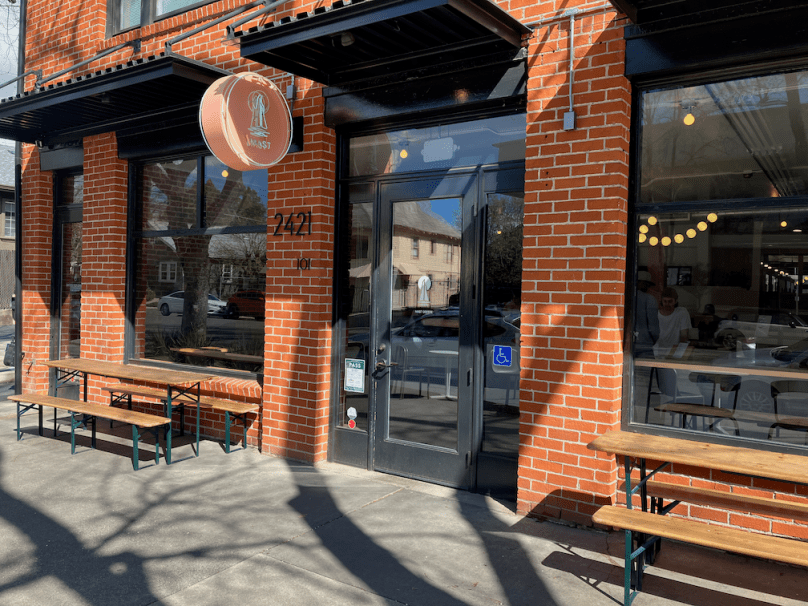
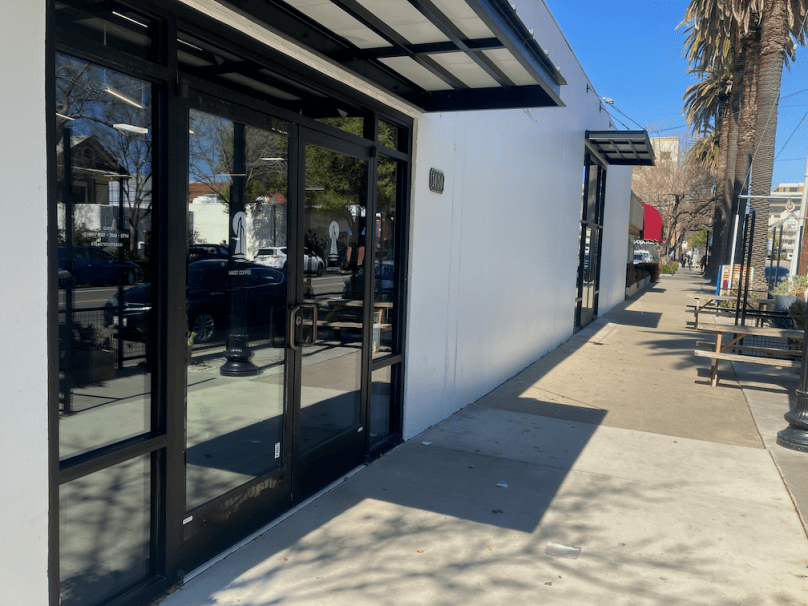
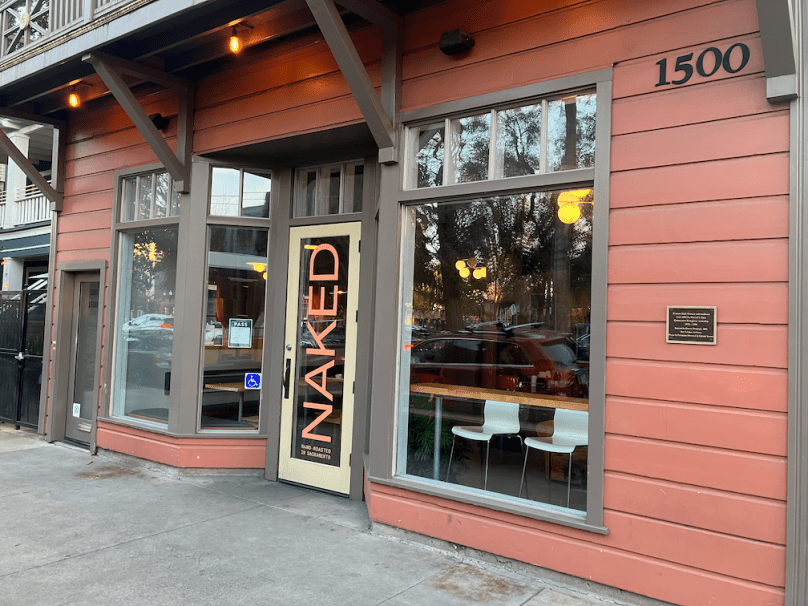
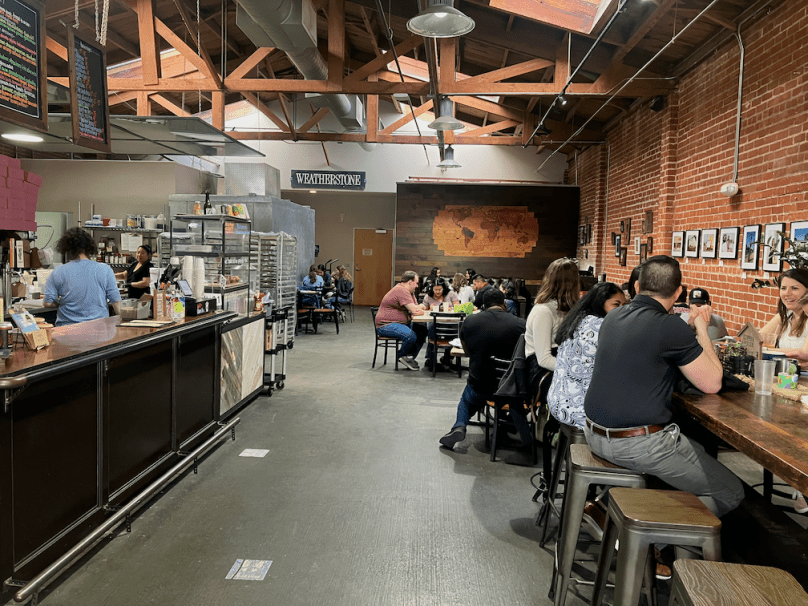
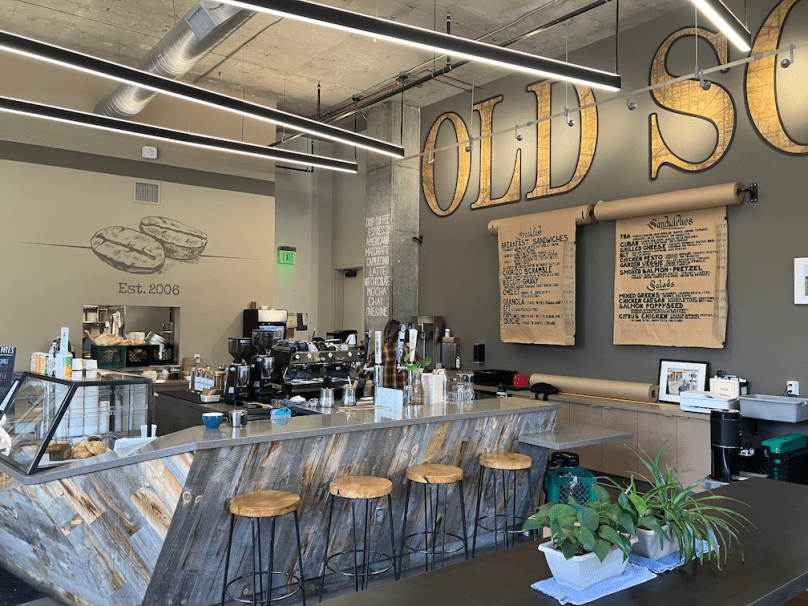
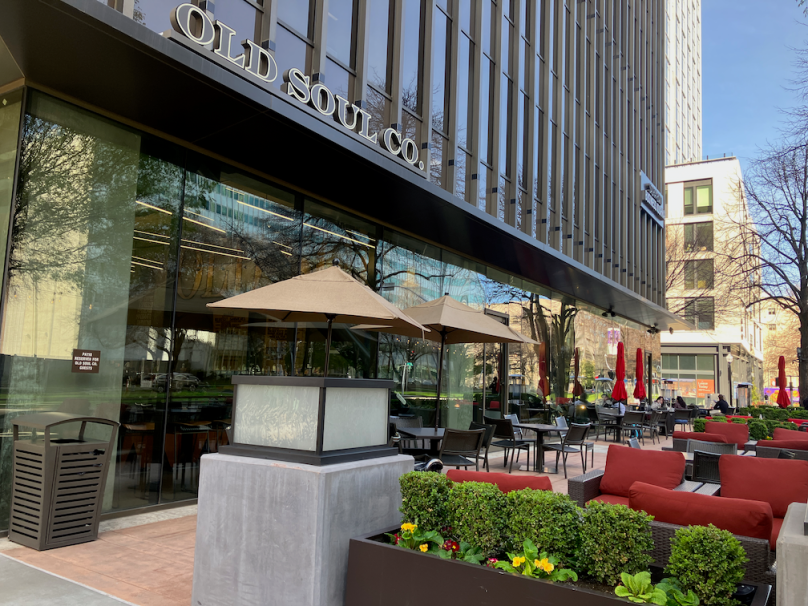
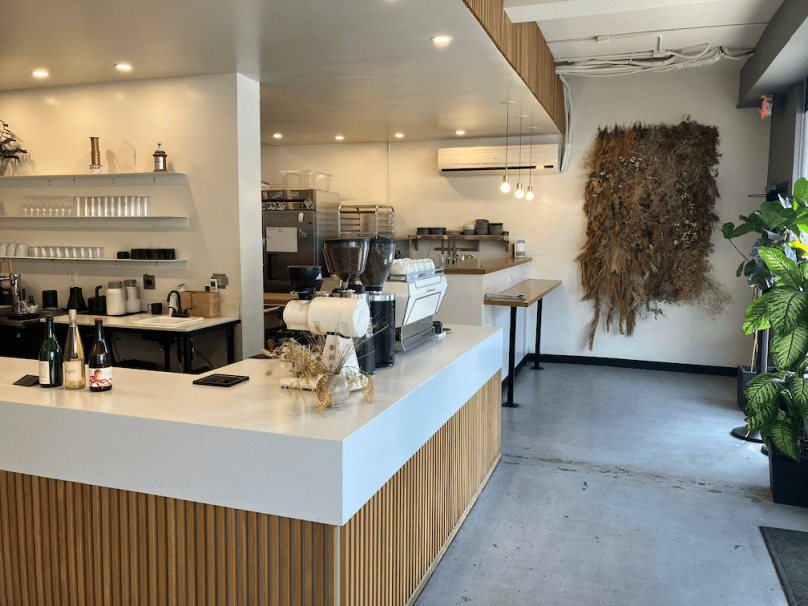
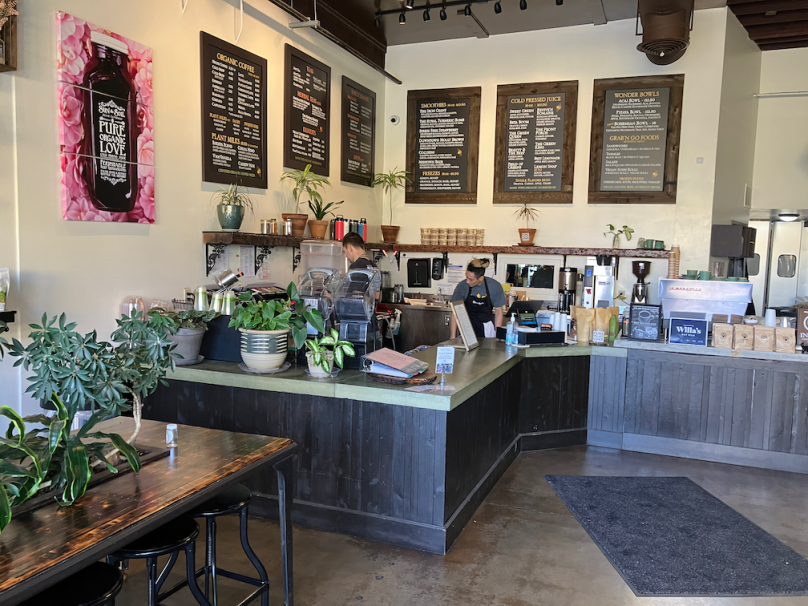
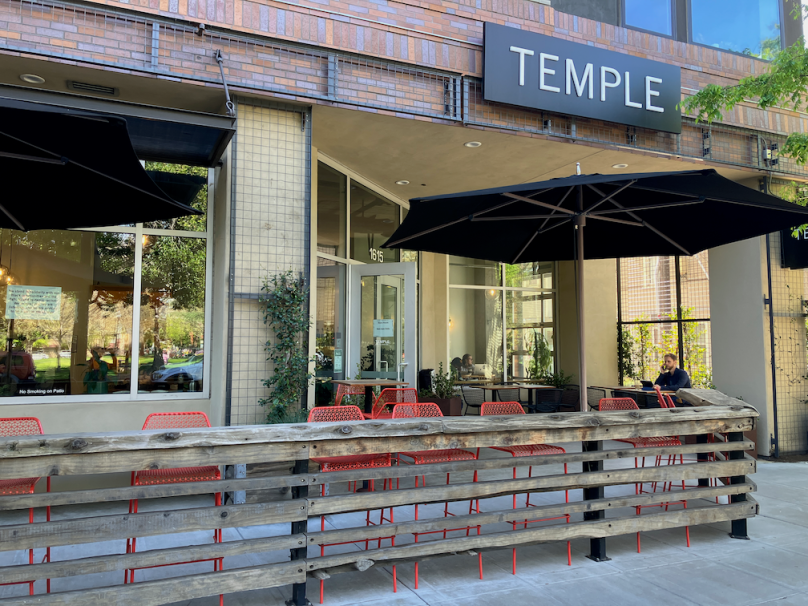
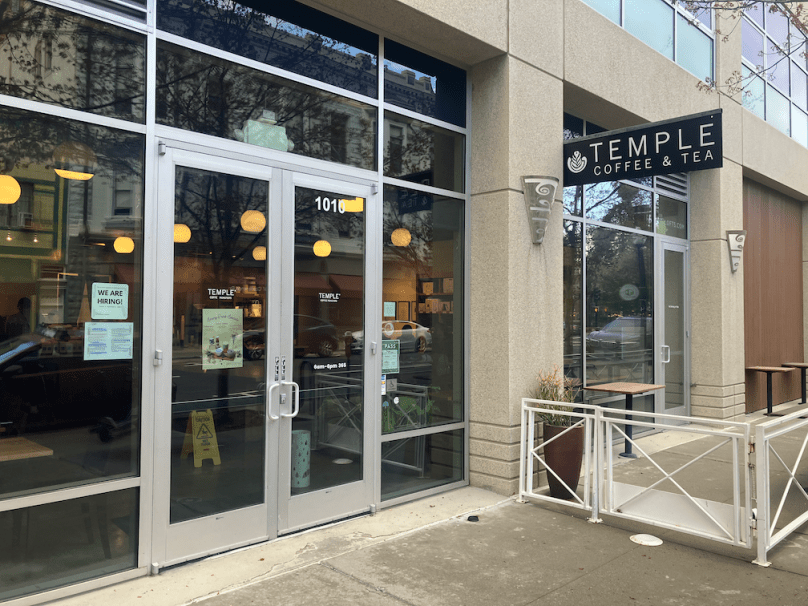
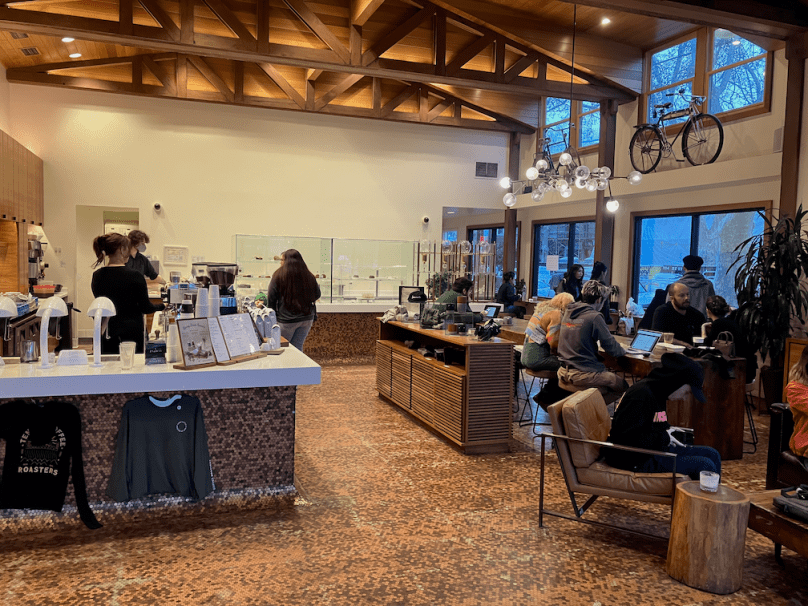
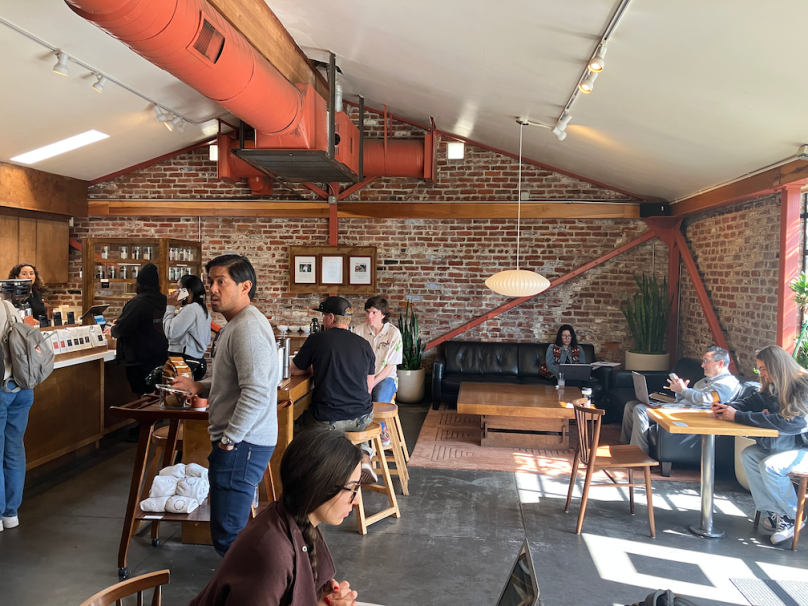
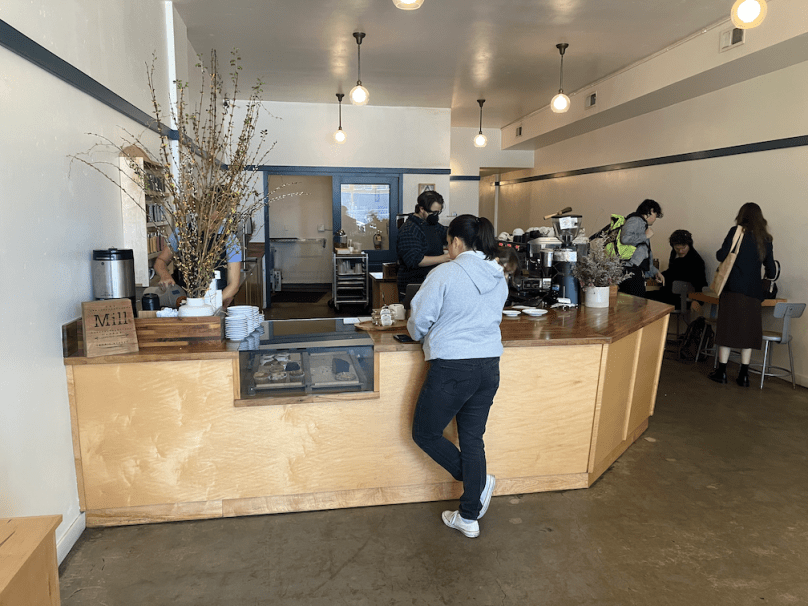
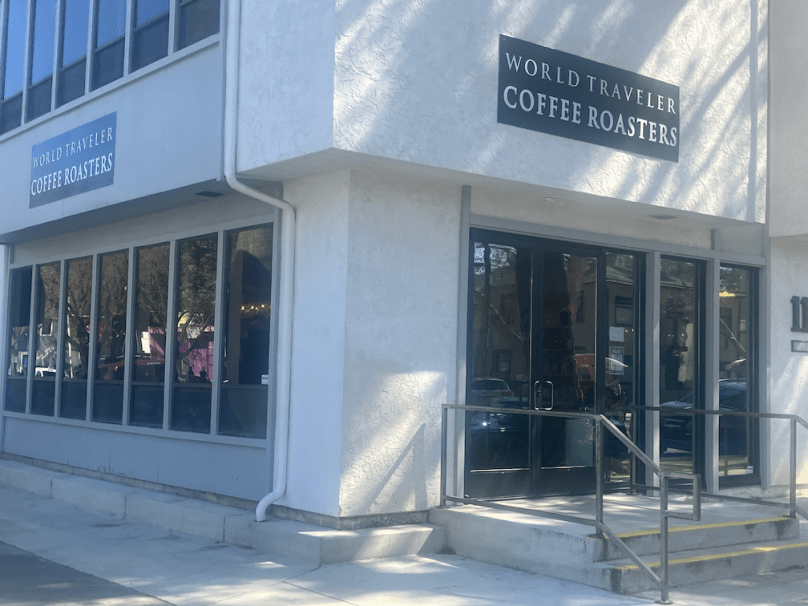
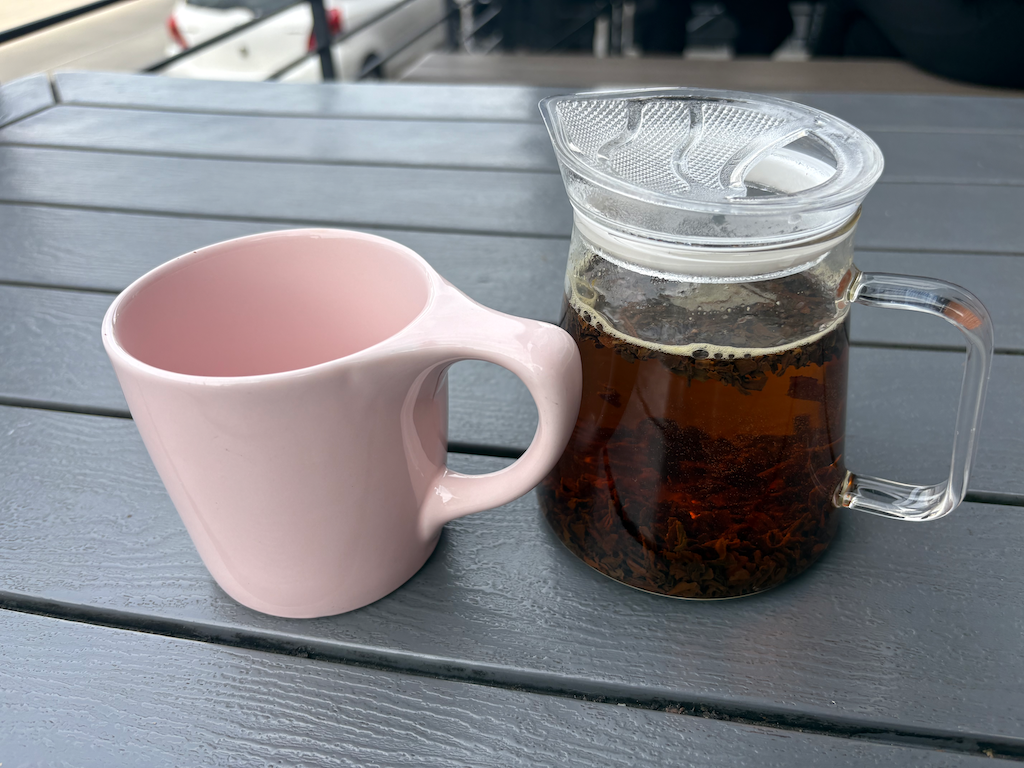
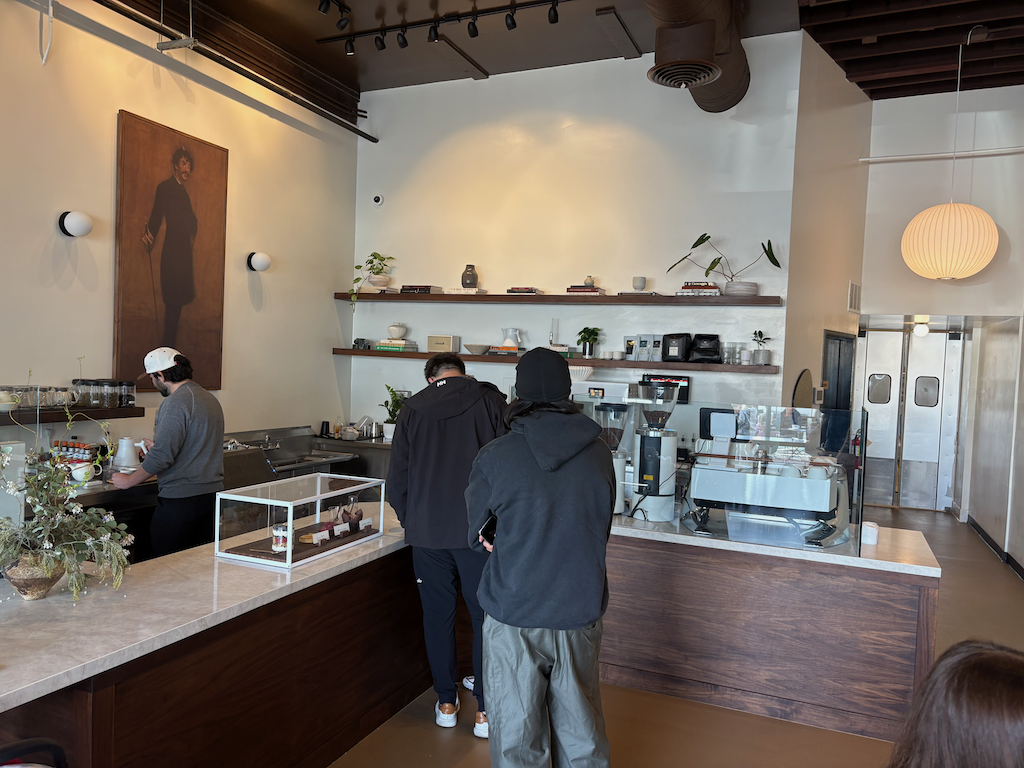
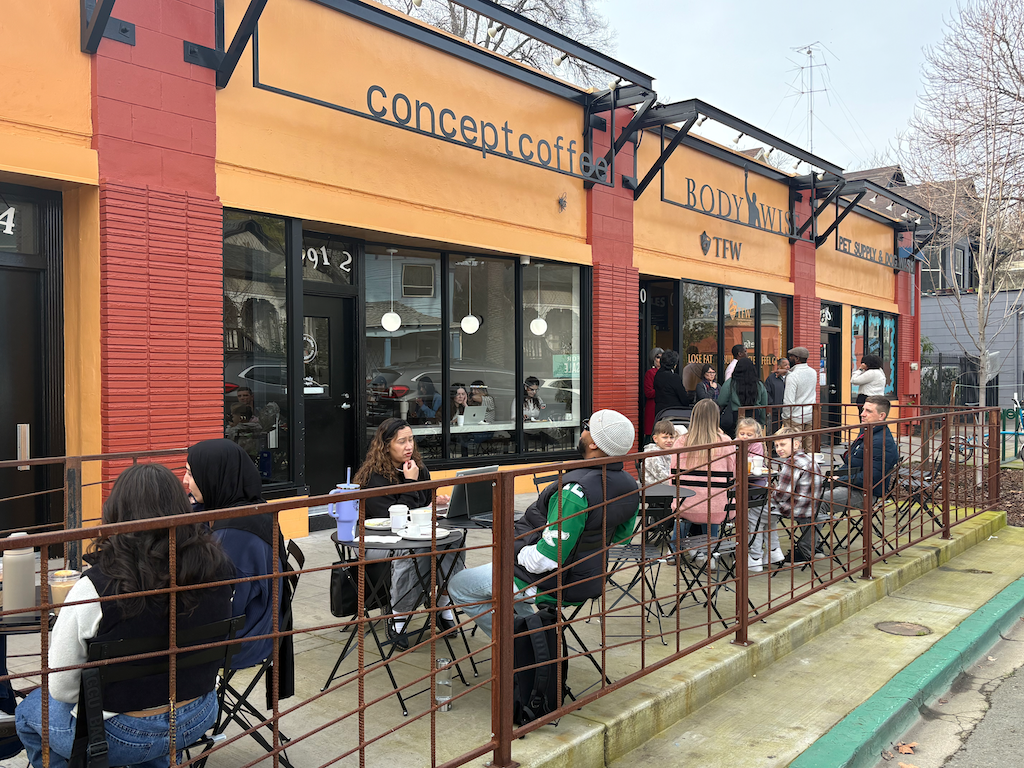
I visited each coffee shop location on the grid. I attempted to take a photo of each, outside and inside. I also started taking photos of the tea service, but didn’t start at the beginning so only a few are in the slideshow.

downtown or midtown?

I attended the State of the City event last week put on by the Downtown Sacramento Partnership. It was interesting, and the talk I was primarily there for, Brent Toderian, was good (more about that later). But the boosterism of downtown got way out of hand, in the sense that the picture of economic success that everyone was promoting revolved around the Golden One Center and all the other big projects that were underway or promised. This model of big projects bringing big success is fragile. I will admit that the Golden One Center and DOCO seems to have largely worked. It took a dead mall in the center of a dead part of the city and brought it back to life. But now all city leaders can talk about is the next big project, and the bigger the better. But everyone knows that big projects can fail spectacularly.

It is interesting that Downtown Sacramento Partnership, and city leaders, claim credit for midtown when it is to their advantage, such as the claim that most of the economic productivity is downtown, when it is really more spread out than that, but act as though midtown doesn’t exist in the next breath because it is not downtown. It is true, midtown and downtown are unique from each other. But not in the way DSP would like you to think.

Midtown is full of smaller buildings, old Victorian houses, apartment buildings, businesses. And in particular, for me, coffee shops (I drink tea, but the social benefits of coffee shops apply to tea drinkers too). About half the former empty lots in midtown now have construction on them. ADUs are going in, and lot splits are happening. There are a few larger projects, like the half block of affordable multi-family at S Street and 17th, but most are much smaller. There are a lot of small independent businesses, and only a few chains. There are a few, which is many too many, parking garages and surface parking lots. But midtown is the land of infill. There is a reason all but one of the night life areas in the central city is in midtown and not downtown.

In contrast, downtown is an area of block-size or multi-block developments. A significant percentage of the land area is parking garages, parking garages below offices, or surface parking lots, the very lowest of the low of land uses. Downtown is the land of big projects, and big dreams. But if there isn’t something going on at Golden One Center, downtown is largely dead. There are more closed businesses and boarded up buildings in a few blocks of downtown than in the entire midtown.

Midtown is a model built on people who live there and the services they need. Not perfect, but good. Downtown is a model built on people from elsewhere, who may or may not come and spend their money.

Of course before the 1960s, downtown was not much different from midtown. But the city and the state did not like the people who lived there (poor, people of color), so they tried to erase downtown and replace it with office buildings for the suburban workers. Sadly, they largely succeeded.

My choice is midtown. Yes, I live a short way across the line in downtown, but at least I live in an old apartment complex (CADA) and only 2-1/2 blocks from a great coffee shop. So I still get the best of midtown. When I go walking to the west, all I see are big buildings and empty parking lots, and almost no people. When I go walking to the east, I see people and construction and successful businesses. Downtown is dead. Midtown is alive.

real transportation solutions

Measure A 2022, which will be on the ballot this November, is a bundle of old ideas and a commitment to doing things the old way, the way that has dominated our transportation system since World War II. It does not address current transportation challenges. It proposes building more freeways, more interchanges, and widening roadways. It proposes to continue and increase the motor vehicle dominance of our transportation system. Sure, there is a weak commitment to fix-it-first, for the first five years of the 40 years. Sure, there are some complete streets, but that won’t make a dent in the pedestrian and bicyclist-hostile roadways that traffic engineers have built for us.

When Measure A fails, we have a chance in Sacramento County to identify and implement progressive and effective transportation projects and systems. What would a better transportation system look like?

  • One not so dependent on sales taxes. Sales taxes are regressive – low income people spend a much higher percentage of income on sales tax than do higher income people. Property taxes and congestion charges are a much fairer way to fund transportation. We have been too dependent on sales tax, for not just transportation, but many government functions.
  • One that recognizes and works to overcome the disinvestment that low income and high minority communities have suffered. Our transportation system is largely designed to ease the commutes and travel of high income individuals, not of society as a whole. The light rail system was designed with the needs of suburban, largely white commuters. So too were our freeways. At least 70% of transportation expenditures should be in and for the benefit of disinvested communities.
  • We have all the lane miles and pavement we will ever need. It is time to stop adding lanes miles and stop adding pavement. Not just because of the climate implications, but because these are low-return investments. Instead, transportation expenditures should support walking, bicycling and transit.
  • Big transportation projects such as freeways and interchanges claim big job benefits, but they are in fact much less efficient at generating high paying jobs than many other types of infrastructure investments. New construction spends most of its funds on materials, not on labor. The construction companies make large profits on large projects, but little of that filters down to workers. Small to moderate projects would employ many more people.
  • A transportation system dependent on motor vehicles, whether they are fossil fueled or electric, has strongly negative impacts on our places: direct air pollution, tire dust pollution, noise, traffic violence, loss of land to parking and roadways rather than productive development, and probably most important, it intimidates people out of walking and bicycling. A transportation system based on walking, bicycling, and transit eliminates most of these negatives.
  • A car dominated transportation system pushes everything further apart, jobs and housing and shopping and medical far away from each other. Cars not only encourage but largely demand low density development, so that there is space reserved for cars, all the parking and roadways that take up a large portion of our cities. It requires a car to participate in society, and thereby requires low income people to expend an unsustainable percentage of their income on transportation. A transportation system that relies much more on walking and bicycling allows things to be closer together, so that cars are not necessary for most daily travel.
  • Transportation investment should depend much less on state and federal funding, and much more on local funding. Large portions of the Measure A funds are intended to be matches for grants. But grants cause planners to focus on what the state and the federal government want, not on what the county or cities need. When the income from taxes or fees is close to the people, the solutions are much more likely to be what is desired by the people.
  • Private vehicle travel does little to contribute to making our places and our lives better. A innovative transportation system would focus on access to services, and make those services available nearby. It would reduce vehicle miles traveled, both by changing our development pattern and by actively working to reduce motor vehicle travel.
  • Our current transportation system has destroyed a lot of natural and agricultural lands, paving it over with roadways and low density housing. The best way of preserving nature and agriculture is to focus our attention and our funding on already higher density areas, which means infill.
  • None of the projects in Measure A are designed to support infill development. A progressive transportation system would focus nearly all investment on infill areas. It would cost much less money, and be much more productive.
  • Measure A calls out and essentially requires completion of the Green Line light rail to the airport. But who will use it? Unless service hours are 24 hours a day, it won’t be usable for many of the airport workers, who work before and after peak travel times. Instead, it may become yet another very expensive service for high-income travelers, just like our freeways system. Instead, we need to rethink our transit system to determine what citizens want and will use, and build a more efficient system around that. We know that frequency is freedom, so we must shift spending towards that, even while maintaining a reasonable level of areal coverage.

I’m sure you can think of many other things that an innovative, equitable transportation system would accomplish. Please suggest!

motorist hegemony

I have been seeking a term for the car dominance of our society that captures how oppressive it is to anyone walking or bicycling. Totalitarian is not it, that implies that walkers and bicyclists would be disappeared and have absolutely no rights. Authoritarianism certain overlaps, but doesn’t really capture it. I saw a term used recently that I think does capture it: motorist hegemony.

Hegemony is the political dominance of one group over all others. Others (walkers and bicyclists) are tolerated so long as they don’t get in the way of or inconvenience the ruling class (which is car drivers, in this case). To be more specific: “In Marxist philosophy, cultural hegemony is defined as the ruling class’s manipulation of the value system and mores of a society, so that the ruling class perspective is the world view of society; thus, in the relations among the social classes of a society, the term hegemony describes the cultural dominance of a ruling class, which compels the subordination of the other social classes.” (Wikipedia)

What do you think? Do you have other ideas? The War on Cars is a frequently used term, but the irony of this escapes most drivers (it was a term used by a NYC entitled white person to complain about removal of parking for bicyclist facilities).

Sacramento open streets for eating

With the removal of blockages to motor vehicle travel on Capitol Avenue, a few weeks ago, and R Street, recently, Sacramento no longer has any streets closed to motor vehicles for the purposes of encouraging outdoor dining. There are still a few locations with sidewalks diverted to the street for outdoor dining, and parking lanes dedicated to outdoor dining, but many fewer than there were.

Following onto the SacBee article and tweet this morning (https://twitter.com/sacbee_news/status/1554800490478796801), a number of other people have commented on the issue today, on Twitter. Unfortunately, there weren’t tags on the tweets, so it is hard to find those twitter threads.

The city says that the end of the closure (to cars) was the decision of the business owners. Did the city talk to them to find out what they needed? To negotiate with them? I doubt it.

The city, of course, says that they are working on a permit system for outdoor dining, but the discussion of the permit system that I’ve seen is that it will only be for sidewalk diversions and parking lane dining. The city does not envision ever closing a street (to cars) for dining again, ever, anywhere. Why wasn’t the permit system in place before these dining areas disappeared? I believe it is because the city slow walks (pun) everything that has to do with creating a more livable, less car dominated city. There are powerful forces, in Public Works in particular, but other places as well, that don’t believe in walking and bicycling, or public spaces, and will do everything they can to make sure those things don’t happen. The pandemic reversed this, temporarily, because there was such a strong demand from the public, but the city has now slid back into its anti-livability comfort zone.

The city (I think) went to the trouble and expense of installing bollard anchors along much of R Street, from 15th Street to 10th Street, and the cross streets, but seems unwilling to use them.

R Street now, car dominated
R St Sacramento street dining
R Street then, people dominated

When I went by today to get a current photo of the street, I noticed that Iron Horse Tavern has blocked the sidewalk on the south side of R Street, leaving no alternate route or ADA accommodation. I suspect that this is one of the businesses here that thinks all its customers arrive by car, and they don’t need to serve anyone else. Please make their wishes come true, if you are a walker or bicyclist, and avoid this business.

Iron Horse Tavern on R Street, blocking the sidewalk

car sickness on Capitol Ave

I walked by the section of Capitol Ave in Sacramento, east of 18th St, as I have done many times, but today it struck me how dead this street is, now. It was alive for a while:

Capitol Ave, Sacramento, pandemic street closure, August 2020

But now it is sick again. To extend the analogy, it has always suffered from car sickness (a street dominated by motor vehicles), but had a relatively brief recovery when the street was closed to cars and opened to people walking and bicycling, and now a relapse into car sickness:

Capitol Avenue, Sacramento, opened to cars but not people, June 2022

The street feels abandoned. There are no people walking or bicycling. There are a very few people at the restaurants. It is hot, hot, hot, with insufficient street trees and an overly wide pavement. Note that if the street were closed (to cars) again, the street could be significantly narrowed, just space for bicyclists. Parking, unnecessary. Bike lane, unnecessary. Travel lanes, just enough width for emergency vehicles. Leaving plenty of space for outdoor dining, and street trees, and even a little nature.
During the closure (to cars), the street felt alive, even when there were few people there, even in the morning before most of the restaurants opened. People were walking and bicycling, and hanging out.

I don’t know why the closure was ended, and all the street canopies and seating removed. I’ve heard a lot of different stories: it was the city, it was the Midtown Association, it was the business owners. So I can’t point any fingers. But what I can say is that what was once clearly alive is now barely hanging on. Will it die? Probably not, but it won’t ever be healthy again, until the cars are again removed.

Cars kill business, cars kill cities. Why do we allow our city to be dominated by cars?
small business, not homeownership

Many organizations and governments are again touting homeownership as the path to economic security and wealth creation. I have my doubts. The wealth generated for people who own homes is not wealth out of thin air, nor is it wealth out of moral superiority. It is wealth out of exclusion and externalized costs. Every day, the gap among homeowners, and renters, and unhoused people grows, and the structure of wealth accumulation depends upon this gap.
As we, as a society, come to realize that we cannot continue to subsidize single family homes and their development pattern that requires large amounts of infrastructure, huge amounts of driving, and an impoverishment of cities, the single family home will lose value. This is hard to believe, given the exponential increase in home prices, but it will happen. As has been said by many others, the suburbs will largely collapse of their own weight, of their permanent debt burden. See growth ponzi scheme. Some will survive by changing their form and becoming small towns within the bigger city, but most will not. Detroit is the fate of most suburbs.

So, when the reckoning comes, and the American dream of homeownership comes to an ignominious end, what then is the alternative?

I’d like to propose small business ownership as a better model. No, I have no illusions that small business ownership is easy, or that it is any quick path to wealth. The business owners I talk to would find this laughable. But the wealth that is gradually accumulated is real wealth for the owner and real wealth for the community. It does not need subsidized infrastructure. It does not need an expensive transportation system and associated harms. It may need a small boost from the government, at times, but largely it survives and thrives by being part of an ecosystem of a healthy (and wealthy) community.

Some people claim that homeownership is the way to erase the disparity in wealth between white people and people of color. I’ll let the people of color speak for themselves, but for me, nothing about the current system or the proposed system of widespread homeownership looks likely to erase the gap. In fact, though it may bring a few people from the renter category into the homeowner category, it will very likely cast the rest downward into struggling renters and unhoused. If the government spends money to increase homeownership, as seems the politically preferable action these days, what then of the unhoused? What then of renters? What then of people who live in substandard and deteriorating housing, whether they own it or rent it?

I believe that government should stop subsidizing, and stop promoting large developments and large businesses. Large developments and large businesses seek government support in order to make what they do more profitable, but it is at the expense of the rest of us. This is nowhere more clear than in our transportation system, which was designed, and continues to be designed, to support large corporations and large shopping areas (malls), to make possible long distance commuting which is necessary when we separate single homes from work, shopping and recreation, and which destroys both the general environment on which we depend and the local communities that suffer from this system.

All efforts should instead be focused on small businesses. What do they need to succeed? What small government actions would support them? In this, I am completely aligned with the Strong Towns message: