SacATC meeting 2025-01-16 report

SacATC (City of Sacramento Active Transportation Commission) met Thursday, January 16, 2025.

The agenda included:

3. Selection of Chair and Vice Chair for Calendar Year 2025: Arlete Hodel was re-elected as Chair, and Isaac Gonzalez was re-elected as Vice Chair. Juanluis Licea-Cruz joined the commission as seat K youth representative, a high school student at West Campus joined the comission. David Moore was appointed to the Seat J. Ali Doerr-Westbrook has completed her term on the commission.

4. Caltrans American River Bridge Rehabilitation Project: The presentation by Caltrans staff was frustrating. A number of questions about details of the bike path being added as part of the freeway rehabilitation (widening) project went unanswered. Commission concerns were that there are a limited number of connections from the new path to existing bikeways, and that Caltrans has demonstrated an inability to maintain bike paths by the horrible condition of the Causeway path. The Caltrans staff claimed that some other agency would be responsible for maintaining the path, but seemed unclear about what agency. Federal law requires that the host agency is responsible for maintenance of multi-use paths in perpetuity, but Caltrans has rarely complied with that requirement. Completion of the entire project is December 2026, but it is unknown whether the path will be available before then. I hadn’t realized, but this path was part of a lawsuit settlement over widening of the freeway; it was not a project initiated by or desired by Caltrans.

5. Alternative Recommendation: Truxel Bridge Concept and Feasibility Study: See the STAR blog post for this topic, which includes all the agenda document parts. The commission voted for recommendation 3, “reject the Truxel Bridge Concept and Feasibility Study and instead recommend that the City Council direct staff to evaluate and study a Truxel Bridge alternative without personal motor vehicles.’ It was clear from the large number of in-person comments and eComments, as well as commissioner comments, that the city commitment to a multi-modal bridge with private motor vehicles is unacceptable.

My comments added two details: 1) SacRT board has never approved the city concept, though discussions at the staff level indicate that it might. The approved SacRT project is a transit/walking/bicycling only bridge. 2) The light rail to the airport Green Line might never be completed due to very high cost and uncertain ridership. If bus rapid transit (BRT) is implemented instead, the benefits of a direct bridge route are not clear. The current bus Route 11 jogs to the freeway, and is not signficiantly delayed by that. This BRT is not part of the current regional plans because it was assumed that light rail would be implemented, but it is quite possible that it might be added to the high capacity bus network plans.

It is assumed that the city study will proceed until the city council makes a decision on the SacATC recommentation.

6. Streets for People: Neighborhood Connections Draft Final Plan: staff report and Neighborhood Connections Plan: There was strong community and commission support for the plan, and it will be forwarded to council, probably next month. The toolbox part of the plan is outstanding. Nearly all of the 13 treatments in toolbox can be implemented as quick-build projects with low-cost materials, and eventually replaced by hardened infrastructure. Community and commission comments addressed the lack of likely funding for implementation, but it is hoped that the city will allocate some funds to the project, particularly now that the primary resister Howard Chan is no longer city managert.

For ‘not on the agenda’, I commented on the much delayed maintenance (sweeping) of the separated bikeways in the central city. The bikeways became nearly impassible during leaf season, except where they were cleared by landscaping services supplied by adjacent property owners, which is not their responsibility, but is appreciated.

Commissioners requested an update on the staff effort to inform council about what quick-build means. and this topic may also come back to the commission.

Traffic Diverter / Street Closure page from Streets for People Neighborhood Connections

SacATC meeting 2025-01-16

SacATC (City of Sacramento Active Transportation Commission) will meet this Thursday, starting 5:30 PM, in city council chambers at 915 I Street, Sacramento. Comments may be made in person or via eComment ahead of time. Note that there are two commission meetings scheduled at the same time, so it is possible that this meeting will be in another location in city hall.

The agenda includes:

3. Selection of Chair and Vice Chair for Calendar Year 2025

4. Caltrans American River Bridge Rehabilitation Project: This project includes the addition of a shared use path (walking and bicycling) to the State Route 51 (Capitol City Freeway) bridge over the American River.

5. Alternative Recommendation: Truxel Bridge Concept and Feasibility Study: See the STAR blog post for this topic, which includes all the agenda document parts.

6. Streets for People: Neighborhood Connections Draft Final Plan: staff report and Neighborhood Connections Plan

The Neighborhood Connections Plan is largely unchanged from the 2024-10 draft. As such, I support it. It is important to remember that this plan only addresses residential and minor collector streets, which are important for encouraging walking and bicycling, but rarely are the location of fatalities and severe injuries. Those occur on major collector and arterial roadways, which are the subject of a separate Streets for People document, coming sometime later this year.

On page 19 the following info from the last round of public outreach is added:


PHASE THREE: PUBLIC DRAFT PLAN

  • Project Funding and Prioritization: How the plan will be moved forward into implementation, prioritization, and funding was a common theme. Community members requested clarification on the next steps for project implementation.
  • Speeding Implementation: Some workshop participants called for faster implementation of the recommended network via “quick build” projects.
  • Equity Considerations: Community members asked how equity would be considered for implementation, particularly where fewer active transportation facilities currently exists.
  • Youth Safety: School area improvements and other projects focused on addressing youth transportation needs was a theme in the virtual workshops.

The ‘Funding and Ways to Get the Network Built’ (page 123) is unfortunately unchanged. The city still does not identify even the possibility of using general funds for implementing this plan.

this week 2025-01-13

SacMoves Coalition hosts an event calendar at https://sacmoves.org/events/, which is maintained by STAR (Sacramento Transit Advocates and Riders) and Getting Around Sacramento.

Monday 13

  • SacRT Board, 4:00 PM, agenda, 1102 Q St, Sacramento

Tuesday 14

Wednesday 15

  • canceled SACOG Transit Coordinating Committee
  • Planning for Walkability is Planning for Health, America Walks webinar, 11:00 AM, info & registration

Thursday 16

  • SACOG Board, 9:30 AM, agenda, 1415 L St, Ste 300, Sacramento, CA 95814, or online
  • SacRT Mobility Advisory Council (MAC), agenda, 1102 Q St, Sacramento, and online
  • SacATC (Active Transportation Committee), 5:30 PM, agenda, 915 I St, Sacramento, and online
  • House Sacramento YIMBY Happy Hour, 6:00 PM, New Helvetia Brewing (Updates about: A potential affordable housing/ safe streets ballot measure!  A blue ribbon committee on permitting reform!  Alternative models for affordable housing!)

Friday 17

Saturday 18

Sunday 19

SacCity separated bikeway failure?

Are the City of Sacramento separated bikeways on 9th St, 10th St, 19th St, 21st St, J St, P St and Q St a failure?

These separated bikeways are mostly but not entirely parking protected, meaning they are between the curb and the parking lane. The city purchased a bikeway sweeper specifically for use on these bikeways. But that sweeper has not been used this year. As documented in SacCity is not sweeping separated bikeways, the bikeways are filling with fallen leaves, which have now turned to leaf slime. Though I have not seen anyone fall on the leaf slime, I’d not be surprised, and I have slipped but not fallen several times. Some of the bikeways have been cleared, but it has been by adjacent property owners, and by City of Sacramento Youth, Parks, and Community Engagement (YPCE, otherwise called parks) on some but not all park-adjacent blocks. City of Sacramento Public Works, whose responsibility it is to sweep these bikeways which are part of the transportation system, have done nothing. Nothing.

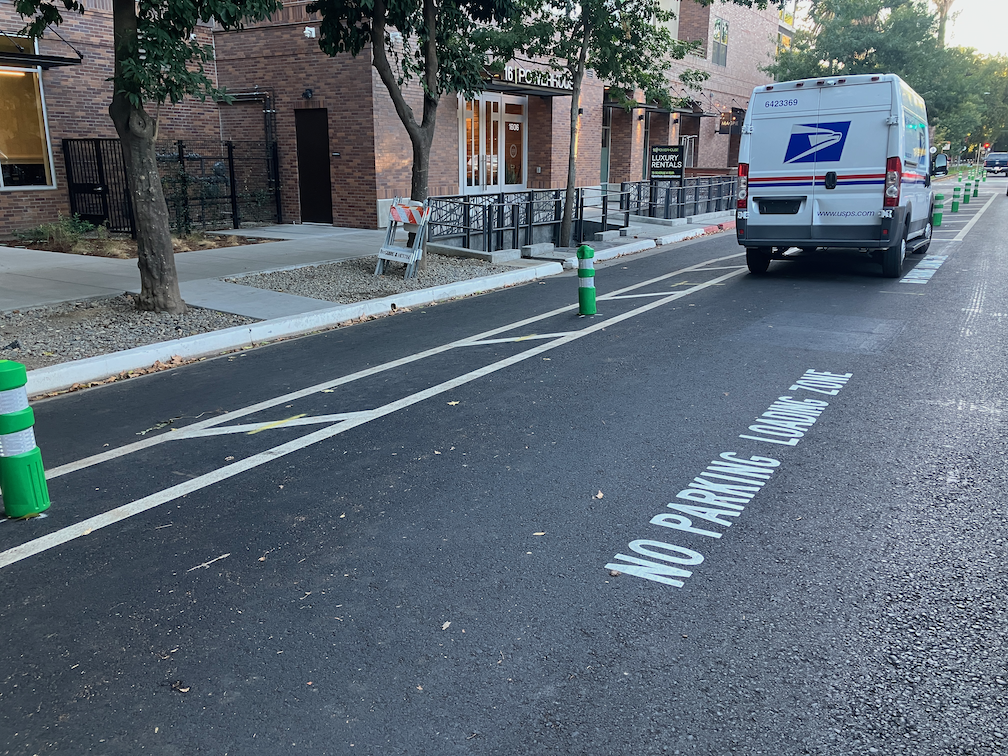
A second issue is that the city has done nothing to solve the bikeway blocking that occurs on a daily basis on P Street approaching 16th Street. The bikeway here is blocked by delivery vehicles, people moving in and out of the adjacent residences, and people picking up food from the restaurants. The city is very aware of this problem, as there are frequent reports to 311 of illegally parked vehicles, by myself and many other bicyclists. But nothing has been done to solve the problem. This location needs, at the least, additional vertical delineators to discourage drivers from using the bikeway, and even better, a hard curb to prevent use.

It is worth noting that there is marked loading zone immediately adjacent to the bikeway, see below. Most drivers choose not to use that, or it is routinely blocked by drivers parked for a long period of time, clearly not loading.

photo of loading zone adjacent to bikeway, P St
loading zone adjacent to bikeway, P St

There are other locations where a separated bikeway is blocked by motor vehicles, but nowhere is it as common as the P St approaching 16 St location.

If the city is not willing to maintain the bikeways, and is not willing to solve issues with the bikeways of which it is very aware, then it can’t claim these as separated bikeways. Maybe they should be removed.

On the plus side, the city’s 311 app finally includes a drop down for ‘blocking bike lane’ under the parking violations menu, about five years after the request being made by myself and many others.

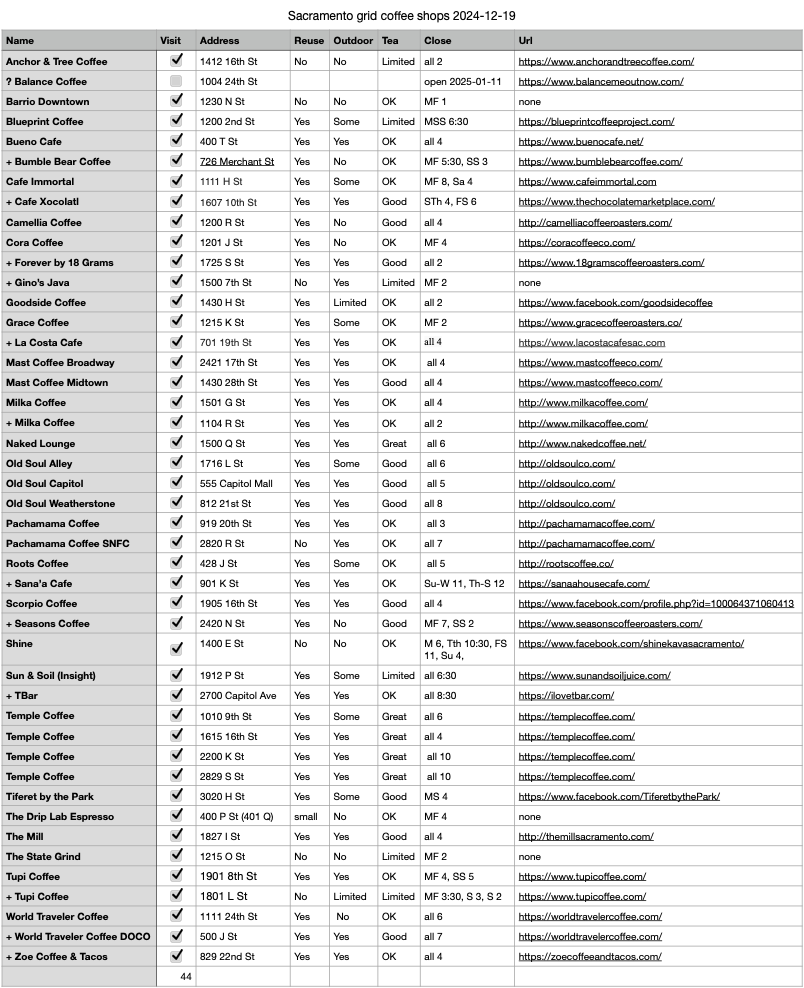
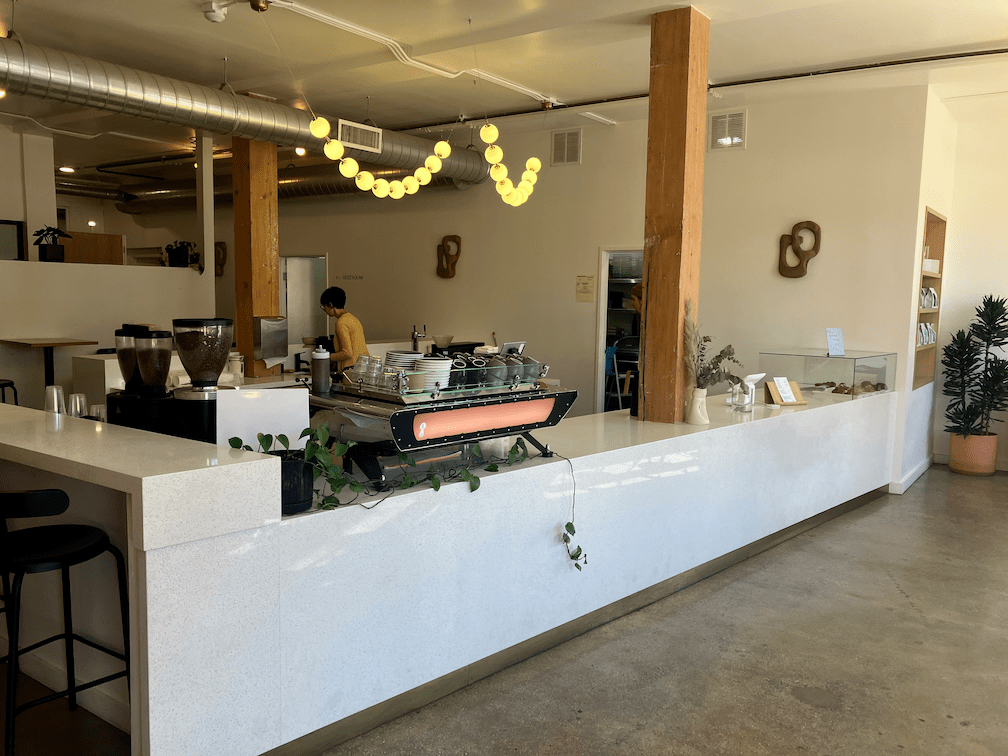
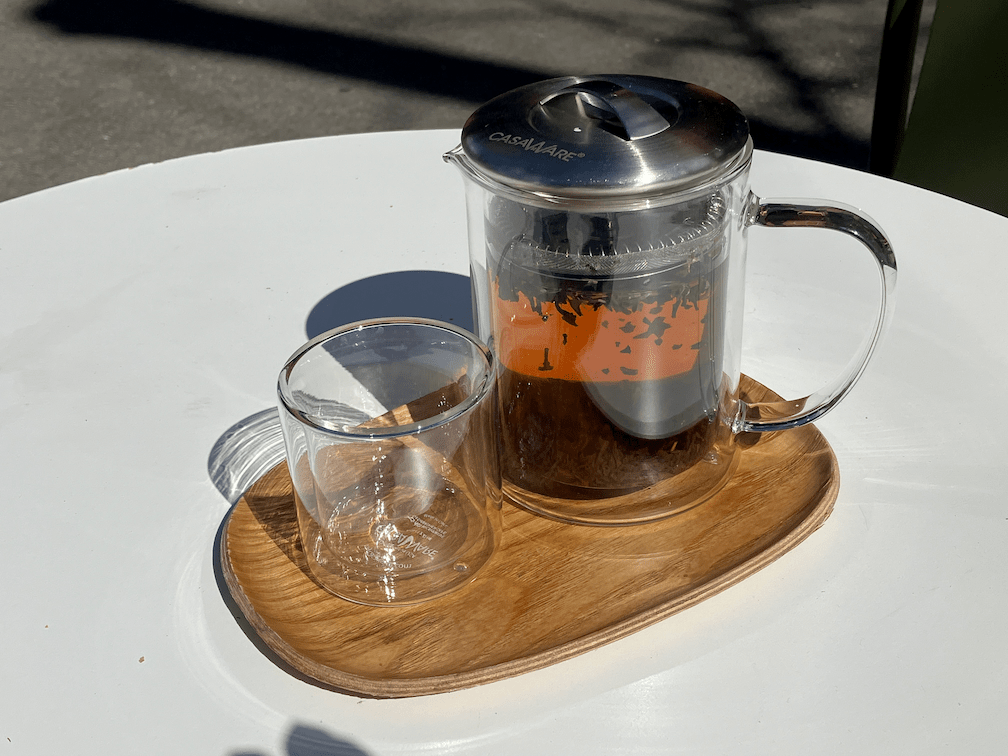
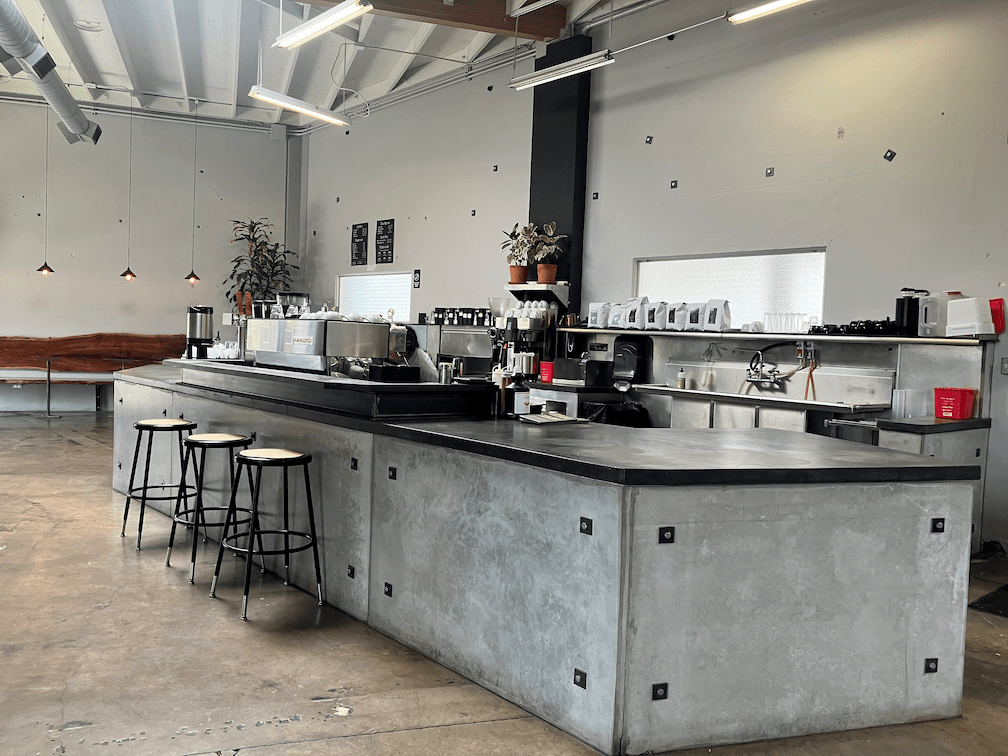
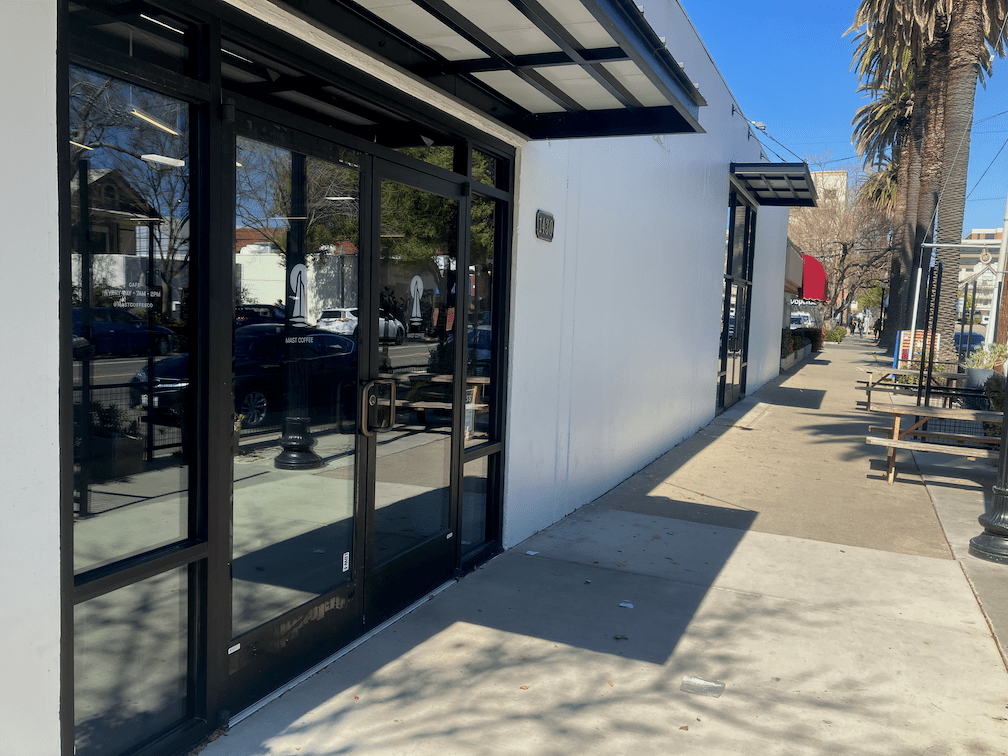
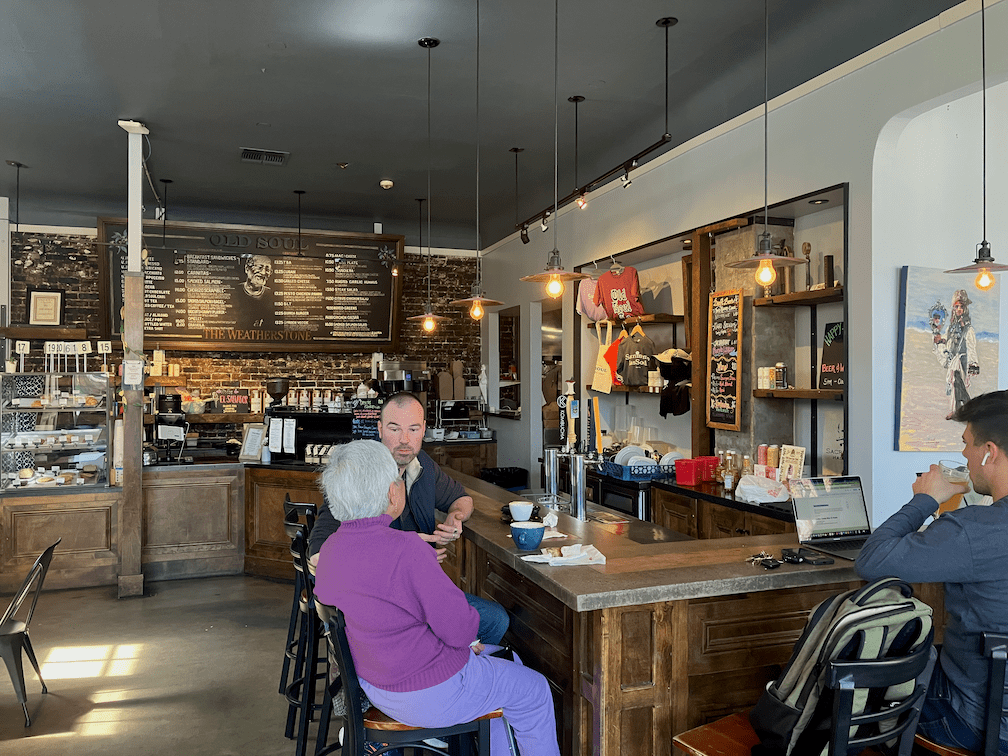
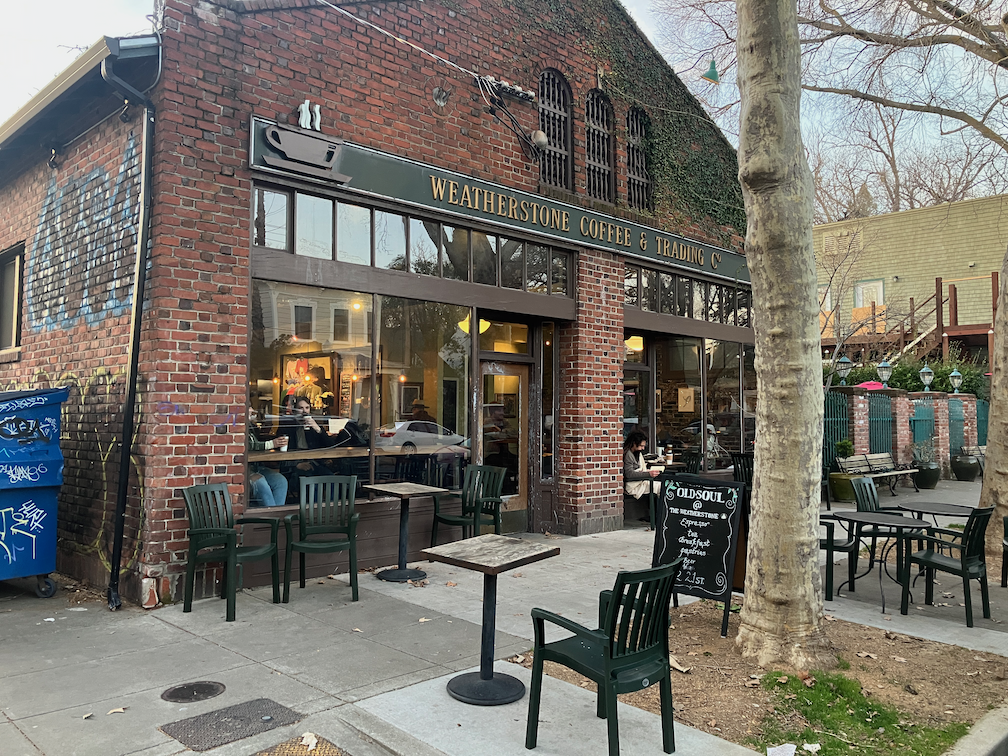
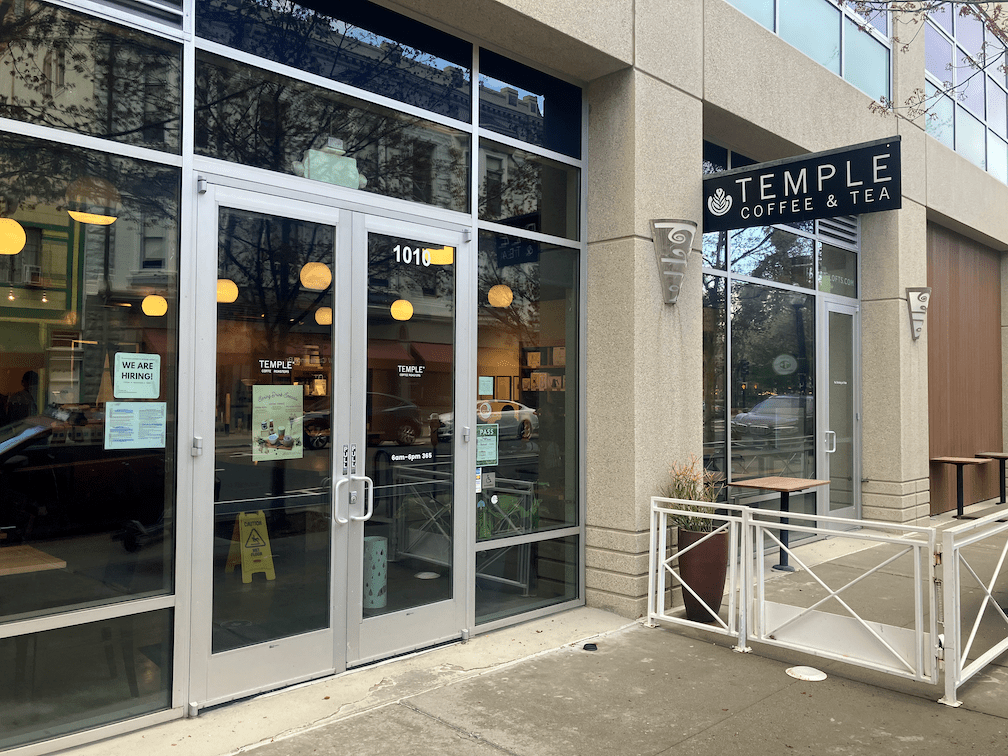
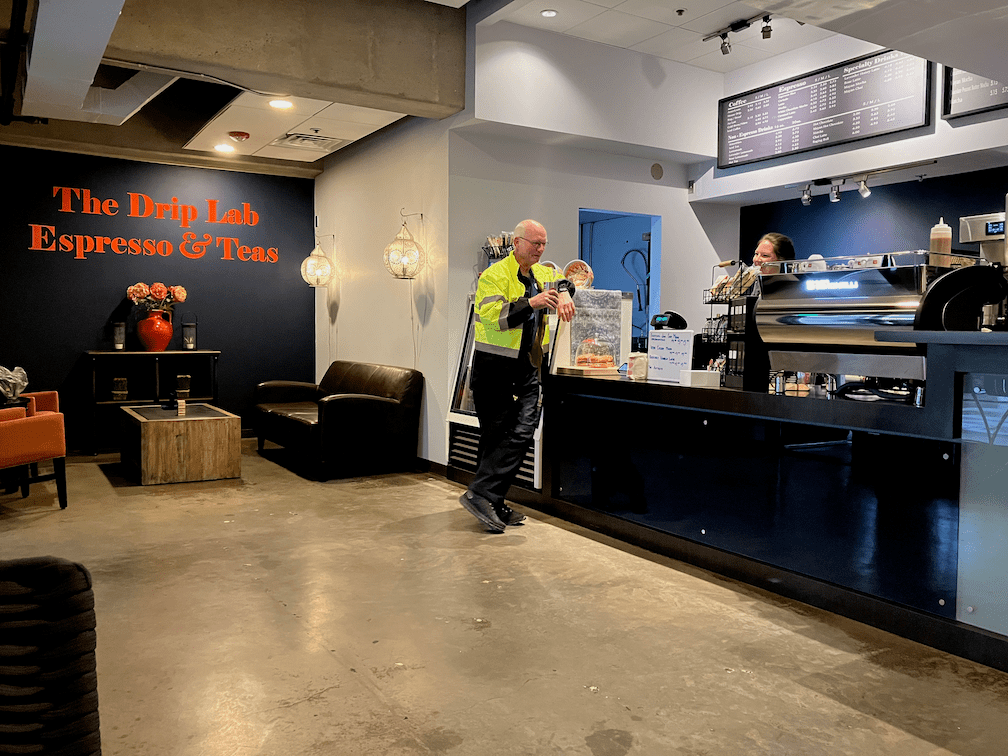
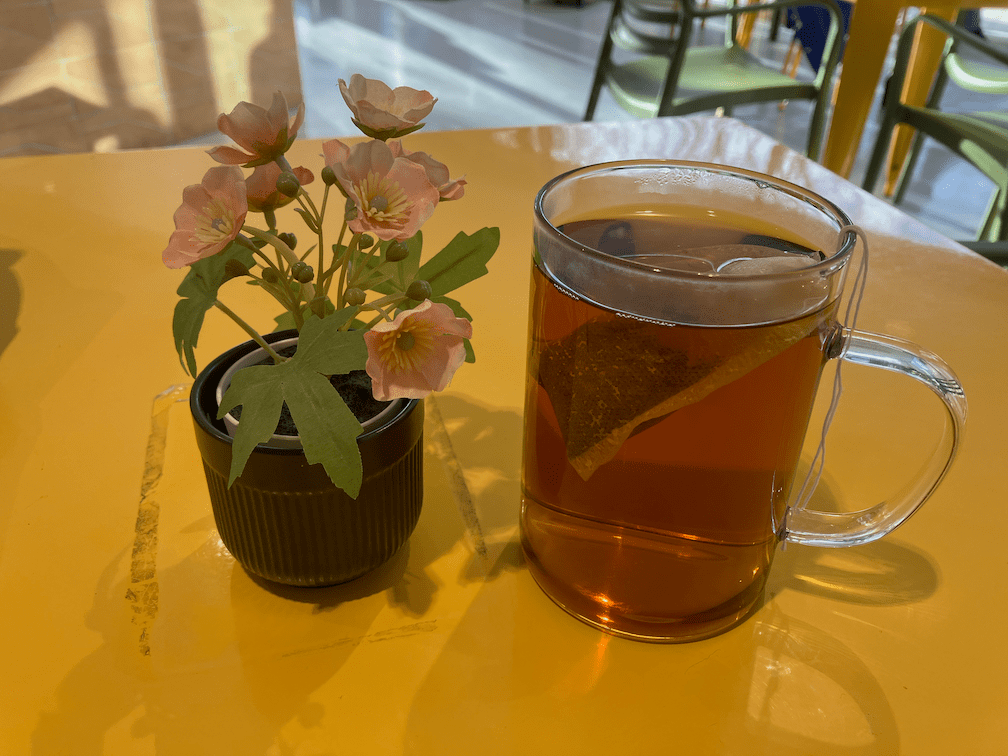
coffee shops (tea) on the grid: update 2024-12

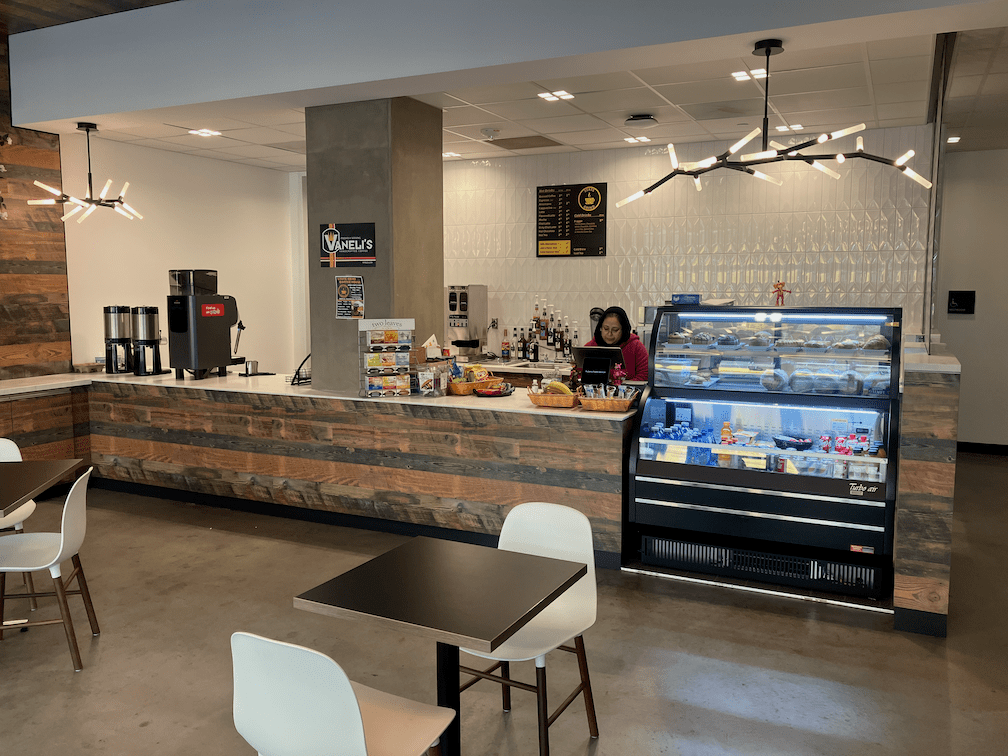
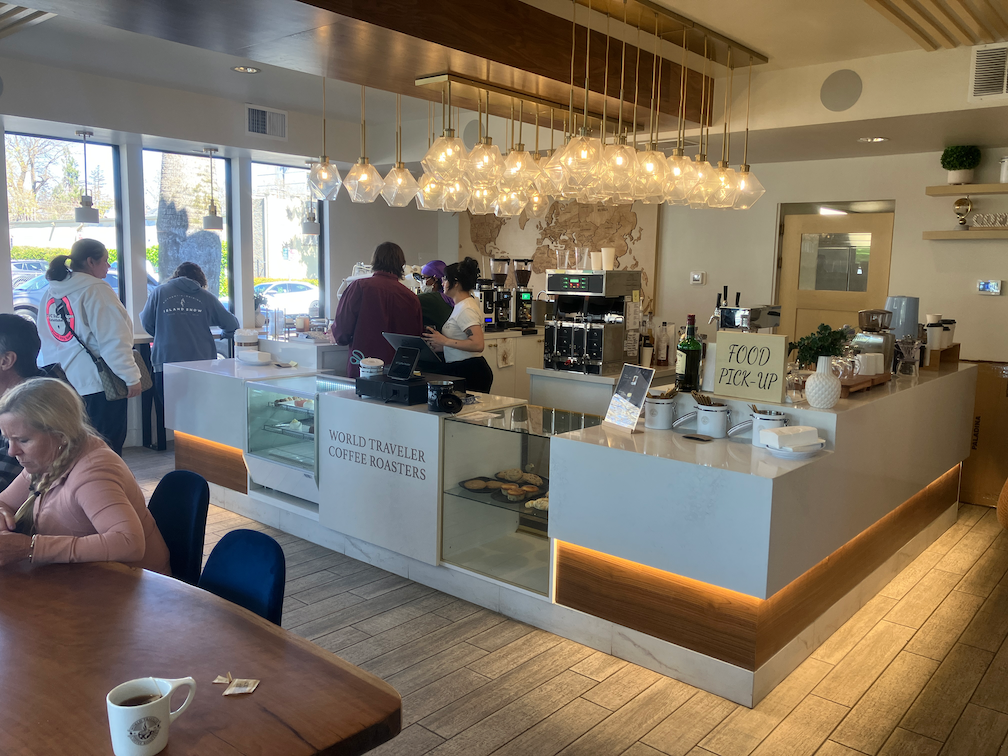
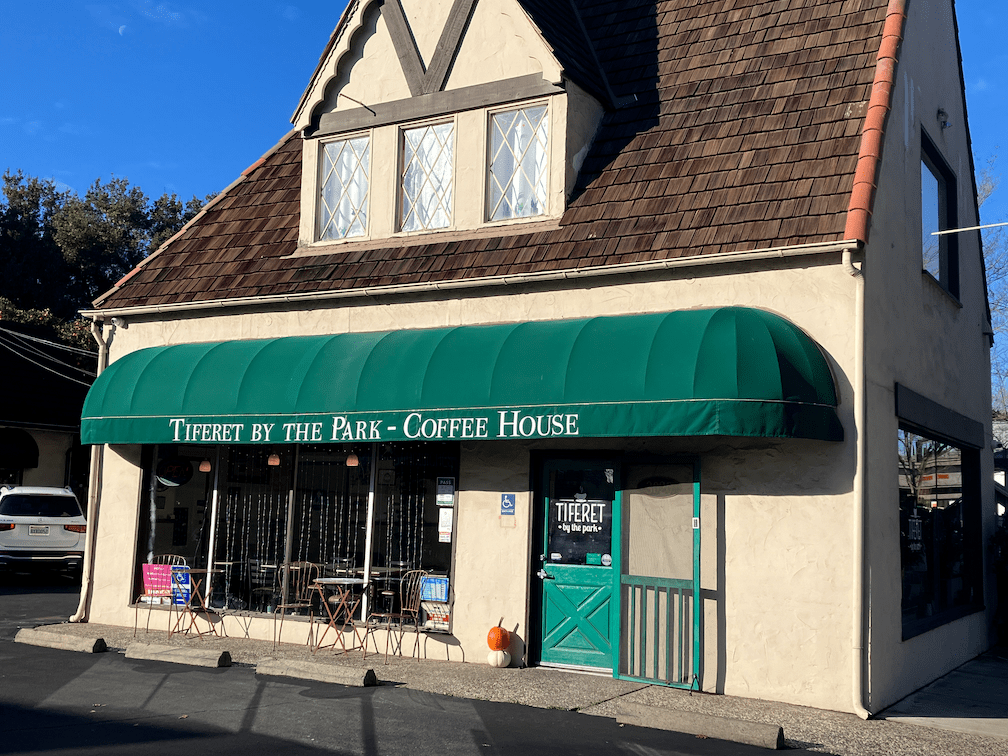
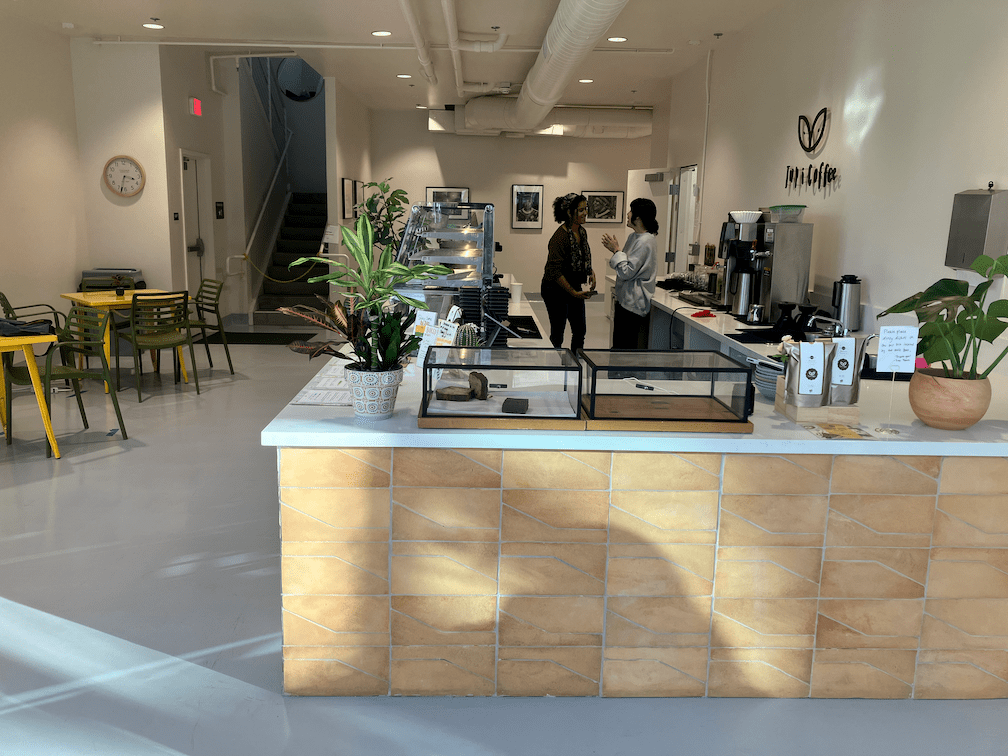
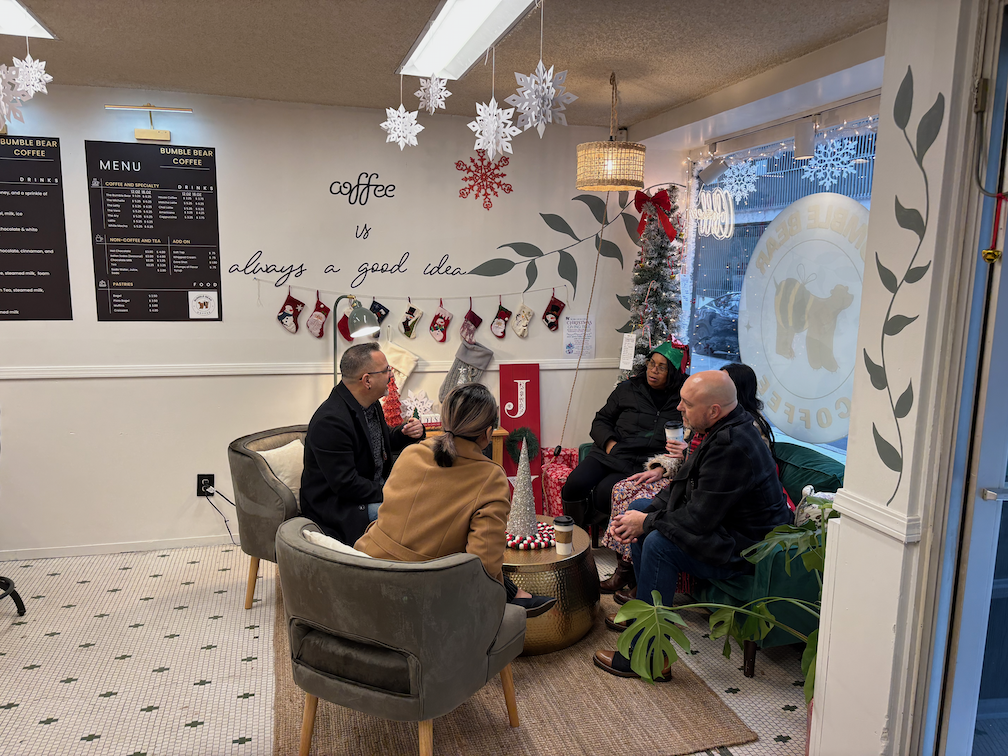
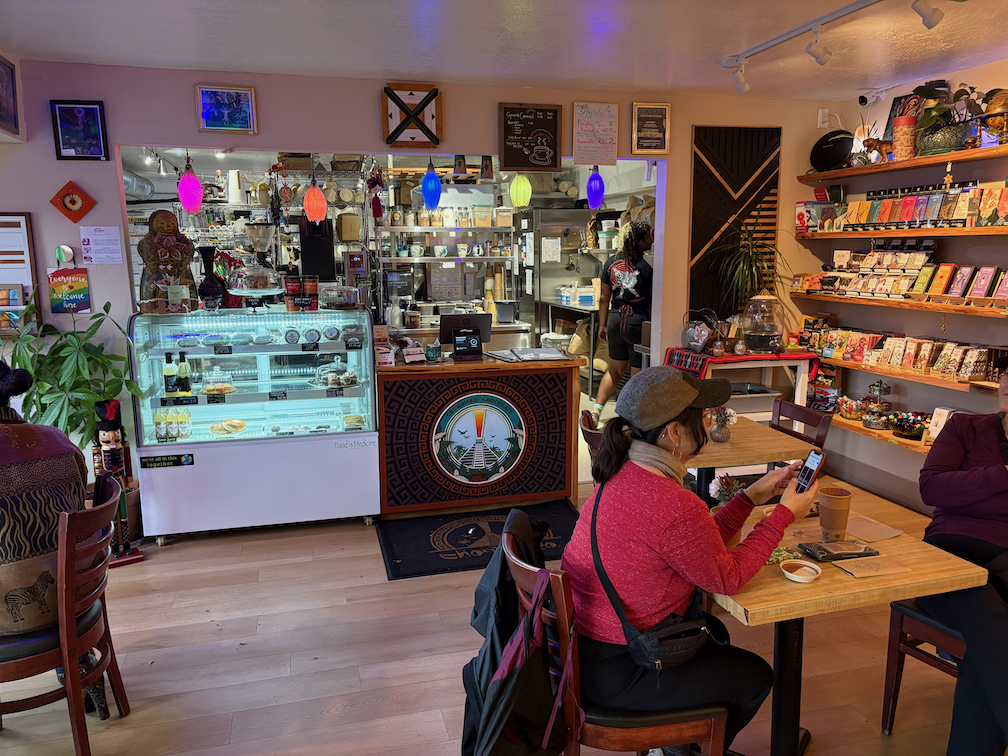
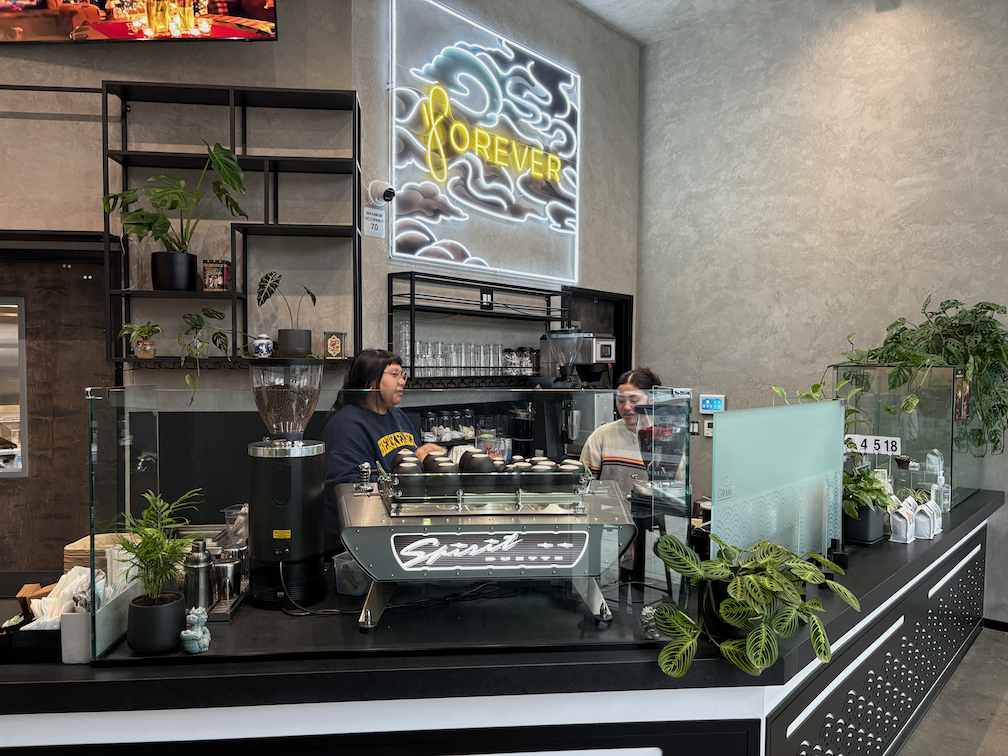
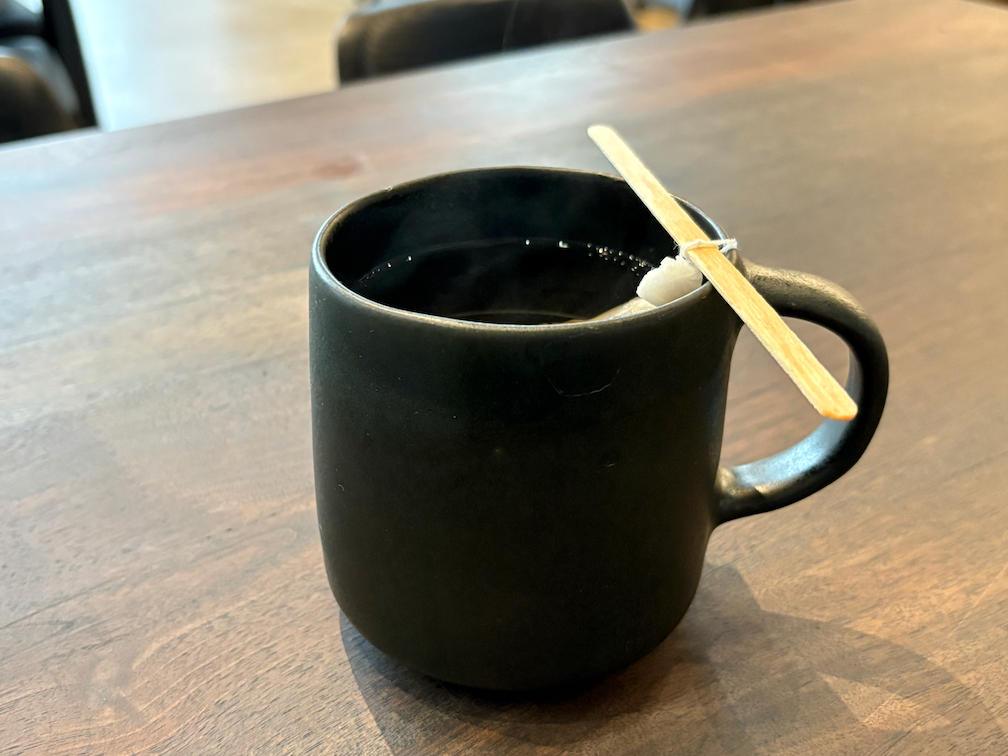
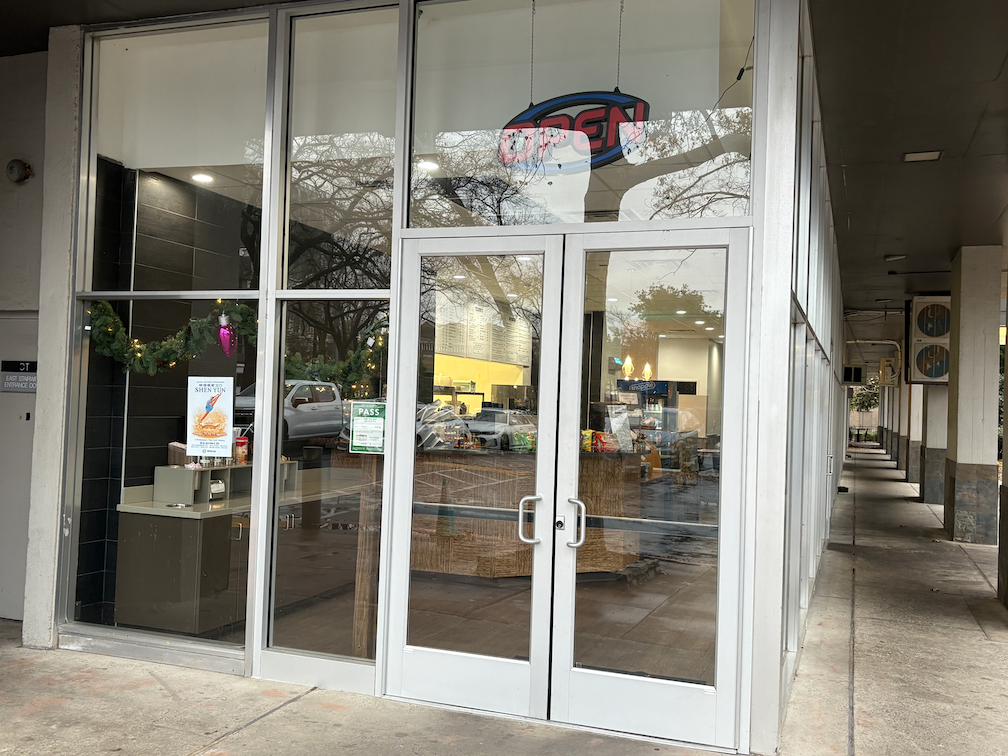
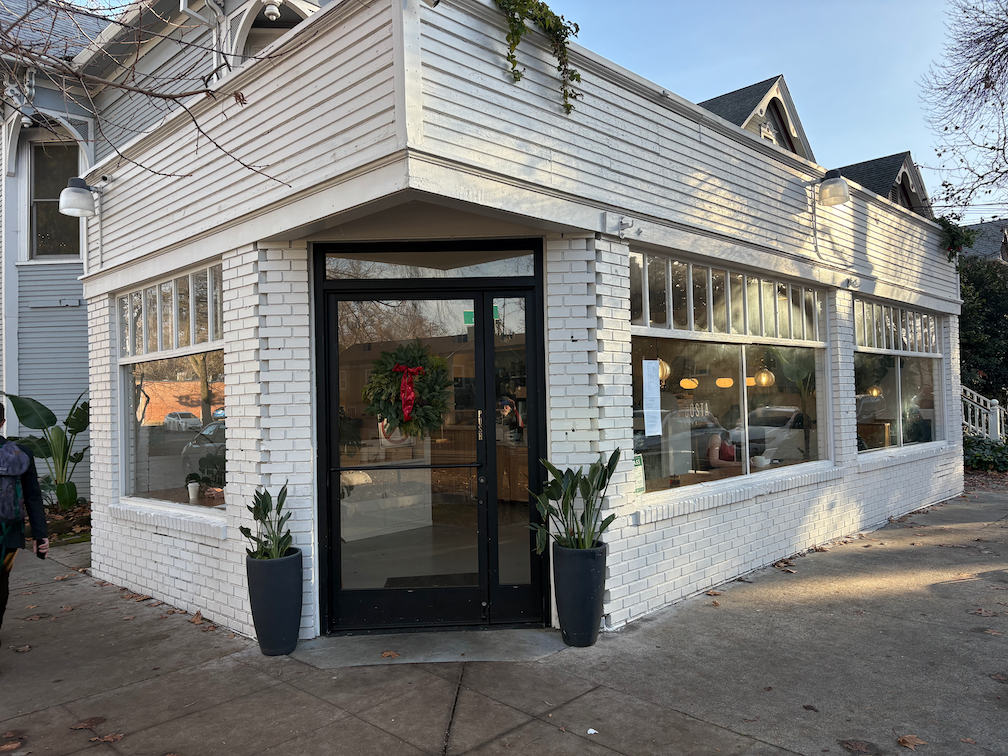
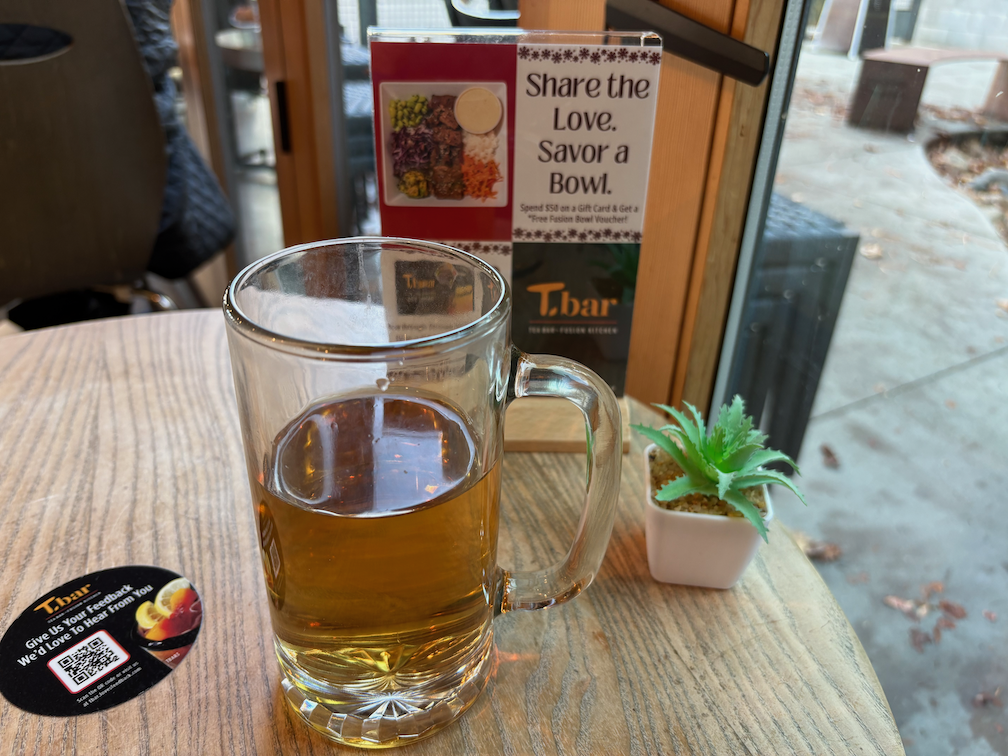
I first posted on coffee shops on the grid in April 2023, and have made minor updates since then. Time for a more significant update, as there are a number of new coffee shops, and a few have gone. I visited each new coffee shop, and re-visited about half of the older ones. 44 is my current count. The text below is largely the same as the original post, with some minor updates.

table of grid coffee, 2024-12, not clickable

Though the links in the png above look clickable, they are not. You must use the xlsx or pdf versions for links. The columns are what interested me. Reuse means they offer reusable cups for tea and coffee service, outdoor means they offer outdoor seating, and tea indicates my take on the number and variety of teas offered. Hours are to the best of my knowledge, but will vary and change.

Disclaimer up front: I don’t drink and don’t even like coffee, but I do drink and love tea, and the majority of coffee shops offer tea as well, but most other businesses do not. So I can tell you absolutely nothing about the variety or quality of coffee at any of these shops.

I have long believed that the frequency of locally-owned coffee shops is a key indicator of livability and walkability. Though I’ve not done the calculations, I think this measure would be just as effective a ‘walk score’ as the WalkScore offered by Redfin, which uses a complicated and proprietary algorithm to determine walkability, measured as distance to amenities. Note that WalkScore does not assess the walking environment such as presence or condition of sidewalks, and safety of crossing streets.

I live in the Sacramento central city, the area bounded by the Sacramento River to the west, Broadway to the south, Alhambra Avenue to the east, and the railroad tracks to the north. I have focused my coffee shop visits on this area. Though there are certainly coffee shops throughout the urbanized county, the number of locally-owned coffee shops drops off rapidly outside the central city. In much of the suburbs, there are only chain coffee shops such as Starbucks and Peets.

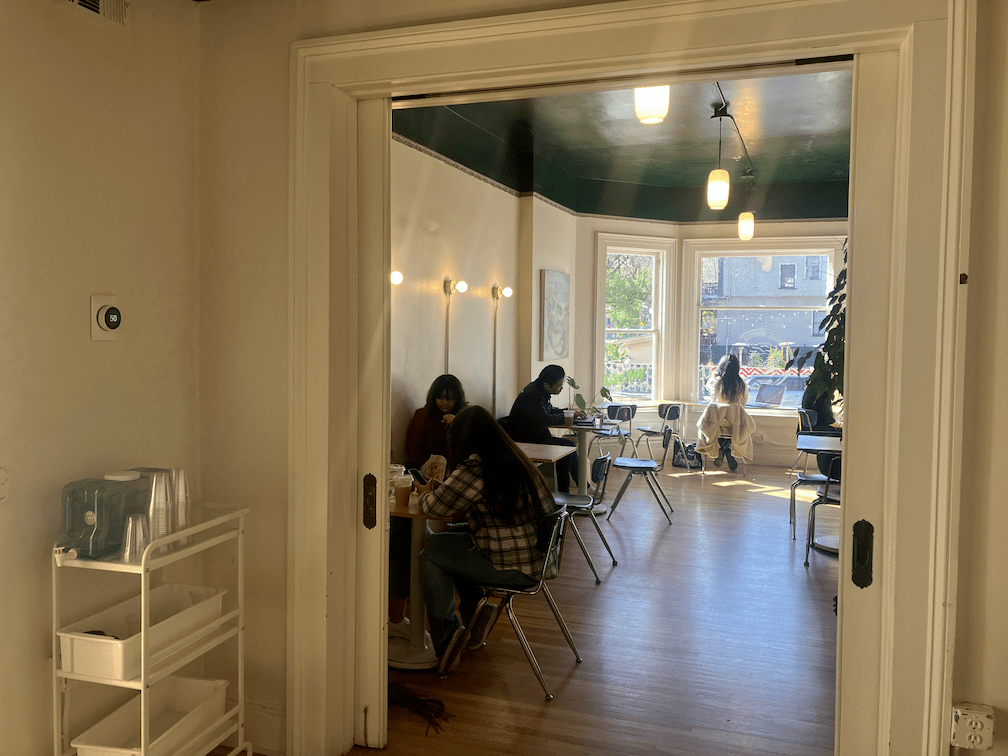
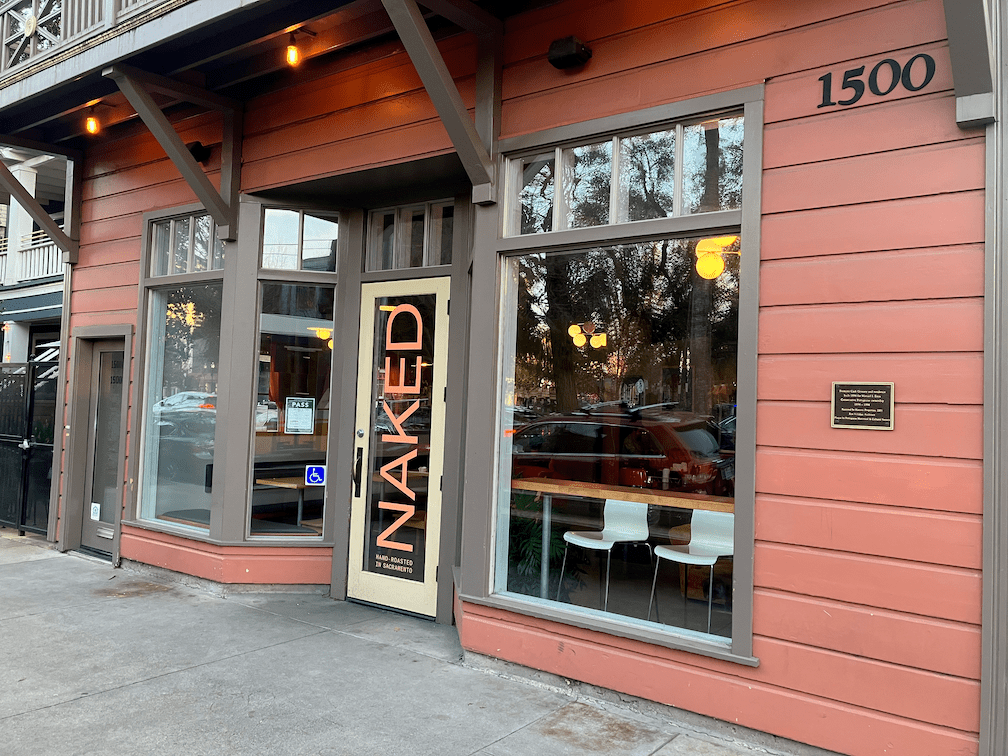
My preferred locally-owned coffee shop is Naked Lounge, on the southeast corner of Q Street and 15th Street, across from Fremont Park. I go there for tea, and for socialization. For those who remember ‘the old days’ when people socialized more and spent less time on their computers, yes, I miss those days. Some days I write in my journal, some days I read, some days I talk to people. I decided to no longer take my laptop to coffee shops, so that I could focus on the above.

If you also like to drink tea at home, as I do, I recommend Tea Cozy, 1021 R Street, next to Fox and Goose, with a very large and diverse offering of bulk and packaged teas. And in Davis, Mishka’s Cafe, 610 2nd Street, offers a selection of brewed tea unparalleled in the region, so far as I know.

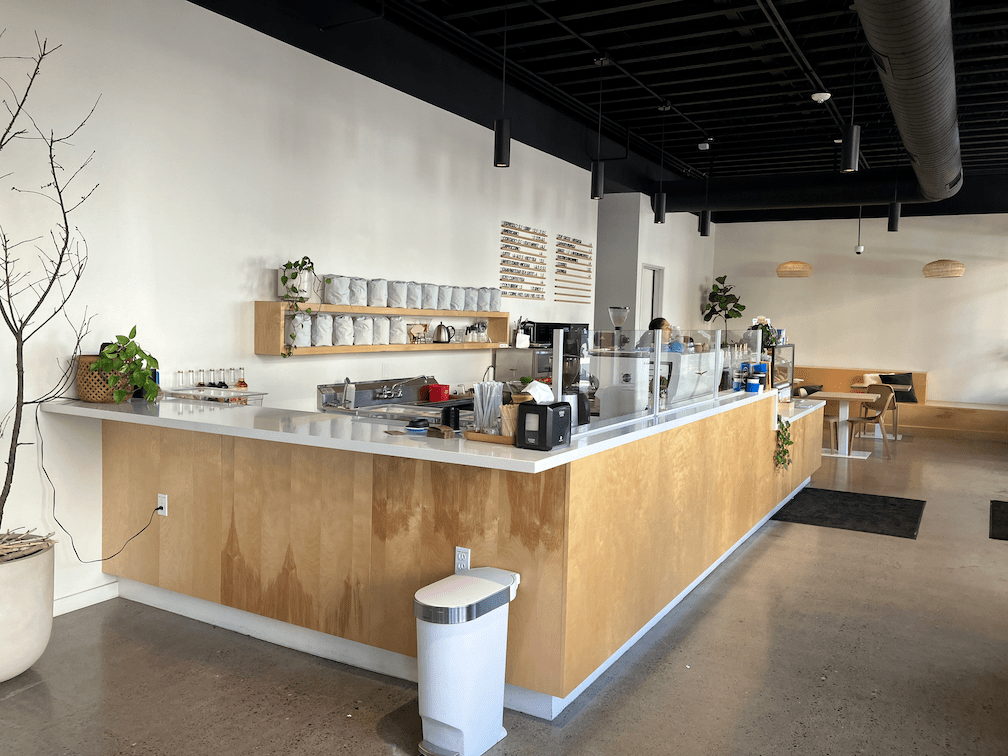
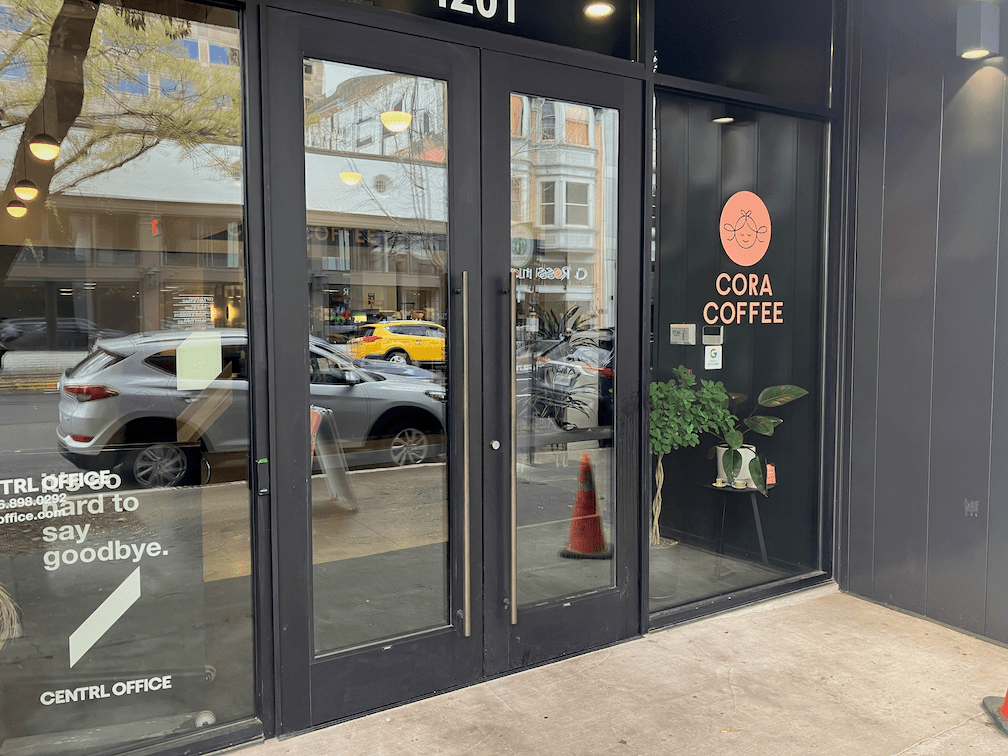
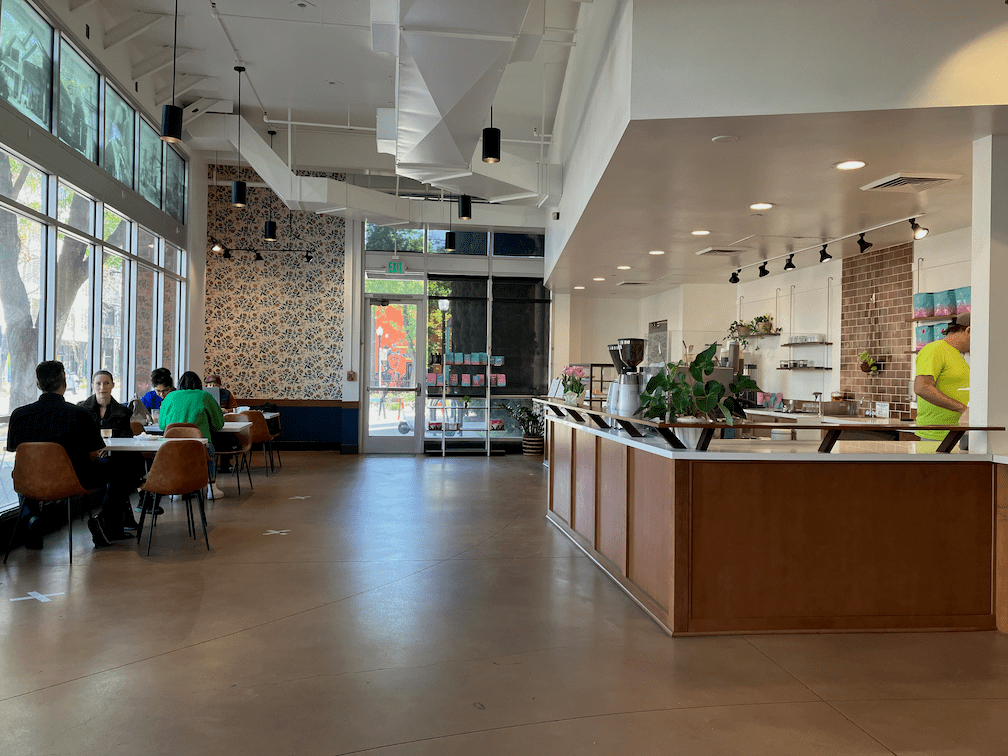
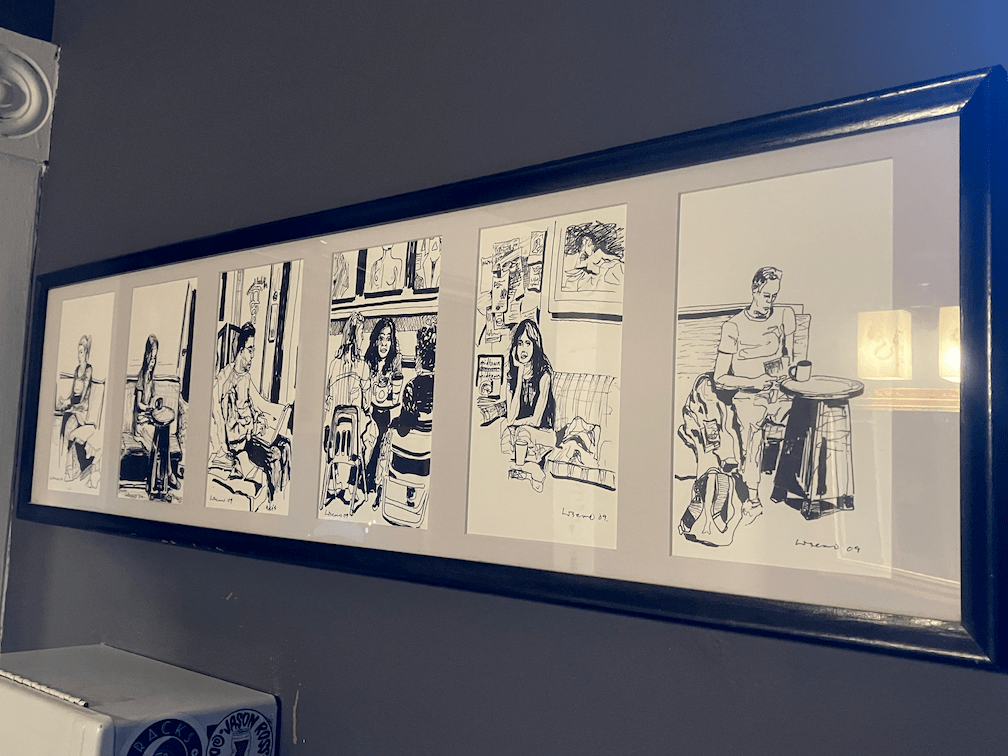
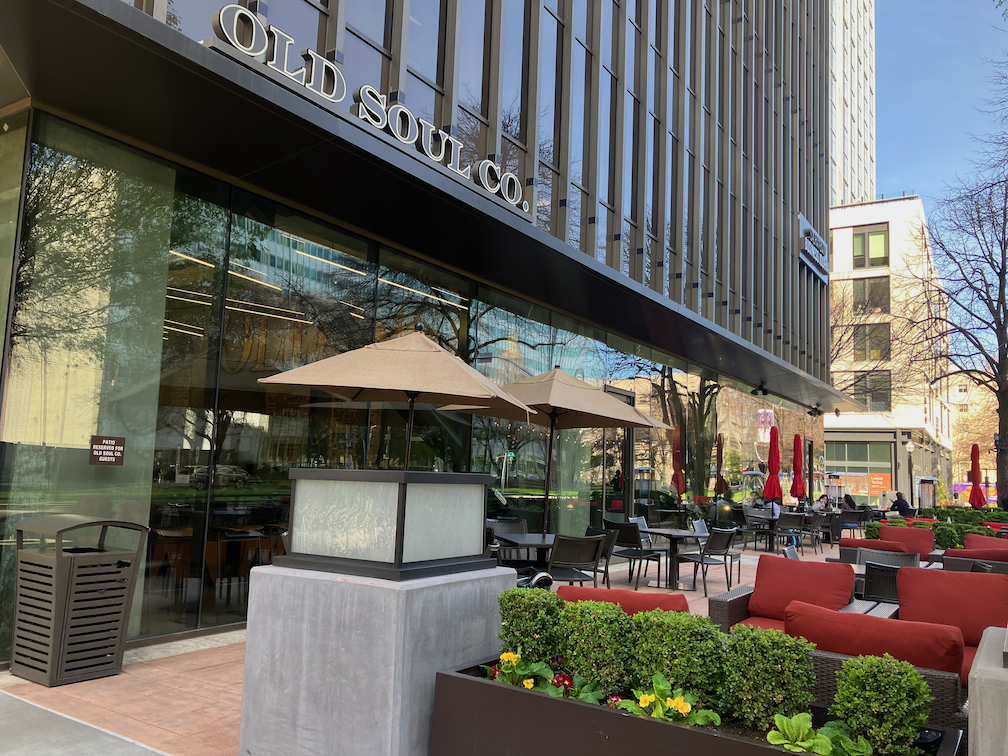
I changed from a slide show to a gallery for coffee shop photos, so that they could be captioned, though that work is only partially done.

CalBike’s Agenda for 2025

A number of organizations have come out with agenda’s for next year, and I’ll cover a few of those in several posts. First, CalBike. I participated in CalBike’s agenda reveal on December 3, and it was disappointing. Mostly videos of talking heads about the past, not much about the future. The breakout I participated in was dominated by a single person who wanted to talk about specific locations and wouldn’t let anyone get a word in edgewise about policy. But CalBike now has a page dedicated to CalBike’s Agenda for 2025, which is clearly presented. CalBike has organized support statewide for progressive legislation which encourages bicycling and makes it safer, and has supported legislation for walkers as well. There isn’t an active statewide organization for walking, unfortunately.

The agenda lists:

  • bicycle highways
  • shared streets
  • quick-build pilot
  • bike omnibus #2
  • bicycle safety stop
  • new bike boulevard classification
  • e-bike policy

Though e-bikes modified to be (illegal) motorcycles is not a big problem in Sacramento area, yet, it is in other places. San Francisco, where I am right now, is full of deliveristas on bikes that have pedals and chains, but top out about 40 mph. In the Lake Tahoe region, it is rich high school students. I’d like to see legislation to clearly define what is and is not an e-bike, and make sure high speed devices are banned from bike lanes and bike facilities. It is already illegal (AB 1774 Dixon, 2024) to modify an e-bike for higher speeds, or to sell devices which bypass design speed, but of course enforcement is uncertain.

The bicycle safety stop should be a no-brainer, except of course that Newsom and CHP probably don’t have brains. Treating stop signs as yield signs, slowing and yielding when necessary, is what almost all bicyclists already do, and there is nothing unsafe about it. Research has indicated that the rate of full and complete stops at stop signs is nearly the same for bicyclists and drivers, but when bicyclists stop, then are in danger of getting hit from behind by drivers not stopping, and the energy to get started again is significant, not just a press of the gas pedal.

Shared street standards are a good idea. Many locations have implemented shared streets, with different designs. As a new idea to be experimented with, wide variation was OK, but enough is known about designs now to create a standard. Some cities have continually lessened the protection and messaging on shared streets (or removed them completely, in the case of Sacramento), and standards would help prevent this erosion. I think shared streets should be more common that ‘regular’ streets. Shared streets are where people live, regular streets are where people drive.

I’m not sure whether state-recognized quick-build designs would help much. Cities are already doing these projects, and the best thing Caltrans could do is get out of the way.

photo of Sacramento 26th St slow & active street, since terminated
Sacramento 26th St slow & active street, since terminated

what now?

It is Winter Solstice today, December 21. It seems like a good day to write the ‘what now’ post that I’ve been thinking about since the election. I’m not religious, so the four ‘sun-days’ of the year, two solstices and two equinoxes, are my main celebrations. And sometimes, but not as often, the cross-quarter days of Imbolc, Beltane, Lughnasadh, and Samhain (Halloween). I’m in Santa Cruz today to celebrate the solstice with good friends, fortunately this year on a weekend. I used to work and live in Santa Cruz, years ago now, but many of my best friends are here. Of course I got here on train and bus and bike. Santa Cruz has about the same number of coffee shops per capita as central city Sacramento, but they are busier here. I’m sitting in a coffee shop, drinking tea. I’ll do a update post on grid coffee soon.

I was very depressed by the 2016 election, but less so this time. Why? Because in 2016 I was uncertain. This time I’m not, I know we are in for a very dark four years. At the national level, things will suck for everything I care about, in transportation and equity. Many of my friends, both in transportation advocacy and otherwise, were far more depressed than I. I was in a personal growth seminar the day after the election, and some people were immobilized with depression. I understand.

But at the local level, I feel more hopeful. I don’t feel as though I do or can have much of an influence for better at the national level, but I do see positive influence and action at the local level. The parting of ways with Howard Chan was definitely a bright spot for me. And the organizations which support the same things I do and working hard on making Sacramento, both city and region, a better place.

I can’t do better at explaining than the Strong Town process, below. Of course this process is about way more than just transportation, it is about everything that makes a place, our place, a livable, vibrant place.

The other major thought I have is that most people will be harmed by Trump, both those who voted for him and those who did not. He is a vindictive, authoritarian person, who cares primarily for himself, and to some slight degree, for his rich powerful friends. No matter what he says, his actions indicate that he does not care for other people. So this will be a bad time for everyone, as he and his sycophants work to undermine everything that is good about our country. He intend to break everything, without having a better idea to put in place.

It would be tempting to blame what goes wrong on the people who voted for him, but I will not. They will be hurting, just like the rest of us. They deserve our empathy and forgiveness. Not that we need to give in to what they voted for, but to recognize that all humans, all life, are the victims here.

Our lives are affected by what happens at the national and international level. There is clearly a trend in many parts of the world towards fascism. But at the local level, there is work to do, past harms to heal, people to celebrate, people to listen to, people to see as neighbors no matter who they voted for. Obviously I do work in this blog, but coming to coffee shops to talk with people is also part of the work.

Amtrak lost and never found

As readers may know, I travel a lot by train and throughway bus, especially on the Capitol Corridor (Sacramento to San Jose), the San Joaquins (Sacramento or Oakland to Bakersfield and bus to Las Vegas or LA), and the Amtrak long distance trains.

Over the years I have lost a few items on the trains and buses, perhaps 15. Not a lot, but mostly things that were important to me. Back in the old days, lost and found was handled through the end point stations, or which Sacramento was one. In the new days, it is handled through a reporting system that contracts with ChargerBack for lost and found tracking.

I have never gotten back a lot item. Not once. Never. My most recent loss was on a bus from Las Vegas to Bakersfield, connecting to the San Joaquins back home to Sacramento. Though the bus is operated under contract, and serves Amtrak, Flixbus and Greyhound tickets, Alvand Transportation said they do not handle lost & found, it is handled by Amtrak. It took a long while to find the contact info for lost & found, on the Capitol Corridor website, not on the Amtrak website, and here it is: https://www.amtrak.com/onboard/baggage-policy/reporting-lost-items.html.

I have to assume my experience is typical. What happens to the items? Are they just discarded, or do they go home with Amtrak employees or contractors? I don’t know. What I do know is that they are not ‘found’.

So if you travel on Amtrak services, which includes state funded routes such as Capitol Corridor, San Joaquins, Pacific Surfliner, or Amtrak national long distrance trains, or connecting bus service, double-check, triple-check, before you get off to make sure you haven’t forgotten anything. Sometimes the conductors will remind passengers to check around their seats, in the overhead bins, or specifically, for phone chargers, which seem to be frequently left behind. Take it to heart.

school district housing

SacBee: Sacramento-area school district to build affordable housing for teachers, employees; https://www.sacbee.com/news/equity-lab/article296894224.html.

This SacBee article from December 11, 2024, highlights a Twin Rivers Unified School District project to add workforce housing for beginning teachers and other school district employees. Though it is less of a problem in the Sacramento region than in many cities, teachers and other employees on the lower end of the income scale can often not afford to live near their school because rents are too high.

With shrinking student populations in most, though certainly not all, of the school districts in the Sacramento region, there are empty or underutilized school district property that could be used for housing. While I worked for San Juan Unified, I encouraged the district to explore this option, as the district has many school sites that are unused, or only partially used for special programs. In fact the district office has a vast parking lot that used to be a bus yard and now grows weeds.