NACTO street designs

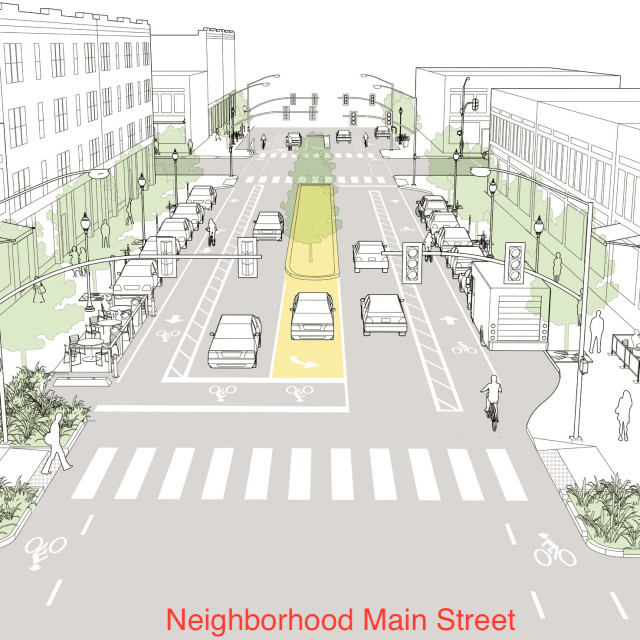
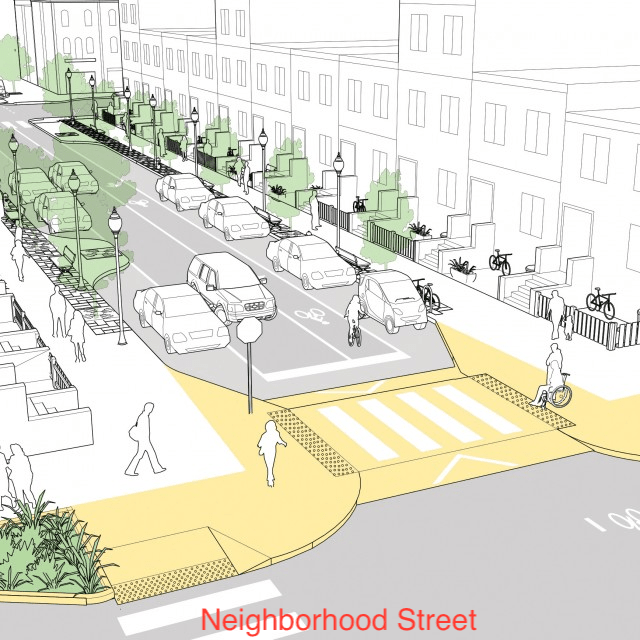
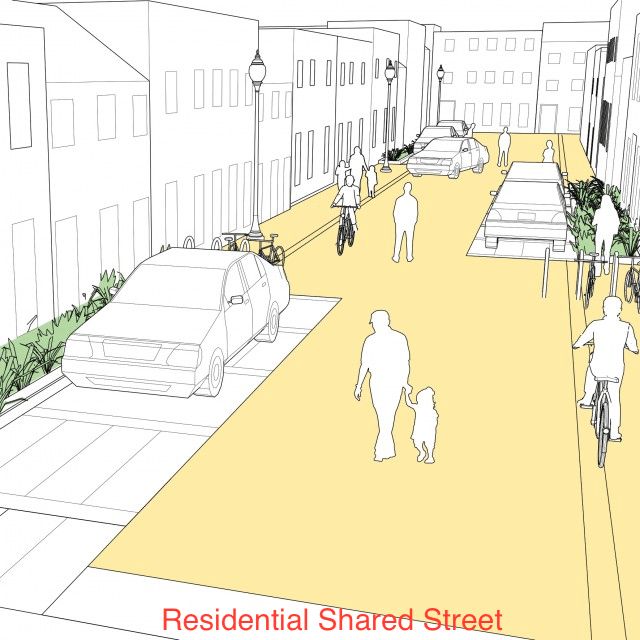
I started posting NACTO street design typologies, from the NACTO Urban Street Design Guide, to Instagram, but realized this was an inefficient way to promote these. So, these are the 13 designs, presented in a slide show, in the same order as the NACTO page.

Rather than rely on these thumbnails, though, I very much encourage you to look at the pages themselves, starting in the Streets section. The purpose of the designs is not primarily to show how streets might be designed from scratch, but how existing streets can be revised to be safer, more welcoming, and more economically productive. Several of the designs have before and after diagrams. Many of the diagrams have callout numbers linked to details that might not be immediately obvious. The illustrations are based on suggested roadway width and right-of-way width. All of the designs have background information and references to locales where they have been implemented.
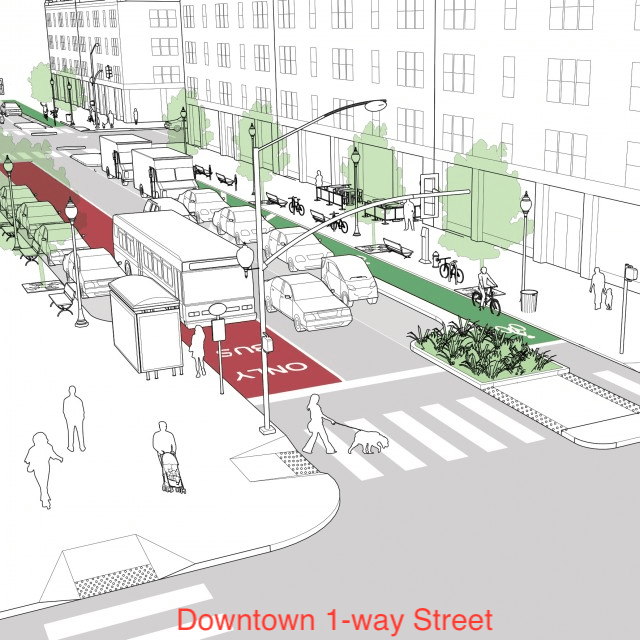
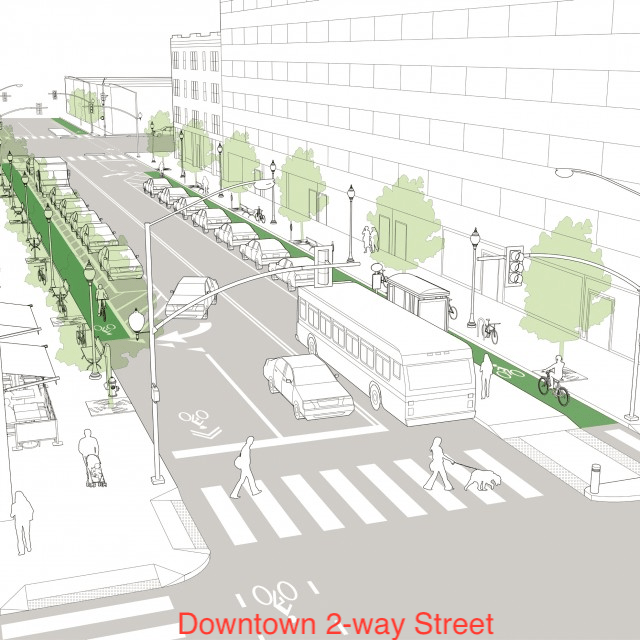
The Strong SacTown Street Design Team has continued to work on street designs and classifications, and will propose a much simpler, probably four-part, design scheme. A simple classification will communicate clearly to planners and engineers, and the public. Nevertheless, it is educational to look at the full set of NACTO designs and giving thought to what kind of street you want to live on, and travel on. When the Strong SacTown designs are complete, I will link to them.
SacCity street design ideas

I have decided to start a series on street design ideas and standards, as a support for the City of Sacramento update of its Street Design Standards, due to occur this calendar year. I would hope that the city would actually engage citizens and transportation experts in the development of the standards, though it is more likely that the city will present a late-draft-stage document for review. In either case, I hope to educate the public about what good street design looks like and functions like, so that they can provide useful input and demand the highest level of design safety and innovation from the city.

The posts will be available under the category ‘Street Design Standards‘. Though this is a subcategory of City of Sacramento, the posts will almost entirely be applicable to any city or county.

First up, existing design standards and concepts. The horrible state of our transportation system is due in large part to the practice of traffic engineers using highway design ideas on urban streets. These designs have encouraged traffic violence, reduced the livability and economic vitality of cities, and created infrastructure that we will never have the funds to properly maintain. And, most importantly, then have killed millions of people and maimed at hundreds of millions more.

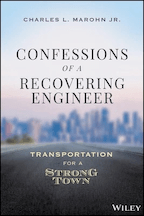
If you have not read it yet, I can’t more highly recommend Confessions of a Recovering Engineer by Chuck Marohn, founder of Strong Towns, for a review of the traffic engineering malfeasance and embedded but never explicit values that got us to this point.

There are a number of existing publications and resources for designing streets, some of them useful, and some us them which got us into this mess to begin with. Here are the ones I recommend that the city use, and not use: