I have been a follower of the Strong Towns blog since 2008, and founding member when it became a formal organization. It has strongly influenced my thinking about transportation, land use, and housing. I recommend to everyone that you check Strong Towns out.
What really got Strong Towns off the ground is the concept of stroad, a roadway which is neither a street nor a road, but something in between. As is said, it is the futon of roadways, something that is neither a comfortable bed nor a comfortable couch. Strong Towns defines streets and roads as follows:
- Streets: The function of a street is to serve as a platform for building wealth. On a street, we’re attempting to grow the complex ecosystem of businesses and homes that produces community wealth. In these environments, people (outside of their automobiles) are the indicator species of success. Successful streets are environments where humans and human interaction flourish.
- Roads: In contrast, the function of a road is to connect productive places to one another. You can think of a road as a refinement of the railroad — a road on rails — where people board in one place, depart in another and there is a high speed connection between the two.

In the Sacramento region, and really almost everywhere, streets designated as arterials and most collectors (in the Functional Classification System) are stroads. They have speeds too high for people to be safe and comfortable. They are often called traffic sewers, that flush traffic in and out of central cities every day. But they are also populated by businesses and public amenities such as schools, with so many driveways and turning movements that they can’t possibly function as high speed roads.
The reason this concept is so important right now is that transportation agencies try to make stroads better by turning them into ‘complete streets’ but do so with a poor understanding of the difference between a street and a road, leaving roadways that accommodate all modes (walking, bicycling, motor vehicles) but still don’t really work. Most complete streets are still stroads. And much of the proposed Measure 2022 sales tax measure for Sacramento County is invested in this flawed concept. So the next two posts will address those issues.
For a good introduction to stroads, see the Strong Towns page Slow the Cars, or Chapter 2 of Confessions of a Recovering Engineer.

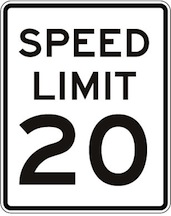 Reduce speed limit: Reduce speed limits throughout downtown/midtown to 20 mph. Of course simply reducing speed limits does not ensure that actual speeds go down, unless other measures are taken. The removal of three-lane and one-way streets will help a great deal, since these are the streets that most encourage speeding. Other changes suggested below will also slow traffic. I think, however, that the primary change will be a change in attitude, in cultural values. Once a place becomes more livable, people will focus more on being there instead of going through there to somewhere else. I see the whole pace of life in downtown/midtown as being slower, living at the pace of a walker, or even the pace of a casual conversation, rather than at the unnatural pace of a motor vehicle.
 Getting Around Sacramento