Dan Allison, author of this blog, took a trip to San Rafael, California, in north bay Marin County, on Monday of Week Without Driving. To be transparent, I have been car-free for over 13 years, and car-light for about 7 years before that, so a trip on bicycle and public transportation is just the way I live life, not an exploration of the challenge that people who can’t drive face. My income is lower middle income, so I have enough money to travel, at least locally. I went to San Rafael to retrieve my phone charger and battery pack that I’d left on a Marin Transit bus last Wednesday. It took three days for Marin Transit to find the item and get it to lost and found. It was entertaining, and sad, to watch the included AirTag travel around on multiple bus routes. AirTags are bluetooth, so only report when they are close to a modern iPhone, but they do keep showing up in new locations.
So, the Monday trip:
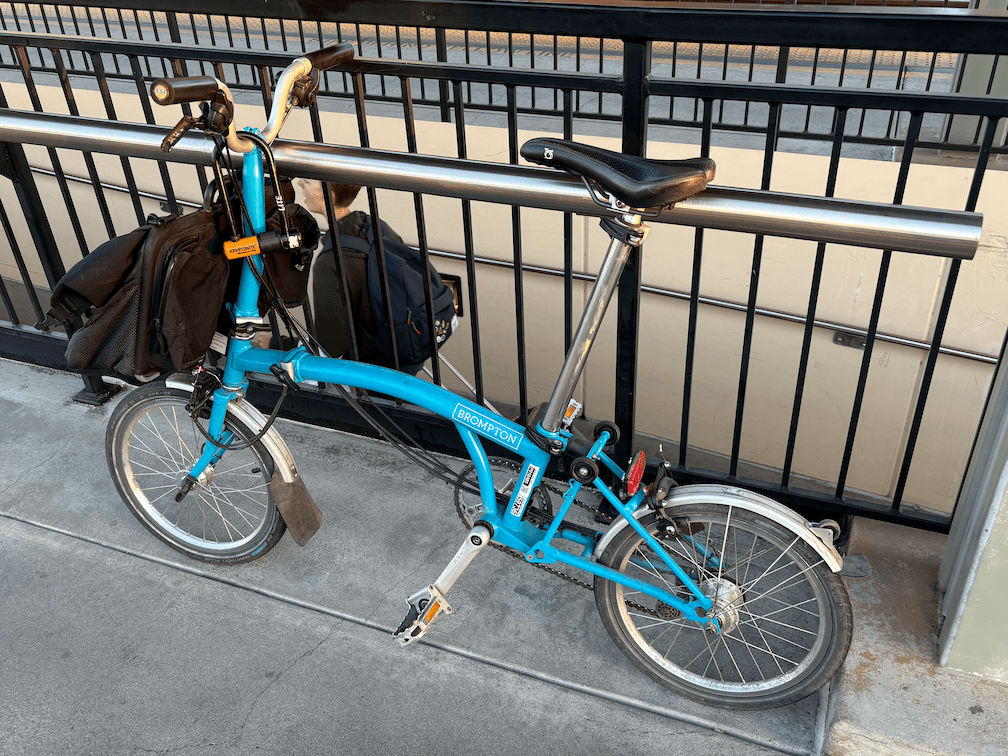
- bicycle from home to Sacramento Valley Station
- Capitol Corridor train from Sacramento Valley Station to Richmond Station, $22.95
- BART from Richmond to El Cerrito del Norte, $0.85
- Golden Gate Transit bus 580 from El Cerrito del Norte to San Rafael Transit Center, $3.50
- bicycle to a local coffee shop, where I worked on Week Without Driving communication
- bicycle to Sprouts Farmers Market for lunch supplies
- bicycle to Larkspur Ferry
- Golden Gate Larkspur Ferry to San Francisco, $7
- bicycle to San Francisco Bay Ferry gate G1
- San Francisco Bay Ferry to Oakland Ferry, $2.30
- bicycle to Oakland Jack London Station
- Capitol Corridor from Oakland to Sacramento, $24.65
- bicycle from Sacramento Valley Station to home
All of the public transportation was using my senior Clipper Card, on my watch. Capitol Corridor train travel was pre-purchased tickets through the app. The total was $61.25, which is rather expensive for a none day trip, but is quite a bit less than I would have spent driving. At about 83 miles there, and about 105 miles back, using the IRS rate of $0.67 per mile, driving would have cost $126. Plus $17.25 for Golden Gate Bridge and Carquinez Bridge tolls. Most people think only about gas costs, or charging costs, and forget about depreciation, insurance, maintenance, parking, and tolls.
Travel time is hard to compare, since I made so many stops along the way, and did not travel by the most direct route. Looking at the simpler Sacramento to San Rafael trip, driving would be 1 hour 20 minutes, whereas I spent about 2 hours 20 minutes on public transportation.
This is a trip that I’ve taken many times, so there was very little planning involved, and in fact I changed my plans for the leg back home several times on the fly, without problems. Less familiar trips would take more planning.
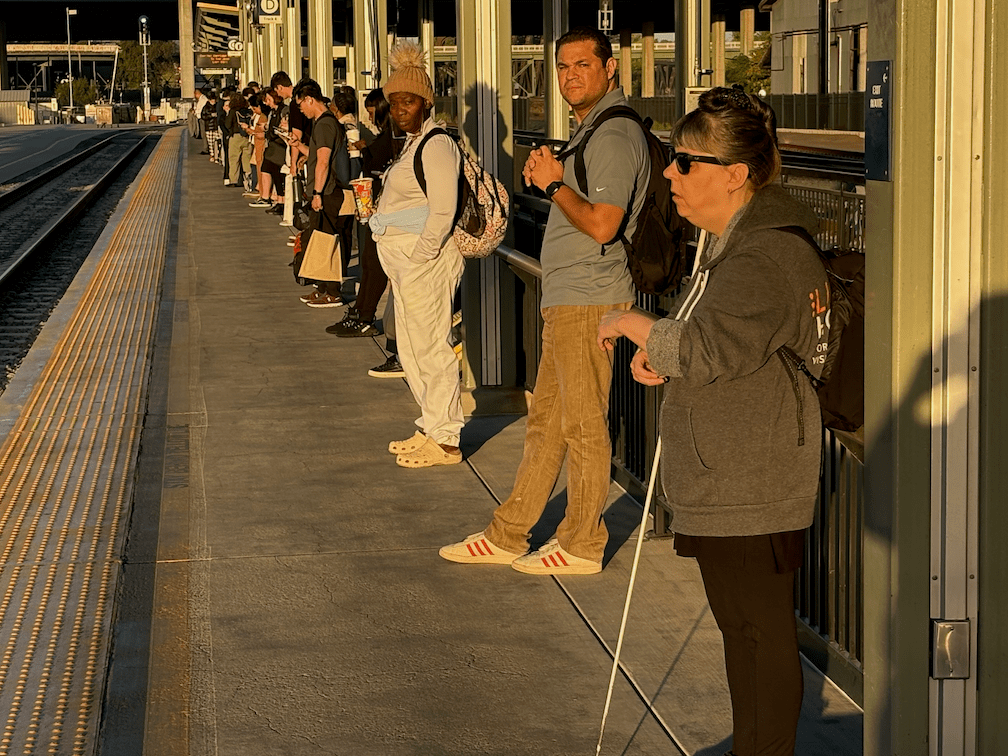
A few photos from my trip are below, but many parts are missing. I’m not used to documenting my public transportation travels, and even less for selfies.



 Getting Around Sacramento