The Caltrans/California State Transportation Agency 2024 California State Rail Plan (2024-12) is available for review. An earlier draft emphasized hydrogen trains to the exclusion of overhead catenary wire electric trains, but the current version includes catenary, battery electric and hydrogen fuel cell electric.
From the registration page: “The newly released State Rail Plan lays out strategies that can significantly impact how Californians and visitors get around the state – and can make California a place that’s easier for everyone to get around in an affordable, low-carbon, safe, and accessible way. The plan establishes a long-term vision for an integrated, cohesive statewide rail system that offers passenger and freight service and helps achieve California’s mobility, economic, and climate goals. Tune into this webinar to learn about the plan from California State Transportation Agency staff. Researchers and advocates will give their reaction to the updated plan including cost analysis, the political changes needed to implement reforms, and upcoming funding and reform opportunities.”
Whether or not you can attend this webinar, I encourage you to read the 2024 California State Rail Plan, focusing on the routes or concepts that are most important to you.
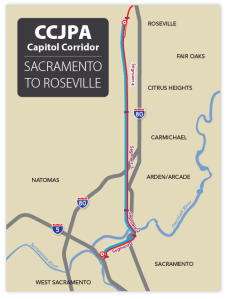
The Capitol Corridor, Sacramento/Roseville to San Jose, is called out for electrification, but the source power is not defined. Capitol Corridor is not specifically a single project, but part of several projects including Transbay Crossing, Leveraging Mega-Investments, Sea Level Rise, and Sacramento and San Joaquin Valleys. In stages, Capitol Corridor service is planned to reach once per hour in the mid-term, and once per 30 minutes in the long term. Current service is one hour at peak times of day, but two to three hours at other times.
Many transportation advocates strongly support catenary electrification of the Capitol Corridor route between Sacramento and San Jose. I have also advanced the idea of state purchase of the rails in heavy passenger rail corridors, which would include Capitol Corridor, either through willing seller or condemnation if necessary. Freight rolling stock would still be owned and operated by the railroads, but passenger trains would now have priority over freight trains, and the freight railroads could not resist catenary electrification.
I hope to provide more detailed analysis of the state plan in the near future.
My last major trip for the Week Without Driving was a trip to San Francisco.
Friday, I walked from a transportation safety meeting to Sacramento Valley Station, and caught Capitol Corridor train to Richmond, then transferred to BART into San Francisco Embarcadero Station, and walked to Trader Joe’s and then to the Hostelling International hostel near Union Square. That evening I walked to San Francisco Playhouse to see The Play that Goes Wrong, only two blocks away, which is why I stay at that hostel when I’m seeing a play.
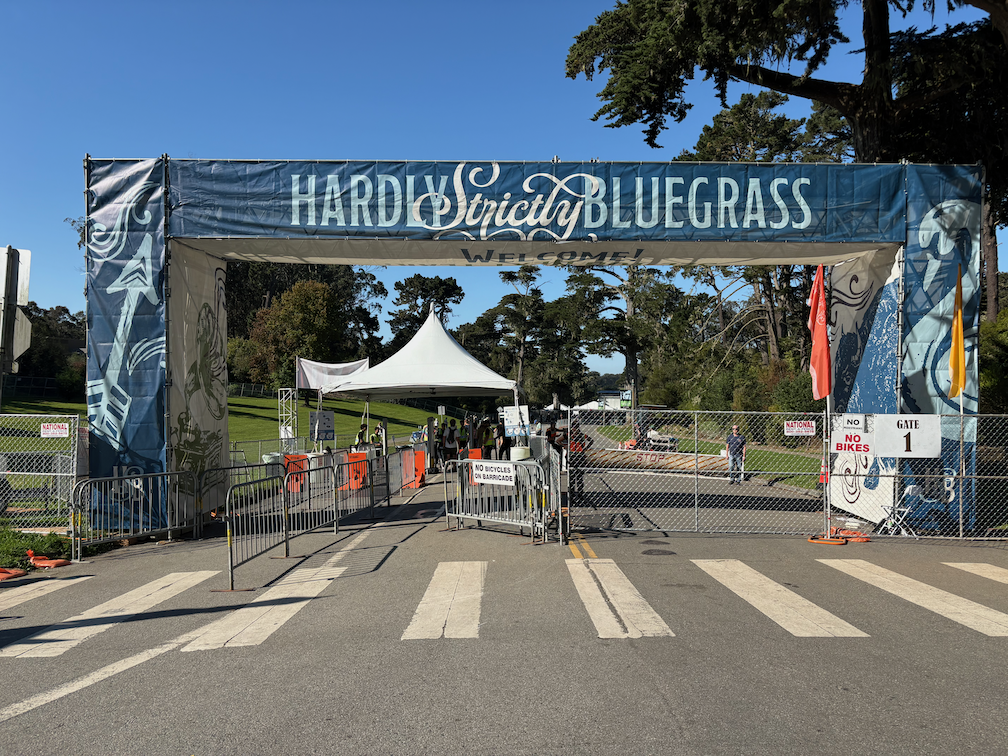
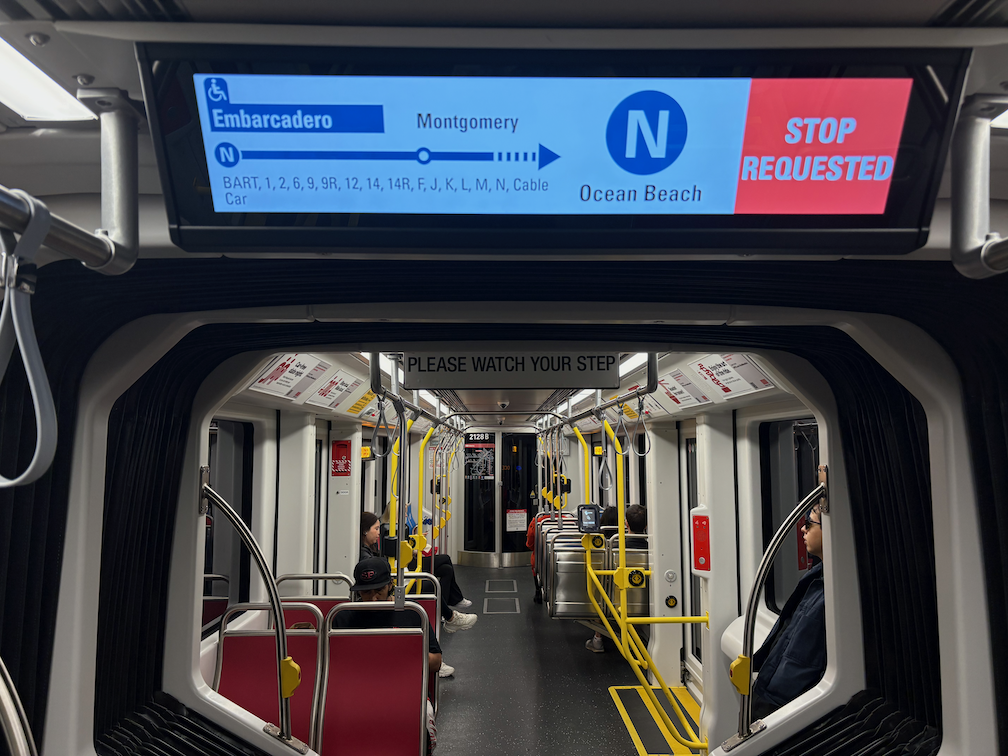
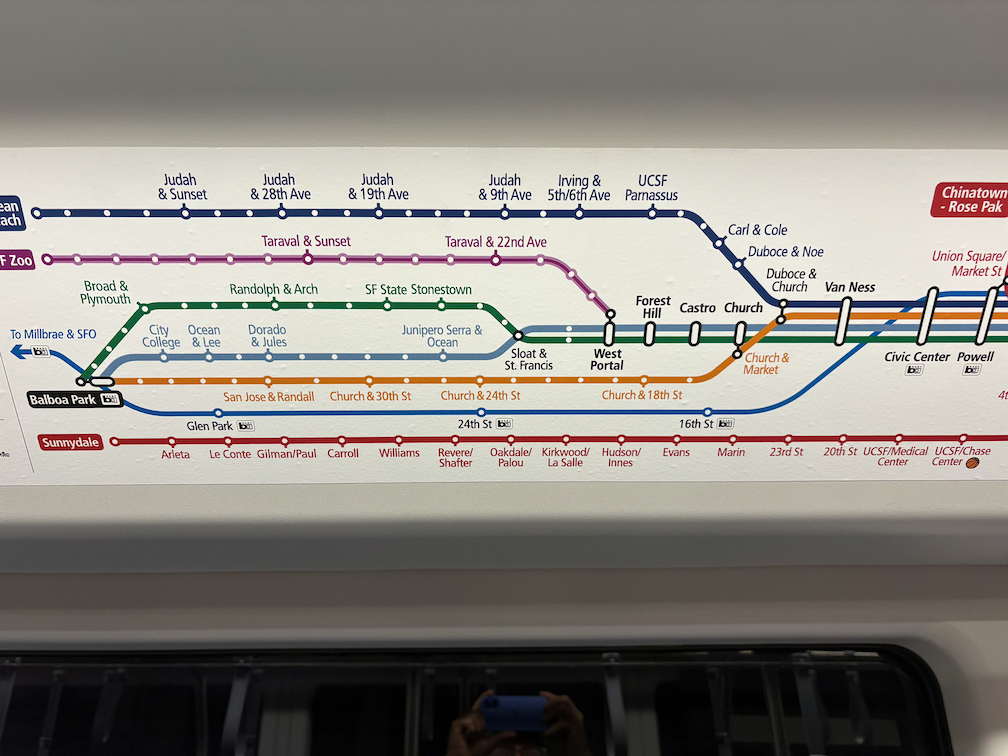
Saturday morning I walked to the Ferry Building farmers market to grab a few picnic items, then took Muni Metro N Judah light rail to 9th & Irving. From there I walked into Golden Gate Park and to Hardly Strictly Bluegrass (HSB), a three day free festival (I missed the first day due to the transportation meeting) that I’ve attended seven times since 2010 (the festival is 24 years old). I realized sitting on the grass that I really wanted a lightweight folding chair to Sunday, and other uses, so I took two Muni buses to Sports Basement in the Presidio, bought the chair, and then one bus back to Union Square area and the hostel.
Evening, I went to a contra dance in Oakland, Circle Left. Short walk to BART, BART from Powell Station to 19th St Oakland, walk to the dance center. I didn’t last the entire dance, because a hot day in the sun and dancing at the festival left me drained. Walk and BART and short walk back to the hostel.
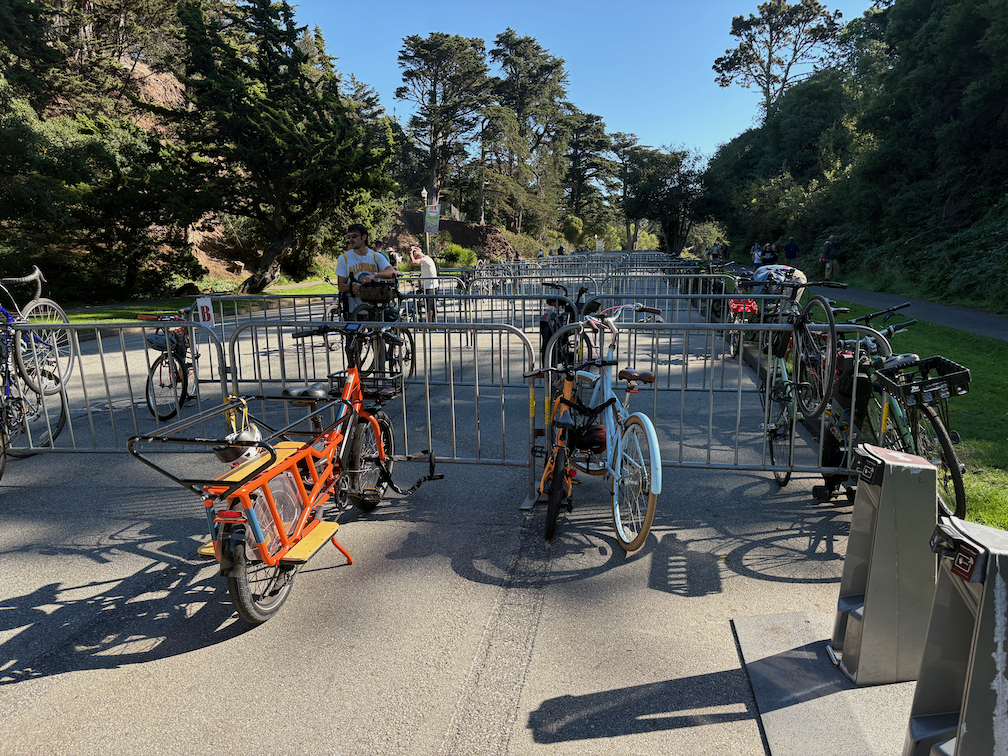
Sunday I again took Muni Metro N Judah to 9th & Irving, and walked to the Japanese Tea Garden, my favorite part of Golden Gate Park (among many), spent some while just being, and then had Hojicha tea. From there, a walk along JFK Promenade to HSB. The promenade is a long now car-fee route in the park, one of the best outdoor spaces in the city. The day was slightly less hot, but no less sunny, so in between main stage performances, I wandered to shadier stages (six stages total). The closing act by Emmylou Harris draws the biggest crowd of the festival, and of course I joined the many dancers on the grass to the left of the stage. Everything over, I walked out of the park and caught N Judah back to Union Square to pick up my travel pack left at the hostel, then BART to Richmond.
I missed the Capitol Corridor train that I intended to catch, so had to wait for the last. For an unknown reason, this last train was scheduled for an hour later than normal. The last train is often delayed to accommodate people attending the 49er’s game, or other major sports events, but the game on Sunday was an afternoon game, so the delay made no sense. And then the train was late. The plus was that I met and talked with several people on the platform who had also attended HSB. The train got me home after midnight, and I walked back home (there is no light rail service after 11:00 PM).
I do tend to cram in as many activities as possible when I take trips to San Francisco and the Bay Area, and this weekend was no exception. A big part of what enables this is the great transit system in the Bay Area. Not perfect, but great. Could I have done all this with a car? No, because I’d have spent so much of my time looking for parking that I’d have missed other activities, and paid more for parking than I spent on the entire trip travel.
I plan almost all of the travel with the Transit App, and pay for all of my transit in the Bay Area with a Clipper Card (on my watch). Capitol Corridor travel I buy in the Amtrak app, which is now easier to use than the website.
These are my three big trips during the Week Without Driving (a trip to San Rafael, a trip to Fair Oaks). I did a lot of bicycling and walking as well. I am not a person who has to walk, bicycle and transit. I do it by choice. Though having a car would probably eat up so much of my income that I’d likely end up living in my car. That is not a joke. If you look at areas in Sacramento where unhoused people are living, you will often see high value cars. I suspect paying for those very expensive cars is what pushed many people over the edge into homelessness.
Note: This post was rushed out and not well written, so I’ve revised it.
The Caltrans-led Yolo 80 Managed Lanes Project suggests adding roadway capacity to the Yolo Causeway in a number of different configurations. The project alternatives listed are:
No build: Alternative 1: This alternative does not address the purpose and need of the project by not making corridor improvements and relieving traffic congestion.
Build Alternative 2: Add a High Occupancy Vehicle (HOV) lane in each direction for use by vehicles with two or more riders (HOV 2+).
Build Alternative 3: Add a High Occupancy Toll (HOT) in each direction for use by vehicles with two or more riders (HOT 2+).
Build Alternative 4: Add a HOT lane in each direction for use by vehicles with three or more riders (HOT 3+) Lane in Each Direction.
Build Alternative 5: Add an Express Lane in each direction (everyone using the lane pays to use the lane, regardless of number of riders.).
Build Alternative 6: Add a Transit-only lane in each direction.
Build Alternative 7: Repurpose the current #1 general purpose lane to HOV 2+. No new lanes would be constructed.
Build Alternative 8: Add a HOV 2+ lane in each direction with I-80 connector ramp.
Of these alternatives, the only one which would not increase VMT (vehicle miles traveled) is #7, converting an existing general purpose lane to HOV 2+. Caltrans has on many projects claimed that state law does not allow this, but Yolo County forced Caltrans into including this option. All the other alternatives (except no build) would increase VMT ranging from a little to a lot.
It is true that the bulk of the motor vehicle traffic between Sacramento and Davis is not commuting traffic, but it is also true that the addition of commuter traffic to the background bay area to Sacramento and beyond is what causes the worst congestion episodes. Actually, the worst episodes are caused by traffic crashes, which none of these alternative would address. Caltrans sees traffic crashes as just part of the cost of doing business, and does not see reducing these as their responsibility.
The alternatives identified are missing two important ideas.
One alternative not mentioned is to increase service on Capitol Corridor between Sacramento and Davis to hourly or better, all day, over a longer range of hours. The trip on the Capitol Corridor takes only 15-minutes, about the same as the freeway when it is free-flowing, and far better than the one hour bus trip.
Many people have said that increasing passenger service on Union Pacific-owned tracks is impossible, because UP won’t allow more passenger trains without substantial taxpayer subsidies for track improvements. The Sacramento-Roseville third track project is basically a bribe to UP to allow some more passenger service. I don’t see this as a valid argument. Though freight railroads are regulated by the federal government, not the state, there are dozens of ways in which the state can put pressure on UP by withdrawing support and permission unless there is cooperation. UP net worth is $139B, large for a transportation company but very small in the world of corporations, while California is the fifth largest economy in the world. Are you saying that California has no leverage over UP? California could even buy out all UP tracks in the state, thereby solving the passenger vs. freight issue.
The second missed alternative is to subsidize high frequency bus service, 15-minute or 30-minute, on all weekdays, with a long range of hours, at least 5:00AM to 11:00PM. Service on weekends might be only hourly, but it would be a 30 minute trip without stops, rather than the hour-long Yolobus service. If Yolobus could afford to offer high frequency service between Sacramento, West Sacramento, and Davis, they would already be doing so. High frequency service could be offered for years on the same amount of money that will be wasted on capacity expansion for motor vehicles. The project alternatives do offer some support for buses, as buses can use HOV (high occupancy vehicle) and HOT (high occupancy toll) lanes, and alternative 7 even has dedicated bus lanes. But there is no mention of how this would be taken advantage of. If funding for buses is not increased, buses will not be a significant solution for the corridor.
Caltrans of course has no desire to fund non-motor vehicle transportation, despite slapping the ‘multi-modal’ label on everything they propose. As always in Caltrans District 3, walking, bicycling and transit are an afterthought, crumbs added if it doesn’t seem to interfere with private vehicles and commercial freight, not part of the project design criteria.
The Caltrans presentation on the project does not mention bicycles at all. There is an existing bike route all the way from Davis at Olive Drive offramp to West Sacramento at the Capitol Avenue onramp. There is a 3-mile Class 1 path from Olive Drive to county road 32A, then a shoulder on 32A, then a 4-mile Class 1 path to the edge of West Sacramento. There portion of the path on the elevated causeway bridge is in decent shape, but the asphalt part is seriously deteriorated. Whether the project means to improve the path or not is unanswered. To Caltrans, ‘multi-modal’ is just a catch phrase, not meant to be taken seriously. Even if this path is improved, the ride alongside the freeway will still be very unpleasant. The ultimate solution is to move the path north of the railroad, far away from the freeway.
Check the City of Davis, City of West Sacramento, and Yolo County pages on the project. Note that the alternatives listed, project description, and maps are somewhat different on each of these pages, because they were created at different point in time of the project planning.
It is not clear from any of the pages whether there is a still a chance for public input. Workshops were conducted in 2022. Whether or not there is still an open process, you can email Caltrans (Yolo80corridor@dot.ca.gov), City of Davis, City of West Sacramento, and Yolo County with your opinions.
Capitol Corridor has received more funds from the TIRCP (Transit and Intercity Rail Capital Program) for some projects in the Sacramento region. It includes full funding of the Sacramento Valley Station transit hub, additional funds for the Sacramento-Roseville third track project, and contactless readers for Thruway buses (presumable the same readers that have been installed on the trains, which will allow direct payment for trips once the Tap2Ride pilot is complete).
In today’s SacBee article by Tony Bizjak, California just got 125-mph trains. Here’s why they still can’t outrace your car, it is claimed that driving is less expensive than the train. The example given is Sacramento (SAC) to Oakland Jack London (OKJ) round trip. The article says “A price check by The Bee last week found basic Capitol Corridor round-trip train fares – with no monthly pass or other discounts – of $50 to $54 for the Sacramento-Oakland ride. That is typically more expensive than the cost of gas and vehicle wear and tear on a car drive that distance.”
First, the undiscounted Capitol Corridor ticket price is $58 round trip, though there are many discounts. But I’ll stick with the price of $58. I use the IRS mileage rate, 53.5 cents per mile for this year, to calculate driving costs. I hear people all the time claim that it costs them much less to drive, but realize that this is a real calculation the IRS does each year, and it IS the average cost. Unless this is Lake Wobegon, where all cars are “below average,” this is the best number to use. Driving from the Sacramento station to the Oakland station is 82 miles, so 164 round trip. Calculated cost is $0.535 x 164, $88. $30 more than the train. Of course this is a solo trip. If two people are going, then it is $116 train and $88 driving, advantage driving. However, once you arrive at Oakland, you have to find parking. There is no free parking within 1/4 mile of Jack London, and even that is places most people would not want to park at night. Parking rates in lots and decks (parking garages) is commonly $15 for the day, though there are a wide variety of choices. Add that to your trip cost if you are driving.
My point is not to give Tony a hard time. He is just repeating information he hears all the time. I hear it all the time too, including from transportation advocates who should know better.
Amtrak discounts include AAA, NARP, military and veteran, senior, disabled, and children (2-12 50%, under 2 free). Capitol Corridor promotions include steep discounts for additional passengers in a group, such as the current Take 5 Weekend Deal and ongoing Friends and Family, and sports and entertainment co-promotions. Every situation is unique, but these discounts and promotions can often bring the train cost down below the driving cost even for groups of people.
Of course there is the environmental responsibility comparison, and for that one driving always loses.
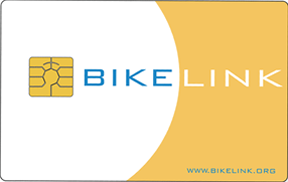
Forty on-demand bike lockers have been installed at Sacramento Valley Station by Capitol Corridor. They are located between the station exit to the platforms and the thruway bus area. These lockers use the BikeLink chip-card system, which I wrote about in 2013 (BikeLink). These join long-term lockers and the Pedal Stop bike station, and new lockers at the Amtrak/Capitol Corridor station in Davis.
Unfortunately, you can’t purchase a BikeLink card in the station, at least not yet. You can purchase them in the Cafe Car onboard all Capitol Corridor trains, but of course if you arrive at the lockers without a card, that doesn’t help you for this trip. You can also order cards via BikeLink. I am not sure how long it takes to get cards through the mail, but I think I remember about a week. The BikeLink map shows three vendor locations in Roseville, since Roseville now has BikeLink locker locations, though I have not used these. The cards cost $20, and that full value is available for locker rentals, though if you use a bike station location with multiple bike racks, such as the Folsom station and several in the bay area, you do have to pay a one-time $5 fee.
The lockers cost 5 cents per hour. That’s a pretty incredible deal given how much car parking costs, and the peace of mind knowing your bike is very unlikely to be stolen or vandalized. Even your seat will be dry!
Hopefully this will be the beginning of more installations showing up around Sacramento and the region, as business and agencies realize what a convenience and encouragement for bicycling the lockers are.
California State Transportation Agency (CalSTA) announced the recipients of its Transit and Intercity Capital Program (TIRCP) grants. Sacramento benefits from two projects:
$9M to Capitol Corridor Joint Powers Authority for expanded service to Roseville and related rail improvements
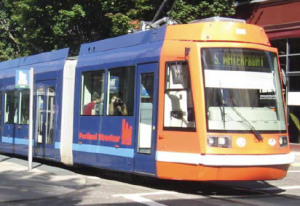
$30M to Sacramento Regional Transit District for a new streetcar
These grants of course are only a fraction of the cost of the projects, but every bit helps, and it is likely that these projects will now move forward though both were formerly stalled or moving very slowly.
From Streetsblog California, some more detail:
2. Increased Rail Service to Roseville and Rail Improvements $8,999,000 to Capitol Corridor Joint Powers Authority
The project includes:
Extending rail service to Roseville, building eight miles of a third track, a new bridge, station improvements, and more.
Creating a service optimization plan to connect with Altamont Corridor Express and Amtrak San Joaquin passenger rail services.
Adding standby electric train power to enable more trains to utilize grid electricity at the Oakland Maintenance Facility.
Capitol Corridor’s website News & Alerts page has more detail. 10. Sacramento Streetcar
$30,000,000 to Sacramento Regional Transit District
Funds go to the planned Downtown/Riverfront Sacramento-West Sacramento Streetcar (pending the project’s federal full-funding grant agreement expected by early 2017) including nineteen stations and six streetcars.
I just ran across Jim Allison’s Spoke ‘N Word blog today, all about bikes on the Capitol Corridor trains as well as other trains. And especially folding bikes. Jim is the Planning Manager for the Capitol Corridor JPA, which operates the Sacramento to San Jose trains. Check it out.






 Getting Around Sacramento