I spend much of my summer in the mountains, backpacking, so this blog will be pretty inactive until August. I may have a chance to catch up on some topics, but may not.
One of the interesting effects I notice going back and forth between backpacking and hiking in the mountains, and bicycling in town, is that it uses different muscle groups! Though each keeps me in pretty decent overall condition, I do get sore and adjusting muscles going back and forth.
When I go backpacking, I generally take Amtrak (train and/or bus) to Truckee, and then get closer to where I’m going on TART and BlueGo. The west shore shuttle, called the Emerald Bay Trolley this year, takes me close to several trailheads, and also makes connections from the south shore to the north shore. Most of my trips are in the Granite Chief Wilderness, which is off the northwest side of Lake Tahoe, the Desolation Wilderness off the southwest side, the Mokelumne Wilderness south of the Tahoe basin, and of course the Tahoe Rim Trail. To some degree, all of these locations are accessible by public transportation.
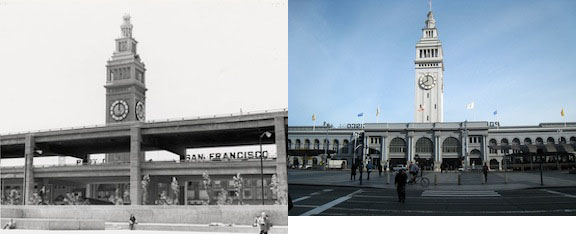
On a day in between backpack trips, yesterday, I went to San Francisco for Sunday Streets. This event was in Golden Gate Park and along The Great Highway. It is fun to bicycle along streets and roads closed to motor vehicles, but these long routes don’t have the connections to local businesses and local people that other locales such as The Mission have, and so for me, are a bit less fun. The next Sunday Streets event on Sunday, July 28, is The Mission, which is along Valencia and 24th Streets in the Mission district. Go!