The draft City of Sacramento emergency declaration on pedestrian safety: ‘Declaring a state of emergency regarding pedestrian safety in the City of Sacramento and calling for immediate action to address pedestrian injuries and fatalities’ is available (pdf of text, 2 pages, 68KB) (pdf of attachments, 28 pages, 26MB).
This post focuses on the enforcement item.
3. “The City Manager is further directed to work with the Sacramento Police Department to ramp up enforcement of traffic laws that protect pedestrians, including speed limit enforcement, crosswalk violations, and distracted driving. The City shall prioritize enforcement in high-injury corridors and areas with frequent pedestrian activity.”
Three advocacy organizations specifically commented about the draft that it must focus on ‘equity and mobility justice’, as did most of the people who spoke at the city council meeting.
I’ll be blunt. There is a deep and well justified mistrust of Sacramento Police Department (SacPD) among people of color and low-income, particularly among, but not limited to, blacks. SacPD has a history of oppressing black people, and has often used traffic stops as a pretext to harass people. Many of these have escalated into arrest, beatings, and even death. I have seen no real evidence that SacPD has changed their stripes. They are not people that I want interacting with the public about traffic law. And, apparently, they don’t want to either. SacPD has reduced its traffic officer group to almost nothing, and does little traffic enforcement by traffic officers or any officers. It is time to move past the idea that law enforcement has much to contribute to reducing traffic violence.
At the same time, no enforcement of any sort is not the answer. People are dying when drivers violate traffic law, and these deaths are unacceptable. Speed is a contributing factor to all traffic crashes, and is sometimes the primary factor. Driving too fast for conditions, and these conditions include walkers and bicyclists on and close to the roadway, is always wrong, even though road design encourages it.
Automated enforcement is a partial answer. It avoids the pretextual stops, avoids harassment of people of color and low-income by police, at least over traffic law, avoid the escalation that police engage in, and is much less expensive than police officers.
The three main traffic violence issues to be addressed, at least at this time, are:
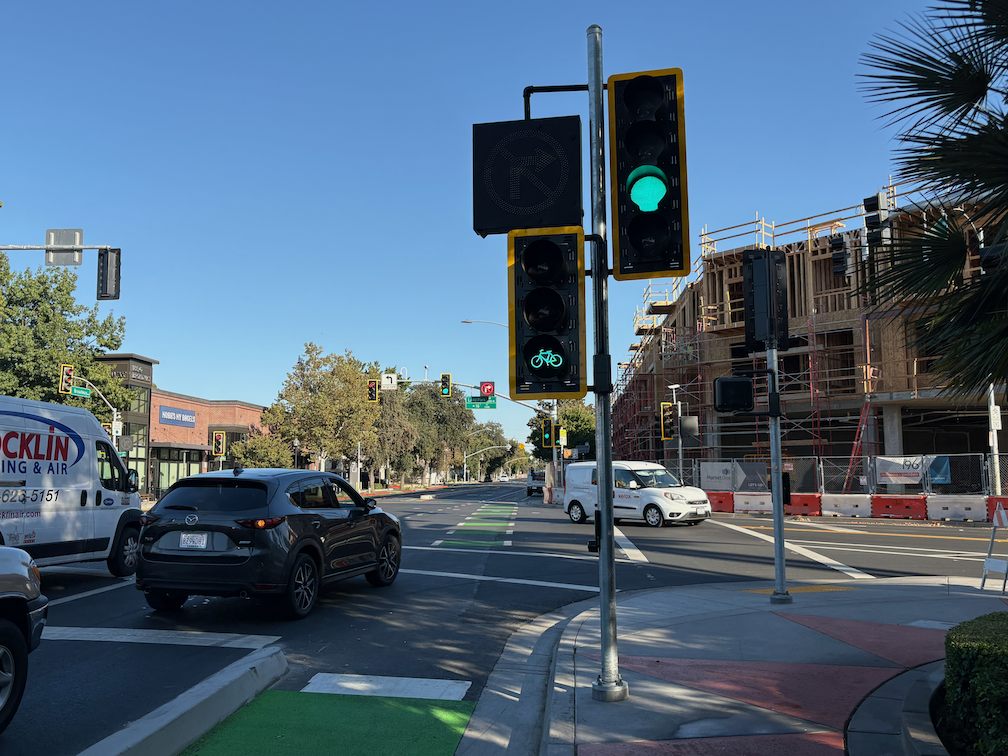
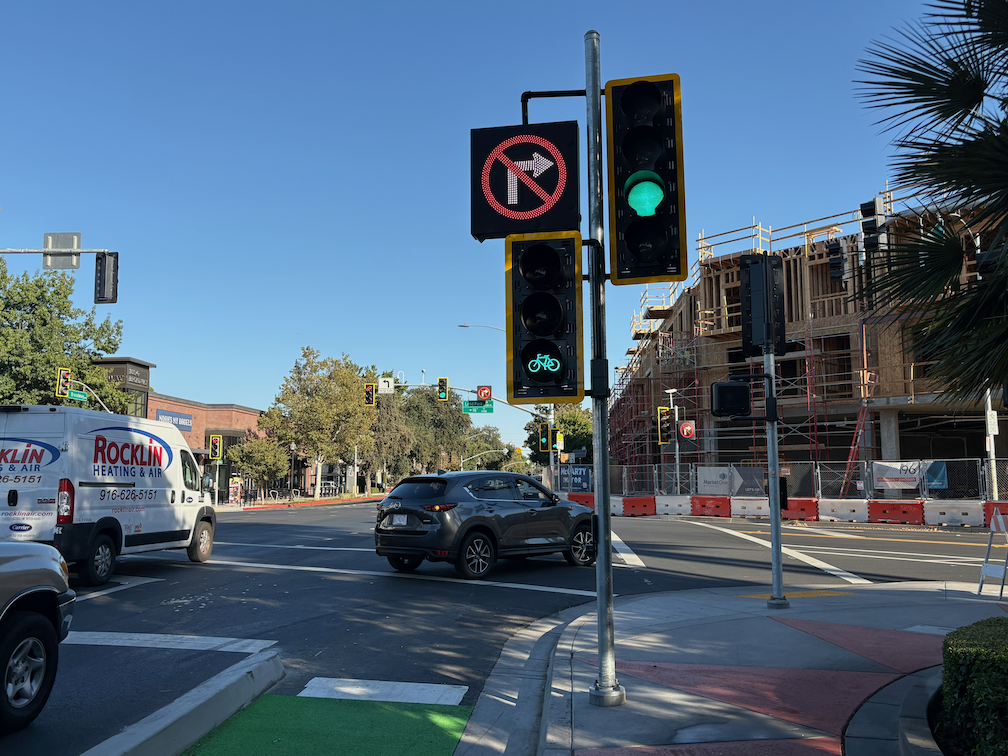
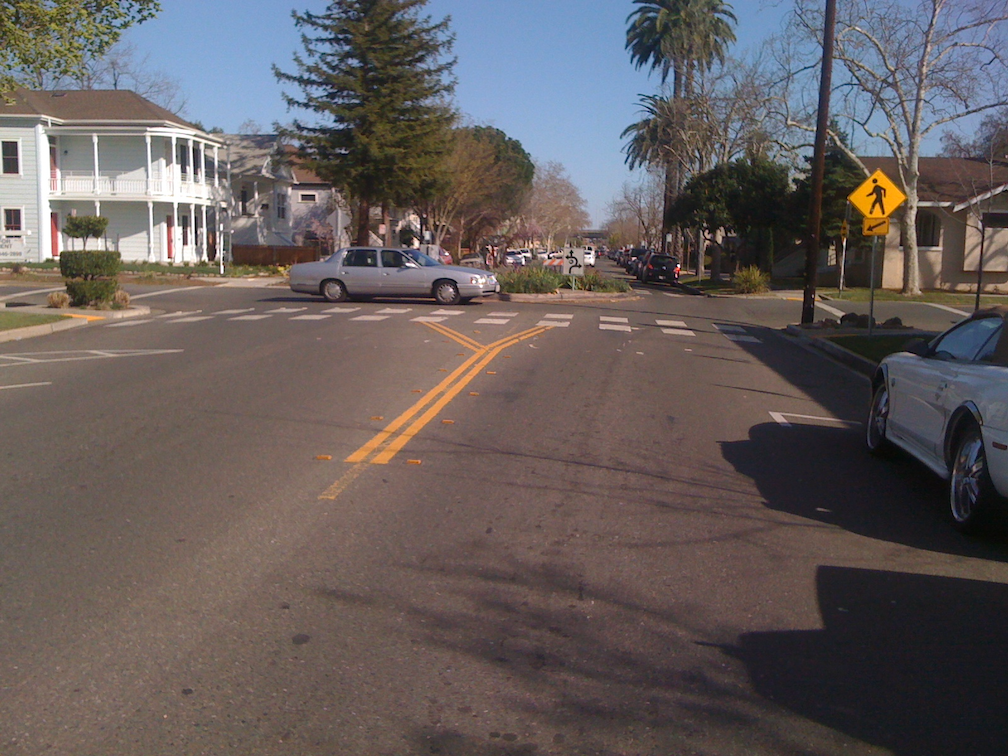
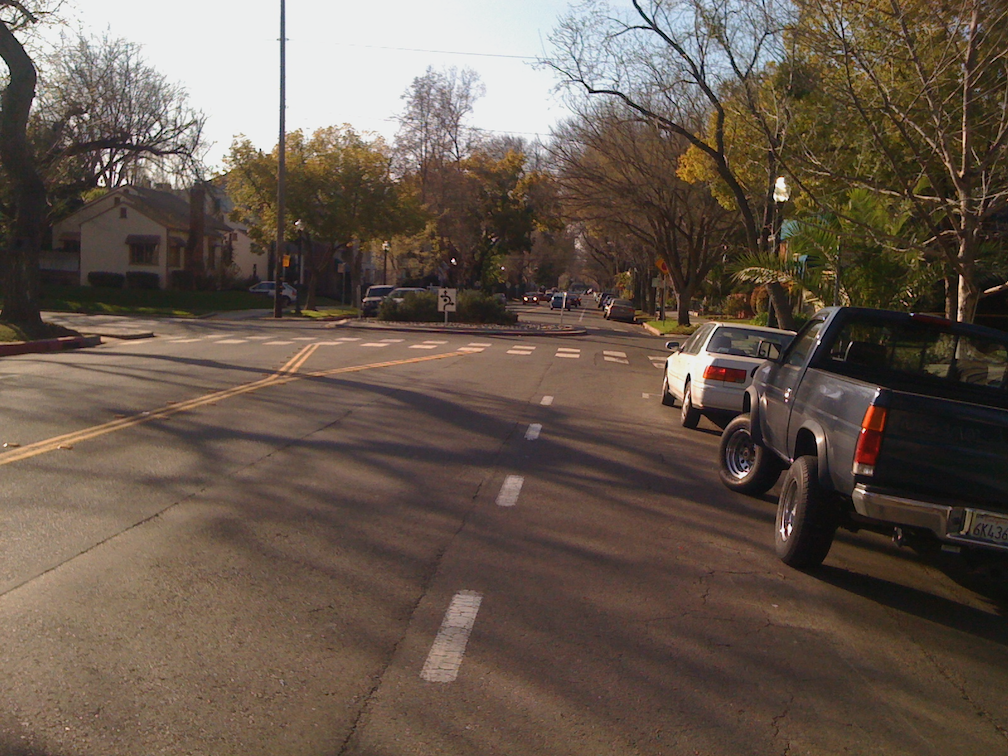
red light running: Red light cameras and automatic ticket issue to the owner of the vehicle are a partial solution to red light running. Of course some drivers will always run red lights, will always endanger others, and will not be deterred by tickets. But most drivers will notice that tickets are being issued, and will change their behavior. Red light running does have infrastructure solutions, including changing from far-side signals to near-side signals, and raised crosswalks and raised intersections. But there are not easy or inexpensive fixes, so automated enforcement is a good interim solution. When the county ended its red light program, which operated the red light camera in the City of Sacramento, the city made no effort to replace that program, and at least some city staff celebrated it (the red light runners?). The city should create a red light camera program of its own. It should be administered by Public Works, not by SacPD. There are equity issues, since the wide, high speed arterials that most encourage red light running are in low-income communities. Two solutions are to distribute cameras across the city in locations where red light running might occur, and not just those locations with a history. The egregious violators, which are who we really want to target, will be receive tickets eventually. The second is to adjust violation fees (and court costs) to a factor related to income. It would be awkward and perhaps invasive to base it on income, but it could easily be based on vehicle value.
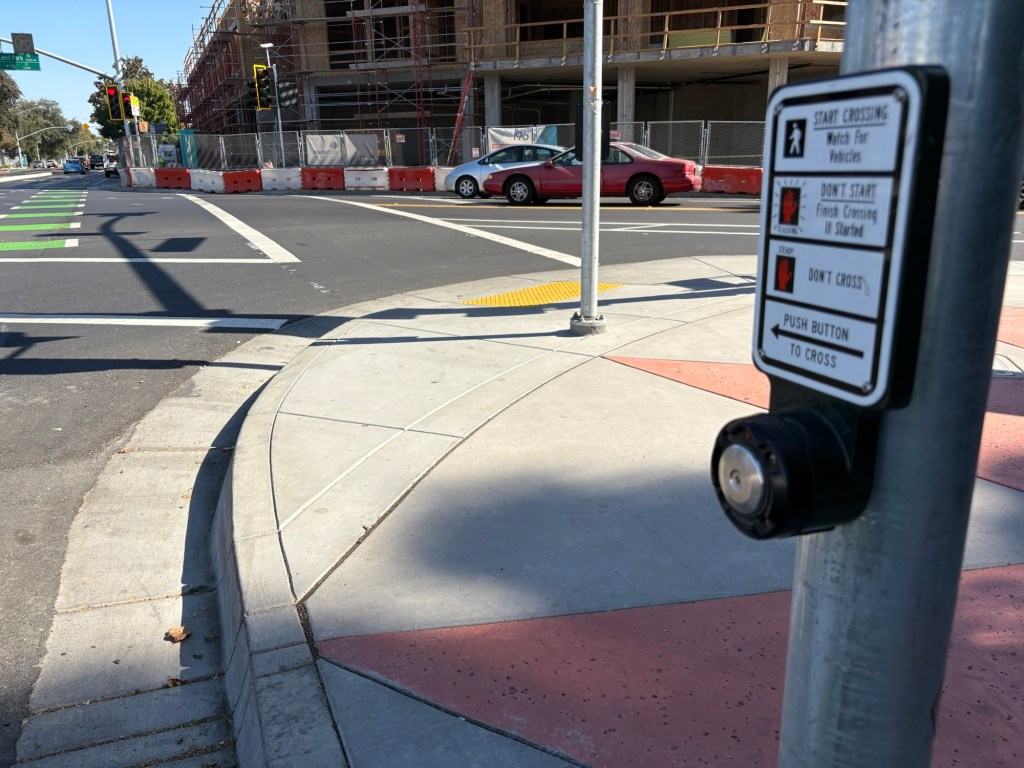
failure to yield to walkers: Drivers have been trained by roadway mis-design to not yield to people in crosswalks. The recent SacPD, OTS funded, sting on J Street demonstrated how common this is. But again, as drivers have been trained to do this, they can be untrained. There are options for automated enforcement of failure to yield, but it requires more complicated and less widely used technology. The city should be experimenting with this technology (they are not), but in the meanwhile, this may be one situation in which in-person enforcement, on a limit basis and with close attention to equity concerns, may be justified. Any in-person enforcement by SacPD raises issues of police violence and over-reaction, including high-speed chases of violators. One solution is to ban high-speed chases. With technology such as helicopters (which the police love) and drones, there is no reason to endanger the lives of violations, bystanders, or officers themselves with high speed chases. Too many cops have watched too many movies with the thrill of high-speed chases. The practice must end.
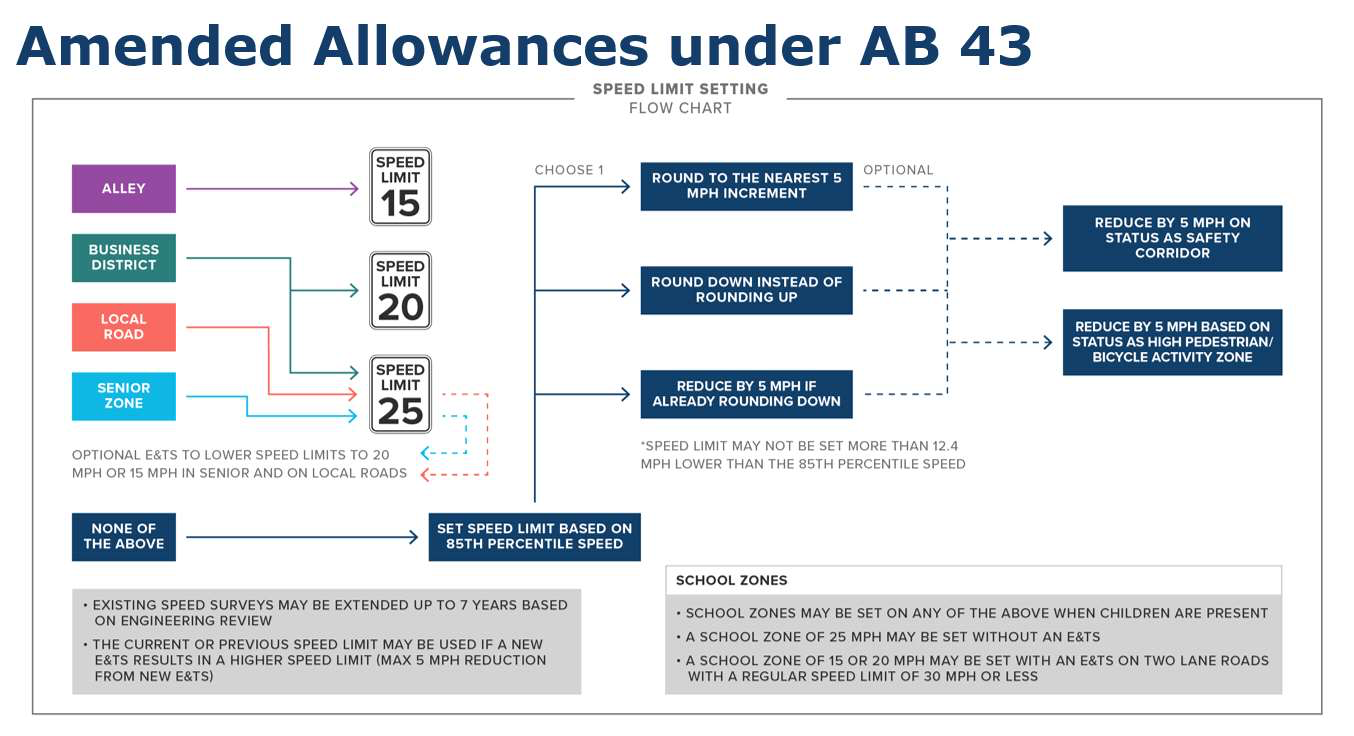
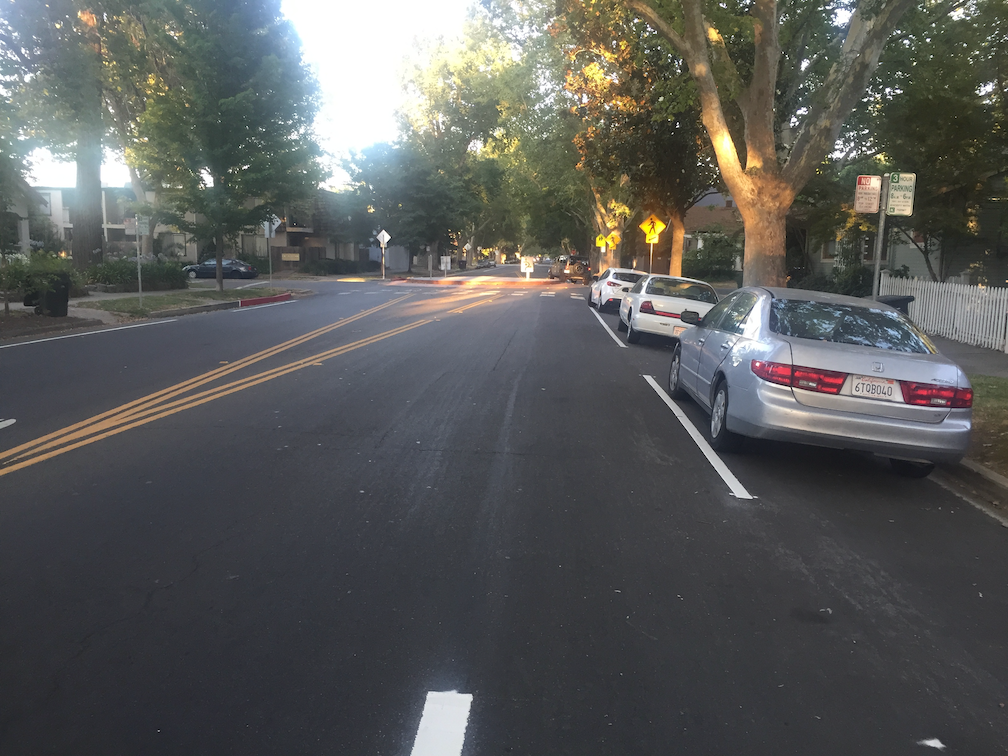
speeding: There is available and highly reliable technology for automated enforcement of speeding. There is a state-authorized pilot program of speed camera enforcement in six cities and part of Pacific Coast Highway. Sacramento is not among them. To its credit, City of Sacramento asked to be part of this pilot but was not included. The city should strongly lobby the next legislative session for inclusion, and should have a program designed and ready to go when authorized. Speeding is the most common concern of the public, and it is true that speed is a factor in every crash, I’m doubtful that it is the biggest concern. I’d rather see a focus on red light running and failure to yield.
I believe that item 3 should be deleted for its likely failure on equity and mobility justice.
I have not yet written about the other six items, and don’t know when I’ll be able to get to it. However, I will say now, in case you were wondering, that by far the most effective city response is temporary (quick build or tactical urbanism) and permanent changes to roadway design. And what it will take to accomplish those changes is funding, from the city general fund. The seeking of grants, and waiting years or decades for the funding to address traffic violence, is only part of the solution. If this is truly an emergency, and it is, the city must spend significant funding to act on it, and act now.