The League of Women Voters Sacramento sponsored an online Climate Justice Mayoral Candidates Forum on Monday, January 22. Thirteen local climate and transportation advocacy organizations co-sponsored. Seven questions were asked of the five candidates (Jose Avina, Flo Cofer, Steven Hansen, Kevin McCarty, and Richard Pan). You can view the forum on YouTube.
Questions asked:
- In 2019, the city council adopted a resolution declaring a climate emergency, committing to carbon neutrality by 2045 and to accomplishing as much action as feasible by 2030. Would you modify these dates, and if so, how would you do it?
- Sacramento is getting hotter each summer, with more and longer heat waves. Other extreme impacts of climate change include flooding and stronger winter storms. These conditions impact our residents and especially our most vulnerable communities and the unhoused. How can the city do better in addressing these impacts for all residents of Sacramento?
- Mayor Steinberg has proposed a countywide ballot measure that would establish a one and a half cent sales tax (incorrect) for an integrated approach to housing, safe and complete streets, transit, and climate innovations. Would you support such a measure in 2026? Why or why not?
- Transportation is by far the greatest contributor to greenhouse gas emissions in our region. It is critical that we improve our public transit system and increase ridership. What role do you see the city and mayor playing in making this happen. What type of innovative transit projects would you seek to prioritize, and please include in your answer, the last time you used public transit.
- The Mayors Climate Commission completed its work in 2020, and provided comprehensive recommendations for achieving carbon zero by 2045. Many of these recommendations are included in the city’s proposed Climate Action and Adaptation Plan which is scheduled for adoption this spring. The proposed plan has a price tag of over $3 billion, yet the city does not have funding set aside for this purpose. What would you do to ensure that funding and financing are addressed in a meaningful way so that the plan does not sit on the shelf?
- Sprawl development continues throughout the region and contributes to increased vehicle miles traveled and greenhouse gas emissions. For example, massive development is proposed for the Natomas basin north of downtown. What is your view on annexing city and county boundaries to facilitate this type of development? How do you balance the arguments that these developments would create new jobs and bring in revenue with the need to prevent further emissions-producing sprawl and encourage infill and urban development?
- Active transportation options, walking, cycling and rolling, play an important role in reducing greenhouse gas emissions as well as improving health and quality of life. Safety is a reason often cited for not using these options. What can the city do to improve safety, provide additional opportunities, and encourage and incentivize active transportation?
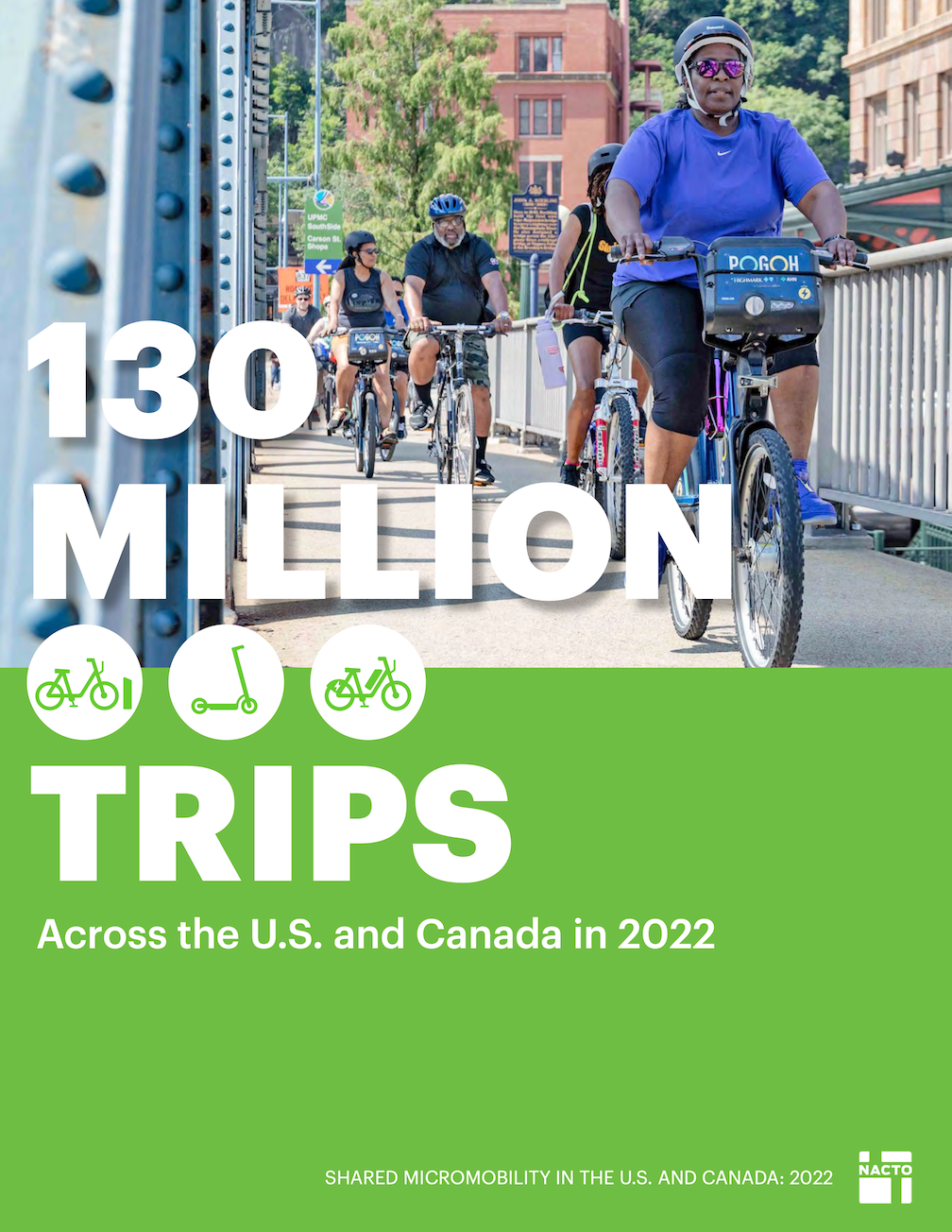
As a strong believer in bike share, I note Steve Hansen’s reply that promoted bike share.
“I helped work with the city of Davis, West Sacramento, and the City of Sacramento through SACOG to launch our shared mobility program. Our JUMP system before the pandemic before the pandemic hit was as successful as the City of Paris, and what happened, though, is after it was sold to Uber and then Lime, disinvestment happened. We need to get back to likely a publicly owned system where we have connectivity.“


 Getting Around Sacramento