The Caltrans Sustainable Transportation Planning Grants for 2025-2026 have been awarded.
Davis received a grant to develop an Active Transportation Plan, described as:
“The City of Davis proposes to develop a city-wide Active Transportation Plan (Plan) with the goal to increase the active mode share trips by 5% by 2040 with the development of innovative and data-proven successful projects, programs and policies that will reduce vehicle miles traveled and greenhouse gas (GHG) emissions (transportation accounts for 74% of GHG emissions in the City of Davis), improve access to transit stops, and enhance safety for all. The Plan will be informed by robust community outreach and the City will work with both our vocal and underrepresented community members and advocacy groups such as Cool Davis, Bike Davis, Strong Towns Davis, Davis Downtown Business Association, Davis Chamber of Commerce, Yolo Cares, Yolo County, the school district, church-based groups, SACOG, identity-based organizations, aging community organization and homelessness service providers to inventory the existing conditions, identify resident’s needs and desires, and identify projects, programs and policies and prioritize the outcomes. Major deliverables include an executive summary designed for decisionmakers and community members filled with graphics and easy to read maps and a technical document which includes recommended prioritized short- and long-term projects, programs and policies to increase active transportation mode share. The Plan will have a strong nexus with existing plans such as the City of Davis’ 2023 Climate Action and Adaptation Plan and 2023 Local Road Safety Plan; SACOG’s Metropolitan Transportation Plan/Sustainable Communities Strategy; and the California Transportation Plan 2050, thereby furthering California’s goal of creating a transportation system that is equitable, safe, sustainable, integrated, and efficient for all.”
SACOG received a grant for CARTA Regional Toll Equity Study, described as:
“Consistent with local and statewide plans, the Sacramento Region (Sacramento, Yolo, Placer, El Dorado, Yuba, and Sutter counties) is developing our first toll lanes to reduce greenhouse gas emissions, improve transit reliability, and manage freeway congestion in our growing region. To deliver an equitable toll lane system, the Sacramento Region needs to evaluate the impact of toll lanes on low-income, disadvantaged, and other equity-priority communities; reduce disparities in benefits and burdens for those communities; and enhance transportation access for all users. The CARTA Regional Toll Equity Study (Study) will fill this gap by reviewing toll equity best-practices, analyzing how toll lanes will impact travel for equity-priority communities, and providing a clear and actionable roadmap to deliver an equitable toll lane network in the Sacramento Region. The Study will be led by the Capital Area Regional Tolling Authority (CARTA), a joint power authority between SACOG, Caltrans District 3, and Yolo Transportation District (YoloTD) that is the new designated tolling authority for the Sacramento Region.”
City of West Sacramento received a grant for West Sac Forward Transit Priority Plan, described as:
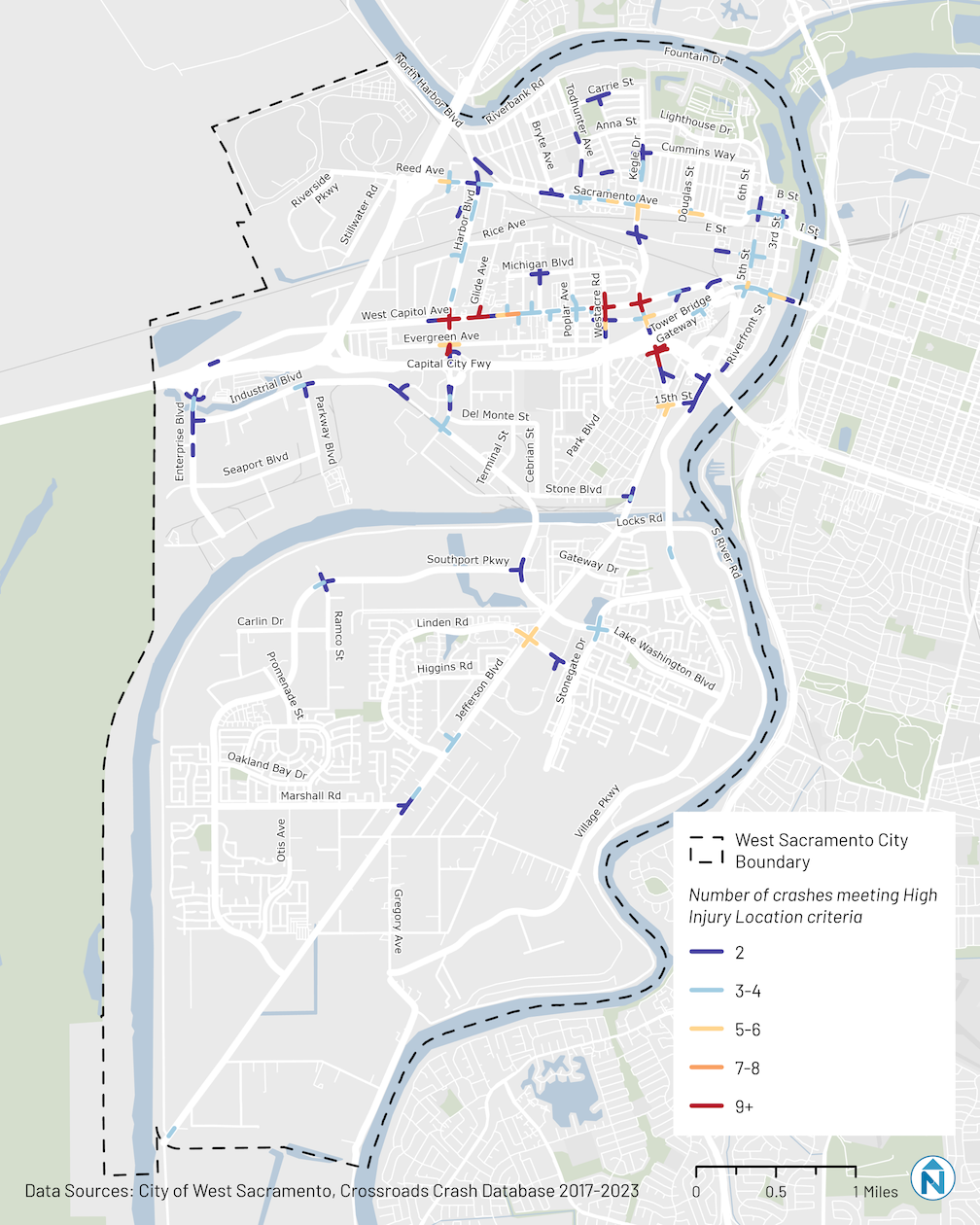
“With West Sacramento experiencing some of the strongest growth in the region this century; planned Sacramento Regional Transit (SacRT) light rail transit construction into West Sacramento starting in 2026; public On-Demand Rideshare services growing in popularity; and existing Yolo County Transit District (YoloTD) bus and paratransit service changes anticipated – the City of West Sacramento in partnership with SacRT, YoloTD, and Via, with support from Sacramento Area Council of Governments (SACOG) proposes to develop the “West Sac Forward Transit Priority Plan”: an innovative sustainable public transit plan rooted in community feedback and collaborative public participation.
Using Sustainable Communities funding, our agencies will team-up to analyze existing systems targeting efficiency, effectiveness, and seamless integration of public bus, rail, rideshare, and planned rapid transit systems to better serve residents and local workforce through new policies, strategies, and recommended infrastructure improvements. Objectives include reducing transit delay, increasing reliability and resiliency, increasing ridership, improving access and mobility for equity priority communities and transit-dependent populations, reducing Greenhouse Gas (GHG) emissions, reducing congestion and Vehicle Miles Traveled (VMT), and improving traffic safety while balancing service cost and system performance.
The final deliverable: a transformative plan with recommended improvements that support healthy, diverse communities and strengthen the economy by implementing the City’s Strategic Plan and Mobility Action Plan, YoloTD’s Short Range Transit Plan, and the SACOG 2025 Blueprint Triple Bottom Line strategic goals of Equity, Economy, and Environment – which complement Caltrans’ six Strategic Plan Goals, meet grant objectives, and achieve CTP 2050 vision and Statewide Transit Strategic Plan objectives prioritizing cost-effective public transit services with improved mobility, social equity, and reduced GHG emissions.”
There are other grants in the region, which can be viewed on the Caltrans Sustainable Transportation Planning Grants page.



 Getting Around Sacramento